Can You Freeze Jalapeño Peppers Whole? (Yes — Here’s How)

November 8, 2026
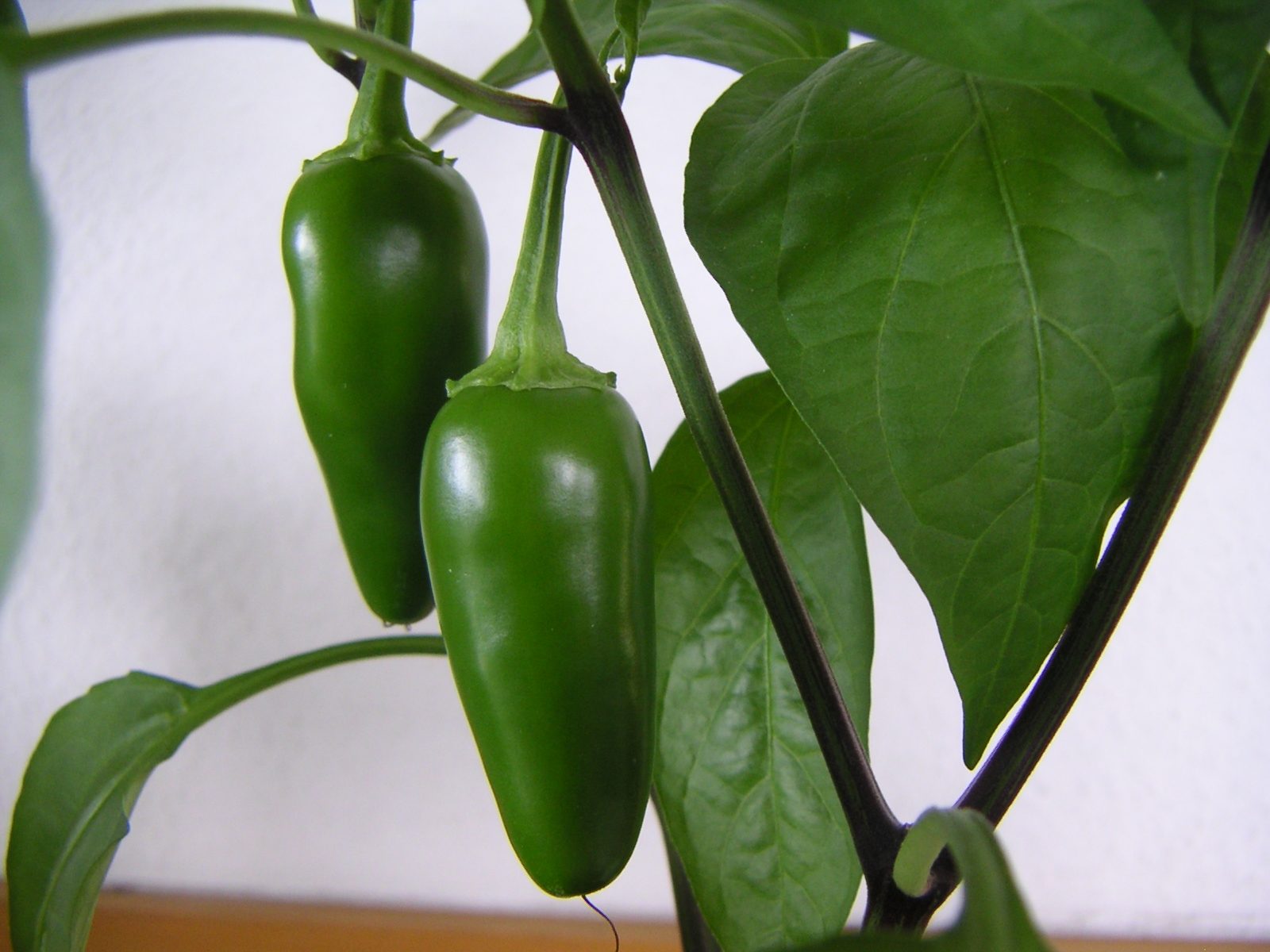
If you’ve ever grown jalapeños in your backyard garden or grabbed a big bag at the grocery store, you know how quickly they pile up. Fresh jalapeños only last about a week in the refrigerator, so when you have more than you can use, freezing is one of the smartest moves you can make.
The good news: jalapeño peppers are small enough to be frozen whole. You don’t need any special equipment or a lot of prep time. Whether you’re stocking up after a summer harvest or just trying to cut down on food waste, this guide walks you through everything — from prep to thawing to knowing when your frozen peppers have gone bad.
Can You Freeze Jalapeño Peppers?
Yes, you can absolutely freeze jalapeño peppers, and it’s one of the easiest preservation methods available to home cooks. Freezing jalapeños is one of the best ways to preserve these peppers for later so you can add a touch of heat to any recipe you’d like. The process requires no blanching, no canning equipment, and very little hands-on time.
For jalapeños, there are two popular options for freezing, and which method you choose will depend on how much freezer space you have and how you plan to use the peppers in the future. You can freeze them whole, sliced, or diced — each approach has its advantages depending on your cooking habits.
If you have enough space for all your peppers, freezing whole is a recommended method, since it preserves the original shape and avoids problems with oxidization and potential skin irritation. It also means you won’t have to deal with capsaicin on your hands until you’re ready to cook.
Pro Tip: If you plan to use your jalapeños in stuffed pepper recipes or jalapeño poppers, freeze them whole so they hold their shape. For soups, stews, and sauces, freezing them sliced or diced makes them easier to grab and use straight from the freezer.
Does Freezing Change the Texture or Taste of Jalapeño Peppers?
Texture does change — that’s the honest truth about freezing any high-moisture vegetable. The minute you freeze any vegetable, the water content in the vegetable becomes frozen, breaking down the fibers and altering the texture, per the University of Minnesota Extension. For jalapeños, this means you should expect a softer pepper after thawing, not a crisp one.
Although frozen peppers lack the crispy texture of fresh peppers, they maintain their flavor and heat level for up to a year. That’s because the compound responsible for jalapeños’ heat is not water-soluble. Peppers like jalapeños stay spicy after being frozen because the capsaicin that gives them their heat is not affected by the freezing process — capsaicin is an oily substance resistant to heat, cold, and most solvents, which means it won’t break down or evaporate easily.
The flavor picture is similar. Jalapeños retain most of their heat when frozen, though some flavor nuances may diminish over time. If you plan to eat your jalapeños within 6 months or so, you shouldn’t notice any flavor loss. Beyond that window, you may notice subtle changes, but the peppers will still be useful in cooked dishes.
One texture note worth keeping in mind: frozen diced jalapeños don’t get as soggy as frozen slices or whole peppers. So if texture matters to you, dicing before freezing gives you a better result after thawing.
How to Freeze Jalapeño Peppers the Right Way
Freezing jalapeños correctly takes about 10 minutes of active prep. The steps below work whether you’re freezing them whole, sliced, or diced.
Step 1: Choose Fresh, Firm Peppers
Choose firm jalapeño peppers without discoloration. Soft spots, wrinkles, or dark patches are signs the pepper is already past its prime. Starting with the best-quality peppers gives you the best results after freezing.
Step 2: Wash and Dry Thoroughly
Wash your jalapeños under cold running water. After washing, dry them completely with a paper towel or clean kitchen towel. Excess moisture leads to ice crystals and freezer burn, so don’t skip the drying step.
Step 3: Prep Based on How You’ll Use Them
To prepare whole jalapeños, cut off the stem, then use a paring knife and spoon to scoop out the seeds and membranes and discard them. You can also leave the seeds and membranes in if you want more heat — just know the peppers will be significantly spicier.
If you’d rather freeze them sliced or diced, cut off the stem, remove the seeds and membranes, and slice crosswise into circles. For diced jalapeños, cut off the stem then slice the pepper lengthwise in half, remove the seeds and membranes, cut each half lengthwise into strips, then crosswise into diced pieces.
Important Note: Always wear gloves when handling jalapeños, especially when cutting or seeding them in bulk. Wearing gloves and using a sharp knife minimizes skin irritation and ensures safer handling of hot peppers. If you don’t have gloves, hold the peppers with a damp paper towel to reduce direct contact.
Step 4: Flash-Freeze on a Baking Sheet (Recommended)
To avoid your peppers sticking together while frozen, place a single layer of whole jalapeños or sliced jalapeños on a baking sheet or cookie sheet lined with parchment paper, then place them in the freezer and leave them for one to two hours. Individually freezing the peppers makes for a better frozen product as it won’t clump together in the freezer bag.
Step 5: Transfer to Freezer Bags or Containers
Put your sliced or whole peppers in thick plastic freezer bags. To avoid freezer burn on your peppers, remove all of the air possible from the freezer bags before sealing and placing them in your freezer. If you don’t have a vacuum sealer, use the straw trick: put the frozen peppers into a freezer-quality ziplock bag, then place a straw through the zipper and seal the bag around the straw. Suck as much of the air out of the bag as possible, then as you pull the straw out, zip the bag shut.
One important container note: silicone bags are not recommended for jalapeños, because the spicy compound capsaicin can rub off on the silicone and be difficult to remove. Stick to plastic bags or freezer-safe glass to prevent lingering jalapeño on your containers.
Step 6: Label and Store
Write the date on each bag before it goes into the freezer. This simple habit makes it easy to track how long your peppers have been stored and use older batches first. If you use a vacuum sealer, make small batches for use throughout the year so you can open a bag and use it all without the need to re-seal.
How Long Can You Freeze Jalapeño Peppers?
Storage time depends on your container type and how well you remove air before sealing. Here’s a practical breakdown:
| Storage Method | Best Quality Window | Maximum Safe Duration |
|---|---|---|
| Ziplock freezer bag (whole) | Up to 6 months | Up to 12 months |
| Ziplock freezer bag (sliced/diced) | 3–6 months | Up to 12 months |
| Vacuum-sealed bag | Up to 12 months | Beyond 12 months |
| Freezer-safe glass jar | 3–6 months | Up to 12 months |
Properly stored jalapeños will maintain best quality for about 10 to 12 months, but will remain safe beyond that time. Jalapeño peppers that have been kept constantly frozen at 0°F will keep safe indefinitely. That said, quality is the real concern here — flavor and color can decline after the 12-month mark.
Ideally, you should try to use up all of your frozen jalapeños within 1 year. It is okay to keep jalapeño peppers frozen for longer than a year, though you may begin to notice negative changes in flavor and color. If you’re a frequent cook, freezing in small batches makes it easy to work through your supply before quality drops.
For more ideas on incorporating peppers and other produce into your meals, see our guide to whole plant-based foods worth keeping stocked in your kitchen.
How to Thaw Frozen Jalapeño Peppers
The fastest and most practical method for most cooking situations is to skip thawing entirely. You don’t need to defrost frozen jalapeños before using them in cooked dishes — simply add the frozen peppers directly to soups, stews, or casseroles. This approach maintains their flavor and texture, making freezing jalapeños a convenient option.
When you do need to thaw them — say, for stuffed poppers or a recipe where you want more control over moisture — you have two options:
- Refrigerator thaw: Move the jalapeños from the freezer to the fridge and let them thaw overnight. This is the gentlest method and keeps the peppers at a safe temperature throughout.
- Room temperature thaw: Frozen peppers can be thawed to room temperature. You will want them to thaw on a reusable or paper towel to avoid a puddle. This takes a couple of hours and works well when you need them same-day.
The peppers will be softer after thawing, so you won’t want or need to cook them as long. Pat them dry with a paper towel before adding them to any recipe where extra moisture would be a problem, such as a stuffed pepper filling or a fresh salsa.
Pro Tip: If you froze jalapeños whole and need to slice them for a recipe, it’s actually easier to slice them while they’re still partially frozen. The firmer texture makes them much simpler to cut cleanly.
Can You Refreeze Jalapeño Peppers After Thawing?
Technically, yes — but it’s not a great idea in most cases. Each freeze-thaw cycle breaks down the cell walls further, which means the peppers get progressively mushier with each round. The texture, which is already softer than fresh after the first freeze, deteriorates noticeably with refreezing.
The better approach is to freeze jalapeños in small, usable portions from the start. When you need jalapeños for a recipe, simply remove the required amount from your freezer bags, reseal the bags with no air inside, and replace them in your freezer. That way, you’re only thawing what you actually need each time, and refreezing becomes a non-issue.
If you thawed jalapeños and used only part of them in a cooked dish, the cooked peppers can be refrigerated and used within 3 to 4 days — no need to refreeze at all.
How to Use Frozen Jalapeño Peppers (Best Uses After Freezing)
Frozen jalapeños are surprisingly versatile. Fresh jalapeño peppers work best for fresh salsa, nachos, and tacos, but frozen peppers work perfectly in soups, stir-fries, and when making baked jalapeño poppers with cream cheese and other stuffed pepper appetizers.
Here are the best ways to put your frozen jalapeños to work:
- Soups and chili: Just break off a chunk and add them into whatever you’re cooking frozen. They’ll thaw in just a couple of minutes in your hot dish and add a great kick of flavor.
- Hot sauce: Use your jalapeños to make a tasty homemade hot sauce. They can be cooked beforehand, or just thawed and blended with other ingredients.
- Stir-fry: Jalapeños add a nice kick to a stir-fry. Cook the peppers straight from the freezer without thawing.
- Jalapeño poppers: Freeze whole peppers for recipes like jalapeño poppers or stuffed peppers — the peppers will keep their shape, but they may get softer when they thaw.
- Pasta and red sauces: Spice up a red sauce or pasta dish for an extra kick of heat and flavor. Dice the jalapeños into small cubes for pasta.
- Cooked salsa: Frozen jalapeños can be pureed for hot salsa or thrown into soup for a kick.
- Casseroles and egg dishes: Frozen diced jalapeños fold easily into egg bakes, breakfast casseroles, and corn dips without any thawing needed.
If you enjoy cooking with bold flavors, you might also find inspiration in our articles on foods that support a healthy heart and foods that enhance liver function — peppers appear in both categories thanks to their capsaicin and antioxidant content.
Signs That Frozen Jalapeño Peppers Have Gone Bad
Frozen jalapeños kept at a consistent 0°F are technically safe indefinitely, but quality does degrade over time. Here’s what to look for before you use them:
| Warning Sign | What It Means | What to Do |
|---|---|---|
| White or gray patches on the surface | Freezer burn from air exposure | Safe to eat but flavor will be dull; trim affected areas |
| Black or brown discoloration | Oxidation or spoilage | Discard the affected peppers |
| Fuzzy mold growth | Unsafe to consume | Discard the entire batch |
| Unpleasant or off odor after thawing | Spoilage | Discard immediately |
| Extremely mushy texture after thawing | Extended storage or poor sealing | Use only in heavily cooked dishes; discard if smell is off |
If the jalapeño is wrinkled, soft, or has turned black or brown in spots after thawing, those are signs of bad jalapeños. Freezer burn alone doesn’t make a pepper unsafe, but it does significantly hurt the flavor. If you notice freezer burn on your peppers, something is wrong with your storage container. Try not to leave your freezer open to avoid condensation buildup in your frozen peppers.
The best defense against all of these issues is proper packaging: remove as much air as possible, use bags rated for freezer use, and label everything with the date. Peppers stored this way rarely develop problems within the first 6 to 12 months.
For more guidance on food safety and healthy eating habits, explore our articles on foods for healthy skin and nutrients and foods that fight cancer.
Frequently Asked Questions
Do You Need to Blanch Jalapeños Before Freezing?
No — there is no need to blanch jalapeños or any type of pepper before freezing. Blanching is optional. While blanching is not exactly required, it will improve the texture of the thawed peppers by neutralizing an enzyme that encourages the breaking down of the peppers. If you’re short on time, skip it — your frozen jalapeños will still be perfectly usable.
Can You Freeze Jalapeños Without Cutting Them?
Yes. You can freeze them whole with no special prep — just toss them in a bag and throw them in the freezer. The trade-off is that whole peppers take up more space, and you’ll need to deal with the seeds when you’re ready to cook. If freezer space is limited, slicing or dicing before freezing is more efficient.
Does Freezing Make Jalapeños Hotter?
No. The heat level is affected more by the seeds and ribs than by the process of freezing them. Leaving the seeds and membranes in before freezing will make your peppers spicier, but the freeze itself doesn’t change the capsaicin level.
Can You Freeze Pickled Jalapeños?
Yes, it is entirely possible to freeze pickled jalapeños. The pickling process actually helps preserve the peppers, making them ideal for freezing. Freezing can slightly alter the texture of pickled jalapeños, making them a bit softer upon thawing, but the flavor remains largely unaffected, ensuring that fiery kick in your meals.
Can You Use Frozen Jalapeños for Jalapeño Poppers?
Yes, you can use your frozen jalapeños for jalapeño poppers. However, if you blanched your fresh jalapeños before freezing, they will not have the stiffness necessary to support the popper filling. For best results with poppers, freeze whole jalapeños without blanching so they hold their structure after thawing.
How Do You Know When Frozen Jalapeños Are Still Good?
After thawing, give them a quick look and smell. If they smell fresh and show no mold, black spots, or extreme mushiness beyond the normal softening, they’re good to use. Mold is a clear sign that jalapeños are no longer safe to consume. If you notice any fuzzy growths or spores on the surface, it’s time to throw them away.
What’s the Best Way to Store a Large Jalapeño Harvest?
Freeze them in small, meal-sized portions so you’re never thawing more than you need at once. Dicing or slicing before freezing saves the most space and makes them easiest to use straight from the freezer. For a very large harvest, consider splitting the batch between the freezer and other preservation methods like pickling or dehydrating. You can also explore ideas for incorporating peppers into traditional dishes from cuisines around the world — check out our guides to traditional Pakistani food, traditional Greek foods, and German foods for spicy recipe inspiration.