Can You Freeze Mac and Cheese? Storage Tips, Shelf Life, and Reheating Guide

November 8, 2026
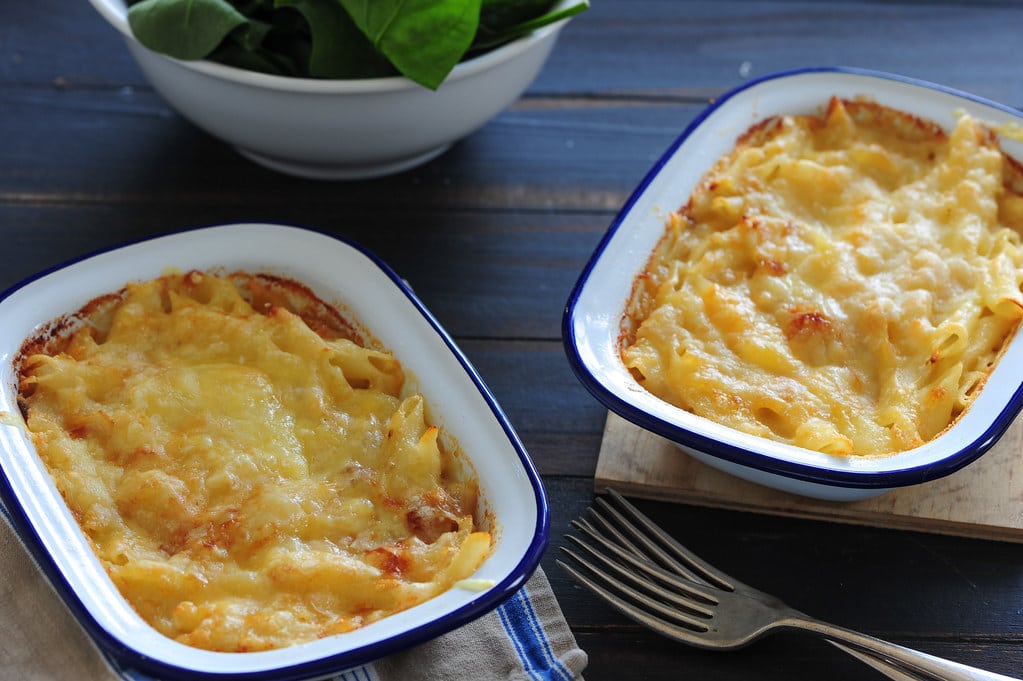
Mac and cheese is one of America’s most beloved comfort foods, and there’s a good reason most home cooks end up with more than they can finish in one sitting. Whether you made a big stovetop batch for a weeknight dinner or baked a casserole for a holiday gathering, you don’t have to let the leftovers go to waste.
The good news: you can absolutely freeze mac and cheese. With the right technique, frozen mac and cheese reheats into a creamy, satisfying meal — not a dry, mushy disappointment. This guide walks you through everything you need to know, from freezer prep to spotting spoilage.
Can You Freeze Mac and Cheese?
Whether you made it out of the box or decided to make a homemade mac and cheese recipe, the good news is that you can freeze it. Both stovetop and baked versions are freezer-friendly, though they each respond a little differently to the process.
Creamy versions of mac and cheese are best for freezing because they have more sauce or liquid to keep the pasta moist when reheating. Baked macaroni casseroles are usually drier in texture but can still be frozen. If you’re working with a baked recipe, freeze the prepared but unbaked mac and cheese, then bake once thawed and ready to serve.
Freezing mac and cheese is a smart and convenient way to always have extra on hand, making it easy to grab for lunch, dinner, a spur-of-the-moment potluck event, or a holiday get-together. You can also explore other whole plant-based foods worth keeping in your freezer for well-rounded meal prep.
Pro Tip: If your recipe calls for a breadcrumb topping, freeze the mac and cheese without it. Breadcrumbs turn soggy after freezing and thawing — add a fresh batch right before baking.
Does Freezing Change the Texture or Taste of Mac and Cheese?
Freezing mac and cheese can make the finished product seem softer and mushier than normal, but it shouldn’t alter the taste at all. The bigger concern is texture — specifically what happens to the pasta and the cheese sauce during the freeze-thaw cycle.
Macaroni absorbs moisture from the sauce as it freezes and thaws, so the best recipes for freezing are those that start with a big pot of creamy, cheesy sauce. During the freezing process, pasta can soak up the cheesy sauce, causing the mixture to become dry. This can be fixed by adding milk or extra cheese.
The cheese sauce itself is where most problems occur. The higher fat content from ingredients like whole milk, real butter, and robust cheeses like sharp cheddar or Gruyère is what prevents the sauce from breaking or turning grainy when it thaws. Low-fat dairy has a higher water content, which forms ice crystals that destroy the sauce’s emulsion and ruin the texture.
In short, the richer your recipe, the better it freezes. Boxed mac and cheese freezes reasonably well too, though boxed versions with artificial preservatives freeze better than gourmet recipes.
How to Freeze Mac and Cheese the Right Way
A little preparation before the mac and cheese hits the freezer makes a significant difference in how it tastes when you reheat it. Follow these steps for the best results.
- Undercook your pasta slightly. Cook pasta until just shy of al dente, 1 to 2 minutes less than the shortest time on the package instructions. This keeps your noodles from turning mushy.
- Cool pasta and sauce separately. The one rule to always follow for make-ahead mac and cheese is to cool your pasta and sauce separately. Rinse pasta under cold water, then spread macaroni out onto a baking sheet to cool.
- Make the sauce extra rich. Always make a little extra sauce. A slightly “wetter” mac and cheese going into the freezer means it will still be perfectly moist and luscious after reheating, since the pasta will inevitably soak up some of that liquid.
- Portion before freezing. For individual mac and cheese servings, scoop portions of the cheesy pasta into large silicone muffin tins, individual serving cups, or freezer-safe zip-top bags. When deciding which container works best for your family, consider the amount you want to freeze and the size of your freezer. Containers are great for single or double servings while a larger ziplock bag or stasher bag is perfect for a family-sized portion.
- Seal tightly. Wrap your pan tightly in several layers of plastic wrap, then cover it with a layer of foil to seal everything in. This keeps out air, odors, and ice crystals.
- Label everything. Label the top of the freezer-safe container. Add what’s in the container, the date, along with quick reheating instructions.
Pro Tip: If you’re prepping a batch specifically to freeze, aluminum foil trays are a practical option — they’re lightweight, stackable, and can go straight from the freezer to the oven without extra dishes.
How Long Can You Freeze Mac and Cheese?
Properly stored, mac and cheese will keep well in the freezer for up to three months. It won’t necessarily spoil after that, but the texture and flavor may start to decline.
The cheesy casserole can absorb off-flavors if stored for longer than three months. Technically, it will stay safe to eat much longer than that as long as your freezer holds a steady 0°F (-18°C). Quality, however, is another matter.
Here’s a quick reference for mac and cheese storage across different conditions:
| Storage Method | How Long It Lasts | Notes |
|---|---|---|
| Room temperature | 2 hours maximum | Discard after 2 hours per USDA guidelines |
| Refrigerator (below 40°F) | 3–5 days | Store in airtight container |
| Freezer (0°F) | Up to 3 months for best quality | Safe longer, but quality declines after 3 months |
Discard immediately if left at room temperature over 2 hours — this is the USDA food safety rule. The dairy in cheese sauce creates ideal conditions for bacterial growth at room temperature, so this guideline is worth taking seriously, especially if you’re serving a crowd.
How to Thaw Frozen Mac and Cheese
The best way to thaw frozen mac and cheese is always overnight in the fridge. Thawing can take several hours to a full day, depending on the portion size. This method is both the safest and the most effective for preserving texture.
Do not thaw on the counter at room temperature, as this can cause a food safety issue. Countertop thawing is not recommended for mac and cheese, as it can lead to bacterial growth. For safety and quality, it’s best to avoid this method.
If you’re short on time, the microwave works as a backup. Place the mac and cheese in a microwave-safe container and defrost it at 50% power for two minutes. Stir and continue to defrost in one-minute increments at 50% power until fully thawed. Remember to stir periodically, as the edges of the casserole will thaw more quickly than the center.
Once thawed, you can reheat using the stovetop, microwave, or oven. If it’s dry, add milk or grated cheese before reheating. Add about 1 tablespoon of milk per serving. Cover with plastic wrap for the microwave or foil for the oven method — the liquid heats and steams the pasta to prevent it from drying out.
Pro Tip: When reheating on the stovetop, use medium-low heat and stir gently. Over-stirring breaks down the pasta and makes it mushy — a light hand goes a long way here.
Can You Refreeze Mac and Cheese After Thawing?
This is one of the most common questions about frozen mac and cheese, and the answer comes with some important conditions. If you plan to refreeze frozen mac and cheese, you must handle it with care. It should only be refrozen if it has been thawed in the refrigerator and not left at room temperature for extended periods.
Only refreeze if the mac and cheese was thawed in the refrigerator and reheated to 165°F. Never refreeze if thawed at room temperature. Texture degrades significantly, but the USDA confirms it remains safe if handled properly.
That said, refreezing is generally not recommended for quality reasons. Each freeze-thaw cycle causes the pasta to absorb more sauce and the cheese to become grainier. Upon reheating, add a bit of milk or cream to bring back the creaminess if the texture has become grainy. If you find yourself regularly with too much thawed mac and cheese, consider freezing in smaller individual portions from the start to avoid the issue entirely.
How to Use Frozen Mac and Cheese (Best Uses After Freezing)
Frozen mac and cheese is more versatile than you might expect. Beyond reheating it as a side dish, there are several smart ways to put it to use — especially when the texture has softened a bit from freezing.
- Weeknight side dish: Freezing mac and cheese is a great way to keep leftovers, saving them for a busy night when there’s no time to cook. Thaw overnight and reheat in under 10 minutes.
- Mac and cheese soup base: Stir thawed mac and cheese into a pot with broth, a splash of cream, and diced vegetables for a quick, hearty soup. The softened pasta blends right in.
- Stuffed peppers: Use thawed stovetop mac and cheese as a filling for bell peppers. Top with extra shredded cheese and bake at 375°F until the peppers are tender.
- Mac and cheese bites: Press thawed mac and cheese into a greased muffin tin and bake at 400°F for 15–20 minutes until crispy on the edges. These are popular at potlucks and game day spreads across the US.
- Loaded baked potato topping: Spoon reheated mac and cheese over a baked potato with crumbled bacon and scallions for a filling meal.
- Holiday meal prep: Make ahead freezer macaroni and cheese is a great strategy for getting Sunday and holiday dinners ready ahead of time. Freeze in foil pans and bake directly from frozen.
For more ideas on building nutritious, satisfying meals, take a look at these superfoods for a healthy heart that pair well with comfort food staples in a balanced diet.
Signs That Frozen Mac and Cheese Has Gone Bad
Knowing when to toss frozen mac and cheese is just as important as knowing how to store it. Some signs are obvious; others are easy to miss.
Smell: Spoiled mac and cheese will have an off smell, unlike its usually creamy and cheesy smell. It should be discarded if it has a sour, rancid, or rotten smell.
Mold: The most apparent sign that mac and cheese is bad is the growth of mold. If you see fuzzy white spots or green particles, discard it immediately. Do not attempt to scoop out the moldy section and eat the rest — mold spreads invisibly through dairy-based sauces.
Color changes: A yellowish or brownish tint can be a sign of spoilage. Fresh mac and cheese should not have any discoloration. If it is a faded gray or green color, that is a good sign that it is spoiled.
Texture problems: Gently stir the mac and cheese. Slimy, sticky, or excessively hard pasta signals bacterial growth. The sauce should coat the spoon — thinning indicates spoilage.
Freezer burn: Freezer burn affects the quality and texture of the food, not its safety. It occurs when air reaches the food’s surface, causing dehydration and oxidation. While it might make the food less palatable, it’s still safe to consume. You can often salvage freezer-burned mac and cheese by stirring in extra milk or cream during reheating.
Important Note: Never taste mac and cheese to determine whether it’s safe. Some harmful bacteria produce no detectable odor or flavor change. When in doubt, throw it out.
Proper food storage habits matter well beyond mac and cheese. If you’re interested in how diet connects to overall health, these foods that support liver function and nutrients that fight cancer are worth exploring.
Frequently Asked Questions
Can You Freeze Boxed Mac and Cheese?
If you want to make boxed mac and cheese and freeze it, that works just fine. Prepare it as directed, let it cool completely, then transfer to a freezer-safe container. Boxed versions must be transferred to freezer bags or airtight containers — air exposure causes freezer burn and texture degradation within weeks.
Can You Freeze Baked Mac and Cheese?
Yes, you can freeze baked mac and cheese. For the best results, freezing mac and cheese unbaked is the best way to preserve that perfect pasta bite, since you’re cooking it fresh instead of just reheating it. If you’ve already baked it, you can freeze it after baking but the pasta will be softer when ready to reheat.
How Do You Reheat Frozen Mac and Cheese Without Drying It Out?
For drier mac and cheese recipes, add 2–3 tablespoons of milk or broth during the reheating process. Microwave or stovetop are the two best ways to reheat. In the microwave, heat the container for 3–4 minutes for a 16-ounce portion. On the stovetop, heat over medium-low in a covered small pan for about 15 minutes. Stir occasionally — over-stirring can cause the pasta to become mushy.
Can You Freeze Mac and Cheese With Toppings?
It’s best not to add toppings like crackers or grated cheese to mac and cheese you wish to freeze, as they can become soggy when defrosted. Instead, add the toppings after you’ve defrosted and cooked the mac and cheese.
How Long Is Thawed Mac and Cheese Good For in the Fridge?
The fridge is the best thawing option. Once thawed, it can be safely consumed for another three to four days. If you thaw using the microwave or cold water, the mac and cheese should be eaten immediately.
Is Freezer-Burned Mac and Cheese Safe to Eat?
Yes. Freezer burn is a quality issue, not a safety issue. The dry, grayish patches mean moisture escaped from the surface, but the food itself is safe. Stir in a splash of milk when reheating to restore some creaminess. If the flavor is too far gone, it’s fine to discard it — but it won’t make you sick.
For more food storage tips and guides on eating well, check out these articles on foods for healthy skin and fibroid-healing foods to round out your kitchen knowledge. You might also enjoy reading about famous foods in Boston or traditional Greek foods if you’re looking for new recipe inspiration beyond the mac and cheese classics.