Can You Freeze Cheddar Cheese? Everything You Need to Know

November 6, 2026
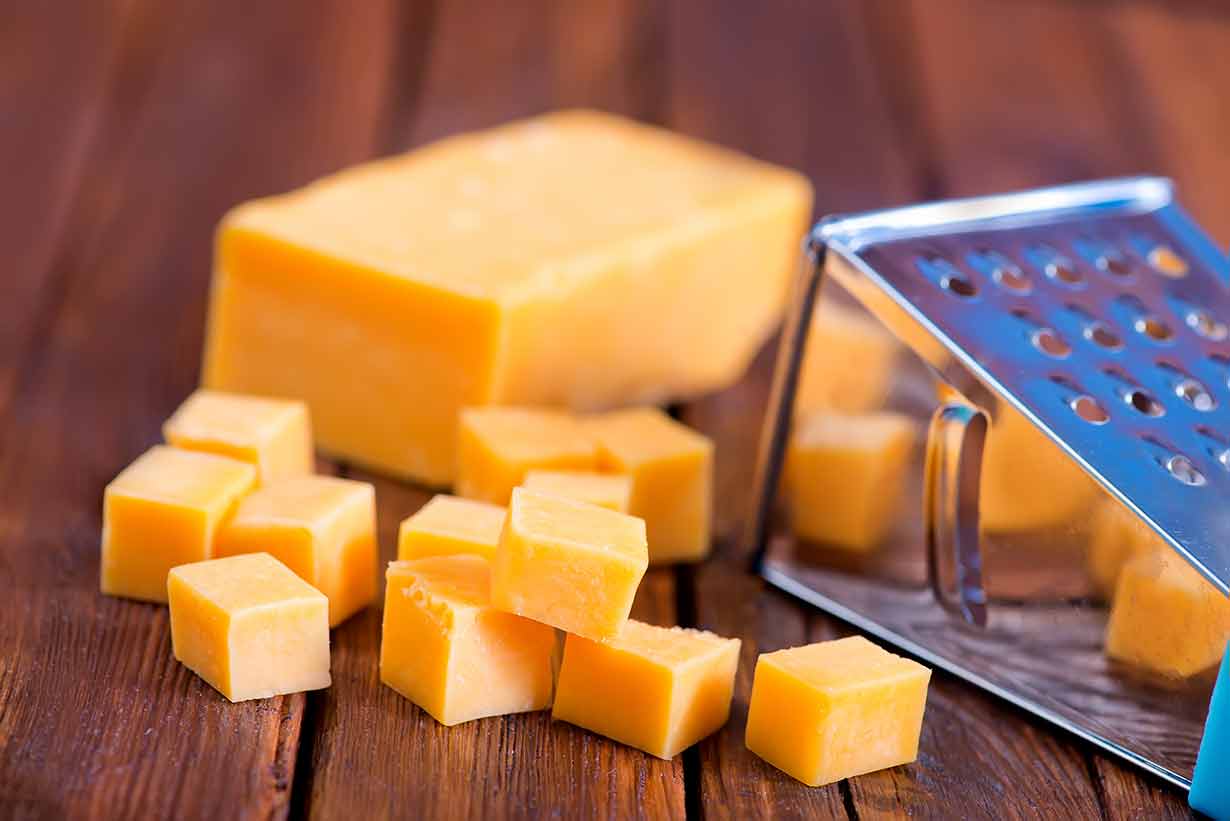
Cheddar cheese is one of the most popular cheeses in the United States, and if you’ve ever stocked up on a big block from Costco or Sam’s Club only to realize you can’t finish it in time, you’ve probably wondered whether the freezer is a safe option. The short answer is yes — you can freeze cheddar cheese.
The longer answer involves a few trade-offs worth knowing before you toss that block in the freezer. Freezing cheese can lead to a drier and crumblier texture. That said, high-fat, industrially produced cheeses like cheddar are better suited for freezing than softer or artisanal options. This guide walks you through exactly how to freeze cheddar the right way, how long it keeps, and how to get the most out of it once thawed.
Can You Freeze Cheddar Cheese?
Yes, both block and grated cheddar freeze well. Cheddar’s relatively low moisture content gives it a structural advantage over soft cheeses, making it one of the better candidates for the freezer. Cheddar cheese is a hard, aged cheese, and its low moisture content allows it to freeze without turning into a crumbly, dried-out mess — though some texture change is still expected.
Freezing cheese can reduce waste and prolong shelf life. It’s a practical move when you score a deal on a bulk block at the grocery store or simply have more cheddar than you can use before it expires. Freezing cheddar cheese extends its shelf life, allows you to bulk buy and save money, and reduces food waste — though it can alter the texture and flavor, making it less suitable for eating raw.
Pro Tip: Opt for medium or mature cheddar when freezing. These varieties have gone through a natural aging process that lowers moisture content, which reduces texture changes after thawing.
Does Freezing Change the Texture or Taste of Cheddar Cheese?
Texture is where freezing does the most noticeable damage. When cheese is frozen, small ice crystals form on the inside, disrupting the internal structure. When it’s thawed, water is released, causing the product to dry out, become crumbly, and potentially develop a mealy texture.
Flavor, on the other hand, holds up much better. Flavor stays largely intact; it’s texture that changes — frozen cheese tends to become more crumbly. That’s why it shines in cooked dishes where texture matters less. One important caveat: if you place poorly packaged cheese in a smelly freezer, the funky smells could permeate the blocks or slices.
Thawed cheddar does not melt as smoothly as fresh cheddar. If you’re planning to use it for a cheese board, sliced sandwiches, or snacking, you’ll notice the difference. But for cooking — think mac and cheese, casseroles, or pizza — melted into a grilled cheese, mac and cheese, or a casserole, frozen-then-thawed cheese is nearly indistinguishable from fresh.
| Quality Factor | Before Freezing | After Freezing |
|---|---|---|
| Texture | Firm, smooth, sliceable | Crumbly, slightly drier |
| Flavor | Full, sharp or mild | Largely unchanged |
| Meltability | Smooth, even melt | Slightly reduced after long storage |
| Best Use | Snacking, cheeseboards, slicing | Cooking, baking, melting |
How to Freeze Cheddar Cheese the Right Way
How you prepare cheddar for the freezer matters as much as the freezing itself. Rushing the process or skipping key steps is the most common reason people end up with disappointing results. To prepare cheddar for freezing, it should be cut into manageable portions, wrapped correctly, placed in a freezer bag, and sealed properly.
For large block cheese like cheddar, don’t freeze more than 1 pound (500 grams) per portion. Smaller portions mean you only thaw what you actually need, which matters because you shouldn’t refreeze thawed cheese. Air is what dries out frozen cheese and makes it crumbly beyond repair, so removing as much air as possible from the packaging is non-negotiable.
Freezing a Block of Cheddar
- Cut the block into portions no larger than 8 oz each.
- Wrap each portion tightly in plastic wrap, pressing out any air pockets.
- Add a second layer — foil or freezer paper works well.
- Use plastic wrap, then foil, then a freezer-safe bag. Triple wrapping is not overkill.
- Label each bag with the type of cheddar and the date frozen.
- Store the packaged cheese in the coldest part of your freezer, usually the back or bottom.
Freezing Shredded Cheddar
- Shred your cheddar fresh, or use a pre-shredded bag.
- To prevent clumping, add 1 tablespoon of cornstarch per pound of cheese and combine until the cornstarch evenly covers all of the cheese shreds.
- Portion into 2-cup amounts in quart-size freezer bags.
- Flatten the bags slightly for easier stacking and storage.
- Press out all the air, seal tightly, and label with the date.
Freezing Cheese Slices
If you’re freezing cheese slices, flash freezing is the way to go. Lay your slices out on a parchment-lined cookie sheet and freeze for 1–2 hours until solid. Transfer to a freezer bag for long-term storage. Flash freezing keeps the slices from sticking together.
Pro Tip: If your store-bought sliced cheddar already has wax paper between each slice, you can freeze the package as-is without flash freezing first.
How Long Can You Freeze Cheddar Cheese?
The USDA FoodKeeper guidance recommends using frozen hard and semi-hard cheeses within about 6 months for best taste and texture. After that, it’s still safe, but freezer burn and flavor loss creep in.
The window varies slightly depending on the form:
- Shredded cheddar: 3–6 months at peak quality.
- Hard block cheddar: 6–12 months for hard cheese blocks.
- Best flavor window: Most professionals recommend using it within 2–3 months for the best texture and flavor.
Cheese in the freezer is technically safe indefinitely if kept at a constant 0°F. These numbers are about quality, not safety. That said, the longer cheddar sits in the freezer, the more its texture and meltability decline — even if it’s still technically fine to eat. Aim to use it within the quality window for the best results in your cooking.
How to Thaw Frozen Cheddar Cheese
Thawing cheddar slowly is just as important as freezing it carefully. Thaw slowly in the fridge overnight. Never on the counter, and definitely not in the microwave. A slow thaw gives the cheese the best chance of holding its texture.
Place frozen cheese in the fridge for 24–48 hours. Slow thawing helps retain moisture and structure. Once thawed, plan to use it within two or three days. Allow your cheddar cheese to reach room temperature before eating, as this is when the full flavor is at its best.
For shredded cheddar headed straight into a hot dish, you can skip thawing entirely. For cooking applications, you can often skip thawing entirely — throw frozen shredded cheese onto a pizza or into a casserole. This is one of the biggest practical advantages of freezing shredded cheddar over block.
Important Note: If you need to use the microwave in a pinch, defrost in 30–45 second intervals on low power only, and use the cheese immediately in a cooked recipe — not for slicing or snacking.
Can You Refreeze Cheddar Cheese After Thawing?
This is one of the most common questions, and the answer is: avoid it when you can. It’s not recommended to refreeze cheese after thawing, as this can significantly affect its texture and increase the risk of bacterial growth.
Refreezing thawed cheese further damages the texture and isn’t recommended. Portion before freezing so you only thaw what you’ll use. This is exactly why portioning before you freeze is so important — if you freeze in single-use amounts, you’ll never need to refreeze.
If you must refreeze, only do so if the cheese has been thawed in the refrigerator and hasn’t been at room temperature for more than 2 hours. Even then, plan to use the refrozen cheese only in cooked dishes where the degraded texture won’t matter. The more times cheddar goes through a freeze-thaw cycle, the more crumbly and dry it becomes.
How to Use Frozen Cheddar Cheese (Best Uses After Freezing)
Once you’ve thawed your cheddar, lean into recipes where it gets melted or baked. Cheese that has been frozen is best suited for cooked dishes in which changes to texture are less noticeable, such as in sauces or on pizza and grilled cheese sandwiches.
The crumblier texture that comes with freezing is actually an asset in several applications. Thawed cheddar is slightly crumbly — ideal for mac and cheese, grilled cheese, or baking. Here are the best ways to put frozen-then-thawed cheddar to work:
- Mac and cheese: Thawed shredded cheddar melts into a creamy sauce with no noticeable difference from fresh.
- Pizza and flatbreads: Frozen cheese is ideal for use in pizza toppings, cheesy stuffed omelettes, cheddar mash, or cheddar pasta bakes.
- Casseroles and baked dishes: The texture change disappears completely once baked.
- Soups and chili: Crumbled or shredded frozen cheddar stirs into hot soups easily and adds rich flavor.
- Quesadillas and tacos: Melted cheddar in a hot skillet is one of the best uses for frozen shredded cheese.
- Egg dishes: Omelets, frittatas, and scrambled eggs all benefit from frozen cheddar without any quality loss.
What you should avoid is using thawed cheddar on a cheese board, in cold sandwiches where you want clean slices, or anywhere the texture will be front and center. Freezing is best suited for cheeses destined for cooking, not cheeseboards. For more ideas on how whole food ingredients pair well with cheese-forward dishes, that resource covers a range of complementary options.
Signs That Frozen Cheddar Cheese Has Gone Bad
Frozen cheddar stays safe for a long time, but it can still deteriorate in quality — and occasionally spoil. Knowing the difference between normal freezer changes and actual spoilage will save you from wasting good cheese or eating bad cheese.
Freezer burn is the most common issue. Frozen cheese stays safe indefinitely, but toss it if you see freezer burn (dry, discolored patches), off odors, or unusual mold after thawing. Freezer burn appears as grayish-white, dry, or leathery patches on the surface. It doesn’t make the cheese unsafe, but the affected areas will taste bland and papery. You can cut those sections off and use the rest.
Here are the signs that mean you should discard the cheese entirely:
- Sour or ammonia smell: Fresh cheddar has a pleasant, milky, sharp aroma. A strong ammonia-like odor or a chemical smell indicates significant bacterial or mold activity.
- Slimy texture: Cheddar should feel dry and firm to slightly waxy. A slimy or slick surface coating is a clear sign of bacterial growth.
- Fuzzy colored mold: Black or dark red mold means you should discard the entire block immediately, regardless of how small the spot is. These mold colors can indicate mycotoxin-producing fungi.
- Off or bitter taste: An off or bitter taste can indicate that the cheese has gone bad.
Important Note: White spots or a white dusty film on aged cheddar are almost never mold. These are calcium lactate crystals — a natural byproduct of the aging process that indicates a well-aged cheese. They are completely safe to eat.
Maintaining good dietary habits includes being mindful of food safety, and knowing when to toss versus when to keep applies to cheese just as much as any other perishable. If you’re ever in doubt, trust your nose first — cheddar should smell sharp and milky, never sour or chemical.
Frequently Asked Questions
Can You Freeze Shredded Cheddar Cheese in the Bag It Came In?
Yes. Pre-shredded cheese freezes well; just press out excess air and seal tightly, or transfer to a freezer bag. You can cook with it straight from frozen — no thawing needed. If the original bag isn’t resealable, transfer the shredded cheddar to a zip-top freezer bag and squeeze out as much air as possible before sealing.
Does Freezing Cheddar Cheese Kill Bacteria?
Freezing inactivates microbes in cheese, such as bacteria, yeasts, and mold. However, it does not kill them — it only puts them in a dormant state. Once the cheese thaws, microbial activity resumes, which is why you should use thawed cheddar within a few days and keep it refrigerated.
Can You Freeze Cream Cheese or Velveeta?
Cream cheese can technically be frozen, but cream cheese usually splits into a curdled-looking texture — fine for cooking into dips or baked goods, not for spreading on a bagel. Velveeta and other processed cheeses are generally not recommended for freezing, as processed cheeses like Velveeta can get a strange texture after freezing.
How Do You Keep Shredded Cheddar from Clumping in the Freezer?
The cornstarch method works well for home-shredded cheddar: toss shredded cheese with 1 tablespoon of cornstarch per pound before bagging it. The cornstarch keeps it from clumping together. Pre-shredded bags from the store already contain anti-caking agents for the same reason, so those can go straight into the freezer.
Can You Freeze Cheddar Cheese Sauce?
Yes, cheddar cheese sauce generally freezes well. Let it cool completely before transferring to an airtight freezer-safe container. Thaw it in the refrigerator overnight and reheat slowly over low heat, stirring frequently. You may need to whisk in a splash of milk to bring the sauce back to a smooth consistency after thawing.
Is Frozen Cheddar Cheese Still Nutritious?
Though freezing doesn’t destroy the nutrients in cheese, it affects its texture and quality. The protein, calcium, and fat content remain intact after freezing and thawing. If you’re interested in how heart-healthy foods can complement a balanced diet, dairy products like cheddar fit into a varied eating pattern in moderation. You can also explore foods that support healthy skin for more on how nutrients in everyday ingredients contribute to overall wellness.
What Is the Best Type of Cheddar to Freeze?
Medium and sharp cheddar freeze the best because of their lower moisture content compared to mild cheddar. Aged cheddar, gouda, parmesan, and swiss all freeze okay — texture changes, but flavor survives. Avoid freezing specialty artisan cheddars or cloth-bound varieties, as cheeses with a natural rind like cloth-bound cheddar should be avoided in the freezer, as it can create undesirable flavors.