Can You Freeze Brownies? How to Keep Them Fudgy and Fresh

November 5, 2026
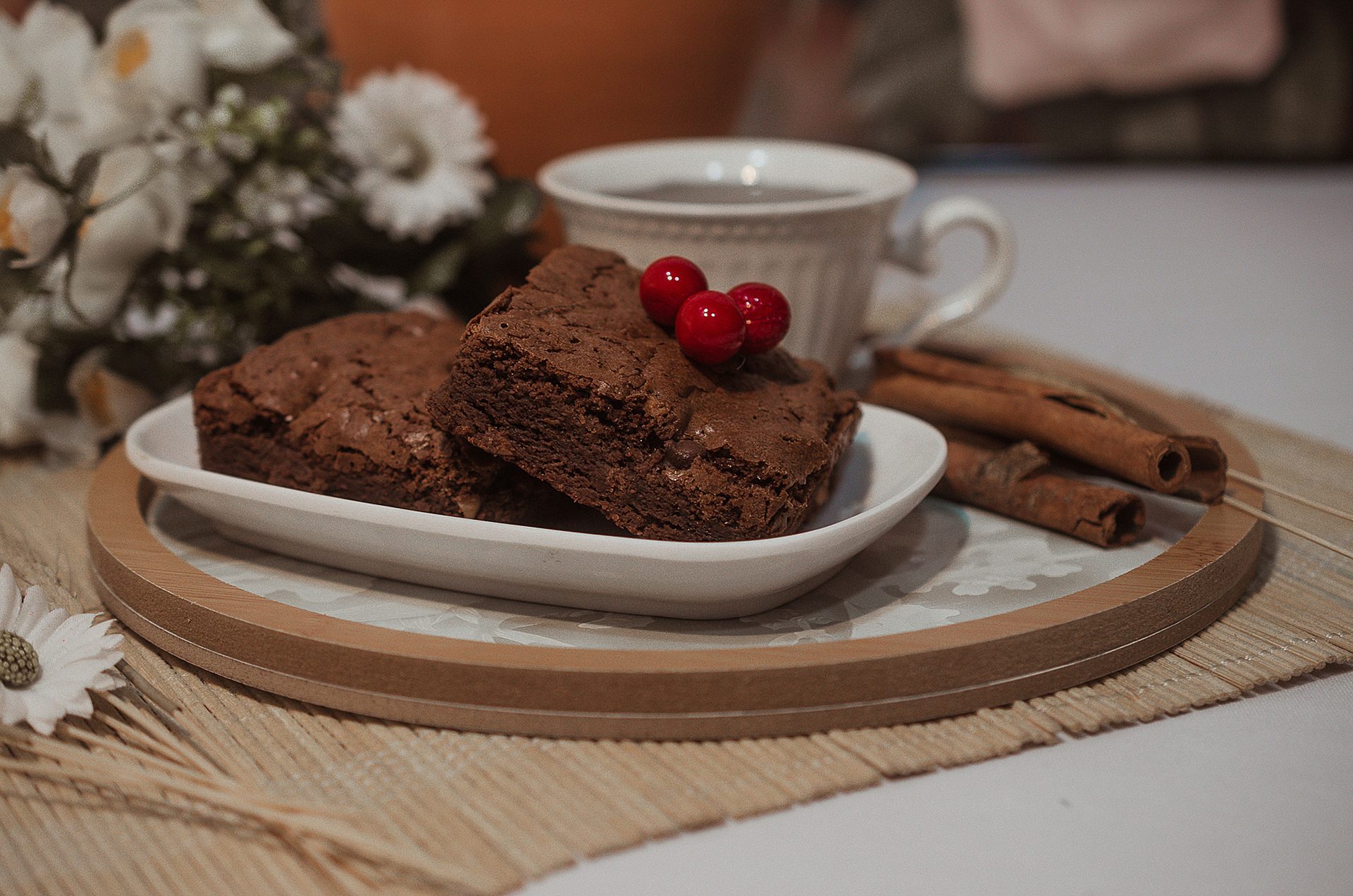
Whether you baked a double batch for a holiday party or simply have more brownies than you can eat in a few days, the freezer is your best friend. Brownies are one of the most freezer-friendly baked goods you can make, and with the right technique, they come out tasting almost exactly as they did the day you made them.
This guide walks you through everything you need to know about freezing brownies — from wrapping methods and storage timelines to thawing tips and the best ways to use them after they come out of the freezer. Whether you made a classic fudgy batch from scratch or used a boxed mix, the same rules apply.
Can You Freeze Brownies?
Brownies can be frozen for three months and returned to their original fresh-from-the-oven state without an issue. That applies whether you baked them from scratch, used a boxed mix, or picked them up from a bakery.
Just about every type of brownie — whether it’s homemade or from a boxed mix — is ideal for freezing. The key is how you wrap and store them before they go in the freezer.
When it comes to freezing brownies with mix-ins, it’s perfectly okay to go nuts. Brownies studded with pieces of candy, shredded coconut, swirls of caramel, mini marshmallows, or toasted nuts can be frozen without incident and will continue to be absolutely delicious once they’ve been properly thawed.
A few varieties need extra attention. Brownies containing cream cheese may not fare as well, as the cream cheese can cause sweating during the thawing process, resulting in additional moisture in the final product. Keep this in mind when freezing brownies that include cream cheese. Similarly, if your baked goods contain fresh fruits such as berries, these might release extra liquid during thawing, and you could end up with soggy brownies or brownies with wet centers.
Does Freezing Change the Texture or Taste of Brownies?
Freezing does affect brownies at a molecular level, but the impact is minimal when you store them correctly. When brownies are frozen, the water molecules inside form ice crystals, which can cause the brownies to become dry and crumbly. The freezing process can also cause the brownies to lose some of their flavor and aroma compounds, which can affect their overall taste and freshness.
However, if frozen brownies are stored and thawed properly, they can retain much of their original texture and flavor. The type of brownie also matters. Fudgy brownies, which are richer and denser, tend to freeze and thaw beautifully with minimal change in texture. Cakey brownies have more air in the crumb, so they’re a little more sensitive to drying out.
Fudgy brownies freeze particularly well because of their higher fat content and denser crumb. If you’re making a batch specifically to freeze, a fudgy recipe will give you the best results after thawing.
Pro Tip: Freeze brownies within three to four days of baking for the best quality. The fresher they go in, the fresher they come out.
Toppings and fillings also respond differently to the freezer. Sugar glazes, ganache, and chocolate drizzles tend to freeze and thaw better than whipped cream, fresh fruit, or soft cream cheese toppings. If you’re planning ahead, it’s smarter to freeze plain brownies and add delicate toppings after thawing.
How to Freeze Brownies the Right Way
The main enemy of a great brownie is air. Exposure to air is what leads to moisture loss and that dreaded stale, crumbly texture. Freezing, when done right, halts this process completely. You have two solid options: freeze the whole slab or freeze individual squares. Each has its advantages.
Method 1: Freeze the Whole Slab
Freezing brownies as an uncut slab is the best method for protecting them from freezer burn and oxidation. Since air can only creep into the brownies from the edges of the slab, the center is totally protected from drying out or slight color changes.
- Cool completely. Let brownies cool completely within two hours of baking before freezing to prevent microbial growth.
- Lift from the pan. Use the parchment paper overhang to lift the whole slab out of the baking pan.
- Wrap tightly. Wrap the whole sheet of brownies tightly with plastic wrap, then wrap again with foil.
- Bag it. For best results, slip the slab into a zip-top freezer bag.
- Label it. Label the brownies with the date of freezing. A use-by date is also useful to add.
While this method keeps the brownies at their tastiest, it may not be convenient if you need individual servings immediately. The sheet of brownies will need to be completely thawed before they can be sliced and served, so this may not be the best option if you’re looking for a quick and easy dessert.
Method 2: Freeze Individual Squares
While you can freeze brownies in a whole slab, freezing them individually has many benefits, such as a quicker thawing time and the ability to grab one or two slices when you want instead of needing to defrost a whole tray.
- Slice first. Cut cooled brownies into even squares.
- First wrap. Grab some plastic wrap and tightly cover each individual brownie square. The goal is to make the plastic cling to every single surface, pushing out any trapped air pockets before you finish wrapping.
- Second layer. Wrap each piece again in aluminum foil for an extra moisture barrier.
- Container. Place them in a glass or plastic container in a single layer. Cover that layer with wax or parchment paper, pressing the paper lightly into the top of each brownie to create a better seal. Top with another layer of brownies and repeat until the container is full.
- Label and freeze. Write the type and date on the container before placing it in the freezer.
Pro Tip: Store brownies away from strong-smelling foods like onions or fish in your freezer. Baked goods absorb odors easily during the freeze-thaw cycle, which can affect their flavor.
Freezing Frosted Brownies
If you’re planning ahead, it’s best to cut and freeze your brownies before adding the frosting. This gives you cleaner results after thawing. If you’ve already frosted them, the texture and flavor of frozen frosted brownies will still be okay — just make sure to wrap them well and be prepared for the frosting to weep slightly.
For frosted brownies, place the slab of cooled and frosted brownies in the freezer first. Once the frosting is very firm, wrap it carefully in foil or plastic wrap and slip it inside a zip-top bag. This prevents the frosting from smearing during wrapping.
How Long Can You Freeze Brownies?
Storage time depends on how well you wrap them and what type of brownies you’re freezing. Here’s a quick reference:
| Brownie Type | Recommended Freezer Time | Notes |
|---|---|---|
| Plain or fudgy brownies | Up to 3 months | Best quality window for most home freezers |
| Brownies with nuts, caramel, or chocolate chips | Up to 3 months | Mix-ins generally freeze without issue |
| Frosted brownies | Up to 6 weeks | Frosting may weep slightly on thawing |
| Cream cheese or fruit-filled brownies | Up to 1 month | Expect texture changes; consume quickly after thawing |
| Brownie batter (unbaked) | Up to 18 months | Thaw in fridge, then bake as normal |
For the best possible taste and that perfect fudgy texture, you’ll want to eat your frozen brownies within three months. Sure, they’ll probably be safe to eat a little longer, but you risk them developing freezer burn or losing that deep, chocolatey flavor that makes them special.
To freeze brownie batter, simply place the prepared batter into a well-sealed, freezer-safe container and place it in the freezer for up to 18 months. This is a great option if you want fresh-baked brownies without any prep work down the line. Most brownie batters freeze so well because, as most brownie recipes do not contain leavening agents such as baking soda or baking powder that can weaken when frozen.
For more ideas on foods that store and freeze well as part of a healthy kitchen routine, see this guide to whole plant-based foods that work well for meal prep.
How to Thaw Frozen Brownies
Now comes the final, crucial step: thawing them without ruining that incredible texture. How you defrost your brownies makes all the difference between a fudgy, delicious treat and a soggy disappointment.
You have three main options depending on how much time you have:
Room Temperature (Best Method)
Just pull your wrapped brownies from the freezer and let them sit on the counter for a few hours. The trick is to leave them in their wrapping until they’ve reached room temperature. This simple step ensures any condensation forms on the outside of the wrapping, not on the brownie itself. As they thaw, the brownies reabsorb any trapped moisture, which is the secret to keeping them dense and fudgy.
Individual squares typically take 30 to 60 minutes. A whole slab can take 2 to 4 hours. Brownies thaw more evenly when placed in a sealed container at room temperature for 1–2 hours. They can get dry if you leave them out in the open while they warm up.
Microwave (Fastest Method)
If you just can’t wait for your fudgy treat, pop it into the microwave on 50% power for 15-second increments. Don’t let it get too hot — best to test a little nibble first. For a faster thawing method, place the frozen brownie into the microwave for about 10 seconds, checking to confirm it’s reached the right temperature.
Refrigerator (Overnight Method)
Thaw slowly overnight in the refrigerator if you prefer a firmer texture. This method works well if you’re planning ahead for the next day. Transfer the brownies from the freezer to the fridge the night before you need them, and they’ll be ready to serve by morning.
Pro Tip: Once thawed, plain brownies keep at room temperature in an airtight container for 3–4 days. If they contain cream cheese or dairy-based frosting, refrigerate them and eat within 2–3 days.
Can You Refreeze Brownies After Thawing?
Technically, you can refreeze brownies — but it comes at a cost. Avoid refreezing thawed brownies; each freeze-thaw round can make them noticeably drier.
Here’s what happens during a second freeze: thawing adds moisture to an otherwise low-moisture food. When frozen in a traditional home freezer, the next freeze won’t be instant like a blast freezer, thus allowing ample time for ice crystals to form, essentially “cutting” your product. Baked goods also tend to take up odors during the freeze-thaw cycle.
Safety is the bigger concern. If brownies have been left at room temperature for more than a couple of hours after thawing, refreezing them can cause them to harbor harmful bacteria. Refreezing food that has been in the “danger zone” — typically between 40°F and 140°F — for extended periods could make them unsafe to eat.
The safest approach: freeze individual portions from the start. That way, you only thaw what you need and never have to worry about refreezing the rest. Repeatedly freezing and thawing the same batch of brownies can lead to significant degradation of quality.
How to Use Frozen Brownies (Best Uses After Freezing)
Thawed brownies taste great on their own, but they also shine in a handful of creative applications. Here are the best ways to use them:
- Classic dessert plate. Once they thaw, you can serve them at room temperature or heat them in the microwave for a few seconds and serve them with vanilla ice cream.
- Brownie sundae. Warm a thawed square in the microwave for 15 seconds, then top with a scoop of ice cream, hot fudge sauce, and whipped cream.
- Brownie trifle. Cube thawed brownies and layer them with whipped cream, chocolate pudding, and crushed cookies in a glass dish for a crowd-pleasing dessert.
- Party prep. When you slice freshly baked brownies, their edges are likely to tear and crumble. When you freeze a full slab of brownies, you can more easily slice them with clean edges. This makes them ideal for neat dessert trays at gatherings.
- Straight from the freezer. Brownies straight from the freezer are pretty delightful, especially on a hot summer day. Try eating one partially thawed — the dense, cold texture is a treat in its own right.
- Crumbled brownie topping. Crumble thawed brownies over yogurt, oatmeal, or a milkshake for a quick chocolate boost.
If you’re building a dessert spread for a celebration and want to explore other crowd-pleasing food ideas, check out this roundup of food festivals in Texas for inspiration on American dessert culture, or browse food festivals around the world to see how other cultures celebrate their favorite sweets.
Signs That Frozen Brownies Have Gone Bad
Brownies are safe to eat well beyond three months if they’ve stayed frozen, but quality does decline over time. Here’s what to look for before you thaw and serve them:
| Sign | What It Means | What to Do |
|---|---|---|
| Dry, grayish, or discolored patches | Freezer burn from air exposure | Trim affected edges; the rest may still be fine |
| Thick blanket of ice crystals | Moisture loss or poor wrapping | Thaw and taste; discard if texture is unpleasant |
| Stale or dry texture after thawing | Past peak quality window | Use in a crumble or brownie trifle to mask dryness |
| Off or strange smell | Absorbed freezer odors or spoilage | Discard immediately |
| Visible mold | Moisture got in before or during freezing | Discard the entire batch |
Your eyes and nose are the best tools here. The most obvious sign is significant freezer burn, which looks like dry, grayish, or discolored patches across the brownie’s surface. A thick blanket of ice crystals is another bad sign.
Once thawed, a brownie that’s past its prime will taste stale or have a tough, unpleasantly dry texture. And if you notice any strange or off smells, don’t even think about it — just toss them.
One easy prevention step: place the wrapped brownies in a freezer-safe container or bag, ensuring they are fully sealed, and label the brownies with the date of freezing. Knowing exactly when they went in makes it easy to stay within the quality window and avoid any guesswork.
Keeping a well-stocked freezer with quality food is a smart habit overall. If you’re interested in how specific foods support your health, explore this guide to superfoods for a healthy heart or learn about powerful nutrients and foods that fight cancer for a broader look at food and wellness.
Frequently Asked Questions
Can You Freeze Store-Bought Brownies?
Whether you bought brownies from a bakery or made them yourself, freezing them helps them stay fresh longer. The same wrapping rules apply — double-wrap in plastic and foil, then seal in an airtight container or freezer bag.
Can You Freeze Brownie Batter?
Yes. You can freeze brownie batter to bake later. The batter freezes perfectly because most brownie recipes do not contain leavening agents such as baking soda or baking powder that can weaken when frozen. Store it in a sealed, freezer-safe container for up to 18 months, then thaw overnight in the refrigerator before baking.
Do Brownies with Walnuts Freeze Well?
You can safely freeze brownies with nuts like walnut brownies or those with dried fruit, candy pieces, coconut flakes, and other similar mix-ins without changing taste or texture. Nuts hold up well in the freezer and don’t require any special handling beyond the standard double-wrap method.
How Do You Keep Thawed Brownies from Getting Soggy?
The key is to keep the wrapping on during thawing. Leave them in their wrapping until they’ve reached room temperature. Seriously, don’t touch the plastic wrap. This simple step ensures any condensation forms on the outside of the wrapping, not on the brownie itself.
Can You Freeze Brownies in a Zip-Lock Bag?
Yes, but only as the outermost layer. A zip-lock bag alone doesn’t provide enough protection against freezer burn. Always wrap brownies in plastic wrap first, then foil, before placing them in a freezer-safe bag , as recommended by Bob’s Red Mill. This double barrier keeps air out and moisture in.
How Long Do Brownies Last at Room Temperature After Thawing?
Brownies generally last three to four days at room temperature in an airtight container. If they contain cream cheese, dairy frosting, or fresh fruit, brownies with cream cheese should be refrigerated and consumed within 2–3 days to minimize the risk of spoilage or foodborne illness.
Is It Better to Freeze Brownies Cut or Uncut?
Both work, and the right choice depends on how you plan to use them. If you know that you’ll be freezing brownies ahead of time, leaving them uncut is recommended. Freezing an entire pan is the best way to protect them from freezer burn and oxidation. While air may creep into the pan and affect the edges over time, the center will be fully protected from drying out. If you want grab-and-go convenience, pre-slicing individual squares before freezing is the smarter move.