Can You Freeze Cabbage Soup? Storage Tips That Actually Work

November 5, 2026
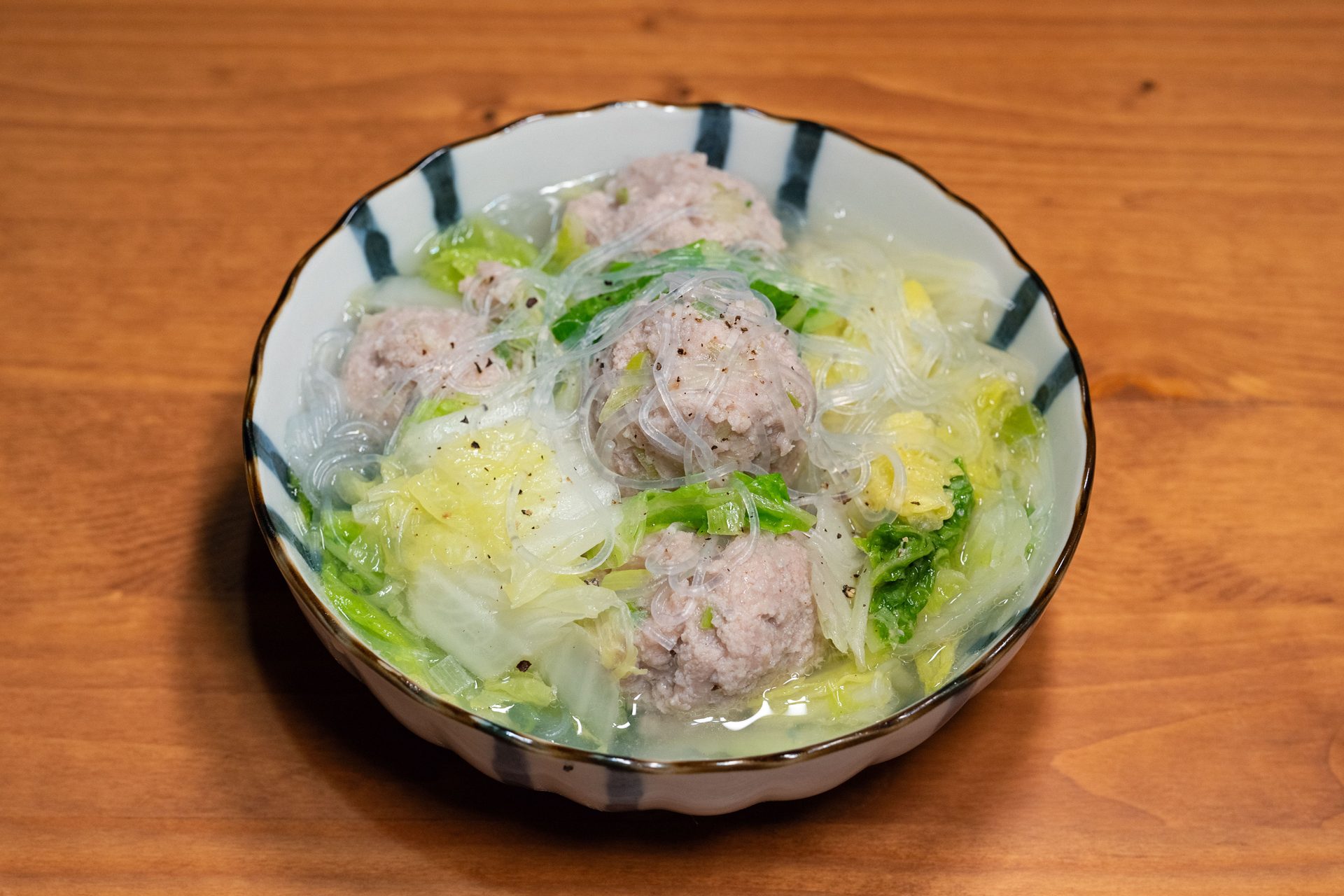
Cabbage soup is one of the most freezer-friendly meals you can make. Whether you batch-cooked a big pot for the week or have leftovers you want to save, the freezer is your best friend — and the good news is that cabbage soup holds up remarkably well once frozen and thawed.
This guide covers everything you need to know: how freezing affects the taste and texture, the right way to pack and store it, how long it lasts, safe thawing methods, and what to watch for when something has gone wrong. If you already have a go-to recipe, like this cabbage soup diet recipe, these storage tips will help you get the most out of every batch.
Can You Freeze Cabbage Soup?
Yes — cabbage soup freezes exceptionally well. You can freeze cabbage soup for up to 6 months, and it is one of those meals that will taste almost exactly the same fresh as it will when it has been frozen and then thawed. That puts it in a very different category from soups that contain cream or starch-heavy ingredients, which tend to separate or turn grainy in the freezer.
You can freeze cabbage soup before cooking it or after. For most home cooks, freezing after cooking is the simpler and more reliable approach. It ensures flavors are fully developed and reduces risks of undercooking when reheating.
One thing to keep in mind if your recipe includes potatoes: potatoes can become grainy or mushy after freezing and thawing due to water crystal formation. If your soup contains potatoes, consider adding them fresh when reheating instead. The same applies to dairy — avoid adding pasta or dairy before freezing to preserve the best possible texture.
Pro Tip: If you plan to freeze your cabbage soup, cook the cabbage slightly al dente. If you are cooking the cabbage soup for the purpose of freezing, it is best to leave the cabbage and the other vegetables slightly al dente. This prevents them from turning overly soft after reheating.
Does Freezing Change the Texture or Taste of Cabbage Soup?
Freezing can slightly affect the texture of cabbage soup, making it a bit softer. The taste may also change slightly, but it should still be flavorful. For most people, these changes are barely noticeable — especially in a broth-based soup where tender cabbage is expected.
Here is what happens on a physical level: freezing does soften cabbage’s texture due to water expansion in cells, but this change is rarely an issue in reheated soups where tenderness is expected. In other words, the softening that worries people is actually a non-issue in a hot bowl of soup.
There is even an upside to freezing. Many people find that cabbage soup actually tastes better after it has been frozen and reheated. Similar to chili or stew, the extra time allows the flavors of the garlic, onions, spices, and broth to meld together more deeply, resulting in a more complex and satisfying flavor profile.
The one area where freezing can cause a noticeable dip in quality is with delicate herbs. The soup may lose some of its original flavors, particularly if it contains delicate ingredients like herbs that can diminish over time. A simple fix: add fresh herbs after reheating rather than before freezing. Cabbage is naturally rich in vitamin C, and while vitamin C can degrade during the freezing process, the overall nutritional profile of the soup remains solid — making it a smart choice for heart-healthy eating and whole plant-based meal planning.
How to Freeze Cabbage Soup the Right Way
Good freezing technique makes the difference between soup that tastes fresh after two months and soup that disappoints. Follow these steps every time:
- Cool it completely first. After you have finished cooking the soup, allow some time for it to cool down, as you want the soup to be at room temperature when you transfer it into cold storage. However, in the interest of food safety, do not allow soup to linger at room temperature for over two hours. To speed up cooling, place the pot in a sink filled with cold water and ice.
- Portion before you pack. Once the cabbage soup is sufficiently cooled, place it into a bag or container that will hold up in the freezer. It is best to portion out the soup into serving sizes before freezing for convenience.
- Choose the right container. Use freezer-safe plastic containers or heavy-duty zip-top freezer bags. Ladle your soup into ziplock bags or freezer bags, making sure to leave enough space at the top for the soup to expand as it freezes.
- Remove as much air as possible. If you use a freezer bag, be sure to eliminate as much air as possible. This will preserve the quality of the soup while it is frozen.
- Label every container. Write on the bag what is inside and the date of freezing for future reference. Frozen cabbage soup looks like many other soups once solid, so clear labeling saves confusion later.
- Lay bags flat. Lay the bags flat in the freezer to save space and keep them frozen until needed.
Key Insight: Freezers should be set at 0 degrees Fahrenheit to ensure that frozen foods, including cabbage soup, remain safe for consumption and do not thaw prematurely. A freezer that runs warmer than this will shorten your soup’s usable life significantly.
How Long Can You Freeze Cabbage Soup?
Properly stored, frozen cabbage soup maintains best quality for 3 to 6 months. It remains safe indefinitely at 0°F, but flavor and texture gradually decline over time. For practical purposes, aim to use it within three months for the best eating experience.
While frozen cabbage soup can be stored for up to three months, it is best to consume it within one to two months for optimal taste and texture. Beyond that window, the soup is still safe to eat if stored correctly — it just may not taste as vibrant as it did when you first made it.
| Storage Method | How Long It Lasts | Quality Notes |
|---|---|---|
| Refrigerator | 3–4 days | Best flavor; no texture loss |
| Freezer (optimal window) | 1–3 months | Excellent flavor and texture |
| Freezer (extended) | Up to 6 months | Safe but gradual quality decline |
| After thawing (fridge) | Up to 4 days | Use promptly; do not refreeze |
Once thawed, cabbage soup will last for a further 4 days in the fridge, so you do not have to use it all up on the day of thawing.
How to Thaw Frozen Cabbage Soup
Knowing how to properly thaw and reheat cabbage soup is almost as important as knowing how to freeze it. If done incorrectly, you could ruin both the taste and texture of the cabbage soup during the thawing and reheating process. There are three reliable methods to choose from:
- Refrigerator overnight (best method): The best method to thaw frozen cabbage soup is to move it from the freezer to the refrigerator the night before you plan to consume it. This slow thawing process helps maintain the soup’s texture. It also keeps the soup out of the temperature danger zone the entire time.
- Cold water bath (faster): If you are in a rush, you can place the frozen bag in a bowl of warm water or use the defrost setting on your microwave. Change the water every 30 minutes to keep it cold enough for safe thawing.
- Stovetop directly from frozen: You can also reheat frozen soup directly on the stove over medium heat. Stir occasionally to promote even heating. This works well for broth-based cabbage soup and is the quickest hands-on method.
Once the soup is heated through, frozen cabbage soup should be reheated to an internal temperature of at least 165°F (74°C) to ensure that any potential bacteria are killed. A quick-read thermometer makes this easy to verify. After reheating, if the soup looks a bit thick, feel free to add a splash of water or vegetable broth to bring it back to your preferred consistency. A pinch of salt or a squeeze of fresh lemon juice can “wake up” the flavors after their time in the freezer.
Can You Refreeze Cabbage Soup After Thawing?
This is one area where you want to be careful. It is not advised to refreeze cabbage soup, as the soup could start to become grainy and the structure of the vegetables within the soup could deteriorate into mush. Beyond texture problems, there is a food safety concern as well: it is not recommended to refreeze cabbage soup once thawed, especially if reheated. Repeated temperature changes increase the risk of bacterial growth and degrade texture.
The easiest way to avoid this situation entirely is to freeze your soup in single-serving portions from the start. Freezing the soup in individual portions will prevent you from needing to refreeze anything, and if you do not manage to get through one portion, you can still keep it in the fridge for a further few days. Quart-sized freezer bags or 2-cup freezer containers work well for this.
Important Note: If you thawed your soup in the refrigerator and never reheated it, it is technically safe to refreeze within the 4-day window — but expect a noticeable drop in texture quality. When in doubt, refrigerate and use it within a few days instead.
How to Use Frozen Cabbage Soup (Best Uses After Freezing)
Thawed cabbage soup is versatile and holds up well across a range of uses. Here are the best ways to put it to work:
- Straight as a meal: Reheat and serve as-is with crusty bread or crackers. The broth deepens in flavor after freezing, so it often tastes even better than the day you made it.
- As a cooking liquid: Use thawed cabbage soup as a base for cooking grains like farro, barley, or rice. The broth infuses the grains with flavor as they absorb it.
- Extended with more vegetables: Add a handful of fresh or frozen vegetables — spinach, zucchini, or green beans — when reheating to stretch the soup further and add variety.
- With added protein: Stir in cooked shredded chicken, white beans, or sliced kielbasa when reheating to turn the soup into a more filling main dish.
- As a stew base: If the soup has thickened after freezing, lean into it. Add less liquid and serve it over mashed potatoes or polenta for a hearty stew-style meal.
When reheating your soup, consider adding fresh herbs or a splash of vinegar to revive the flavors. A little apple cider vinegar or lemon juice goes a long way in brightening a soup that has been sitting in the freezer. Cabbage is also a nutrient-dense vegetable associated with a range of health benefits — learn more about powerful nutrients found in foods like cabbage and how they support overall wellness. For more on eating for specific health goals, see this overview of fibroid healing foods and foods that support liver function.
Signs That Frozen Cabbage Soup Has Gone Bad
Frozen food does not last forever, and cabbage soup is no exception. Before reheating, take a moment to check for these warning signs:
- Off or sour smell: Fresh cabbage soup has a savory, vegetable aroma. If the thawed soup smells sour, rancid, or otherwise “off,” discard it.
- Slimy texture: Mushy, soggy cabbage may have spoiled during storage. A slight softening is normal; sliminess is not.
- Visible discoloration: A color change — such as dark green leaves turning brown — is a sign of quality loss. Some fading is normal, but significant browning or graying indicates the soup is past its prime.
- Freezer burn patches: The flavor and texture will gradually start to decline after the 90-day mark. Freezer burn is the main enemy here, so ensure your seals are airtight. Heavily freezer-burned soup is safe to eat but will taste flat and dry.
- Mold or unusual growth: Any visible mold — even a small spot — means the soup should be thrown out entirely. Always check for any signs of spoilage before consuming, such as off smells, slimy texture, or mold growth.
Better safe than sorry: discard if anything seems wrong during thawing. When cabbage soup is stored correctly in airtight containers at 0°F, spoilage before the 3-month mark is rare — but it pays to do a quick check every time.
Frequently Asked Questions
Can you freeze cabbage soup with meat in it?
Yes, you can freeze cabbage soup with meat in it. Just ensure the meat is fully cooked before freezing. Beef, chicken, and sausage all freeze well in a broth-based soup.
Can you freeze cabbage soup before cooking it?
You can freeze cabbage soup before cooking it or after. If freezing raw, chop the vegetables, combine them in a freezer bag with the broth and seasonings, remove the air, and freeze flat. Cook directly from frozen or thaw in the fridge overnight before cooking.
Does cabbage soup freeze better than other soups?
Like most soups, cabbage soup freezes well and lasts a long time. It actually outperforms cream-based or starchy soups, which tend to separate or turn grainy. Broth-based cabbage soup is one of the more reliable soups to freeze.
How do you prevent freezer burn on cabbage soup?
The two main causes of freezer burn are air exposure and temperature fluctuations. Use airtight containers or heavy-duty freezer bags, remove as much air as possible before sealing, and keep your freezer set at 0°F. Use airtight freezer bags or containers to prevent freezer burn caused by air exposure.
Can you freeze the cabbage soup diet soup?
Yes. The classic cabbage soup diet recipe is broth-based and vegetable-heavy, which makes it ideal for freezing. Portion it into single-day servings before freezing so you can pull out exactly what you need each day without thawing the entire batch.
What containers work best for freezing cabbage soup?
Whilst ziplock bags are best in order to save space as they can be laid flat, you can also use freezer-safe containers. This is particularly good if you are planning on using it as part of a packed lunch. Glass containers labeled as freezer-safe also work, but leave extra headspace since liquids expand when frozen.