Can You Freeze Full Fat Milk? What to Expect and How to Do It Right

November 5, 2026
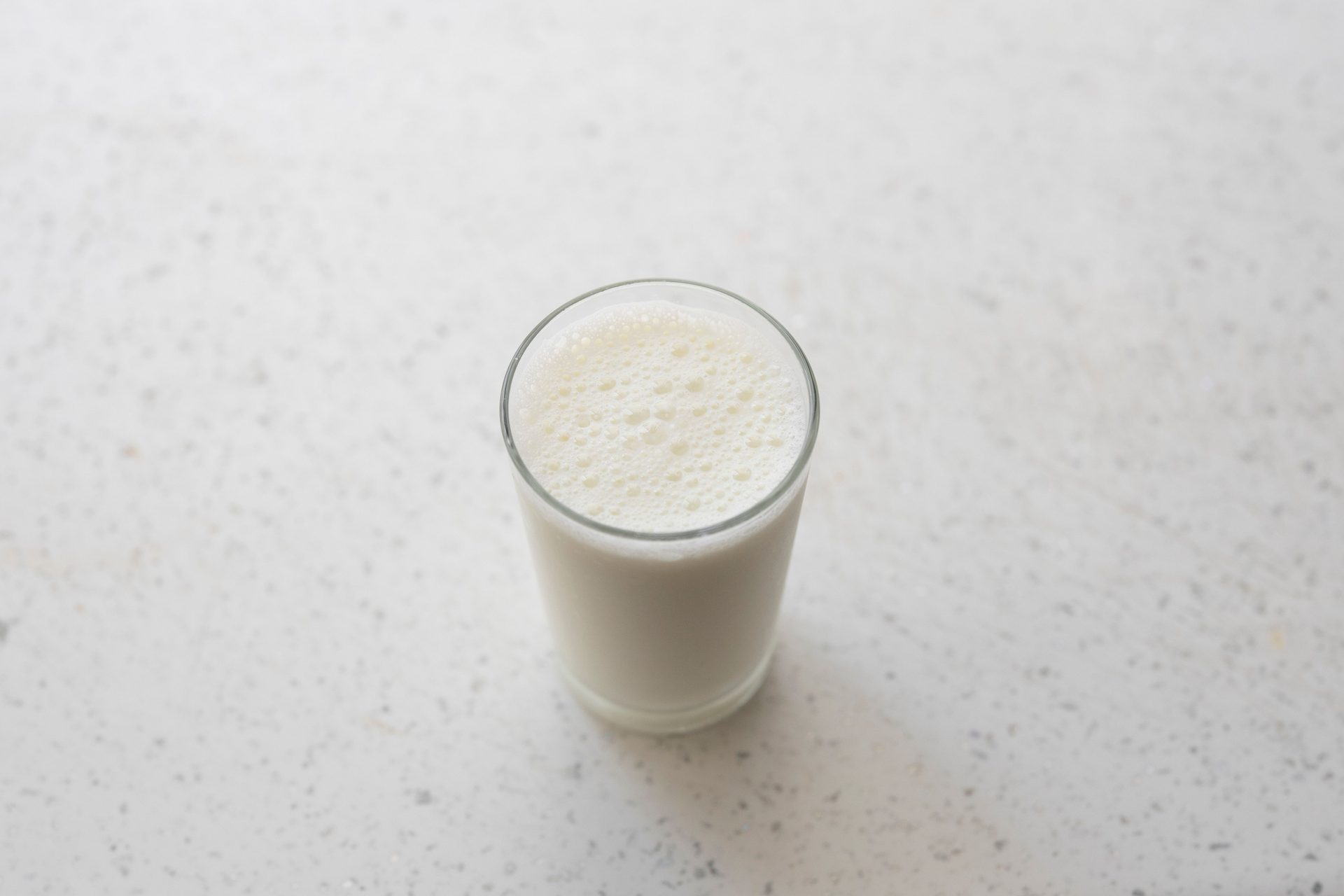
Full fat milk is one of those staples that seems to disappear fast some weeks and pile up the next. Whether you bought an extra gallon on sale, need to leave town, or simply can’t finish a carton before it turns, the freezer offers a practical solution. The good news: yes, you can absolutely freeze full fat milk.
That said, whole milk behaves a little differently in the freezer than lower-fat varieties. Before you toss that jug in and forget about it, it helps to know what to expect — from how the texture shifts to the best ways to use it once it’s thawed. This guide walks you through everything, step by step.
Can You Freeze Full Fat Milk?
Most milk can be frozen. However, milk should be transferred to an airtight, freezer-safe container prior to freezing. Full fat (whole) milk is no exception. Storing milk in the freezer prevents bacteria from growing while the milk is frozen, according to Nicole Martin, PhD, assistant research professor in dairy foods microbiology at Cornell University — making it a reliable way to extend shelf life and cut down on food waste.
If you have more milk than you can consume before its “best used by” date, freezing milk can come in clutch. This is especially useful for American households that buy milk in large gallon jugs, since finishing a full gallon before it spoils can be a challenge for smaller families.
One thing to keep in mind: freeze milk as soon as possible after purchasing, and definitely before its “use by” date. If it’s about to expire, freezing won’t “reset” it — you’ll still only have a few days after thawing. Freeze it while it’s fresh for the best results.
Pro Tip: If you regularly buy milk in bulk at warehouse stores like Costco or Sam’s Club, consider portioning it into smaller freezer-safe containers right away so you always have a manageable amount on hand.
Does Freezing Change the Texture or Taste of Full Fat Milk?
This is where full fat milk gets a little tricky. The milk you buy from the store undergoes a process called homogenization, where the fat globules in milk are broken down into much smaller globules and mixed well with the rest of the milk to ensure its smooth and never-lumpy texture. Freezing disrupts that process.
When milk is frozen, the water molecules inside form ice crystals, which can cause the fat molecules to clump together and separate from the rest of the liquid. This separation can result in a slightly grainy or watery texture and a less rich, creamy flavor. The taste alteration is generally more noticeable in whole milk than in skim milk or low-fat milk, because whole milk contains more fat molecules, which are more prone to separation and clumping during the freezing process.
Milk becomes grainy and sometimes yellowish once thawed. That yellow tint isn’t a sign that something went wrong — it comes from fat separating from the water and from riboflavin (vitamin B2), which has a natural yellow color. Both are normal.
On the nutrition side, the nutritional value of milk remains largely intact after freezing. While some vitamins, particularly water-soluble vitamins like vitamin C, may experience a slight decrease, the core nutrients like calcium, protein, and vitamins A and D are generally well-preserved. For a deeper look at how dairy and other foods support your body, see this guide on superfoods for a healthy heart.
The bottom line: these changes aren’t harmful. Frozen milk is perfectly safe to drink and use for cooking, baking, and preparing drinks. Most people find that thawed whole milk works better as a cooking ingredient than as a straight glass of milk — and that’s perfectly fine.
How to Freeze Full Fat Milk the Right Way
Freezing full fat milk correctly makes a real difference in the quality you get back when you thaw it. Follow these steps to avoid common mistakes.
- Choose the right container. Milk can be frozen in the original container as long as it’s not glass, says Nicole Martin, PhD, of Cornell University. The best container to freeze milk in is an airtight, freezer-safe plastic container. Liquids like milk expand when frozen, so this could break glass bottles.
- Leave headspace. Leave 1 to 1½ inches of headspace in the container. Liquid expands when it’s frozen, and having too much milk in the container can cause it to crack.
- Freeze in smaller portions. Large containers like gallons will take a long time to freeze — and thaw — so freezing smaller containers (e.g., half-gallons) is preferable. For even more flexibility, use ice cube trays — pour milk into clean ice cube trays and freeze them, then transfer the cubes to heavy-duty resealable plastic bags or freezer containers. Two cubes in the average ice cube tray equals about ¼ cup of milk.
- Label and date everything. Label and date the milk so you know how long it has been in the freezer. Use a permanent marker directly on the bag or container.
- Store away from strong odors. Milk is highly susceptible to picking up odors from other foods in the freezer, which can change the milk’s flavor once thawed. An airtight container will help keep out unwanted smells. Keep it away from fish, raw meat, and other strongly flavored items.
- Place it at the back of the freezer. Store milk at the back of the freezer — not the door, where temperatures fluctuate — and keep your freezer at or below 0°F.
Pro Tip: Smaller portions freeze faster, which means smaller ice crystals form and less structural damage occurs. Portioned milk came out smoother after thawing than milk frozen in a full container — so when in doubt, go smaller.
How Long Can You Freeze Full Fat Milk?
You can safely store frozen milk in your freezer for up to 6 months, but it’s best if you can use it within 1 month of freezing. The three-month window is a quality guideline, not a safety cutoff: milk kept frozen solid the whole time remains safe to use, it just may not taste as fresh.
According to U.S. Dairy , milk takes three to four hours to freeze in small containers and up to overnight in larger ones, depending on freezer temperature and volume. Once thawed, the clock starts again — frozen milk should be consumed within two to three days of thawing.
| Storage Condition | Recommended Timeframe | Notes |
|---|---|---|
| Frozen (best quality) | 1–3 months | Minimal texture and flavor change |
| Frozen (safe limit) | Up to 6 months | Quality declines; use in cooking only |
| Refrigerated after thawing | 2–3 days | Use promptly; treat like fresh opened milk |
If you want to retain all of its nutritional value, thaw and consume after the milk has been in the freezer for six weeks, according to registered dietitian Beth Czerwony of the Cleveland Clinic, as reported by TODAY .
How to Thaw Frozen Full Fat Milk
Thawing full fat milk safely is just as important as freezing it correctly. Thawing frozen milk isn’t the same as thawing frozen water. Milk is a perishable product that can spoil if left out too long, so be intentional about how you thaw it.
Here are your three main options:
- Refrigerator (best method): The best way to thaw frozen milk is slowly, in the refrigerator. Move it from the freezer to the fridge and let it thaw over several hours or overnight. A half-gallon can take a full day or more, so plan ahead.
- Cold water bath (faster): For faster thawing, set the sealed container in a bowl of cold water and change the water every 30 minutes. You can also submerge your frozen milk in a bowl of cold water placed in the fridge — it will take about an hour to defrost. Just make sure to change the water after 30 minutes or so.
- Microwave (quickest, use with caution): The fastest option is to microwave frozen milk. Transfer the frozen milk to a microwave-safe container and microwave in 15-second intervals. Once the milk has thawed, it should be cooked immediately.
Whatever method you choose, never thaw milk on the kitchen counter. Since bacteria multiplies between 40–140°F, defrosting frozen milk on the counter puts the milk in a bacteria “danger zone” which can make it unsafe to ingest, according to the USDA.
Once thawed, shake or whisk thoroughly to re-blend any separated fat. If the texture is still grainy after shaking, you can blend it to help remedy any graininess or fat separation that occurred during freezing. You might also find helpful food safety tips in this article on handling food carefully after dental procedures, which covers similar principles of food safety at home.
Can You Refreeze Full Fat Milk After Thawing?
This is a question many people ask — and the short answer is no. It’s not recommended to refreeze milk after it thaws. Refreezing degrades texture further and increases food-safety risk because milk may sit too long in unsafe temperatures during repeated thawing. Thaw only what you plan to use within a few days.
Refreezing makes the texture worse and raises food safety risk. Small portions solve this — only thaw what you need. This is exactly why the ice cube tray method is so popular: you pull out only as many cubes as a recipe calls for, and the rest stays safely frozen.
Important Note: Freezing does not kill bacteria already present in milk — it only pauses their growth. Freezing will inhibit the growth of harmful microorganisms, but once the milk thaws, any bacteria present before freezing can resume multiplying. Always start with fresh milk and thaw it safely in the refrigerator.
How to Use Frozen Full Fat Milk (Best Uses After Freezing)
Frozen and defrosted milk is best suited for cooking, baking, or making smoothies. Because the texture of thawed whole milk changes, most people prefer not to drink it straight — but it performs well in a wide range of recipes. Here are the best ways to put it to use:
- Baking: Thawed whole milk works perfectly in pancakes, muffins, quick breads, biscuits, and cakes. The texture change is completely undetectable once baked into a batter.
- Savory cooking: Use it in mac and cheese, cream sauces, soups, mashed potatoes, scrambled eggs, and casseroles. If you are planning to cook with frozen milk, you can defrost it directly in the pot or pan as you are cooking.
- Smoothies: If you plan to use any of these milks to make smoothies, you can freeze them in ice cube trays. This makes it easy to simply pop one frozen cube of your preferred milk into the blender with your other smoothie ingredients.
- Coffee and hot drinks: Each cube is roughly 1 ounce, perfect for coffee, smoothies, or measuring small amounts into recipes.
- Oatmeal and cereal: Thawed milk works well heated over oatmeal or poured over cold cereal, where any slight texture difference goes unnoticed.
For inspiration on how dairy fits into a nutritious diet, check out this resource on whole plant-based foods or explore ideas from our guide on foods for healthy skin, many of which pair well with dairy-based recipes.
Key Insight: Using frozen milk to make cheese or yogurt is generally not recommended. The altered texture and emulsion can affect the final product’s consistency and flavor, and the results may be inconsistent or less desirable compared to using fresh milk. Stick to cooking and baking for the best outcome.
Signs That Frozen Full Fat Milk Has Gone Bad
Even in the freezer, milk can go bad — especially if it was already close to its expiration date when frozen, or if it’s been stored too long. Here’s what to watch for before using thawed milk:
- Sour or off smell: If thawed milk smells sour or off, throw it out, just as you would any milk. Trust your nose — it’s the most reliable indicator.
- Unusual color beyond light yellow: A faint yellow tint after thawing is normal due to fat concentration and riboflavin. However, a deep yellow, gray, or brown color is a red flag.
- Lumpy texture that won’t blend out: Some graininess after thawing is expected and can be fixed with a good shake or blend. But if the milk remains chunky or curdled even after vigorous mixing, discard it.
- Freezer burn: After the first month, milk will begin to separate and turn grainy. You also don’t want to risk freezer burn. Freezer-burned milk will have a stale, flat flavor and dry patches on the surface of the frozen block.
- Absorbed odors: Frozen milk can absorb odors from other foods in the freezer the longer it’s in there. If the milk smells like fish, onion, or other strong foods even after thawing, it’s best to discard it rather than use it in recipes.
- Sour taste: If the milk passes the smell test but tastes sour or sharp after thawing, do not use it. Spoiled milk can cause foodborne illness regardless of whether it was previously frozen.
For more on how food choices affect your overall health, you may find value in reading about powerful nutrients and foods that fight cancer or exploring how certain foods can help enhance your liver function.
Frequently Asked Questions
Does freezing full fat milk destroy its nutrients?
The nutritional value of milk remains largely intact after freezing. While some water-soluble vitamins like vitamin C may experience a slight decrease, the core nutrients like calcium, protein, and vitamins A and D are generally well-preserved. The perceived change in taste is primarily a sensory issue, not a significant reduction in nutritional benefit.
Can you freeze milk in the original carton?
It is highly recommended to avoid freezing milk in glass bottles because they crack once frozen. You cannot use carton boxes to freeze milk because they expand and burst in the freezer. You may freeze milk in a plastic gallon bottle, but it is recommended to divide it into two or three freezer-safe plastic containers to make thawing simpler.
Why does thawed whole milk look yellow?
The yellowish tint in frozen milk is often due to the concentration of fat. As the water freezes and separates, the fat becomes more concentrated, which can give the milk a yellow hue. This is more common in whole milk. It’s completely normal and harmless.
How long does thawed milk last in the fridge?
Use thawed milk within 3 to 7 days and don’t refreeze it. Treat it the same way you would a freshly opened carton of milk — keep it cold and use it promptly.
Is it safe to drink thawed full fat milk straight?
Yes. Milk that stayed frozen solid and was thawed in the refrigerator is safe to drink. The only change is texture — give it a good shake first. That said, many people prefer to use thawed whole milk in cooking or baking rather than drinking it plain, simply because the mouthfeel isn’t quite the same as fresh milk.
Does full fat milk freeze better or worse than skim milk?
The higher the fat content, the more you’re likely to notice separation. Because of their lower fat content, low-fat and skim milk tend to freeze a little better than whole milk. However, in real-world testing, whole milk held up noticeably well — higher fat content means less separation and an easier whisk-back afterward compared to lower-fat varieties. For most cooking and baking purposes, frozen whole milk performs just fine once blended back together. You can also explore how dairy compares to other food groups in this overview of the pros and cons of eating seafood.