Can You Freeze Live Crickets? Everything You Need to Know

November 4, 2026
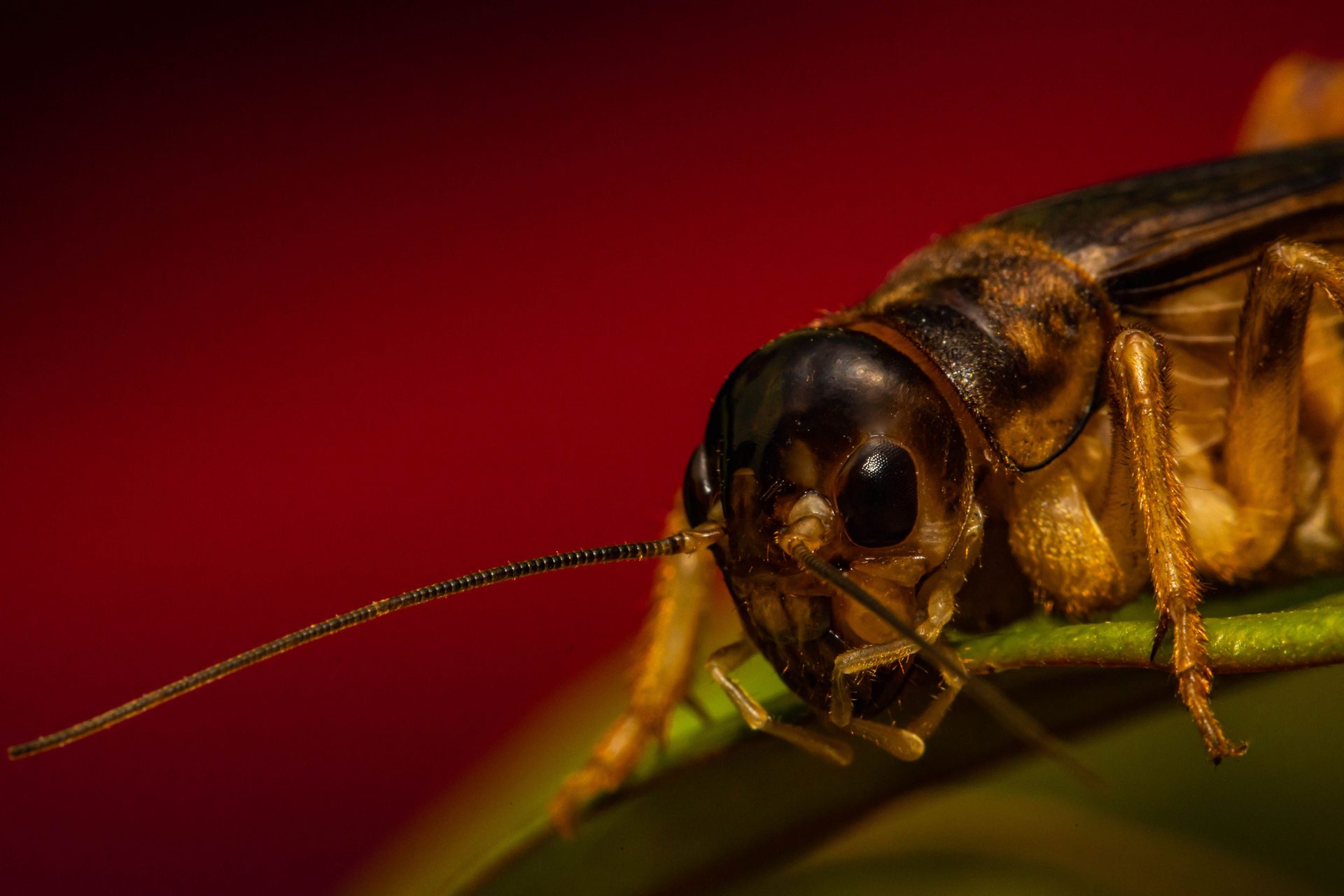
If you keep reptiles, birds, or other insect-eating pets, you already know the frustration: you order a bulk batch of crickets, and before you can use them all, half the colony dies off. Freezing live crickets is a practical solution that more pet owners and even edible-insect enthusiasts are turning to — and it works better than most people expect.
The short answer is yes, you can absolutely freeze live crickets. The process kills them humanely, stops spoilage in its tracks, and lets you store a large supply without the noise, smell, or daily upkeep of a live colony. This guide walks you through every step, from prep to thawing to knowing when frozen crickets have gone bad.
Can You Freeze Live Crickets?
Yes — freezing live crickets is a well-established practice among reptile keepers, bird enthusiasts, and those who use crickets as fishing bait. Crickets are “freeze-avoiding” insects and are negatively affected by cold environments, which means exposure to freezer temperatures kills them quickly and reliably. That’s actually the point.
The house cricket (Acheta domesticus) is the species most commonly sold in the United States as feeder insects. It belongs to the insect Order Orthoptera, a Latin-derived term meaning “straight wing,” and was originally native to Southwest Asia before dispersing globally into temperate regions. Once frozen, these crickets can be stored and used just like any other frozen animal protein.
Freezing crickets ensures they won’t be harmed by any bacteria or parasites that could be present in the original environment. It also eliminates the need to maintain a live colony, which requires daily feeding, hydration, and temperature management. For anyone buying crickets in bulk, freezing is one of the most cost-effective storage methods available.
Pro Tip: Gut-load your crickets with nutritious leafy greens, carrots, or a commercial gut-load formula for at least 24 hours before freezing. You cannot gut-load a dead cricket, so doing it beforehand ensures the frozen insects pass maximum nutrition to whatever animal eats them.
Does Freezing Change the Texture or Taste of Live Crickets?
Freezing does affect both texture and flavor to some degree, and it’s worth understanding what to expect. The main quality attribute that is likely to change during frozen storage of crickets is flavor, and there are a couple of pathways for those changes to happen.
One mechanism is freezer burn — freezer burn happens when frozen moisture in the crickets sublimates, leaving patches of dehydrated cricket. The dehydrated areas are much more susceptible to oxidation, resulting in off-flavor. Crickets have a high surface area to volume ratio, so this is definitely something that can happen.
Water can also recrystallize, affecting texture. Additionally, raw crickets have bacteria on them, as with most raw animal products. Some bacteria remain active at frozen temperatures (but much slower), and bacteria also contain enzymes that can speed up changes. There may also be enzymatic activity from cricket enzymes originating in the digestive organs, which will eventually cause unwanted changes in flavor during prolonged storage.
For pet owners, most insect-eating reptiles and birds accept thawed crickets without issue. For human consumption, the nutritional value may be influenced by the method in which crickets are processed — including drying, cooking, smoking, deep-frying, roasting, and toasting — before consumption. Proper packaging and a consistently cold freezer minimize texture and flavor changes significantly.
How to Freeze Live Crickets the Right Way
The process is straightforward, but a few preparation steps make a big difference in the quality of your frozen crickets. Rushing through the prep leads to clumped, freezer-burned insects that are harder to use later.
- Gut-load first. Feed your crickets a nutritious diet for 24 hours before freezing. Gut-loading is when crickets are fed an optimum, nutrient-dense diet, and what they eat then transfers into the predator that eats them. Good options include leafy greens, carrots, and commercial gut-load formulas.
- Chill them in the fridge first. Place the crickets in a container and put them in the fridge until they stop moving, then place them in the freezer for storage. This is a humane way to kill crickets, as they simply get cold, go to sleep, and die.
- Remove any dead crickets before freezing. Be sure to remove any already dead crickets before freezing crickets for later use. Dead crickets left in the batch can accelerate spoilage and create unpleasant odors.
- Pre-freeze in a single layer. Spread the chilled crickets out in a single layer on a baking sheet or in a shallow container and place them in the freezer for about an hour. Pre-freezing to a point where they are semi-frozen, then breaking them up using a spatula, prevents them from freezing together as a block.
- Transfer to freezer bags. Once frozen, scoop them up like frozen peas and put them into individual zip-lock freezer bags, with about 100 per bag instead of one big bag so they don’t get crushed. Press out as much air as possible before sealing.
- Consider blanching for long-term human consumption. Applying a heat treatment before frozen storage decreases bacterial load and denatures enzymes. Blanching for 2–3 minutes does the trick — most vegetables are blanched before frozen storage for the same reason.
Pro Tip: Label each bag with the date before placing it in the freezer. Crickets all look the same frozen, and tracking the date helps you use the oldest batch first and avoid waste.
How Long Can You Freeze Live Crickets?
Storage time depends on your packaging quality and freezer consistency. Your frozen crickets should be good to use for about 3 months, and frozen crickets can be kept in the freezer for about 3 months. This is the most widely cited safe window for maintaining acceptable quality.
Some keepers report using crickets stored longer than that. Crickets purchased the previous season — probably 7 to 8 months old — have been successfully fed to purple martins when stored in zip-lock bags after freezing. However, quality does degrade over time, and freezer burn becomes more likely the longer they sit.
| Storage Method | Estimated Shelf Life | Quality Notes |
|---|---|---|
| Freezer (zip-lock bag, air removed) | Up to 3 months (optimal) | Best flavor and texture within first 6–8 weeks |
| Freezer (loosely sealed bag) | 4–6 weeks | Higher risk of freezer burn |
| Freezer (original shipping box) | 2–3 months | Convenient but less airtight |
| Refrigerator (live, short-term) | Not recommended | Cold temperatures will kill crickets kept in a fridge long-term |
For the best results, use a dedicated freezer that maintains a consistent 0°F (−18°C) and avoid repeatedly opening and closing the door, which causes temperature fluctuations that accelerate freezer burn.
How to Thaw Frozen Live Crickets
Thawing is quick and simple. The goal is to bring the crickets up to room temperature without cooking them or leaving them sitting in standing water for too long, which softens the exoskeleton and makes them harder to handle.
- Warm water method: Pull a bag out and dump the crickets into a bowl, then fill it with hot tap water. Let them sit for a few minutes. If they are still too cold, drain the water and add more hot water. It doesn’t take long to thaw 100 at a time — you do not want to cook them, so thaw until they are room temperature or just warm.
- Room temperature method: Simply remove the bag from the freezer and let it sit at room temperature for 10–15 minutes. This works well for smaller quantities and produces a slightly firmer texture.
- Paper towel dry-off: After thawing, drain off any excess water and pat the crickets dry on a paper towel before feeding or using them. This prevents them from becoming waterlogged and mushy.
Important Note: Never microwave frozen crickets to thaw them. Microwaving cooks the outer layer while the inside remains frozen, destroys nutritional value, and leaves the crickets with an uneven, unappetizing texture.
Can You Refreeze Live Crickets After Thawing?
Refreezing thawed crickets is not recommended. Once crickets thaw, bacterial activity resumes and the cell structure that was disrupted by the initial freeze begins to break down further. Refreezing compounds this damage, leading to significant texture degradation, off-flavors, and increased spoilage risk.
This is why portioning into small bags before the initial freeze matters so much. Putting about 100 or so in each bag instead of one big bag prevents them from getting crushed — and it also means you only thaw what you need, leaving the rest safely frozen. Treat frozen crickets the same way you’d treat any frozen animal protein: thaw only what you plan to use within a few hours.
If a bag of thawed crickets was left at room temperature for more than two hours, discard them rather than refreeze. The food safety principle that applies to raw meat applies here as well — when in doubt, throw it out. You can learn more about proper handling practices for animal proteins to apply the same principles across your kitchen.
How to Use Frozen Live Crickets (Best Uses After Freezing)
Frozen crickets are versatile once thawed, and their uses go well beyond a single application. Here are the most practical ways to put them to work:
- Reptile and amphibian feed: Once thawed, crickets can be used as feeder insects for reptiles, amphibians, and other animals. Bearded dragons, leopard geckos, and blue-tongue skinks all accept thawed crickets readily. Some species — like chameleons and tree frogs — may refuse non-moving prey, so test with a small batch first.
- Bird feeding: Frozen crickets are widely used by purple martin enthusiasts and bluebird keepers as a supplemental protein source during cold or rainy weather when natural insects are scarce.
- Fishing bait: Thawed crickets work well for bream, crappie, and panfish. They don’t need to be alive to attract fish — the scent and texture are enough once you’re on a good bite.
- Human consumption (edible insects): Nutritionally, crickets are reported to be rich in proteins ranging from 55 to 73%, and lipids ranging from 4.30 to 33.44% of dry matter. The reported amount of polyunsaturated fatty acids is 58% of total fatty acids. Edible crickets contain an appreciable amount of macro- and micro-mineral elements such as calcium, potassium, magnesium, phosphorus, sodium, iron, zinc, manganese, and copper. Thawed crickets can be roasted, ground into powder for protein bars or baked goods, or incorporated into recipes. If you’re interested in how high-protein foods support overall health, see our guide on superfoods for a healthy heart.
- Composting and soil amendment: Crickets that are too old to feed to animals can be composted. Their chitin-rich exoskeletons add nitrogen and support beneficial soil microbes.
Pro Tip: For reptiles that prefer live prey, try tong-feeding thawed crickets. The movement from the tongs mimics live prey and encourages even picky eaters to accept frozen-thawed insects.
Signs That Frozen Live Crickets Have Gone Bad
Even in the freezer, crickets don’t last forever. Knowing what to look for helps you avoid feeding spoiled insects to your pets or using them in food. Becoming slow-moving or darker in color are signs that crickets are nearing death — and those same color changes apply after freezing. Watch for these warning signs:
- Strong or foul odor: Fresh frozen crickets have a mild, slightly earthy smell. A sharp ammonia odor or rotten smell after thawing means bacterial breakdown has advanced too far. If crickets begin to smell bad, it may be a sign that their time is almost up.
- Severe discoloration: Some darkening is normal after freezing, but black patches, gray sliminess, or an overall muddy appearance that wasn’t there before indicates spoilage rather than normal freezer effects.
- Visible freezer burn patches: Freezer burn happens when frozen moisture in the crickets sublimates, leaving patches of dehydrated cricket. Minor freezer burn is cosmetic and doesn’t make crickets unsafe, but heavy freezer burn covering most of the body means significant flavor and nutritional loss.
- Mushy or disintegrating texture after thawing: Crickets that fall apart completely when thawed have likely been frozen too long or experienced repeated temperature fluctuations. They’re still safe for composting but not ideal for feeding.
- Ice crystals throughout the bag: Large ice crystals inside the bag indicate the freezer temperature fluctuated, which accelerates both freezer burn and enzymatic degradation. Use these crickets soon or discard them.
When in doubt, trust your nose. A bag of thawed crickets that smells off should be discarded. For more on identifying when stored foods have turned, our article on food safety and storage practices covers related principles you can apply broadly in your kitchen.
Frequently Asked Questions
Can You Freeze Crickets Alive Without Killing Them First?
No. Standard household freezer temperatures kill crickets within minutes. Crickets would have to be frozen very fast to survive — a regular freezer would kill them before completely freezing them. The chilling-then-freezing method described above is the standard approach and is considered humane because the cold first renders them unconscious.
Do Frozen Crickets Lose Nutritional Value?
The nutritional content can vary within the same species of cricket depending on the stage of development, habitat, climate, sex, and the food substrate fed on by the cricket. The nutritional value may also be influenced by the method in which the crickets are processed before consumption. Gut-loading before freezing and keeping storage time under three months minimizes nutritional losses. For context on how insect protein compares to other sustainable food sources, the Frontiers in Nutrition review on edible crickets provides a detailed breakdown.
Can You Freeze Crickets for Human Consumption?
Yes. Insects are a novel food source with high nutritional value, though acceptance of insects as food remains low in Western countries. In the US, cricket-based products like protein powder and energy bars are commercially available. Blanching before freezing is recommended for human consumption to reduce bacterial load. If you’re exploring high-protein and nutrient-dense foods, our article on whole plant-based foods covers complementary dietary options.
Can You Freeze Crickets for Fishing Bait?
Yes, and many anglers do exactly this. Thawed crickets work well for panfish, bream, and crappie. The texture softens slightly after thawing, so hook them carefully through the thorax to keep them on the hook. Store fishing crickets in smaller zip-lock bags so you only thaw what you’ll use in a single outing.
How Should You Store Crickets If You Don’t Want to Freeze Them?
Maintain crickets at 75–85°F for long-term storage or breeding. Never refrigerate crickets, as cold temperatures will kill them. Keep them in a well-ventilated container with egg crate for climbing, a shallow dish of gut-load food, and a water gel or hydration crystals to prevent drowning. Live crickets kept under these conditions can survive for several weeks. For more on how insects survive without food or water, see our piece on how long spiders can live without food.
Is It Safe to Feed Frozen Crickets to Reptiles?
Yes, with a few caveats. Most reptiles that eat crickets will accept thawed ones, though some — particularly chameleons and certain tree frogs — strongly prefer live prey. The thawing process can leave insects pretty unpalatable to some herps, and it eliminates the natural movement of insects that many insectivorous herps need for stimulation in order to feed. Test with a small batch before committing to a fully frozen-cricket feeding routine. For more on insect-dependent animals and their feeding habits, check out our article on how long bed bugs can live without food.