Can You Freeze Refried Beans and Rice? A Complete Storage Guide

November 4, 2026
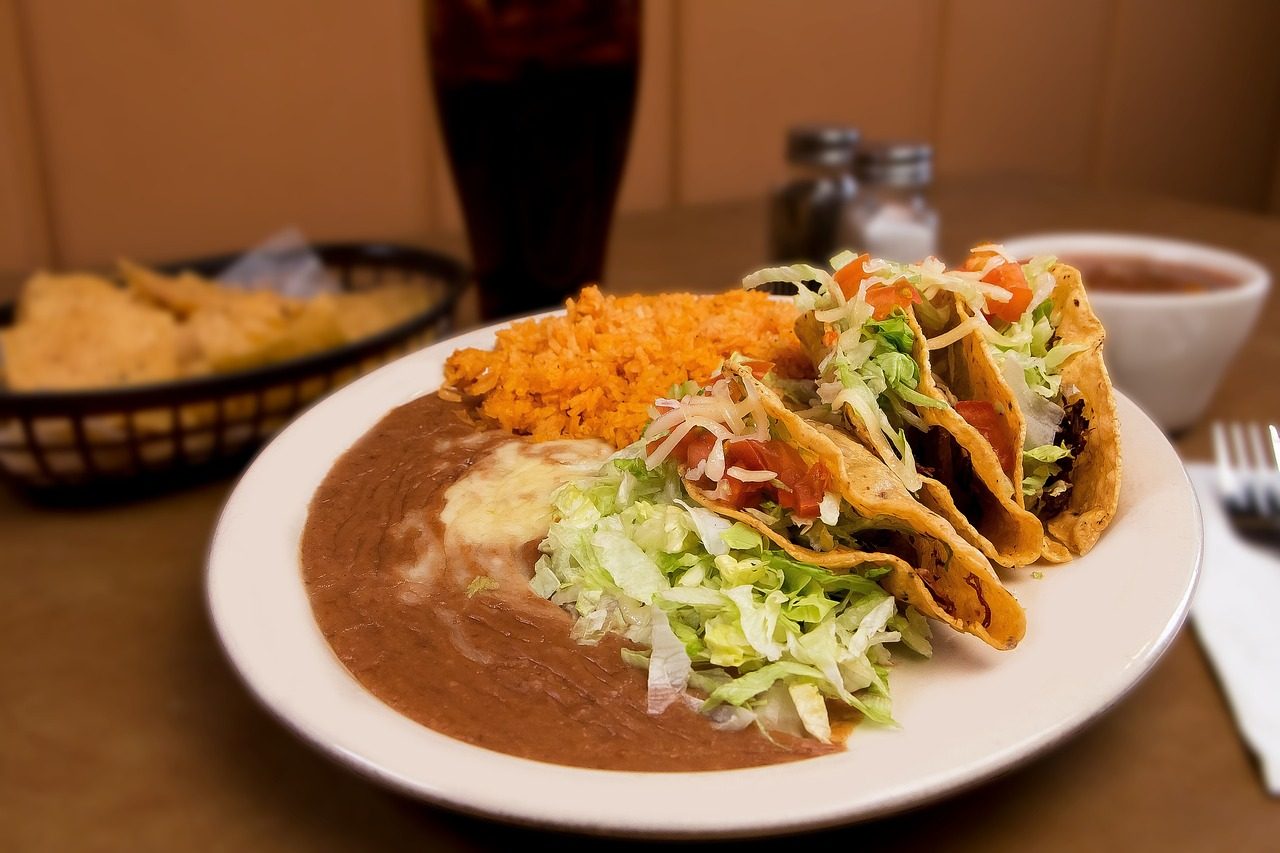
If you have a big pot of refried beans or a batch of cooked rice taking up space in your fridge, you are probably wondering whether the freezer is a viable option. The good news is that both foods freeze well when handled correctly, making them two of the most practical staples to prep in bulk and store for later.
Whether you are batch-cooking for the week, saving Taco Tuesday leftovers, or stocking up on a Tex-Mex staple, this guide walks you through everything you need to know — from how to pack and freeze each food to how long they last, how to thaw them safely, and when to throw them out. Check out our guides on what to serve with red beans and rice and what to serve with rice and beans for meal ideas once your freezer stash is ready.
Can You Freeze Refried Beans and Rice?
Yes, you can freeze refried beans. Freezing refried beans is an effective way to extend their shelf life and preserve leftovers or store large batches for future meals. The same is true for cooked rice — you can freeze all varieties of rice and beans quite easily, and freezing rice and beans is a pretty straightforward process as long as you know the right steps to follow.
Store-bought or homemade refried beans are perfectly freezer-friendly. For rice, the variety matters slightly. Mexican rice can be frozen, but if you made it with onions and other aromatics, the texture of the vegetables might change slightly upon freezing. Chopping any aromatics very finely helps avoid this issue, and the flavored rice itself will reheat perfectly.
Both foods are also nutritional workhorses worth preserving. Beans are superfoods packed with vitamins, minerals, and protein — a reason to keep them on hand at all times. For a deeper look at the health benefits of beans and legumes, see our article on mung beans and how whole plant-based foods support a healthy diet.
Does Freezing Change the Texture or Taste of Refried Beans and Rice?
Freezing does cause some changes, but they are manageable for both foods.
Refried Beans: Freezing can slightly affect the texture of refried beans — they may become a bit thicker or slightly grainy after being frozen and thawed. However, these changes are usually minimal and can often be corrected by adding a bit of liquid and stirring well during reheating to restore their creamy consistency. The flavor typically remains intact when stored properly.
Cooked Rice: According to the National Center for Home Food Preservation, cooked rice is one of those foods that does not freeze perfectly — it tends to get mushy and can taste warmed over. That said, the texture impact is minor when you freeze it quickly and reheat it with a splash of water. Plain white rice bounces back the best, while rice dishes with mixed vegetables may show more texture change.
Pro Tip: Spread freshly cooked rice in a thin, even layer on a baking sheet to cool it fast before freezing. Rapid cooling limits moisture buildup and helps individual grains stay separate after thawing.
Since refried beans contain water, they will expand when frozen. Any time you freeze store-bought beans, you will need to transfer them to a heavy-duty container. A plastic or glass Tupperware works well. Mix in a little oil or water to keep them from thickening too much and leave room in the container for expansion.
How to Freeze Refried Beans and Rice the Right Way
The process for each food is slightly different, so here is a step-by-step breakdown for both.
Freezing Refried Beans
- Cool completely. Make sure to cool the beans completely before freezing to avoid bacterial growth and ice crystals.
- Portion them out. In the next few months when you need refried beans for burritos, you almost certainly will not need a gallon’s worth. Freeze the refried beans in individual portions or recipe sizes. Quart-sized freezer bags with about 2 cups per bag work well for most households.
- Pack tightly. Divide the leftovers into heavy-duty Ziplock bags, squeeze the excess air from the freezer bags, zip, and pop them into the freezer.
- Lay flat. Spread the bag flat after sealing for more space-effective storing in the freezer and quicker thawing.
- Label and date. Make sure you label your storage container with the date before freezing to help you keep track of time.
If you want even more flexibility, try flash-freezing individual portions. Line a baking sheet with wax paper, parchment paper, or silicone baking mats and drop the beans onto the sheet using a half-cup measuring cup. Flash-freeze by placing the baking sheet into the freezer. Once the beans are frozen, transfer them to a freezer storage bag and double bag. It is then very easy to pull out exactly what you need.
Freezing Cooked Rice
- Cool quickly. Spread the freshly cooked rice in an even layer on a baking sheet. This step allows the rice to cool quickly and evenly.
- Divide into portions. Divide the cooled rice into 1 or 2 cup portions, depending on how much of the prepared dish is left.
- Seal tightly. You can wrap the dish in two sealable Ziploc bags or heavy-duty freezer bags and make sure that the bag is tightly pressed against the food. This keeps moisture in and freezer air out.
- Freeze promptly. Refrigerate rice or any hot food within 2 hours of cooking. For freezing, the sooner you get it into the freezer after cooling, the better the final texture.
- Label and date. Write the date and rice variety on the bag so you can use the oldest portions first.
Pro Tip: You can also freeze rice and refried beans together as a pre-portioned meal. Combine them in a single freezer bag for quick burrito bowls or taco nights — just make sure both are fully cooled before combining.
How Long Can You Freeze Refried Beans and Rice?
| Food | Freezer Life (Best Quality) | Notes |
|---|---|---|
| Homemade Refried Beans | 3–6 months | Quality declines after 6 months; still safe longer at 0°F |
| Canned Refried Beans (transferred) | 3–6 months | Transfer out of the can before freezing |
| Plain Cooked White Rice | 1–6 months | Best quality within 1–2 months; safe longer |
| Mexican/Spanish Rice | 1–3 months | Vegetable mix-ins may soften faster |
Refried beans can last in the freezer for up to 3 to 6 months. After this period, frozen refried beans may start to lose their flavor and texture. For rice, cooked rice freezes exceptionally well and is one of the most practical meal prep foods to freeze. According to USDA guidelines, cooked rice can be frozen for 1 to 2 months for best quality, though it remains safe indefinitely at 0°F but quality degrades over time.
Some sources note that rice can hold up for closer to 6 months. If you do freeze rice, try to eat it within six months for best quality. The key variable is how well it is sealed — food stored constantly at 0°F will always be safe, but only the quality suffers with lengthy freezer storage.
How to Thaw Frozen Refried Beans and Rice
How you thaw these foods affects both safety and texture, so it pays to plan ahead.
Thawing Refried Beans
The best way to thaw frozen refried beans is to place them in the refrigerator overnight to maintain their texture and flavor. Put frozen refried beans in the fridge the day before you want to use them. When mostly thawed, put the beans into a pot on the stove and gently reheat.
Once thawed, reheat the refried beans on medium heat in a pot or bowl and keep stirring to ensure even heating. You can add a little water or cooking liquid if the beans are too thick. Refried beans can become dry after they have been frozen, so adding a little bit of water or oil brings them back to the right consistency.
Thawing Cooked Rice
Rice can go straight from the freezer to the microwave without thawing first. When reheating frozen rice, skip thawing — add 2 to 3 tablespoons of water per cup and microwave covered for 2 to 3 minutes until steaming hot throughout. On the stovetop, add a tablespoon of water per cup of rice, cover loosely, and microwave on high in 1-minute increments, stirring between cycles, until heated through to 165°F. Alternatively, steam it on the stovetop with a small amount of added water.
For both foods, safe ways to thaw leftovers include the refrigerator, cold water, and the microwave oven. Refrigerator thawing takes the longest but the leftovers stay safe the entire time.
Important Note: Freezing keeps food safe by slowing the movement of molecules, causing microbes to enter a dormant stage. Freezing preserves food for extended periods because it prevents the growth of microorganisms that cause both food spoilage and foodborne illness. Once thawed, however, bacteria can become active again — so reheat to 165°F and serve promptly.
Can You Refreeze Refried Beans and Rice After Thawing?
This is where the two foods diverge a bit.
Refried beans: Refreezing can affect their texture and taste, and it may also increase the risk of bacterial growth. Instead, freeze only what you need in individual portions to avoid waste. Portioning before the first freeze is the best way to sidestep this issue entirely.
Cooked rice: Once food is thawed in the refrigerator, it is safe to refreeze it without cooking, although there may be a loss of quality due to the moisture lost through thawing. That said, refreezing rice typically results in a mushy texture the second time around. It is better to thaw only what you plan to use.
After thawing, food should be used within 3 to 4 days or can be refrozen. If you thawed rice or beans using cold water or the microwave, cook and use them immediately rather than returning them to the freezer.
How to Use Frozen Refried Beans and Rice (Best Uses After Freezing)
Frozen and thawed refried beans and rice work best in cooked or assembled dishes where any minor texture changes blend right in. Here are some of the most practical ways to use them.
- Burritos and burrito bowls: Refried beans are a natural filling, and rice rounds out the bowl. Both reheat well when wrapped or layered with other warm ingredients.
- Tacos: Use refried beans as a base layer in tacos, adding a creamy texture and rich flavor to fillings like beef, chicken, or grilled vegetables.
- Enchiladas: Spread thawed refried beans inside your enchiladas before rolling them up. They add heartiness and pair well with melted cheese and enchilada sauce.
- Quesadillas and nachos: Add thawed beans to your favorite recipes, such as burritos, quesadillas, or taco salads.
- Soups and stews: Stir thawed refried beans directly into tortilla soup or chili for body and extra protein.
- Rice side dishes: Frozen rice reheats quickly as a side for grilled meats, stir-fries, or any weeknight dinner where you need a starch in under five minutes.
- Fried rice: Day-old or previously frozen rice actually works better for fried rice than freshly cooked rice because it is drier and less sticky.
For more inspiration on pairing these staples with complete meals, explore our roundup of traditional South African food and traditional Greek foods — both cuisines make creative use of legumes and grains in ways that translate well to batch cooking.
Beans are also among the most well-studied superfoods for a healthy heart and appear on lists of powerful nutrients and foods that fight cancer, making it worth keeping a steady supply in your freezer.
Signs That Frozen Refried Beans and Rice Have Gone Bad
Even frozen food can deteriorate. Here is what to watch for before reheating a portion.
Signs in Refried Beans
- Off smell: A sour or rancid odor is a clear sign the beans have spoiled.
- Sliminess or mold: If the texture of your refried beans is different from the original, they may be spoiled. If they look slimy or have visible mold on the outside, they are bad and should not be used.
- Severe freezer burn: Freezer burn does not make food unsafe, but it causes dry spots. It appears as grayish-brown leathery spots caused by air coming in contact with the surface of the food. Cut away mild freezer-burn spots; discard heavily affected portions.
- Extended storage: Beans stored longer than 6 months may have acceptable safety but noticeably poor flavor and texture.
Signs in Cooked Rice
- Unpleasant odor: Before reheating, check the rice for any visible signs of spoilage, such as sliminess, discoloration, or an unusual smell.
- Visible mold: Visible mold — fuzzy spots in white, green, blue, or black — means the rice is definitely spoiled. Discard the entire container, as mold can spread through food even when not visible to the naked eye.
- Slimy or hard grains: Slimy or unusually hard grains signal spoilage and the rice should be discarded.
- Past the time window: If refrigerated rice has been in the fridge longer than 4 days, discard it regardless of how it looks or smells. With Bacillus cereus, the rice can be unsafe without showing obvious signs of spoilage.
Important Note: If cooked rice is not cooled properly or is left at room temperature, spores can grow into a toxin. What makes this toxin unique is that it is heat-resistant — no matter how long or hot you cook the food when reheating, you cannot kill it. Always cool rice quickly and freeze or refrigerate it within 2 hours of cooking.
Frequently Asked Questions
Can You Freeze Canned Refried Beans?
Yes, you can freeze canned refried beans. Simply transfer the leftover refried beans from the can into a freezer-safe container or freezer bag. Never freeze food inside a metal can — transfer the contents first, then seal and freeze.
Can You Add Garlic and Onions to Refried Beans Before Freezing?
Yes, adding garlic and onions during the cooking process enhances flavor, and these seasonings freeze well. Most herbs and spices hold up fine in the freezer, so season your beans fully before storing.
How Do You Prevent Refried Beans from Drying Out After Freezing?
If you notice the consistency is a bit watery or dry after defrosting, just add some oil and give them a good stir. A splash of water or broth stirred in over medium heat also restores a creamy texture quickly.
Can You Freeze Rice and Beans Together?
You can freeze cooked rice-based dishes, such as Spanish rice and beans, just as you would plain cooked rice. Make sure the dish is completely cool before transferring it to freezer-safe containers or bags. Pre-portioned rice-and-bean combos make for fast, ready-to-reheat weeknight meals.
Is It Safe to Eat Refried Beans and Rice That Were Left Out Overnight?
Within 2 hours of cooking food or after it is removed from an appliance keeping it warm, leftovers must be refrigerated. Throw away all perishable foods that have been left at room temperature for more than 2 hours. If either food sat out overnight, discard it — do not freeze it.
Can Freezing Refried Beans Change Their Nutritional Value?
Freezing has minimal impact on the nutritional content of beans. They remain a good source of plant-based protein, fiber, and minerals after thawing. For more on the health benefits of beans and legumes, see our article on fibroid healing foods and foods that help enhance liver function.