Can You Freeze Cooked Pineapple? Everything You Need to Know

November 4, 2026
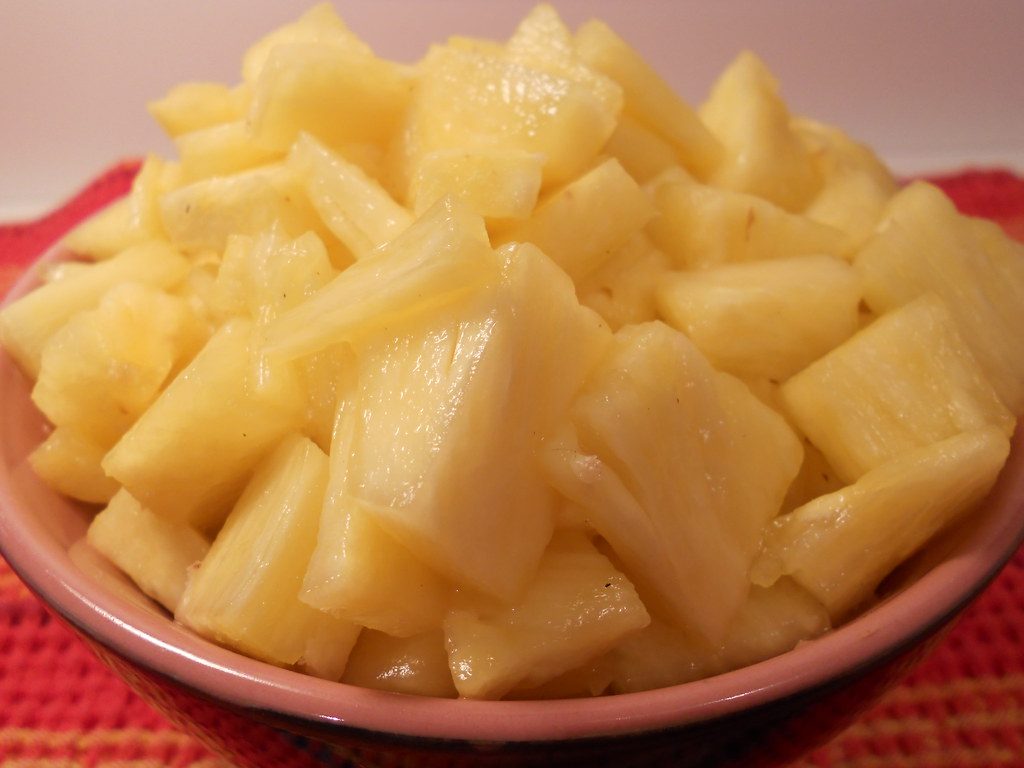
Cooked pineapple shows up in everything from Hawaiian pizza toppings and pineapple upside-down cake to stir-fry sauces and grilled kebabs. If you have leftovers or cooked a large batch, you may be wondering whether you can freeze it without ruining the flavor or texture.
The short answer is yes — cooked pineapple can be frozen. Before freezing, let the pineapple cool. The taste should stay intact after freezing and thawing, although the texture may change. Knowing how to freeze it correctly, how long it keeps, and which dishes it works best in afterward will save you from food waste and keep your kitchen running smoothly.
Can You Freeze Cooked Pineapple?
Yes, freezing cooked pineapple is a practical way to extend its shelf life well beyond the few days it would last in the refrigerator. Whether you have leftover grilled pineapple, a cooked pineapple compote, or chunks from a baked dish, the freezer is a reliable option.
While fresh, ripe pineapple only lasts a few days, you can store frozen pineapple in your freezer for up to one year. Freezing prevents ripe pineapple from going bad and lets you enjoy the fruit throughout the year. Cooked pineapple follows the same principle — the cooking process does not make it unsuitable for freezing.
That said, cooked pineapple has already softened during the cooking process, which means the texture after thawing will be noticeably softer than freshly cooked fruit. For blended dishes, sauces, baked goods, and stir-fries, this is rarely a problem. For dishes where you want firm, distinct pieces, you may prefer to cook pineapple fresh each time.
Pro Tip: Freeze cooked pineapple in recipe-ready portions — for example, one cup per bag for smoothies or two cups for a stir-fry. This way, you only thaw what you need and avoid wasting any.
Does Freezing Change the Texture or Taste of Cooked Pineapple?
Freezing does affect texture, and cooked pineapple is no exception. Fresh fruits and vegetables have a very high water content, which is held within rigid plant cell walls. These walls help give structure and texture to your produce. When you freeze fruits and vegetables, the water expands and ice crystals cause the cell walls to rupture, causing the texture of thawed produce to be much softer than when it was raw.
Since cooking already softens the cell walls before freezing, thawed cooked pineapple will be quite soft — sometimes even mushy. Textural changes due to freezing are not as apparent in products that are cooked before eating because cooking also softens cell walls. In other words, because your pineapple was already cooked, the texture difference between freshly cooked and frozen-then-thawed is less dramatic than it would be with raw fruit.
On the flavor side, the news is better. Freezing can make fruit slightly softer and juicier when thawed, but it doesn’t change the sweet taste. While it may not have the same firm texture as fresh fruit, it still works well in smoothies, desserts, and cooking.
| Quality Factor | Fresh Cooked Pineapple | Frozen Then Thawed |
|---|---|---|
| Flavor | Sweet and tangy | Mostly preserved |
| Texture | Soft, tender | Softer, may be mushy |
| Juiciness | Juicy | Releases more liquid on thawing |
| Best Use | Any application | Cooked dishes, sauces, smoothies, baking |
How to Freeze Cooked Pineapple the Right Way
The steps below apply whether you have leftover grilled pineapple rings, cooked chunks from a stir-fry, or pineapple from a baked casserole. Proper technique makes a real difference in quality when you go to use it later.
- Cool it completely first. Never put warm or hot pineapple directly into the freezer. Let it cool to room temperature, then refrigerate it briefly if needed. Placing warm food in the freezer raises the internal temperature, which can partially thaw nearby items and promote ice crystal formation.
- Drain excess liquid. Frozen pineapple can release liquid after thawing. Always make sure to drain excess liquid before cooking. Draining before freezing also reduces ice buildup in the bag.
- Pre-freeze on a baking sheet (for chunks). Freeze the fruit on baking sheets to prevent the pieces from sticking together. Cover the baking sheet with parchment paper or a silicone baking mat. Spread the individual pieces of fruit on the covered baking sheet to keep them from sticking together. Then, place the baking sheet in the freezer until the pineapple is completely frozen, typically one to two hours. Remove the frozen pineapple from the baking sheet and transfer the fruit to a freezer-safe, airtight container.
- Pack in airtight containers or freezer bags. Remove as much air as possible before sealing. Less air means less freezer burn and better flavor over time.
- Label with the date. Write down the date that each bag or container should be frozen. This makes it easy to use older portions first and avoid keeping anything past its prime.
Pro Tip: If you are freezing a cooked pineapple sauce or compote, skip the baking sheet step and pour it directly into a freezer-safe container or ice cube tray. Frozen cubes of pineapple sauce are easy to drop into sauces, marinades, or smoothies straight from the freezer.
How Long Can You Freeze Cooked Pineapple?
Cooked pineapple stored properly in an airtight container or freezer bag will remain safe to eat for an extended period, but quality does decline over time. Pineapple can be stored in the freezer for up to 12 months, but for best quality, it is recommended to consume it within 6 to 8 months to avoid freezer burn and loss of flavor.
For cooked pineapple specifically, aim to use it within 3 to 6 months for the best eating experience. For best taste, use frozen pineapple within 3 to 4 months. It may last a bit longer than that, but after about 4 months you may start to see freezer burn and that will affect the flavor.
Keep your freezer temperature at or below 0°F for safe, long-term storage. Fluctuating temperatures — caused by frequent door openings or a poorly sealed freezer — accelerate quality loss. If you have multiple packages of frozen pineapple, use the oldest ones first. This way, you can enjoy the pineapple at its best flavor.
| Storage Method | Recommended Use-By Window | Maximum Safe Duration |
|---|---|---|
| Freezer bag (air squeezed out) | 3–4 months | Up to 6 months |
| Airtight freezer container | 4–6 months | Up to 8 months |
| Vacuum-sealed bag | 6–12 months | Up to 12 months |
Pineapple is far from the only food worth freezing for long-term storage. If you want to expand your food preservation skills, check out this guide on how to freeze fresh uncooked zucchini for another common kitchen staple.
How to Thaw Frozen Cooked Pineapple
How you thaw frozen cooked pineapple depends on what you plan to do with it. There are three reliable methods, each suited to a different situation.
- Refrigerator thawing (best method): Set it in a bowl in the refrigerator overnight. Drain any excess liquid that collects in the bottom of the bowl, or you can add it to smoothies or mixed drinks. This method is the safest and preserves the most flavor.
- Cold water thawing (faster): Place the sealed bag in a bowl of cold water and change the water every 30 minutes until thawed. Use the pineapple immediately after thawing this way.
- Direct from frozen (for cooked dishes): In many cases, you don’t even need to defrost the fruit. If you are adding pineapple to a stir-fry, sauce, or baked dish, you can often add it straight from the freezer and let it thaw during cooking.
Important Note: Avoid thawing cooked pineapple at room temperature for extended periods. If food is completely thawed, warmed to room temperature, or left out of the refrigerator for more than 2 hours, throw the food out for safety’s sake.
After thawing in the refrigerator, use your cooked pineapple within 24 hours for the best quality and safety.
Can You Refreeze Cooked Pineapple After Thawing?
Technically, you can refreeze pineapple if it was thawed safely in the refrigerator and still smells and tastes fine — but it comes at a cost. While refreezing pineapple is possible, it is not without its challenges. Texture and flavor can suffer after multiple freeze-thaw cycles, and food safety concerns arise if proper handling and storage techniques are not followed.
According to the University of Minnesota Extension , thawed fruit and fruit juice concentrates can be refrozen if they taste and smell good. Since thawed fruits suffer in appearance, flavor and texture from refreezing, you may want to make them into jam instead.
The University of Georgia College of Agricultural and Environmental Sciences adds that fruits have the least amount of quality damage during thawing. If they don’t show any signs of spoilage, you may safely refreeze them. However, the texture won’t be the same after refreezing. Thawed fruits may be used in cooking or making jams, jellies or preserves.
The practical advice: avoid refreezing when possible. Instead, freeze in small portions so you only thaw what you actually need. For those looking to maintain the freshest pineapple experience, it is always ideal to use frozen pineapple within a reasonable timeframe and consume it as part of cooked or blended dishes, where texture changes are less noticeable.
How to Use Frozen Cooked Pineapple (Best Uses After Freezing)
Frozen cooked pineapple is most useful in applications where a soft texture is either expected or completely irrelevant. Whenever pineapple is cooked or baked, it loses its firmness anyway, so it doesn’t matter if you use a nice and firm fresh pineapple or a defrosted and soft one. The resulting dish will, in most cases, taste pretty much the same.
Here are the best ways to put frozen cooked pineapple to work:
- Smoothies and blended drinks: Frozen cooked pineapple blends beautifully and adds natural sweetness without added sugar. For smoothies and sorbets, no thawing is necessary, and frozen is even preferred.
- Stir-fries and savory sauces: Put frozen chunks, vegetables, and sauce in a hot pan. The pineapple softens quickly and integrates into the sauce.
- Baked goods: Make pineapple cake, muffins, or a pineapple upside-down cake. Thaw and drain the pineapple first, then fold it into your batter.
- Marinades: Use the pineapple juice in a teriyaki sauce or chicken marinade for a low-sugar option. The natural bromelain in pineapple also acts as a meat tenderizer.
- Fruit compotes and toppings: Simmer with a bit of sugar for a yogurt or ice cream topping.
- Popsicles and frozen desserts: Puree with coconut milk and freeze in molds.
Avoid using frozen cooked pineapple in fresh fruit salads or salsas where firm texture matters. Because of the texture change, defrosted pineapple doesn’t work that well in fruit salads, salsas, and other dishes that require the fruit to be firm. For those, fresh (or canned) pineapple is a much better choice.
Pineapple also pairs well with a healthy lifestyle beyond just cooking. It contains bromelain, a natural enzyme with anti-inflammatory properties. If you are interested in how food choices affect your overall health, explore these superfoods for a healthy heart or learn about powerful nutrients and foods that fight cancer.
Signs That Frozen Cooked Pineapple Has Gone Bad
Even in the freezer, cooked pineapple can deteriorate. Knowing what to look for helps you avoid eating something that is no longer good. Pineapple can go bad even if it is frozen, if it is kept for too long or in the wrong way.
Watch for these warning signs before using frozen cooked pineapple:
- Heavy freezer burn: Flavor and texture are changed by a thick layer of ice or freezer burn. Light frost is normal, but dry, shrunken, or gray-white patches indicate significant quality loss.
- Off smell: If something smells sour or bad, you shouldn’t eat it. Good pineapple should smell sweet and tropical even after freezing.
- Slimy or mushy texture after thawing: When pineapple is thawed and mushy or slimy, it means it’s gone bad. Note that some softness is normal — the issue is a slimy or watery consistency that is abnormal even for thawed fruit.
- Discoloration: The flesh should be bright yellow or orange. Spots of brown or gray indicate deterioration.
- Off taste: Fruit that tastes fermented, sour, or bad is likely ruined.
Important Note: When in doubt, throw it out. Eating spoiled frozen fruit is not worth the risk of foodborne illness, especially since pineapple is inexpensive and easy to replace when it is in season.
Pineapple is in season from March through July in the United States, which is when you will typically find the best prices and quality at grocery stores. Stock up and freeze during peak season to enjoy it year-round at a lower cost.
If you want to make the most of your kitchen and reduce food waste across the board, it also helps to know which foods support your health goals. Check out this resource on whole plant-based foods and this guide to foods that help enhance liver function for more ideas on eating well.
Frequently Asked Questions
Can You Freeze Pineapple Upside-Down Cake?
Yes, you can freeze pineapple upside-down cake. Let the cake cool fully. Prevent freezer burn by wrapping it securely in plastic or aluminum foil. An airtight container or resealable plastic bag can work as an extra layer of protection. It keeps well for up to 3 months in the freezer.
Can You Freeze Canned Pineapple?
Yes, you can freeze canned pineapple. Once you have drained the liquid, you can freeze it just like fresh pineapple. But remember that this freezing method can alter the texture of the fruit. According to Mashed , although fresh pineapple that has been frozen will keep its quality for up to a year, canned pineapple that has been frozen after opening will taste best if consumed within a couple of months.
Does Freezing Destroy the Bromelain in Pineapple?
Freezing does not fully destroy bromelain, the digestive enzyme found in pineapple. However, cooking at high temperatures does deactivate it. If your cooked pineapple was heated thoroughly before freezing, the bromelain was already deactivated during cooking — not by the freezing process itself. Pineapple contains bromelain, a natural enzyme that aids in protein digestion and may reduce inflammation. Raw or lightly heated frozen pineapple retains more of this benefit.
Can You Freeze a Pineapple Stir-Fry or Dish That Contains Pineapple?
Yes. Dishes like Hawaiian fried rice, sweet and sour chicken, or pineapple BBQ sauce freeze well. The pineapple in these dishes is already cooked and soft, so the texture change from freezing is minimal. Store in airtight containers and use within 2 to 3 months for best results. The National Center for Home Food Preservation at the University of Georgia recommends airtight containers and proper headspace when freezing fruit-based products.
How Do You Know if Frozen Pineapple Is Still Good?
Check for a sweet tropical smell, bright yellow-orange color, and no unusual sliminess after thawing. Take a small piece of the thawed pineapple and taste it. If it seems less sweet, less tangy, or has a flat taste compared to when you first froze it, then the flavor has likely been affected. Minor softness is expected — it is the sour, fermented, or slimy signs that indicate spoilage.
Is Frozen Pineapple Healthy?
Freezing, when properly done, can preserve more nutrients than other methods of food preservation. Pineapple is a good source of vitamin C, manganese, and fiber. Cooked pineapple will have some nutrient reduction from the heat, but freezing does not significantly degrade what remains. For more on how specific foods support your body, see this article on foods that promote healthy eyesight and this overview of fibroid healing foods.