Can You Freeze Fresh Spinach for Smoothies? (Yes — Here’s How)

November 4, 2026
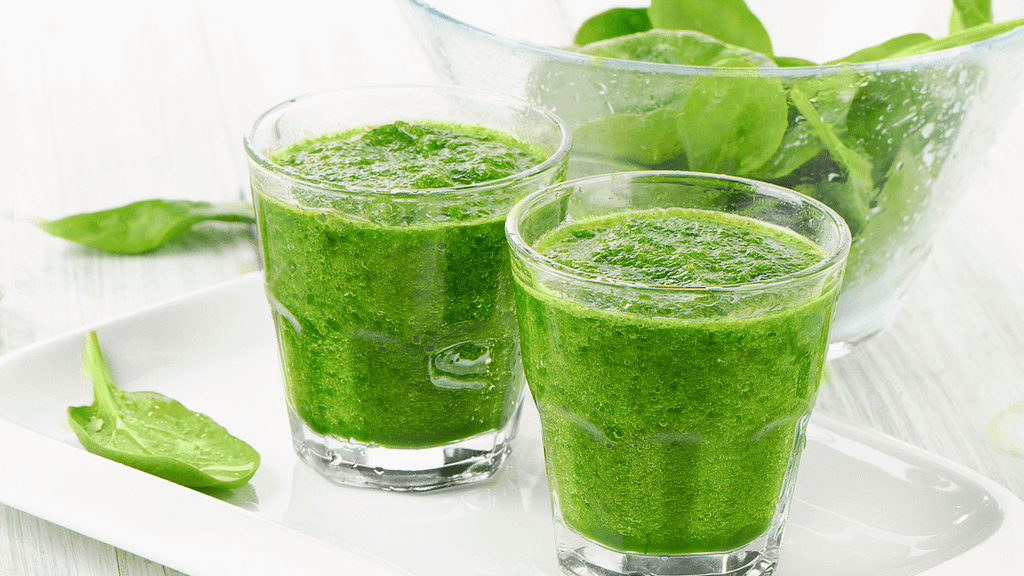
Fresh spinach is one of the easiest greens to buy in bulk and one of the hardest to use up before it turns slimy. If you’ve ever opened the fridge to find a bag of mushy, past-its-prime spinach, you already know the frustration. The good news: freezing it is a simple, effective solution that keeps your greens ready for smoothies and cooked dishes for months.
Whether you picked up a large container at Costco or spotted a marked-down bag at your local grocery store, freezing fresh spinach takes just a few minutes and requires no special equipment. This guide walks you through everything — from how freezing affects taste and texture to the best storage methods, shelf life, and signs it’s time to toss a bag.
Can You Freeze Fresh Spinach?
Yes, you can freeze fresh spinach, and it’s an excellent way to minimize produce waste. Freezing spinach, kale, chard, and other leafy greens extends shelf life and reduces waste while preserving nutrients.
Fresh spinach goes bad in the fridge very quickly, so freezing it helps reduce food waste and saves you money. You can even look for reduced-price fresh spinach leaves at your local grocery store, wash them well, and freeze them — stores often mark down fresh leafy greens when they’re close to their expiration date, and they’re still perfectly fine to eat.
Both regular and baby spinach freeze well. You can use whole spinach leaves or baby spinach leaves — either will freeze well. The one thing to keep in mind before you start: freezing is not going to make the spinach any better than it is when it goes in the freezer. Always start with the freshest leaves you have.
Pro Tip: If your spinach is already starting to wilt but hasn’t turned slimy or smelly, freeze it right away. Freezing locks in quality at whatever stage the spinach is currently at — the sooner you freeze it, the better the result.
Does Freezing Change the Texture or Taste of Spinach?
Texture and taste respond differently to freezing, so it helps to know what to expect before you open that bag.
Texture: Don’t expect to thaw your frozen spinach and eat it in a salad. Freezing spinach breaks down the cellular walls, so it will be wilted and watery when thawed. Raw frozen spinach will have a softer, more wilted texture than fresh spinach when thawed, and it’s generally best used in cooked dishes, smoothies, or recipes where texture isn’t important.
Taste: Freezing your spinach does not change the taste — you can use it just as you would any cooked spinach. In smoothies specifically, spinach has little-to-no taste, so it pairs well with many different flavors.
Without blanching, enzymes in the spinach will continue to work slowly even in the freezer, which can lead to a gradual loss of color, flavor, and nutrients over time. If you plan to store spinach for longer than six months, blanching before freezing helps maintain color and quality. For smoothies, though, skipping the blanching step works perfectly well.
The bottom line: freezing fresh spinach blends seamlessly into smoothies, adding a nutritional punch without altering the texture significantly. You can also learn more about the nutritional benefits of greens in this article on whole plant-based foods.
How to Freeze Fresh Spinach the Right Way
There are two main methods for freezing spinach at home: whole leaves and pureed cubes. Both work well for smoothies, but the puree method gives you pre-portioned “smoothie bombs” that drop straight into the blender.
Method 1: Whole Leaf Freezing (Easiest)
This is the simplest approach and requires nothing more than a freezer bag. Just pick out any bad leaves, place the fresh spinach leaves in a freezer bag, squeeze out as much air as possible, and place it in the freezer.
- Rinse thoroughly under cold water, swishing the leaves to remove dirt and pesticides. Repeat if needed until the water runs clear.
- Dry completely using a salad spinner or pat dry with a clean towel to remove excess moisture — this helps prevent ice crystals from forming.
- Place the spinach in freezer-safe bags or containers, pressing out excess air to minimize freezer burn. Consider portioning for easier use later.
- Write the date on the bag or container and lay flat in the freezer, ensuring good air circulation for even freezing. Once solid, you can stack them neatly.
Method 2: Spinach Puree Cubes (Best for Smoothies)
If you want to use frozen spinach in smoothies or as a base, make and freeze spinach puree. Blend your washed and dried fresh spinach leaves along with water — about 1/4 cup for 15 oz of spinach works well.
- Wash and thoroughly dry your spinach leaves.
- Process the fresh leaves in your blender or food processor with a splash of water to get it going.
- Pour the spinach puree into ice cube containers and put them in the freezer for at least 3 to 4 hours for the cubes to set. Then transfer cubes to a freezer-safe bag and return to the freezer.
- Label the bag with the date and use within 3 months for best results.
Pro Tip: If you don’t have ice cube trays, you can freeze pureed spinach in muffin tins. Once frozen solid, pop them out and transfer to a labeled freezer bag.
| Method | Best For | Blanching Needed? | Shelf Life |
|---|---|---|---|
| Whole Leaves (no blanching) | Smoothies, soups, sautéed dishes | No | 3–6 months (best quality) |
| Whole Leaves (blanched) | Cooked dishes, long-term storage | Yes | Up to 12 months |
| Pureed Cubes | Smoothies, soups, sauces | No | 3 months |
How Long Can You Freeze Fresh Spinach?
Shelf life depends on the method you use and how well the spinach is sealed.
Frozen spinach can last in the freezer for between 6–12 months if stored properly. However, quality does decline over time. Spinach frozen without blanching can last for about 3–4 months, after which it would still be safe to eat but may develop a bit of a freezer-burned taste.
Blanched spinach leaves and spinach puree cubes tend to last about 3 to 4 months. If you store pureed spinach longer than 6 months, freezer burn is more likely to occur.
While frozen spinach can last a long time, it’s best to use it within 8–12 months for optimal quality. Label the bag or container with the date and use it within 6 months for the best taste.
Key Insight: If using spinach within a few months, a standard freezer is sufficient. For longer storage, use a deep freezer since it keeps food at a lower temperature, prolonging quality.
How to Thaw Frozen Spinach
For smoothies, you don’t need to thaw at all. No need to thaw — just add the frozen leaves right from the freezer to your blender when making smoothies. This also helps keep your smoothie cold and thick.
For cooked dishes where you need soft, pliable spinach, there are a few easy options:
- Refrigerator thaw: Thawing in the refrigerator is the safest and most recommended method. Move the bag from the freezer to the fridge the night before you plan to use it.
- Cold water rinse: If your recipe calls for thawed spinach, place it in a colander and rinse under cold water. This works quickly and is perfect for casseroles and dips.
- Direct to the pot: Just add the frozen spinach cubes right into a pot of simmering soup or stew — it will break apart and add flavor and nutrition to your dish.
After thawing, squeeze out excess moisture to prevent a watery texture — this is particularly important for recipes where you want the spinach to maintain its shape. Consume thawed spinach within 2–3 days for optimal quality and safety.
Can You Refreeze Spinach After Thawing?
Refreezing spinach after it has been thawed is generally not recommended. When thawed, the spinach undergoes changes in texture and quality, and refreezing it can make the final product mushier.
Refreezing compromises the texture and flavor due to increased ice crystal formation, and it also creates a breeding ground for bacteria if thawing occurred at room temperature for an extended period.
The best way to avoid this situation entirely is to freeze spinach in small, single-use portions from the start. If you only need a portion of the spinach, break off the desired amount while it’s still frozen and return the rest to the freezer immediately.
If you have thawed spinach and decide to refreeze it, make sure it was thawed safely in the fridge and not at room temperature to avoid potential bacterial growth. When in doubt, use thawed spinach in a cooked recipe right away rather than putting it back in the freezer.
How to Use Frozen Spinach (Best Uses After Freezing)
Frozen spinach is more versatile than most people realize. Since texture matters less once it’s been blended or cooked, it fits naturally into a wide range of everyday recipes.
Smoothies
This is where frozen spinach shines. It blends well with sweet fruits and you cannot even taste it. It’s best to blend spinach with sweet ingredients like banana, mango, or honey to balance its earthy taste. Add one or two spinach cubes directly from the freezer — no thawing needed. If you’re looking for more inspiration on foods that support your health, check out this guide to superfoods for a healthy heart and this article on nutrients and foods that fight cancer.
Soups and Stews
Add the frozen spinach cubes right into a pot of simmering soup or stew — it will break apart and add flavor and nutrition to your dish. No prep work needed.
Eggs and Breakfast Dishes
Thaw a small portion and stir it into scrambled eggs, an omelet, or a breakfast skillet. The soft texture of thawed spinach works perfectly here.
Pasta, Casseroles, and Dips
Frozen spinach also works well in soup or stock, stir-fry, dips, quiche, and pasta dishes. Thaw it first in the fridge, then squeeze out excess water before adding to your recipe so it doesn’t make the dish watery.
Frozen spinach is not good to use in salads, sandwiches, or for garnishing meals — the texture simply won’t hold up. Stick to cooked or blended applications for the best results. You might also enjoy this article on fibroid healing foods, which highlights spinach as one of the beneficial greens to include in your diet.
Pro Tip: If your smoothie gets too thick with frozen spinach, use less frozen fruit or ice to balance it out. You can also add a splash more liquid — water, almond milk, or coconut milk all work well.
Signs That Frozen Spinach Has Gone Bad
Frozen spinach doesn’t last forever, and it’s worth knowing what to look for before you toss a handful into your blender.
- Color change: Fresh spinach should retain a vibrant green color. If the spinach appears yellow, brown, or darkened, it may be spoiled.
- Off smell: An off or sour smell is a strong indicator that the spinach is no longer good to eat. When spinach is rotten, it has a very distinctive unpleasant smell — musty and sharp.
- Slimy or mushy texture: Upon thawing, if the spinach becomes excessively mushy or slimy, this indicates significant cell damage.
- Freezer burn: Freezer burn appears as dry, whitish or grayish patches on the surface of the spinach, a sign of dehydration and oxidation. While freezer burn doesn’t make the spinach unsafe to eat, it will affect the texture and flavor.
- Large, hard clumps: Excessively large, hard clumps suggest that the spinach has thawed and refrozen, which affects its quality and can promote bacterial growth.
- Blunted or bitter flavor: Spinach past its prime will lack the fresh, slightly earthy flavor associated with quality frozen spinach — it might taste bland or even slightly bitter.
If spinach is past the recommended storage time and you notice any changes in its appearance, smell, or texture, it’s best to err on the side of caution and discard it. When in doubt, throw it out.
It’s also worth noting that spinach leaves are notorious harborers of bacteria and have been the source of E. coli outbreaks in the past. The Centers for Disease Control and Prevention (CDC) recommends taking precautions when eating raw spinach and other leafy green vegetables to minimize health risks. This includes washing all leafy greens under cold running water before eating or cutting them, using clean cutting boards and knives, discarding any spoiled pieces, and drying well before storage.
Frequently Asked Questions
Do you need to blanch spinach before freezing it for smoothies?
No. It’s not necessary to blanch spinach before freezing. For smoothies, freezing whole raw leaves or pureed cubes works perfectly well. Blanching is more useful if you plan to store spinach for longer than six months or want to preserve a brighter green color in cooked dishes.
Does frozen spinach taste different in smoothies?
Spinach has little-to-no taste in a smoothie, so it pairs well with many different flavors. Pairing it with sweet fruits like banana, mango, pineapple, or berries completely masks any earthy notes. You can find more ideas in this article on foods for healthy skin, many of which pair well with spinach in a blender.
Can you freeze a whole bag of store-bought spinach?
Yes. If you have a bag of spinach from the grocery store, you can freeze it the same way as fresh spinach — but keep in mind this spinach is not as fresh, so watch closely for any withered leaves or spoilage before freezing.
Can you freeze spinach without washing it first?
It’s best to wash spinach before freezing. Always wash and dry spinach leaves thoroughly — spinach hides a lot of dirt. If you’re picking up pre-washed spinach from the supermarket, give it a quick rinse, and you’re good to go.
How much frozen spinach should I add to a smoothie?
Take one or two spinach ice cubes out at a time and include them in your favorite smoothie recipe. If you’re using whole frozen leaves, a large handful (about 1–2 cups loosely packed) is a good starting point. You can always adjust based on how thick you want the smoothie. For more ideas on nutrient-rich eating, see this guide to foods that support liver function and this article on foods that promote healthy eyesight.
Can you freeze other produce for smoothies the same way?
Yes — many fruits and vegetables freeze well using similar methods. Check out these guides on freezing fresh watermelon chunks and freezing fresh uncooked zucchini for more step-by-step instructions.