Can You Freeze Cooked Onions? Everything You Need to Know

November 3, 2026
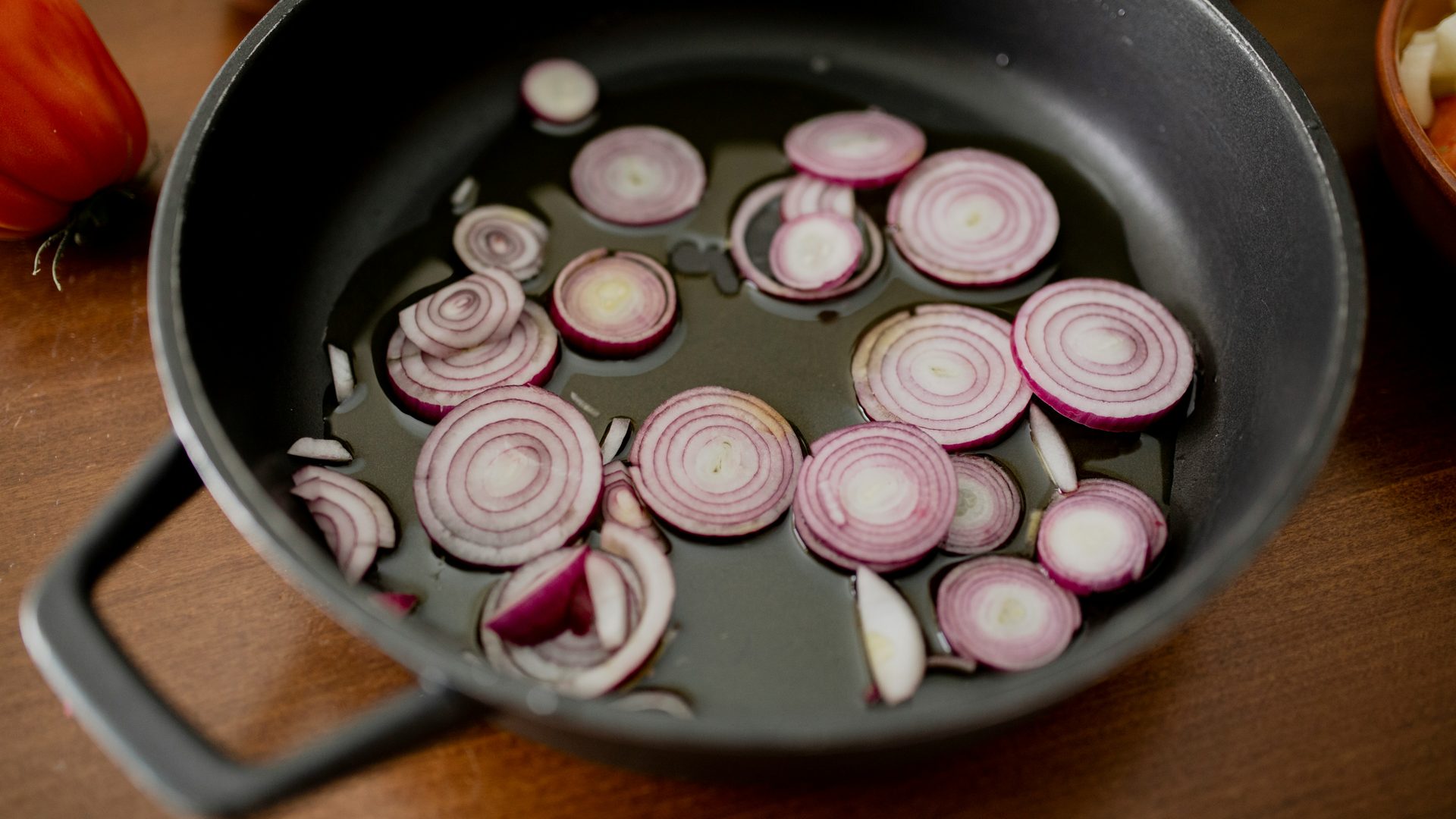
If you’ve ever sautéed a big batch of onions only to realize you made way more than you need, you’ve probably asked yourself: can you freeze cooked onions? The short answer is yes — and it’s one of the smartest moves you can make for faster weeknight cooking and less food waste.
Cooked onions freeze well and hold onto most of their flavor, making them a reliable shortcut for soups, stews, casseroles, and dozens of other dishes. Whether you’ve got leftover sautéed onions, caramelized onions, or a batch you cooked specifically for meal prep, this guide walks you through everything you need to know — from how to freeze them properly to how long they last and what to watch for when they go bad.
Can You Freeze Cooked Onions?
Yes, you can absolutely freeze cooked onions. If you’ve got cooked or caramelized onions, you can put them in freezer containers and place them in the freezer. They won’t have the same texture as freezing raw onions, but they’ll still carry their oniony flavor.
Freezing cooked onions is especially useful if you batch-cook on weekends or regularly find yourself with leftover onions from a recipe. Freezing in smaller portions makes it easier to thaw only what you need for future recipes. That means no waste and no extra chopping on a busy Tuesday night.
All common onion varieties — yellow, white, sweet, and red — freeze well after cooking. When freezing onions, yellow or sweet onions are often recommended due to their balanced flavor, which tends to work well in a variety of dishes. That said, any cooked onion you have on hand is worth saving rather than tossing.
Pro Tip: If you’re caramelizing onions, freeze them in an ice cube tray first. Once solid, transfer the cubes to a freezer bag so you can pop out exactly the amount you need without thawing the whole batch.
Does Freezing Change the Texture or Taste of Cooked Onions?
Freezing does change cooked onions — but not in a way that makes them unusable. The flavor and texture of frozen onions will change over time. The longer they stay in the freezer, the stronger their smell and flavor can become.
Texture is the bigger shift. Frozen cooked onions may experience some texture changes after thawing. The freezing process can sometimes cause them to become softer or mushy, especially if they were not cooked until golden brown before freezing. Cooking them thoroughly before freezing helps minimize this.
One notable positive impact of freezing is that the flavor of onions can become more concentrated once frozen. This enhanced flavor can be a bonus in dishes that require longer cooking times, where the onions will have the chance to release their natural sweetness and aroma.
The bottom line: the texture of onions will become much softer and lose their crunch. They won’t be suitable for salads or any raw dishes, but they’re great in cooked dishes like soups, stews, curries, and casseroles. If you plan to use them in a cooked application anyway, the texture change is a non-issue.
How to Freeze Cooked Onions the Right Way
Getting the process right makes a real difference in quality. Follow these steps to freeze cooked onions so they stay flavorful and avoid freezer burn.
- Cool completely before freezing. Start by allowing the onions to cool completely after cooking. This prevents condensation that can create ice crystals when you freeze them.
- Portion into usable amounts. Divide the onions into recipe-ready portions — typically ¼ cup to 1 cup each. Freeze onions in ½ cup or 1 cup amounts to make weeknight cooking faster and more convenient.
- Pack into freezer-safe containers or bags. Opt for heavy-duty freezer bags or airtight containers to prevent air exposure. Vacuum-sealed bags are even better, as they minimize the risk of freezer burn.
- Remove as much air as possible. Make sure to remove as much air as possible to minimize freezer burn. For bags, press them flat before sealing.
- Label with the date. Always label your containers with the content and date of freezing. This practice not only helps you keep track of your inventory but also ensures you use older onions first, adhering to the FIFO (First In, First Out) principle.
- Double-bag to control odor. Onions can transfer scent, so using a second freezer bag or airtight container helps keep your freezer smelling fresh.
Pro Tip: Drain any excess liquid from cooked onions before freezing. You can add that liquid to a soup stock instead of discarding it, and your frozen onions will be easier to portion and use later.
For caramelized onions specifically, portion them out into small containers or ice cube trays and freeze them. Once solid, transfer the frozen caramelized onions to freezer bags for easy storage.
How Long Can You Freeze Cooked Onions?
Properly cooked and frozen onions can last up to 3 months in the freezer. Beyond that, while they may remain safe to eat, the flavor and texture could degrade. For the best results, plan to use them within that window.
Raw onions generally last longer — properly stored onions will keep well for 8–12 months and can be used straight from the freezer in soups, stews, casseroles, and skillet meals. Cooked onions have already broken down more during cooking, which is why the recommended timeframe is shorter.
| Onion Type | Freezer Life (Best Quality) | Storage Notes |
|---|---|---|
| Cooked / Sautéed Onions | Up to 3 months | Use airtight containers; label with date |
| Caramelized Onions | Up to 3 months | Freeze in ice cube trays for easy portioning |
| Raw Diced Onions | 6–12 months | Flash-freeze on baking sheet first |
| Refrozen Cooked Onions | 1–2 months | Use quickly; texture degrades faster |
To get the best results, try to use the frozen cooked onions within the first month for optimal flavor. After that they’re still usable, but you may notice a dip in quality the longer they sit.
How to Thaw Frozen Cooked Onions
The good news is that for most recipes, you don’t need to thaw cooked onions at all. Frozen cooked onions can be used directly from the freezer in many recipes. You can add them straight to soups or stews without thawing for an added flavor boost.
When you do need to thaw them, you have a few options:
- Refrigerator method (best for quality): Transfer the needed amount to the refrigerator a few hours before cooking. This will help maintain their texture and flavor.
- Microwave method (fastest): Place a serving of frozen onions in a microwave-safe bowl, cover, and blast for 1–2 minutes until heated through.
- Sauté pan method: Simply add the frozen onions directly to your sauté pan with a bit of oil or butter, cover, and cook on medium heat until heated through. This also allows them to caramelize slightly, enhancing their flavor.
- Cold water method: You can thaw frozen onions by placing them in a bowl of cold water for about 30 minutes, ensuring they are in a sealed bag to prevent water from getting in.
Once thawed, pat them dry with a paper towel to remove any excess moisture before using them in your recipe. This helps prevent your dish from becoming watery, especially in recipes like omelets or pizza toppings.
Important Note: Never thaw onions (or any food) at room temperature on the counter. If they were left out at room temperature for more than two hours, refreezing becomes risky due to bacterial growth. Always use the refrigerator, cold water, or microwave.
Can You Refreeze Cooked Onions After Thawing?
Refreezing cooked onions is possible, but it comes with trade-offs. If onions were defrosted in the refrigerator and remained chilled (below 40°F), they can be refrozen without significant food safety concerns. However, if they were left out at room temperature for more than two hours, refreezing becomes risky due to bacterial growth.
The bigger concern is quality. If refrozen, even more ice crystals form, leading to an even softer, mushier consistency. This can affect the onion’s usability in dishes that require a firm texture. For cooked onions going into soups or sauces, this matters less — but it’s still worth avoiding unnecessary freeze-thaw cycles.
Refrozen onions should be used within 1–2 months for the best quality. The second freeze accelerates texture and flavor deterioration, so the sooner they’re used, the better.
The best way to avoid the refreezing question entirely is to freeze in small, single-use portions from the start. Freeze in portions suitable for your cooking needs to avoid thawing and refreezing. That way, you only pull out exactly what you need each time. You can also learn how to apply this same approach to other vegetables — check out this guide on freezing fresh zucchini for more freezer storage tips.
How to Use Frozen Cooked Onions (Best Uses After Freezing)
Frozen cooked onions are genuinely versatile. They work well in soups, stews, casseroles, and pasta dishes, providing a rich flavor that complements many different cuisines. Because they’re already cooked, they also cut down your active time at the stove.
Here are the best ways to put them to work:
- Soups and stews: Add directly to the pot with other aromatics. They will soften and infuse the liquid with flavor.
- Casseroles and bakes: Mix them into a casserole before baking; they’ll cook down and blend with the other ingredients.
- Pasta sauces and gravies: They’re perfect for building a flavor base for pasta sauces, gravies, or braising liquids.
- Eggs and breakfast dishes: You can include them in omelets, quiches, or as toppings for pizzas.
- Ground meat mixtures: Use frozen onions in cooked products such as soups and stews, ground meat mixtures, and casseroles. They blend right into meatloaf, burgers, or taco fillings.
- Sautés and stir-fries: Toss them into a hot pan with a little oil. They’ll release their moisture and caramelize nicely.
One area where frozen cooked onions fall short: recipes where onions are the star. Frozen onions are not recommended for recipes where onions are the main attraction — like caramelized onions or French onion soup. For those recipes, choose the best fresh onions you can find.
Onions pair well with many other ingredients that support a healthy diet. If you’re interested in cooking with nutrient-dense foods, take a look at these superfoods for a healthy heart and these foods that can help enhance liver function — onions make an appearance in both categories.
Pro Tip: When adding frozen cooked onions to a hot pan, expect a burst of steam and extra moisture. Cook them over medium-high heat to allow evaporation. The moisture clears quickly, and your onions will be ready to build flavor in just a few minutes.
Signs That Frozen Cooked Onions Have Gone Bad
Even frozen food has a shelf life, and cooked onions are no exception. Knowing what to look for helps you avoid using onions that have deteriorated past the point of being useful — or safe.
To determine whether frozen cooked onions have gone bad, first inspect them for any signs of freezer burn, such as discoloration or ice crystals. If you notice any foul odors once they are thawed, it’s a clear indication that they have deteriorated in quality. Consuming food that shows signs of spoilage can lead to foodborne illness, so it’s better to be cautious.
Here’s what to check before using frozen cooked onions:
- Freezer burn: Look for dry, discolored patches or excessive ice crystals on the surface. Freezer burn occurs when food is exposed to air, leading to dehydration and oxidation, which results in dry, discolored spots and altered flavors.
- Off odor: Onions naturally have a pungent smell, but if you detect sour, rotten, or overly sulfurous notes, it’s a red flag.
- Slimy texture: Fresh or properly frozen onions should be firm. If thawed onions feel slimy rather than simply soft, discard them.
- Unusual color: Significant browning or dark discoloration beyond normal caramelization is a sign the onions have degraded.
When in doubt, trust your senses — look, smell, and even taste a small amount of the thawed onion. If anything seems off, it’s best to discard them. Proper storage and timely use are your best defense against spoilage. Eating well-preserved food is also part of a broader approach to healthy eating — you can explore more on that topic with this guide to whole plant-based foods and these powerful nutrients and foods that fight cancer.
Frequently Asked Questions
Can you freeze caramelized onions?
Yes, absolutely. You can freeze onions that have been caramelized, perfect for adding them later to dishes like burgers, pizzas, and dips. Portion them out into small containers or ice cube trays and freeze them. Once solid, transfer the frozen caramelized onions to freezer bags for easy storage.
Do you need to blanch onions before freezing them?
No, you don’t have to blanch them before you freeze them. You can if you desire, but it does change the texture of the onion and is not needed. For cooked onions, the cooking process itself has already done the work that blanching would do for raw vegetables.
Can you add frozen cooked onions directly to a dish without thawing?
Yes, frozen onions can be used directly in most cooking methods like soups, stews, and stir-fries. There’s no need to thaw them first; just add them directly to the hot pan or dish. Just account for a little extra moisture at the start.
How long do cooked onions last in the fridge before freezing?
Store cooked onions in an airtight container in the fridge for up to 2 days. If you know you won’t use them within that window, freeze them right away for better results.
Will frozen onions make my freezer smell?
Onions can transfer their scent to other foods in the freezer. The key is to use high-quality freezer bags and seal them very well. If you want to use extra precaution, you can double bag onions or place a bag in an airtight container before storing in the freezer.
Are frozen onions as nutritious as fresh?
Freezing fruits and vegetables at their peak actually preserves their nutrients. Frozen onions will have the same vitamins and minerals as fresh onions. The National Center for Home Food Preservation
supports freezing as a safe and effective method for preserving vegetables at home. For more on how specific foods support your health, see this guide to foods for healthy skin and these foods that promote healthy eyesight.
Can you freeze raw onions too?
Yes. According to the University of Nebraska-Lincoln Extension
, raw diced onions require no blanching before freezing and can go straight into freezer bags. Raw onions generally last longer in the freezer — up to 8–12 months — compared to cooked onions. The method described by food educator Getty Stewart
recommends freezing in thin layers so you can easily break off what you need without thawing the whole bag.