Can You Freeze Cheese Slices? Everything You Need to Know

November 3, 2026
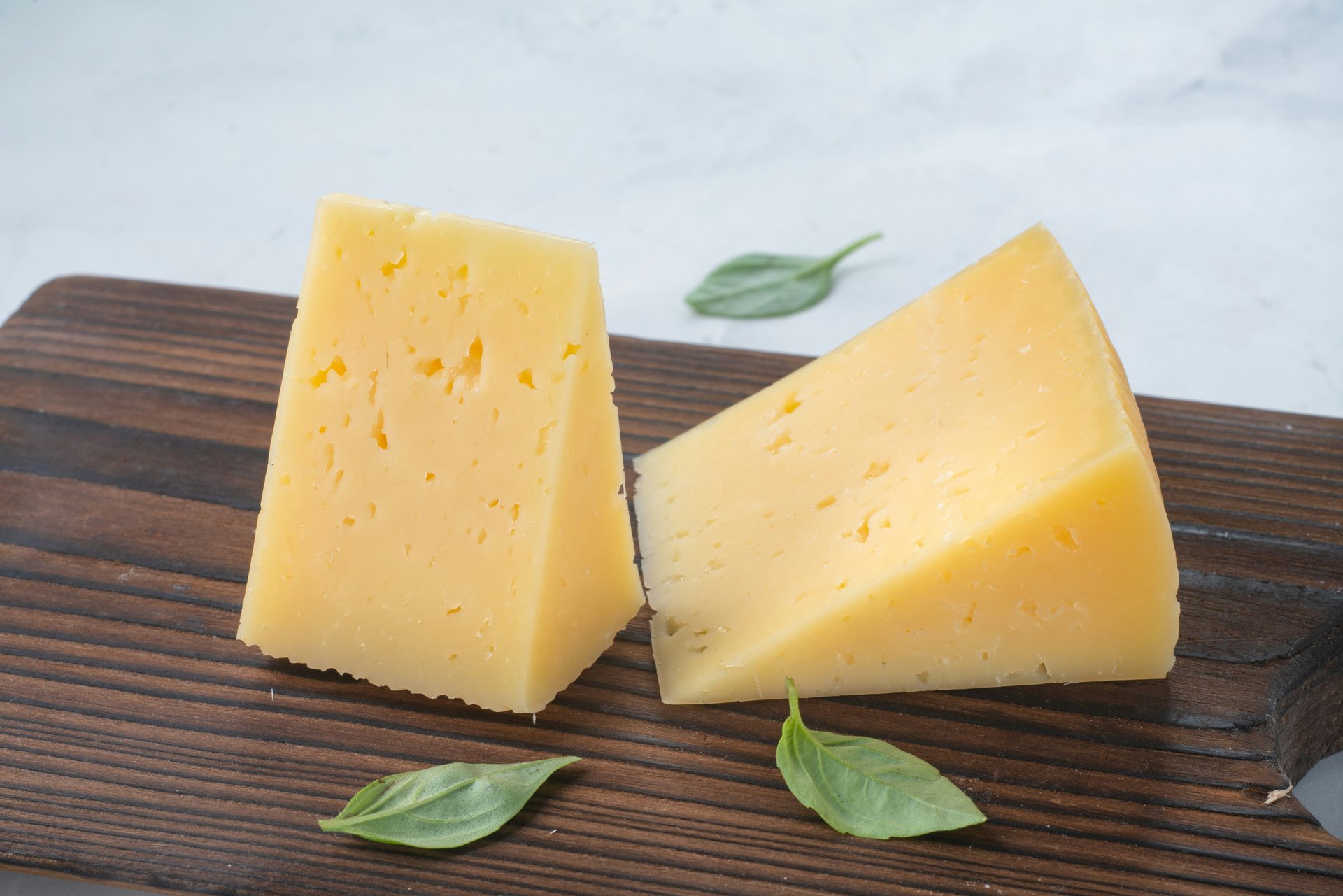
Buying a big pack of cheese slices on sale feels like a win — until you realize there is no way you will finish them before they dry out or go bad in the fridge. The good news is that the freezer is a perfectly valid solution, and cheese slices handle it better than most dairy products.
This guide walks you through everything: which types of sliced cheese freeze well, how to package them so they do not stick together, how long they last, and the best ways to use them after thawing. Whether you buy pre-packaged American singles or deli-sliced cheddar, you will find a clear answer here.
Can You Freeze Cheese Slices?
Yes, you can freeze cheese slices — particularly if you are working with hard cheeses. The best cheeses to freeze in slices are harder varieties such as cheddar or Monterey Jack. These hold their shape well and do not release as much water during the thawing process.
Softer cheeses have more moisture in them and are less likely to hold up after being frozen and then thawed in slices. That said, you can freeze cheddar cheese slices and Monterey Jack cheese slices easily. Swiss and Colby are other solid choices that American home cooks commonly keep on hand.
Most pre-sliced cheeses freeze well. Separate slices with wax paper to prevent sticking and store in a freezer bag. Thawed slices may be slightly drier and more brittle but are fine for sandwiches and melting.
Pro Tip: Freeze cheese slices at their freshest. Check the slices for mold or discoloration and discard any pieces that show either of these features before freezing.
Processed cheese slices — the kind individually wrapped in plastic — are a slightly different story. Processed cheeses, often found in slices or blocks, have additives that can affect their texture during freezing. They can be frozen for one to three months, but quality will almost definitely decline. They are still usable for cooking or melting, just not ideal for eating straight from the wrapper.
Does Freezing Change the Texture or Taste of Cheese Slices?
When cheese is frozen, its moisture turns into ice crystals, which are released as water once it thaws. This creates a drier and crumblier cheese, which is why softer or creamier types are greatly affected. With harder sliced cheeses, the change is noticeable but manageable.
Freezing cheese should not result in much change to its flavor. It is really just the texture that is likely to change. So if you are planning to melt the slices into a grilled cheese sandwich or layer them into a casserole, the difference in texture is essentially a non-issue.
The good news is that flavor usually survives freezing just fine. Most frozen cheese will still taste like cheese. It just likely will not slice or melt the way it did before.
Research indicates that freezing cheese does not alter its nutritional content, though its texture and flavor may change. When frozen, any moisture in the cheese becomes frost crystals. Once you thaw it, the water is released and the cheese dries out. Previously frozen cheese is often more crumbly and can sometimes have an unpleasant, mealy texture.
Important Note: If you place poorly packaged cheese in a smelly freezer, the funky smells could permeate the blocks or slices. Always use airtight packaging and keep your freezer clean and odor-free.
How to Freeze Cheese Slices the Right Way
The biggest mistake people make when freezing cheese slices is tossing the whole stack into a bag without any separation. When slices freeze together, they become nearly impossible to pull apart without tearing. A few extra minutes of prep prevents that entirely.
Follow these steps for the best results:
- Check freshness first. Do not freeze any cheese slices that have been kept at room temperature for a long period of time. If a cheese has been sitting out for several hours, it is best to discard it instead of trying to freeze it.
- Separate each slice. Place a piece of parchment paper between each cheese slice, creating a stack as you go. You can also dust a little flour on each slice to reduce the risk of clumping, but parchment paper alone should work.
- Wrap the stack. Wrap the cheese in foil or cheese paper and separate slices with parchment paper. For pre-packaged sliced cheese, pop the package into a freezer bag and place it in the freezer.
- Remove the air. Place the stacked cheese slices in a freezer bag and remove the excess air. Seal the bag, then label and date it.
- Double-bag for protection. Double bag to help prevent freezer burn. This is especially worth doing if you plan to store the slices for longer than a month or two.
- Freeze quickly. Freeze the cheese as rapidly as possible to maintain its quality. Place the bag flat against the coldest part of your freezer.
If you want to go a step further, a vacuum sealer removes virtually all air from the bag and gives slices the best possible protection against freezer burn. You can also vacuum-seal cheese to keep it fresh for more extended periods.
Pro Tip: Keep your freezer at 0°F (-18°C) for optimal freshness. A freezer that fluctuates in temperature will degrade the texture of your cheese slices faster.
How Long Can You Freeze Cheese Slices?
The USDA FoodKeeper guidance recommends using frozen hard and semi-hard cheeses within about 6 months for best taste and texture. After that, the cheese is still safe, but freezer burn and flavor loss creep in.
Use frozen cheese slices within 4–6 months for best results. Some sources suggest you can push to 6–9 months, but quality noticeably drops the longer the cheese sits. Texture and melt are affected more by how the cheese is wrapped than by the exact length of time in the freezer. Most cheeses keep best for two to six months.
| Cheese Slice Type | Freezer Life (Best Quality) | Freezes Well? |
|---|---|---|
| Cheddar slices | 4–6 months | Yes |
| Monterey Jack slices | 4–6 months | Yes |
| Swiss slices | 4–6 months | Yes |
| Colby slices | 4–6 months | Yes |
| Processed/American singles | 1–3 months | Marginally |
| Fresh mozzarella slices | Not recommended | No |
| Brie / Camembert slices | Not recommended | No |
Freshness and quality at the time of freezing affect the condition of frozen foods. If frozen at peak quality, thawed foods emerge tasting better than foods frozen near the end of their useful life. So freeze items you will not use quickly sooner rather than later.
How to Thaw Frozen Cheese Slices
Thawing cheese slices properly makes a real difference in the final texture. The goal is a slow, controlled thaw that gives the cheese time to reabsorb some of the moisture it lost during freezing.
Move the cheese from the freezer to the fridge and let it defrost over 24 hours (longer for big blocks). Slow thawing gives the cheese time to reabsorb moisture released during freezing, which keeps it from getting watery.
Never thaw cheese at room temperature for long stretches — perishable food should not sit above 40°F (4°C) for more than two hours, since that is the temperature range where bacteria multiply fastest, according to the USDA.
Once thawed, thaw frozen cheese in your refrigerator and plan to use it within two or three days. Do not leave it sitting in the fridge indefinitely after thawing — treat it like fresh cheese from that point forward.
Pro Tip: Expect a crumblier block after thawing. Thawed blocks often crumble when sliced, making them perfect for grating but less ideal for neat deli slices. Plan your use accordingly before you thaw.
Can You Refreeze Cheese Slices After Thawing?
This is one of the most common questions around frozen cheese, and the answer comes down to both food safety and quality.
From a safety standpoint, once food is thawed in the refrigerator, it is safe to refreeze it without cooking, although there may be a loss of quality due to the moisture lost through thawing. The USDA Food Safety and Inspection Service confirms this applies broadly to dairy foods thawed under refrigeration.
From a quality standpoint, though, refreezing cheese slices is a bad idea. Once thawed, use the cheese within a few days and avoid refreezing, which degrades texture further. Each freeze-thaw cycle pulls more moisture out of the cheese, leaving you with a dry, crumbly, mealy result that is difficult to use even in cooking.
The smarter move is to portion your cheese slices before the first freeze. Forgetting to portion is a common mistake — freezing one giant block forces you to thaw far more than you need, and you cannot cleanly refreeze the rest. Smaller portions mean you only thaw what you need each time.
How to Use Frozen Cheese Slices (Best Uses After Freezing)
Once your cheese slices have been frozen and thawed, they will not be as pretty or as pliable as fresh slices. That is fine — there are plenty of everyday American dishes where thawed cheese slices work perfectly.
Cheese that has been frozen is best suited for cooked dishes in which changes to texture are less noticeable, such as in sauces or on pizza and grilled cheese sandwiches. The heat of cooking essentially erases the textural difference.
Here are the best ways to put thawed cheese slices to work:
- Grilled cheese sandwiches — The classic American comfort food. Melted into a grilled cheese, mac and cheese, or a casserole, frozen-then-thawed cheese is nearly indistinguishable from fresh.
- Cheeseburgers — Lay a slice over a hot patty and let it melt. The texture change is completely invisible once melted.
- Casseroles and baked dishes — If you opt to freeze cheese, cook with it after thawing because the texture change becomes a moot point once it is all melted.
- Quesadillas — Cheddar and Monterey Jack slices melt beautifully in a skillet quesadilla.
- Egg dishes — Fold thawed slices into scrambled eggs, omelets, or breakfast burritos for a quick, protein-rich meal.
- Soups — Drop slices into broccoli cheddar soup or French onion soup for a creamy, melted finish.
- Homemade mac and cheese — Slices melt into a smooth sauce when combined with milk and a roux.
Taste of Home does not recommend using thawed slices on charcuterie boards. And you definitely do not want to freeze the fancy stuff you bought for snacking with homemade crackers. Save the freezer for your everyday sliced cheese, not the artisan wedge you picked up at the farmers market.
For more ideas on how food choices support your overall health and lifestyle, check out this guide to foods for healthy skin or explore superfoods for a healthy heart to round out your kitchen knowledge.
Signs That Frozen Cheese Slices Have Gone Bad
Cheese stored at a constant 0°F is technically safe indefinitely, but that does not mean it stays good forever. Quality degrades over time, and there are clear signs that tell you a slice has crossed the line from “usable” to “toss it.”
Watch for these warning signs before using frozen cheese slices:
- Freezer burn patches — Freezer burn on cheese leaves it dry and crumbly. The affected areas may appear discolored, with a white or grayish hue. While freezer-burned cheese is technically safe to eat, it may have a compromised taste and texture. You can cut off small freezer-burned spots, but if the whole slice is affected, discard it.
- Sour or off smell — As long as a hard or semi-hard cheese does not smell or taste sour, it is okay to eat. A sour, ammonia-like, or rancid odor after thawing is a clear sign to throw it out.
- Unusual discoloration — Discard cheese that smells sour or musty, tastes off, or shows mold or discoloration.
- Visible mold (beyond the surface) — If mold has developed on your hard cheese before you freeze it, all you have to do is remove the moldy part. The rest is still safe to eat and freeze. However, if mold appears throughout the slice after thawing, discard the entire piece.
- Slimy or wet surface — A slimy texture after thawing (not just damp from condensation) signals bacterial growth. Do not taste-test it — just discard.
- Absorbed freezer odors — If the cheese smells like whatever else is in your freezer, it was not wrapped well enough. It may still be safe, but the flavor will be unpleasant.
Once thawed, microbes that were inactivated by freezing can again become active. Since they grow at about the same rate as microorganisms on fresh food, you must handle thawed items as you would any perishable food. Refrigerate thawed slices promptly and use them within a few days.
If you are interested in understanding more about how food choices affect your body, the powerful nutrients and foods that fight cancer resource on Homequirer is worth a read, as is this overview of whole plant-based foods.
Frequently Asked Questions
Can You Freeze Pre-Packaged Deli Cheese Slices?
Yes. For deli-sliced cheese, place a piece of parchment paper between each slice of cheese. Then wrap the cheese in freezer paper, tape it shut, and place the whole package in a freezer bag or freezer-safe container. This method protects against both sticking and freezer burn.
Can You Freeze American Cheese Singles?
You can, but results are mixed. Processed cheeses have additives that can affect their texture during freezing. They can be frozen for one to three months, but quality will almost definitely decline. If you do freeze them, use them only for melting — not for eating straight from the wrapper.
Do You Need to Thaw Cheese Slices Before Cooking?
Not always. Shredded cheese for pizza toppings or cooking can be added straight out of the bag without thawing. For slices, you can place them directly onto a hot burger, sandwich, or skillet dish and let the heat do the work — just expect them to take a few extra seconds to melt.
How Do You Prevent Cheese Slices from Sticking Together in the Freezer?
Use an airtight bag or container to avoid freezer burn. Separate any slices with parchment paper so they do not stick together. This simple step makes it easy to pull out just one or two slices at a time without thawing the whole stack.
Does Freezing Affect the Nutritional Value of Cheese?
Freezing cheese increases shelf life and preserves color and nutritional value. The protein, fat, and calcium content in cheese slices remain essentially unchanged by freezing. Only the physical texture is affected, not the nutrition you get from eating it.
How Long Do Thawed Cheese Slices Last in the Fridge?
Thaw frozen cheese in your refrigerator and plan to use it within two or three days. After that window, the texture continues to degrade and the risk of spoilage increases. Label your bag with the thaw date so you do not lose track.
What Is the Best Way to Store Leftover Cheese Slices Before Freezing?
Once you have opened a package of cheese, whether in a waxed covering or plastic package, it is best to rewrap it in plastic wrap and then store in an airtight bag or container in the fridge. If you know you will not finish the slices within a week or so, move them to the freezer right away rather than waiting until they start to dry out.