
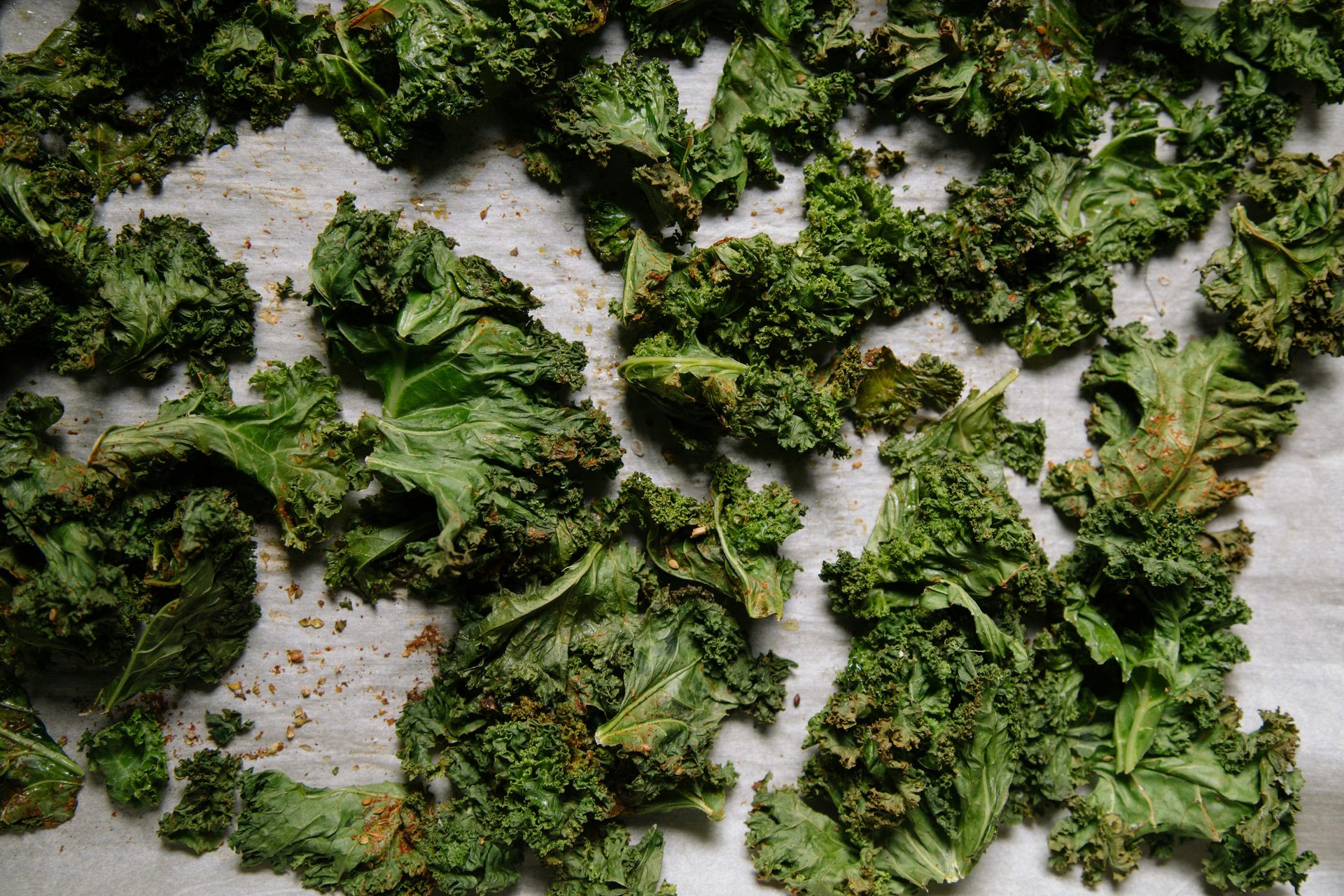
Cooked kale is one of the more freezer-friendly leafy greens you’ll find in any American kitchen. Whether you sautéed a big batch for meal prep, blanched it ahead of time, or have leftover kale from last night’s dinner, the freezer is your best friend for making it last.
The short answer is yes — you can absolutely freeze cooked kale, and it holds up better than most greens. Kale retains more of its hearty texture when frozen compared to other leafy greens like spinach. That said, knowing the right method, storage window, and best uses will make all the difference between kale that’s genuinely useful and kale that ends up with freezer burn. This guide walks you through every step.
Can You Freeze Cooked Kale?
Yes, you can freeze kale that has already been cooked. Cooking or blanching kale before freezing is an accepted and proven way to preserve it for up to six months. Blanching before freezing stops the ripening enzymes in kale leaves from working as they naturally would. It also helps the kale retain its color and ensures it tastes fresh without developing any bitterness.
Freezing helps you retain the nutrition of kale while preventing food waste and making sure you always have a stash of greens on hand. If you regularly cook kale for soups, pasta dishes, grain bowls, or stir-fries, batch-cooking and freezing is one of the most practical things you can do to save time during the week.
Kale is also one of the most nutritious vegetables you can keep in your freezer. Kale contains vitamins A, C, and 900 percent of your recommended daily value of vitamin K. The veggie’s most prominent carotenoids are lutein and beta-carotene, which fight free radicals and oxidative stress. You can read more about superfoods for a healthy heart to see how kale fits into a broader nutrient-rich diet.
Pro Tip: If you cooked your kale with garlic, olive oil, or seasoning, it will freeze just fine — but keep in mind that strong aromatics like garlic can intensify slightly after freezing. Portion it into recipe-ready amounts before you freeze so you can grab exactly what you need later.
Does Freezing Change the Texture or Taste of Cooked Kale?
Freezing does change the texture of cooked kale, but not dramatically — especially compared to more delicate greens. Once frozen, kale will never have the same crisp texture it had before freezing. The water inside the kale will freeze, crystallize, and cause the thawed kale to be slightly less crisp.
All freezing causes some textural changes. The simple act of freezing will rupture some cell walls, and freezing for too long can cause further damage through changes in humidity. For cooked kale, which is already softened, this change is much less noticeable than it would be for raw kale.
On the flavor side, properly frozen cooked kale should taste essentially the same as when it went in. Blanching stops the enzymes that lead to spoilage and enables the vegetables to retain their original texture, vibrant colors, flavors, and nutrients. Failing to blanch your veggies will result in poor textures, faded, dull colors, and off flavors. It can also cause the kale to taste bitter.
Since you’re working with cooked kale — which has already gone through heat — you’re in a good position. The cooking process has already deactivated those enzymes, so your frozen kale should come out tasting clean and fresh, not bitter. Freezing kale preserves its nutrients. It is loaded with just as many vitamins and minerals as the fresh stuff.
How to Freeze Cooked Kale the Right Way
The steps for freezing cooked kale are straightforward. The most important things are removing excess moisture and sealing out air — both of which prevent freezer burn and texture degradation.
- Cool it down first. Never put hot kale directly into the freezer. Let your cooked kale cool to room temperature, then refrigerate it briefly if needed. Adding warm food to the freezer raises the internal temperature and can affect other items stored nearby.
- Drain and squeeze out moisture. Drain your kale well after cooking, spin if you can, and if necessary, spread over a clean towel and roll it up to remove excess moisture. Wet kale forms large ice crystals that damage cell walls and make the texture mushy.
- Portion into usable amounts. Divide the kale into portions that match how you plan to use it — roughly one-cup portions work well for soups, smoothies, and stir-fries. This way, you only thaw what you need each time.
- Pack into airtight freezer bags or containers. It is crucial to remove as much air as possible from the bags to prevent freezer burn and maintain the quality of the kale. Use a vacuum sealer to completely remove the air, or manually remove the air by gently pressing on the bag as you seal it.
- Lay flat and label. Lay the bags flat in the freezer so the kale freezes in a thin, even layer. Label each bag with the date and contents. Freeze quickly to minimize cell damage.
Pro Tip: Store your frozen kale away from strong-smelling foods like fish or onions. Kale absorbs odors readily due to its high surface-area-to-volume ratio, so keep it away from fish, onions, or garlic.
If you enjoy freezing vegetables in general, check out this guide on how to freeze fresh uncooked zucchini for another practical freezer storage method.
How Long Can You Freeze Cooked Kale?
The storage window for frozen cooked kale depends on how well it was prepared before freezing. Here’s a quick comparison:
| Type of Frozen Kale | Recommended Storage Time | Quality After That Period |
|---|---|---|
| Cooked / blanched kale | 6 to 12 months | May lose flavor and texture |
| Raw, unblanched kale | Up to 4 weeks | Develops off-flavors quickly |
| Cooked kale in liquid (soup, stew) | 3 to 6 months | Best used sooner for flavor |
Frozen kale can maintain optimal quality for 8 to 12 months in the freezer. While it technically remains safe to eat indefinitely if properly frozen, its flavor, texture, and nutrient content gradually degrade after this recommended period.
Frozen kale will slowly dry out in the freezer over time, causing the flavor and texture quality to decline. For best flavor and texture, try to use your frozen kale within a few months. For best results, aim to use cooked kale within six months, even if it technically stays safe longer.
Kale is packed with nutrients that support overall health — if you’re interested in how greens like kale can contribute to your wellness, explore this resource on powerful nutrients and foods that fight cancer and learn more about fibroid healing foods where leafy greens play a key role.
How to Thaw Frozen Cooked Kale
One of the best things about frozen cooked kale is that you often don’t need to thaw it at all. When you’re ready to use your frozen kale, it can go straight from the freezer into your recipe. Because the kale is so thin, it thaws almost instantly when added to a hot pan or soup.
When you do need to thaw it fully — for example, if you’re adding it to a batter or a cold dish — here are your options:
- Refrigerator overnight: Simply place the frozen kale in your refrigerator overnight and you’ll have defrosted kale ready to be used the next day. This is the safest and most reliable method.
- Cold water bath: If you are in a hurry to whip up a meal or forgot to take out your frozen kale in time, simply place it in a bowl of cool water to speed up the defrosting process.
- Directly in the dish: For soups, stews, stir-fries, and pasta, skip thawing entirely and drop the frozen kale straight into the hot pan or pot.
Whatever method you choose, remember to drain off any excess water that may come off the leaves, especially if you’re making muffins or pancakes whose batter consistency could be affected.
Important Note: Never thaw frozen kale on the counter at room temperature for extended periods. Keeping food in the temperature danger zone (40–140°F) for too long allows bacteria to multiply. The refrigerator or cold water method is always the safer choice.
Can You Refreeze Cooked Kale After Thawing?
Technically, refreezing thawed cooked kale is not recommended. It’s generally not recommended to refreeze kale that has already been thawed. Refreezing can further degrade the quality and texture. It’s best to thaw only the amount of kale you need for each recipe.
Freeze/refreeze cycles can burst cell walls, make veggies feel slimier, and create freezer burn. After a second freeze-thaw cycle, the texture of cooked kale will be noticeably mushy and the flavor will be flat — making it far less pleasant to eat.
The best way to avoid this problem is to portion your cooked kale into single-use amounts before you freeze it. That way, you pull out exactly what you need and never have to refreeze the rest. Small zip-top freezer bags or a silicone ice cube tray work well for portioning.
How to Use Frozen Cooked Kale (Best Uses After Freezing)
Frozen vegetables generally get a little softer after freezing and thawing, so frozen kale is not ideal for salads or any recipe where you want it to have the same texture as fresh kale. That said, frozen cooked kale is genuinely versatile and works beautifully in a wide range of dishes.
Here are the best ways to use it:
- Soups and stews: Add frozen kale to a soup or stew recipe just before serving. Since you’ve already cooked the leaves during the blanching or steaming process, the veggies only need enough cooking time to defrost and absorb the other flavors. Zuppa Toscana, minestrone, and vegetable beef soup are all excellent choices.
- Smoothies: Frozen kale is great for adding to smoothies. Just toss a handful into your blender with the rest of your fruits and vegetables. No thawing needed.
- Stir-fries and sautés: Use frozen kale to add instant lift to a stir-fry in need of greens, or pair the defrosted veggie with sautéed garlic and red pepper flakes for a flavorful, healthy side.
- Pasta and grain bowls: Stir thawed, drained cooked kale into pasta dishes, rice bowls, or quinoa for a quick nutrient boost. It pairs especially well with lemon, parmesan, and white beans.
- Eggs and breakfast dishes: Breakfast hash is a great dish that can always benefit from a little boost of green. Add frozen kale straight into scrambled eggs, frittatas, or a skillet hash.
- Pesto: Combine defrosted frozen kale with Parmesan cheese, lemon, and walnuts or pine nuts for a flavorful year-round pesto sauce.
- Baked goods: Thaw and squeeze out all moisture before blending cooked kale into muffin batter, savory pancakes, or veggie-packed bread loaves.
Kale’s health profile makes it a smart addition to many meals. Learn more about how it fits into a broader approach to wellness with this guide on whole plant-based foods, or explore foods that can help enhance your liver function — kale is a frequent feature on both lists.
Signs That Frozen Cooked Kale Has Gone Bad
Frozen food doesn’t spoil the way fresh food does, but it can degrade in quality to the point where it’s not worth eating. Here’s what to look for before using your frozen cooked kale:
- Freezer burn: The most obvious indicator is severe freezer burn, characterized by dry, discolored patches. Fruits and vegetables affected by freezer burn become dry and shriveled. They might also be covered in ice crystals because of their high water content, and if you cook them, they’ll likely have a woody texture.
- Off smell: If it smells or tastes off, discard it. Properly frozen kale should smell neutral or faintly green when thawed. A sour, rancid, or “old freezer” smell is a sign to toss it.
- Sliminess after thawing: If kale smells unpleasant or feels slimy, discard it immediately. Some softening is normal after freezing, but slimy, wet, or mushy kale that smells off should not be eaten.
- Dull, gray color: Cooked kale that has been frozen too long or stored improperly can turn a dull gray-green or yellowish color. While not always a safety issue, it signals significant quality loss.
- Extended storage past 12 months: Kale that has been stored for significantly longer than 12 months will likely have lost much of its flavor and become somewhat mushy when cooked.
Key Insight: Freezer-burned foods may look unappetizing and have an unpleasant texture and off-flavor, but they’re usually still safe to eat. If your freezer is set to 0°F (-18°C), bacteria and other harmful pathogens cannot grow, and your food will be safe to eat, as long as it was fresh when you put it in and you thaw it correctly.
For more guidance on how diet choices affect your health, see this resource on foods for healthy skin and learn about foods that promote healthy eyesight — kale’s lutein and beta-carotene content make it a standout for both.
Frequently Asked Questions
Can You Freeze Kale Without Cooking It First?
Kale can be frozen without blanching but should be used within 4 weeks. Blanching greens before freezing stops the naturally-occurring ripening enzymes in the leaves. This ensures that the leaves taste fresh and will not develop a bitter taste. If you plan to store it longer, blanching or cooking first is strongly recommended.
Does Frozen Kale Lose Its Nutrients?
While there might be a slight reduction in certain nutrients during the blanching and freezing process, frozen kale retains most of its nutritional value. In some cases, it may even be more nutritious than fresh kale that has been stored for several days, as nutrients can degrade over time after harvest.
Can You Freeze Kale Chips?
No — kale chips do not freeze well. Frozen kale doesn’t have the right texture to crisp up in the oven. Kale chips rely on being completely dry and crisp, and freezing introduces moisture that makes them soggy and impossible to re-crisp. Make kale chips fresh and eat them the same day.
How Do You Know How Much Frozen Kale to Use?
A good rule of thumb is that cooked kale shrinks significantly — roughly four to five cups of raw kale cooks down to about one cup. When you pull frozen cooked kale from the freezer, use it cup-for-cup as a substitute for freshly cooked kale in any recipe. No adjustment needed.
Is Frozen Kale Good for Smoothies?
Yes — frozen kale is one of the best smoothie additions you can keep on hand. Freezing helps you retain the nutrition of kale while preventing food waste and making sure you always have a stash of greens on hand. Toss it straight into the blender frozen — no thawing required — and blend with fruit, yogurt, or your favorite protein powder. The MasterClass guide on freezing kale and Budget Bytes both confirm frozen kale blends seamlessly without any prep.
Can You Freeze Kale Soup or Kale in Broth?
Yes. Kale that’s already in a soup or stew freezes well as part of the dish. The liquid actually helps protect the kale from freezer burn. Freeze the soup in airtight containers, leaving about an inch of headspace for expansion, and use it within three to four months for the best flavor. For more ideas on how greens work in traditional dishes, check out this look at traditional Greek foods, where leafy greens are a staple.