Can You Freeze Chicken Pasta Salad? What You Need to Know

November 2, 2026
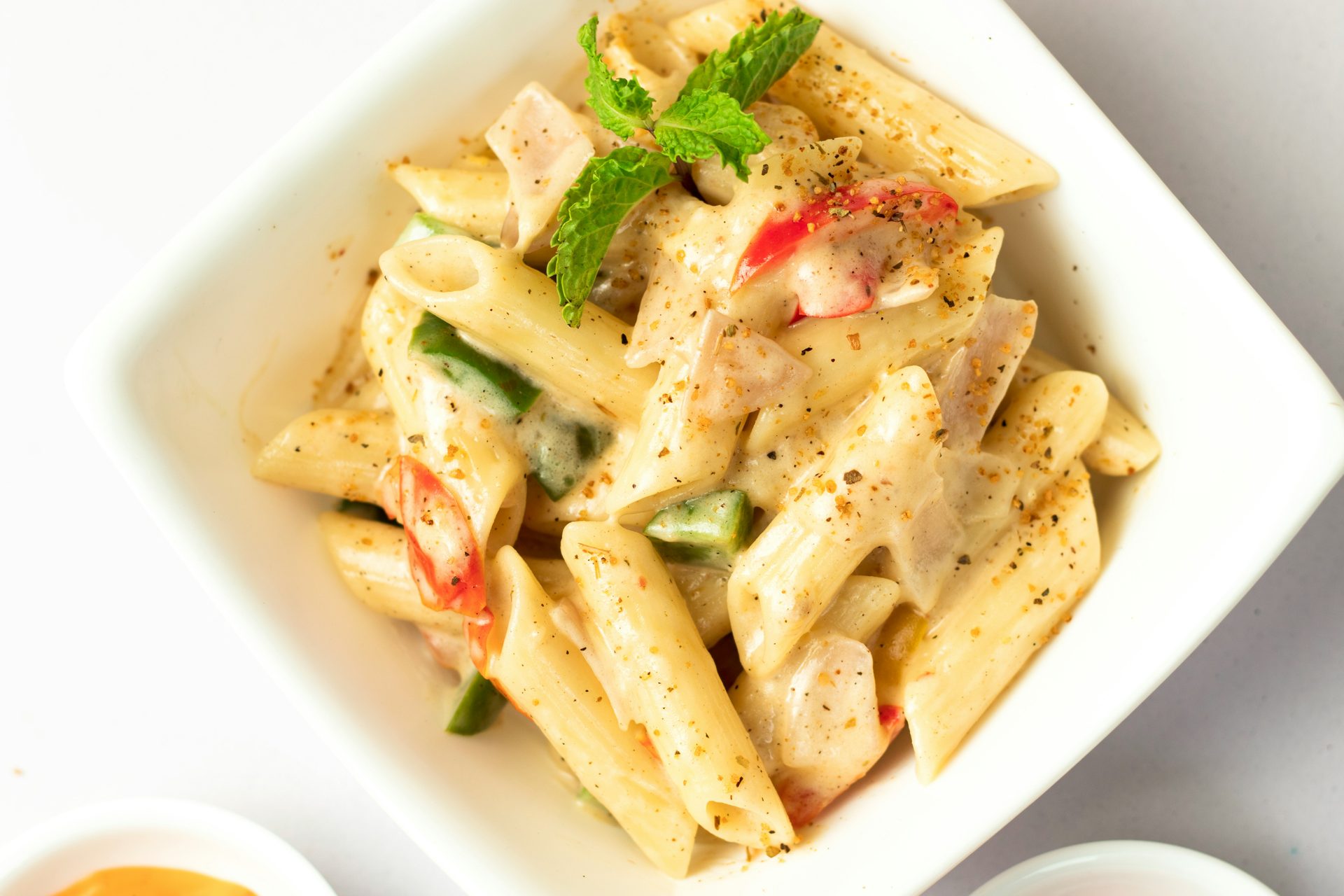
Chicken pasta salad is one of those dishes that seems to multiply in the bowl — you make a batch for a cookout or weeknight dinner, and suddenly you have twice as much as you need. The question that follows almost every big batch is whether you can stick the leftovers in the freezer and call it a day.
The short answer is yes, you can freeze chicken pasta salad — but the results depend almost entirely on what’s in it and how you prepare it for freezing. Some versions hold up reasonably well; others come out of the freezer with a texture that’s hard to salvage. This guide walks you through everything you need to know before you reach for that freezer bag.
Can You Freeze Chicken Pasta Salad?
You can freeze chicken pasta salad with pasta to extend its shelf life. For the best results, it is recommended to freeze the pasta separately and add the dressing or mayonnaise only after defrosting. That one step makes a bigger difference than most people expect.
The freezer-friendliness of your salad comes down to the dressing. Pasta salads made with thin, oil-based dressings — such as most Mediterranean pasta salads — will hold up okay in the freezer. Pasta salad made with a creamy or mayonnaise-based dressing, however, won’t freeze nearly as well. The texture and taste of mayo or dairy-based dressings will change after they thaw.
Cooked chicken (especially shredded) freezes well and the quality does not change after thawing. That’s good news for the protein component of your salad. The trouble spots are the dressing and any high-water vegetables mixed in.
Pro Tip: If you know you’ll be making a large batch and plan to freeze some, hold back the dressing entirely before freezing. Add it fresh after thawing for the best possible result.
Does Freezing Change the Texture or Taste of Chicken Pasta Salad?
Freezing changes chicken pasta salad in several ways, and it’s worth knowing what to expect before you commit a big batch to the freezer.
The pasta softens. Freezing pasta salad alters its texture and taste, often in ways that challenge its original appeal. The pasta tends to become softer and slightly mushy after thawing due to the rupture of starch cells during freezing. This process allows moisture to penetrate the pasta, altering its structural integrity.
Vegetables release water. Vegetables, particularly crisp ones like cucumbers or bell peppers, release water as they thaw, diluting the dressing and creating a soggy base. Tomatoes, mushrooms, and leafy greens behave the same way. Fresh vegetables like broccoli, peas, and carrots tend to freeze quite well — those are the ones worth keeping in.
Creamy dressings break down. Mayonnaise and other creamy dressings are best left unfrozen because their makeup doesn’t lend itself well to dramatic temperature changes. What was a previously emulsified mix of ingredients will inevitably separate, and it’s near impossible to restore its texture.
Cream-based dressings separate, resulting in an oily or grainy consistency, while vinegar-based dressings may intensify in acidity, overwhelming the dish’s balance. Neither outcome is ideal, which is why separating dressing from pasta before freezing is the most effective workaround.
How to Freeze Chicken Pasta Salad the Right Way
A little prep work before freezing makes a real difference in what you get when you thaw it. Follow these steps for the best outcome.
- Cool everything completely first. Before you freeze your leftovers or prepped pasta salad ingredients, make sure everything has cooled down. Any heat will create condensation, which will lead to soggy ingredients.
- Undercook the pasta slightly. Cook the pasta al dente — the smallest amount of time suggested on the package, or even a minute or two before that time. Remove pasta immediately from the boiling water and run cold water over it to stop the cooking process. This accounts for the softening that happens during freezing.
- Remove high-water vegetables. If possible, pick out the fresh ingredients from the pasta salad. The pasta will freeze a lot better without lettuce, herbs, or fresh vegetables with a high water content (tomatoes and cucumbers, for example).
- Keep the dressing separate. Consider separating the non-dressed part and freeze only that part. That way, you can add the creamy dressing after it’s defrosted, and it’ll taste good as new.
- Use the right containers. Store pasta salad in airtight containers or heavy-duty freezer bags, removing as much air as possible to prevent freezer burn. For single servings, consider spooning the mixture into separate freezer bags. Use your hands to press as much air out of them as possible, and seal tightly.
- Label everything. Always label your frozen pasta salad with the date it went in the freezer. This takes five seconds and saves you from guessing games later.
Pro Tip: Freeze individual portions rather than one large container. You can thaw exactly what you need without exposing the rest to repeated temperature changes.
Planning what to serve alongside your chicken pasta salad? Check out this guide on what to serve with pasta salad for pairing ideas that work whether you’re serving it fresh or from the freezer.
How Long Can You Freeze Chicken Pasta Salad?
Storage time depends on how well you’ve prepared the salad for freezing and what’s in it.
| Scenario | Recommended Freezer Time | Quality Notes |
|---|---|---|
| Pasta frozen separately, no dressing | Up to 3 months | Best quality; add dressing fresh after thawing |
| Fully mixed salad with oil-based dressing | Up to 2 months | Acceptable; expect some texture softening |
| Fully mixed salad with mayo-based dressing | 1 week or less | Significant texture and flavor changes likely |
If frozen in the correct way, you can freeze pasta salad for up to three months. However, the sooner you use it, the less the taste and texture will be affected. It’s recommended to defrost and use your pasta salad within a month of freezing.
According to the Mayo Clinic , frozen leftovers will stay safe for a long time, but they usually taste better if eaten within 3 to 4 months. For chicken pasta salad specifically, staying closer to the one-to-two-month mark gives you noticeably better results.
Also keep in mind: never freeze the salad that has been sitting at room temperature for over 2 hours or in the fridge for over 3 days. The USDA Food Safety and Inspection Service confirms that leftovers can be kept in the refrigerator for 3 to 4 days or frozen for 3 to 4 months.
How to Thaw Frozen Chicken Pasta Salad
How you thaw the salad is just as important as how you freeze it. Rushing the process leads to uneven texture and potential food safety issues.
The refrigerator method (best option): Pasta salad should be thawed in the refrigerator at 40°F (4°C) or below, a process that typically takes 8–12 hours for a standard batch. This slow method ensures even warming while minimizing the risk of bacterial proliferation in the “danger zone” (40°F–140°F). Avoid leaving it on the counter, as room temperature thawing accelerates spoilage.
The cold-water method (faster option): For those needing a quicker solution, the cold-water method is a viable alternative. Submerge the sealed container of frozen pasta salad in a bowl of cold water, changing the water every 30 minutes to maintain a consistent temperature. This reduces thaw time to 2–3 hours for smaller portions.
Once thawed, give the salad a good stir and taste it before adding any reserved dressing. There’s no need to reheat anything (unless you prefer your pasta salad slightly warm), and once everything is back to an edible temperature, dress away.
Keeping food at the right temperature is one of the most important parts of food safety. For more detail on safe cold storage, see this guide on how cold a refrigerator needs to be to keep food safe.
Can You Refreeze Chicken Pasta Salad After Thawing?
This is one area where you should not cut corners. Do not refreeze chicken or chicken salad after it has been defrosted, as this will cause contamination and food poisoning.
The USDA’s guidance on this is clear: it is safe to refreeze any food remaining after reheating previously frozen leftovers to the safe temperature of 165°F. If a large container of leftovers was frozen and only a portion of it is needed, it is safe to thaw the leftovers in the refrigerator, remove the needed portion, and refreeze the remainder of the thawed leftovers without reheating it. However, with chicken pasta salad that’s already been mixed and thawed, the practical reality is that quality degrades significantly with each freeze-thaw cycle, and the chicken component poses real food safety concerns.
It is not recommended to reheat the same batch and return it to the freezer more than once. The best approach is to freeze in single-serving portions so you only thaw what you’ll eat that day.
Important Note: Once your chicken pasta salad has been thawed, eat it within 24 hours and do not return it to the freezer. Refreezing thawed chicken raises serious food safety concerns.
How to Use Frozen Chicken Pasta Salad (Best Uses After Freezing)
Even if the texture isn’t quite what it was fresh, thawed chicken pasta salad is far from a lost cause. A few smart uses can turn it into a genuinely good meal.
- Toss with fresh dressing and add-ins. After thawing, add some fresh vegetables, herbs, and some mayo to refresh the taste. A handful of fresh cherry tomatoes, chopped parsley, or a squeeze of lemon can bring it back to life.
- Use it as a warm pasta dish. Sauté the thawed pasta and chicken in a little olive oil with garlic, and serve it warm rather than cold. The softer pasta texture works much better when it’s not meant to be crisp.
- Stuff it into a wrap or pita. Leftovers are delicious stuffed into a pita or rolled up in a wrap. The bread masks any textural changes in the pasta.
- Turn it into a baked casserole. Using thawed chicken salad in new recipes, such as casseroles, is a great option to fix the texture and ensure safe consumption of a thawed chicken salad. Add a layer of cheese on top and bake at 375°F until bubbly.
- Use it as a stuffing for chicken breasts. This is a great way to use up leftover pasta salad and make a delicious dish. Just add the salad to a chicken breast, wrap it in some foil, and bake until cooked through.
If you frequently make chicken pasta salad as a side dish, you might find inspiration in this list of what to serve with Italian pasta salad for creative meal combinations. For seafood-based pasta salads, this guide on what to serve with seafood pasta offers solid pairings as well.
Signs That Frozen Chicken Pasta Salad Has Gone Bad
Knowing when to toss your frozen chicken pasta salad is just as important as knowing how to store it. Some signs of spoilage are obvious; others are not.
The Mayo Clinic points out that bacteria typically don’t change the taste, smell, or look of food, so you can’t always tell whether a food is dangerous to eat. If you’re in doubt about a food’s safety, it’s best to throw it out. That said, there are visible and sensory signs that make the decision clear.
- Off smell: Any sour, rotten, or otherwise unpleasant odor after thawing is a firm sign to discard the salad. Cooked chicken that has turned smells distinctly sour or sulfuric.
- Slimy texture on the chicken: A chicken salad that is extra mushy or has a slightly odd taste or smell is not safe to eat. A slimy or sticky coating on the chicken pieces is a clear red flag.
- Visible mold: Any green, white, or black fuzzy growth means the entire container should go in the trash — not just the moldy section.
- Freezer burn: Food that’s been frozen for too long can easily lose its taste or texture. Freezer burn can take a nasty toll, leaving your defrosted meal with a strange and suspicious taste. Gray or dry patches on the pasta or chicken indicate freezer burn. The food is still technically safe to eat but will taste noticeably off.
- Exceeded storage time: If you can’t remember when you froze it, and there’s no label, err on the side of caution. The USDA recommends storing cooked chicken in the refrigerator for only 3–4 days. Chicken that was frozen close to that window has a shorter quality lifespan in the freezer.
According to the USDA FSIS , throw away all perishable foods that have been left at room temperature for more than 2 hours (1 hour if the temperature is over 90°F, such as at an outdoor picnic during summer). If your chicken pasta salad sat out at a summer barbecue before you thought to freeze it, it should go in the trash, not the freezer.
Frequently Asked Questions
Can you freeze chicken pasta salad with mayonnaise?
It’s not recommended to freeze pasta salad with mayonnaise. You can do it, but the mayonnaise will change in texture and taste. It is best to freeze the pasta first, then add any dressings once it has been defrosted. If you’ve already mixed the mayo in, the salad is still safe to freeze, but expect a watery, separated texture when you thaw it.
How long does chicken pasta salad last in the fridge?
When stored correctly in an airtight container, pasta salad can last up to five days in the refrigerator. However, because of the chicken component, staying within the 3–4 day window is the safer choice. Refrigeration is often a better option than freezing for creamy chicken pasta salads.
What type of pasta freezes best in a pasta salad?
Regardless of the type of pasta, it will freeze just fine. Whether you’ve made a penne salad, macaroni salad, fusilli salad, or farfalle salad, you should be able to freeze it just fine. The pasta shape matters less than how well it was cooked before freezing — al dente always wins.
Can you freeze store-bought chicken pasta salad?
You can, but the results are generally worse than freezing homemade versions because store-bought salads are typically fully dressed and contain high-water vegetables. Store-bought chicken salad usually contains preservatives that give it a longer shelf life while sealed, but once you break that seal, the 3–4 day countdown begins, just like with homemade. Freezing it extends safety but not quality.
Is it safe to eat chicken pasta salad left out overnight?
No. According to the USDA FSIS
, within 2 hours of cooking food or after it is removed from an appliance keeping it warm, leftovers must be refrigerated. Chicken pasta salad left out overnight falls well outside the safe window and should be discarded, not frozen.
What vegetables work best in a chicken pasta salad you plan to freeze?
Opt for hearty vegetables like carrots, broccoli, or cherry tomatoes, which retain their structure better than leafy greens or cucumbers. Peas also freeze well. Skip the cucumbers, raw onions, lettuce, and fresh herbs — add those after thawing instead.