
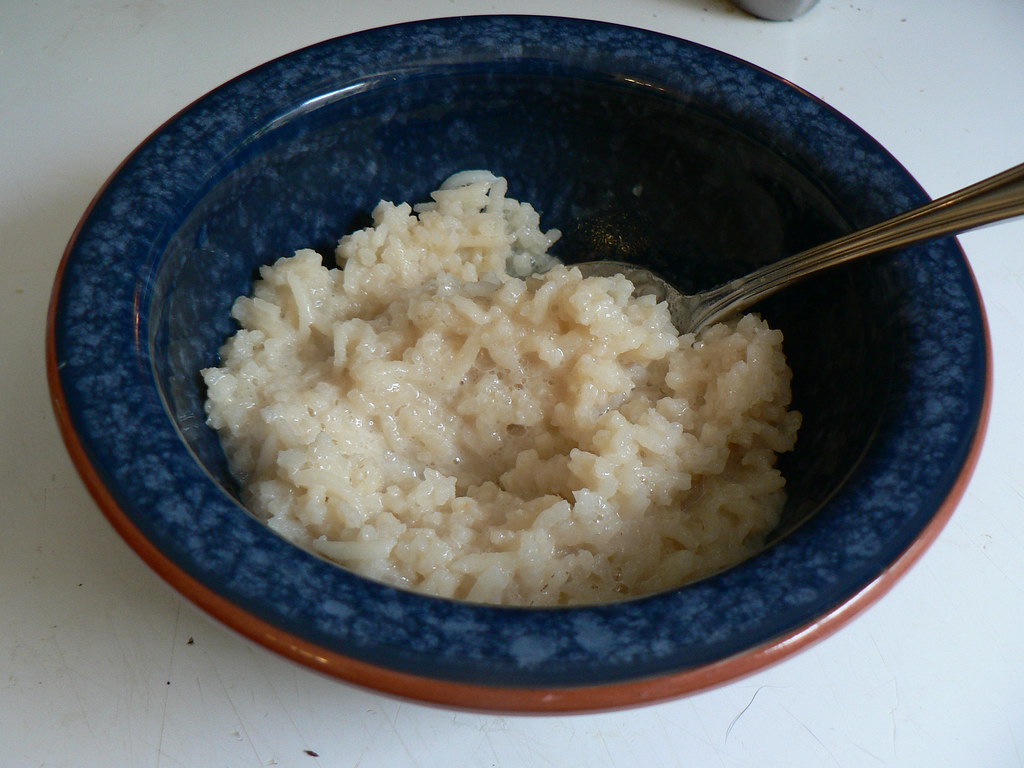
Rice pudding is one of those comforting American desserts that takes real time and effort to make. Whether you slow-cooked a big pot on the stovetop or ended up with more than you could eat, you’re probably wondering whether the freezer is a realistic option. The short answer is yes — you can freeze rice pudding, and it holds up better than most dairy-based desserts.
That said, there are a few things worth knowing before you seal up that container. Freezing rice pudding can alter its texture and consistency, so understanding the potential impact and using the right techniques matters for getting acceptable results. This guide walks you through everything from prep to storage to the best ways to use it after thawing.
Can You Freeze Rice Pudding?
Yes, you can freeze rice pudding for up to 3 months. Freezing is a great option to extend the shelf life of rice pudding, and you can thaw smaller amounts when you’re ready to enjoy it at a later date.
Rice pudding freezes remarkably well for a dairy and rice dish — two things that can sometimes freeze quite poorly. The key is to protect it from freezer burn and oxidation, which can completely ruin the texture.
One important safety note: it’s not safe to freeze rice pudding that has been left at room temperature for more than two hours (one hour if the room temperature is above 90°F). Bacteria can multiply rapidly at room temperature, and freezing will not kill them. Always get your pudding into the freezer promptly after it cools.
Pro Tip: If you made your rice pudding with leftover rice, keep in mind that Tasting Table notes that if the rice you used is already several days old, it’s best to eat the pudding right away rather than freeze it.
Does Freezing Change the Texture or Taste of Rice Pudding?
Freezing does change rice pudding somewhat — but knowing what to expect makes it easier to manage. When food is frozen, the water inside it turns into ice crystals. These ice crystals can damage the food’s cell structure, resulting in changes to its texture and flavor. The quicker the food freezes, the smaller the ice crystals will be, which helps minimize damage.
While freezing rice pudding is possible, it might undergo slight texture changes once thawed. The pudding could become a bit grainy or watery, especially if it’s made with eggs or cream. This can be minimized by reheating the pudding gently and adding a little milk or cream to restore its smoothness.
The type of milk used may also affect the results. Milk doesn’t always freeze well, so there may be some separation when you thaw the rice pudding. There are many milk substitutes, and depending on whether you use coconut milk, oat milk, or almond milk, the pudding may separate more or less. The type of milk will also change the creaminess of the rice pudding.
Flavorings like vanilla or cinnamon may lose some of their potency when frozen, so you may need to adjust the amount added. It is best to use high-quality flavorings to ensure that the desired flavors shine through even after freezing.
| Factor | Effect After Freezing | Fix |
|---|---|---|
| Texture | May become grainy or watery | Stir vigorously; add a splash of milk when reheating |
| Dairy separation | Milk or cream may separate | Stir well or use an immersion blender briefly |
| Flavor | Vanilla and spices may fade slightly | Add a pinch of cinnamon or dash of vanilla when reheating |
| Raisins or fruit | Become soft, mushy, or hard | Add toppings fresh after thawing, not before freezing |
How to Freeze Rice Pudding the Right Way
Following the right steps makes a real difference in quality. To maintain the best texture when freezing rice pudding, choose a freezer-safe container, remove excess air before sealing, and allow it to come to room temperature before freezing.
Here’s the full step-by-step process:
- Cool it down first. Before freezing your rice pudding, cook it and then allow it to cool. Once cooled to room temperature, act fast — you don’t want to leave it sitting out as this is when harmful bacteria can form.
- Portion it out. Portion out the rice pudding into freezer-safe containers before placing them in the freezer. This makes it easier to take out just the amount you need instead of thawing a whole pot.
- Leave headroom. Leave about an inch of space at the top of the container in case the rice pudding expands as it freezes and thaws.
- Seal out the air. If using a bag, seal it up while squeezing out as much excess air as possible. If using a rigid container, place a piece of plastic wrap directly on top of the rice pudding to protect it from air that can cause freezer burn.
- Label and date. Label your rice pudding with the name and date so that you know when it went in the freezer.
- Freeze quickly. Place the rice pudding in the coldest part of the freezer to ensure quick freezing.
Pro Tip: Rice pudding freezes really well, with the exception of raisins. Raisins have a tendency to dry out and get hard in the freezer, so it’s recommended that you cook your rice pudding without the raisins and add them in during the reheating process later.
Choosing the right container also matters. Choose an appropriate container, making sure it’s freezer-safe and leak-proof. Empty yogurt or cottage cheese containers aren’t usually vapor-resistant enough to keep food fresh during freezing.
How Long Can You Freeze Rice Pudding?
Properly frozen rice pudding will keep for up to three months. Rice pudding will last for 3 months in the freezer. Ideally, you’ll want to eat it much sooner for the best quality. After 3 months, the pudding can still be eaten, but the quality will diminish. The texture will be watery and the flavor will not be as fresh.
The longer the rice pudding is stored in the freezer, the more chances of it getting freezer burn. This happens when air gets into the freezer bag or container and oxidizes the pudding. Proper sealing is the single most important step you can take to prevent this.
For context, once cooked and cooled, you can keep rice pudding in the fridge for up to 4 days when kept in a container or covered bowl. Freezing extends that window dramatically, making it a practical choice if you like to batch cook or meal prep desserts.
| Storage Method | How Long It Lasts | Best Quality By |
|---|---|---|
| Room temperature | 2 hours maximum | Serve immediately |
| Refrigerator | Up to 4 days | Within 2 days |
| Freezer | Up to 3 months | Within 4–6 weeks |
How to Thaw Frozen Rice Pudding
Thawing correctly is just as important as freezing correctly. Place the frozen pudding in the refrigerator overnight or for several hours until thawed. This is the gentlest method, preserving the pudding’s texture and flavor.
You shouldn’t thaw rice pudding at room temperature on your kitchen counter. This will increase the amount of bacteria and could cause your rice pudding to spoil.
If you’re in a hurry, you can also thaw the rice pudding in the microwave using the defrost setting. You can also thaw it directly on the stovetop over very low heat, though the fridge method gives you the best results.
Once thawed, you may need to add a tablespoon or two of milk or cream when reheating. You can reheat rice pudding on medium-low heat in a small saucepan on the stove. It’s a good idea to stir the rice pudding often so that it doesn’t stick to the bottom of the saucepan.
Pro Tip: Besides adding milk, you can try stirring the rice pudding vigorously after thawing. This can help re-emulsify the ingredients and slightly improve the texture. A brief whiz with an immersion blender can also help, but be careful not to over-process it.
If you plan to eat the pudding warm, choose a container that’s safe to use in the microwave too. It’ll save you a step when you’re ready to thaw your dessert.
Can You Refreeze Rice Pudding After Thawing?
Refreezing rice pudding is something to strongly avoid. There is a risk the milk can spoil or split, which will make the rice pudding taste pretty awful. There is also a risk that you’ll ruin the texture of the rice.
Do not refreeze rice pudding once it has been thawed. Refreezing further degrades the texture and increases the risk of bacterial growth. This is exactly why portioning your pudding before freezing is so important — you only thaw what you need.
Enjoy thawed rice pudding within 2 days of thawing. If you know you won’t finish a portion within that window, it’s better to discard the remainder than to risk refreezing it.
How to Use Frozen Rice Pudding (Best Uses After Freezing)
Even if the texture shifts slightly after thawing, there are plenty of ways to put frozen rice pudding to good use. Eating it straight from the bowl after reheating is still a great option — a splash of milk and a good stir usually brings it back close to its original creaminess.
Beyond that, here are some practical and creative ways to use thawed rice pudding:
- Eat it partially frozen. Like any food with a high liquid content, its texture can change during the process. While still frozen, it may seem more like ice cream than pudding. Scoop it straight from the freezer for a cold treat on a warm day.
- Make rice pudding popsicles. You can ladle it into freezer-pop molds. These icy treats should be firm enough to eat in about five hours.
- Use it as a baked good ingredient. Thawed rice pudding is often best used in baked goods, smoothies, or other recipes where the texture is less critical.
- Mix it into pancake batter. Mix leftover rice pudding into your pancake batter. Cook as usual and serve with syrup or fruit topping.
- Use it as a tart filling. Use the rice pudding as a filling for a tart shell. Top with whipped cream and a sprinkle of cinnamon or nutmeg.
- Top it fresh. At the reheating stage, you can add raisins, nuts, or your favorite fruits. A sprinkle of cinnamon is a great finishing touch.
Rice pudding is a versatile base that pairs well with many toppings and mix-ins. If you’re interested in how nutrient-dense whole foods can complement your everyday cooking, check out this guide on whole plant-based foods for ideas on fruit and nut pairings.
Signs That Frozen Rice Pudding Has Gone Bad
Even in the freezer, rice pudding can go bad — especially if it wasn’t sealed properly or has been stored too long. Knowing what to look for keeps you safe.
Common signs of rice pudding going bad include unusual colors, odd lumps, unpleasant smells, a sour taste, and noticeable mold. Here’s how to check each one:
- Smell: If your rice pudding does not smell right anymore, then it is time to toss it. When rice pudding starts to turn, it will smell like spoiled milk.
- Color: If the color of your rice pudding is no longer creamy, it is time to toss it. When it starts to go bad, it may begin to turn a green or yellow color.
- Mold: Mold on rice pudding is a definite sign that it has spoiled and should not be consumed. It can appear in colors like white, green, blue, or black. Visible mold is a definite no-go.
- Texture: A pudding’s consistency should be smooth and creamy. If it appears lumpy or if there is liquid floating on the surface, it means the pudding has likely spoiled.
- Taste: Any changes in taste can indicate spoilage. The taste of your rice pudding should be sweet and delightful, not sour or bitter.
- Dark spots: Any sign of dark spots or bright specks on your pudding means that you need to dispose of it. Digesting this mold can cause illness, and if left open in the fridge, it can spread to other open foods.
Eating spoiled rice pudding is no joke. It can lead to food poisoning with symptoms like nausea, vomiting, diarrhea, and stomach cramps. When in doubt, throw it out.
Keeping your kitchen stocked with wholesome, properly stored foods is a cornerstone of good health. For more on foods that support your wellbeing, explore this overview of superfoods for a healthy heart and this guide to foods for healthy skin.
Frequently Asked Questions
Can You Freeze Store-Bought Rice Pudding?
Yes. Store-bought rice pudding can be frozen using the same method as homemade. Transfer it from its original packaging into a freezer-safe airtight container, leave about an inch of headroom, seal tightly, label it, and freeze for up to 3 months. Note that store-bought versions may contain stabilizers that help them hold up slightly better than homemade versions after thawing.
Can You Freeze Rice Pudding Made With Coconut Milk?
Freezing rice pudding made with coconut milk is possible, though it may affect the texture. Coconut milk can separate when frozen, causing the pudding to become a bit grainy. To minimize texture issues, you can stir in some coconut cream when reheating to restore a smoother consistency.
Can You Freeze Rice Pudding With Raisins?
Freezing rice pudding with raisins or other additions may affect the texture of those ingredients, making them softer or mushier. If you want to maintain the texture of specific ingredients, it’s better to add them back in after the pudding is reheated.
How Do You Fix Watery Rice Pudding After Thawing?
Properly frozen rice pudding will keep for up to three months. When you’re ready to eat, simply thaw in the microwave or a pan, stirring in a little milk if necessary to bring it back to creamy perfection. If it still seems too thin after stirring, reheat it gently on the stovetop over low heat — the starch in the rice will help it thicken back up as it warms.
Can You Eat Rice Pudding Cold After Freezing?
Yes. Once fully thawed in the fridge, you can eat rice pudding cold without reheating it. Give it a good stir first to recombine any separated liquid. Cold rice pudding works especially well topped with fresh berries, a drizzle of honey, or a sprinkle of cinnamon — a popular way to enjoy it as a breakfast or snack across the United States.
Is It Safe to Freeze Rice Pudding Made With Eggs?
The pudding could become a bit grainy or watery, especially if it’s made with eggs or cream. It is still safe to freeze egg-based rice pudding as long as it was handled and cooled properly before freezing. The texture change will be more noticeable, so plan to use it in a recipe (like a tart filling or baked good) rather than eating it straight if the texture matters to you.