Can You Freeze Eggplant Raw? What You Need to Know Before You Try

November 1, 2026
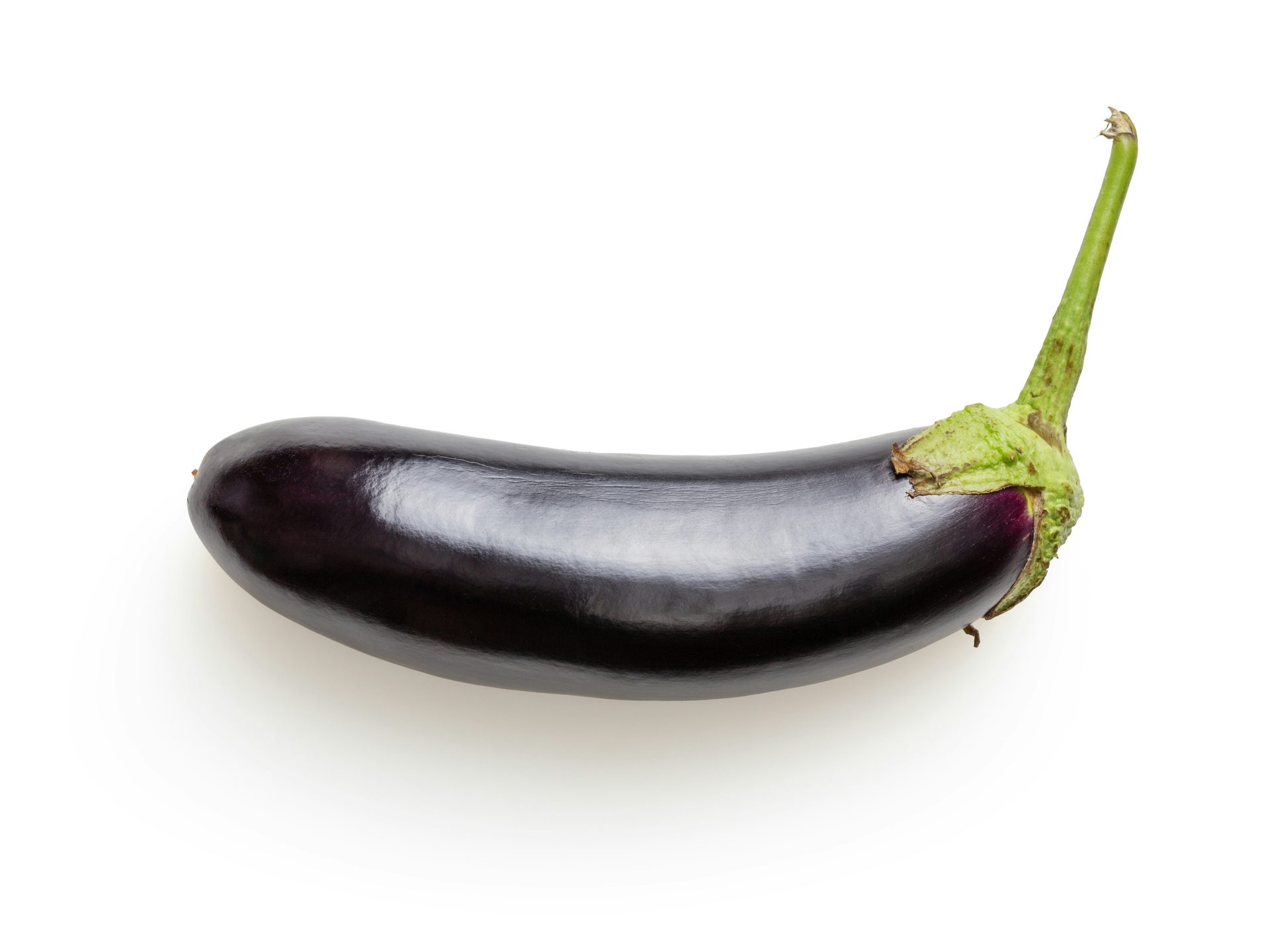
Eggplant is one of those vegetables that seems like it should be easy to freeze — you’ve got extra, the freezer is right there, and tossing it in feels like the logical move. But freezing eggplant raw is one of the most common food storage mistakes home cooks make, and the results are almost always disappointing.
The short answer is: you can freeze eggplant, but not raw. A little prep work before it goes in the freezer makes the difference between a batch you’ll actually use and a bag of mush you’ll throw away. This guide walks you through everything — from why raw freezing fails to the best ways to thaw and cook your frozen eggplant later.
Can You Freeze Eggplant?
Yes, you can freeze eggplant — but raw eggplant is a different story. Because eggplant consists of 90% water, it does not freeze well in its raw state. That high moisture content is the core problem. When frozen raw, the water in eggplant forms ice crystals that can damage the cell structure of the vegetable, leading to a mushy, unappetizing texture upon thawing.
The good news is that freezing works well when you take one extra step first. You can freeze eggplant and avoid this, as long as you blanch or cook it first. Whether you blanch slices, roast the whole vegetable, or sauté it down, cooking removes much of the water and protects the flesh from ice crystal damage. Freezing eggplant is really the only option for preserving this colorful favorite, since canning it safely is not practical for home cooks.
If you grow your own or find a great deal at a farmers market, freezing is a smart way to stock up. The secret to freezing eggplant successfully is starting with the freshest fruits you can find — for homegrown crops, pick eggplants before seeds mature, since as seeds mature, the fruit turns bitter. At the store, look for smooth, shiny skin and a deep, rich color, and give it a gentle squeeze — it should be firm, but with a slight give.
Pro Tip: Work quickly once you slice eggplant. Eggplant starts to turn brown if the slices are exposed to air for more than about 30 minutes. Have your blanching water ready before you start cutting.
Does Freezing Change the Texture or Taste of Eggplant?
Freezing does change eggplant’s texture, and it’s worth knowing what to expect before you plan your meals around it. Freezing can slightly alter the taste and texture of eggplant, but if properly blanched and stored, it should remain flavorful and suitable for most cooked dishes. The key phrase there is “cooked dishes” — it works best in cooked dishes rather than raw applications.
While all eggplants become more watery after freezing, some types freeze better than others. Black varieties usually hold up better after freezing than Chinese and Thai eggplants. Italian and Japanese varieties also tend to perform well. All varieties of eggplant can be frozen, but firmer types like Italian or Japanese eggplants tend to hold up better after freezing and thawing.
On flavor, freezing itself should not significantly alter the flavor of the eggplant — however, if the eggplant is not properly prepared, it may absorb off-flavors from the freezer. This is why airtight packaging matters so much. Air is the enemy of frozen food. If you use thin sandwich bags instead of heavy-duty freezer bags, or if you fail to squeeze out the air, your eggplant will develop a “freezer taste” within weeks.
One minor cosmetic change to expect: eggplant can sometimes darken slightly during freezing, but this doesn’t affect the taste or safety of the vegetable.
How to Freeze Eggplant the Right Way
There are three reliable methods for freezing eggplant, and the right one depends on how you plan to use it later. All three require you to cook or blanch the eggplant before it goes in the freezer. The key to freezing eggplant is to decide how you plan to use it later and to pick the right pre-freeze preparation method.
Method 1: Blanching (Best for Slices)
Blanching is the method recommended by the National Center for Home Food Preservation at the University of Georgia. Blanching is recommended because it helps preserve the eggplant’s texture, color, and nutritional value by breaking down enzymes that cause deterioration. It’s also the best choice if you plan to use eggplant for dishes like eggplant Parmesan, lasagna, or sandwiches.
- Wash, peel, and slice the eggplant 1/3-inch thick.
- Water blanch 4 minutes in 1 gallon of boiling water containing 1/2 cup lemon juice. The lemon juice prevents browning.
- Transfer immediately to an ice bath to stop the cooking process, then drain thoroughly.
- Arrange the blanched and cooled eggplant slices in a single layer on a baking sheet, ensuring they are not touching. Place the baking sheet in the freezer for a couple of hours to flash freeze the slices and prevent them from sticking together.
- Once the eggplant slices are frozen solid, transfer them to airtight containers or freezer bags. Remove as much air as possible to minimize the risk of freezer burn.
- Label each bag or container with the date to keep track of storage duration.
Method 2: Oven-Roasting Slices (Best for Stir-Fries and Casseroles)
If you want slices that are ready to reheat and eat, roasting is a great option. Cut the eggplant into approximately one-inch-thick slices, either lengthwise or crosswise, and bake in the oven on a large baking sheet at 350°F for about 15 to 20 minutes, depending on the size of the eggplant, just until tender. Once cool, place the slices between wax paper to prevent sticking, and store in freezer bags or containers.
Method 3: Roasting Whole and Pureeing (Best for Dips and Sauces)
When you plan to use eggplant in soups, stews, dips, or spreads, skip the slicing and roast the whole vegetable. Start by poking the eggplant with a fork, then roast in a 400°F oven for 30 to 45 minutes, depending on the size of the eggplant, until it starts to collapse. Once cool, halve the eggplant, scoop out the flesh, and freeze in freezer bags or containers. This method works especially well for baba ganoush, pasta sauce, and Greek-inspired dishes like melitzanosalata.
Pro Tip: Salting your eggplant for 10 minutes before cooking draws out excess moisture. Before cooking fresh eggplant, generously salting to draw out excess moisture is a game-changer. This step is especially helpful when roasting slices you plan to freeze.
How Long Can You Freeze Eggplant?
Properly prepared and stored eggplant keeps well in the freezer for a significant stretch of time. Frozen cooked eggplant can last in the freezer for eight to 12 months. However, for the best quality, try to use it within a few months. The longer it’s stored, the more its texture and flavor can degrade.
The preparation method also affects how long it stays at peak quality. While you can freeze eggplant without blanching, the storage life drops significantly. Unblanched eggplant usually begins to degrade in quality after just 4 to 6 weeks, whereas blanched eggplant can stay high-quality for 9 to 12 months.
| Preparation Method | Freezer Life (Best Quality) | Maximum Freezer Life |
|---|---|---|
| Blanched slices | Up to 9 months | 10–12 months |
| Roasted slices | Up to 9 months | 10–12 months |
| Pureed/roasted whole | 6–9 months | Up to 12 months |
| Raw (not recommended) | 4–6 weeks | Poor quality beyond that |
Always label your bags with the date so you know exactly how long each batch has been in the freezer. Use the oldest portions first to avoid waste.
How to Thaw Frozen Eggplant
How you thaw eggplant depends on what you’re making. For most recipes, you have two practical options.
Refrigerator thawing is the best method for preserving texture. To thaw frozen eggplant, place it in the refrigerator for several hours or overnight. This slow thaw keeps the eggplant from getting waterlogged and gives you the most control over the final texture before you cook it.
Cooking from frozen is the fastest option and works well for soups, stews, and pasta sauces. For most dishes, you can add the frozen veggie directly into the cooking process. The heat from the dish will thaw and cook it at the same time, and the extra moisture will cook off.
A third option is quick-thawing in cold water. You can thaw it quickly by placing the freezer bag in a bowl of cold water, changing the water every 30 minutes. Avoid thawing at room temperature, as this can encourage bacterial growth on the outer layers before the center is fully thawed.
After thawing, expect some extra liquid. If your eggplant is watery after thawing, squeeze out as much excess moisture as possible before using it in your recipe. Patting it dry with paper towels can also help. This step makes a real difference in dishes where you want firmer pieces rather than a soft, wet texture.
Key Insight: Microwave thawing is possible but use it with caution. You can defrost it in the microwave using the “defrost” setting, but this may affect the texture. Save the microwave method for situations where the eggplant is going straight into a blended sauce or soup.
Can You Refreeze Eggplant After Thawing?
Refreezing thawed eggplant is not a good idea, and most food safety experts agree on this point. Refreezing thawed eggplant is not recommended. Refreezing degrades the texture and flavor further, and it can also increase the risk of bacterial growth.
The texture problem compounds with each freeze-thaw cycle. Ice crystals form again during refreezing and break down more cell walls, leaving you with an even mushier result. It’s not recommended to refreeze eggplant once it has been thawed, as it can further degrade the texture and quality.
The practical solution is to freeze in portions sized for single use. Before you freeze, think about how much eggplant you typically use in one recipe — whether that’s two cups for a pasta sauce or a full tray of slices for eggplant Parmesan — and bag it accordingly. That way, you only pull out what you need and never have to deal with refreezing.
How to Use Frozen Eggplant (Best Uses After Freezing)
Frozen eggplant is a genuinely useful ingredient once you know which dishes it suits. Because the texture softens during freezing, it shines in recipes where a tender, yielding consistency is an asset rather than a drawback. Thawed, watery eggplant works fine in dips, pasta sauces, soups, or Indian spiced eggplant (baingan bharta).
Here are the best ways to put frozen eggplant to work in your kitchen:
- Eggplant Parmesan: Blanched or roasted slices go straight from freezer to baking dish. Layer them with marinara and mozzarella just as you would with fresh. This is one of the most popular reasons Americans freeze eggplant in the first place.
- Soups and stews: When using frozen eggplant in soups, stews, or casseroles, there’s no need to thaw beforehand — simply toss it straight from frozen into hot oil or broth.
- Pasta sauce: Pureed frozen eggplant blends seamlessly into tomato-based sauces, adding body and a subtle richness. Try it in a Sicilian-style pasta alla norma.
- Baba ganoush and dips: If you froze roasted eggplant puree, it’s already halfway to baba ganoush. Thaw overnight in the fridge, then season with tahini, lemon, and garlic. This is a great addition to a Greek mezze spread or a Pakistani-inspired meal.
- Casseroles and lasagna: Layer frozen eggplant in a casserole for a boost of flavor and nutrition.
- Stir-fries: Frozen eggplant can be used in a variety of dishes such as soups, stews, casseroles, and stir-fries. For stir-fries, thaw and pat dry first so the pieces don’t steam in the pan.
- Ratatouille and chili: Use roasted eggplant in stews, chili, dips, or ratatouille. The soft texture holds up well in long-simmered dishes.
Eggplant is a vegetable worth incorporating regularly into your diet beyond just these recipes. It’s featured prominently in fibroid-healing food plans and is a staple in whole plant-based eating for good reason — it’s filling, versatile, and low in calories.
Important Note: If you intend to fry the eggplant later or layer it into vegetable lasagna, you can bread it before freezing. Bread blanched slices, wrap them in wax paper, and freeze in a single layer. Pull them straight from the freezer and fry or bake without thawing.
Signs That Frozen Eggplant Has Gone Bad
Even properly frozen eggplant can go bad if it’s been stored too long or if the packaging failed. Knowing the warning signs keeps you from using eggplant that’s past its prime — or that could make you sick.
Signs of spoiled frozen eggplant include an off-putting odor, discoloration, and a mushy or slimy texture. If you notice any of these signs, discard the eggplant. When in doubt, throw it out — eggplant is inexpensive enough that it’s not worth the risk.
Here’s what to look for before and after thawing:
- Freezer burn: Grayish-white patches or dried-out spots on the surface indicate freezer burn. The eggplant is still safe to eat but will taste bland and have a tough, dry texture in those spots. Trim affected areas before cooking.
- Off smell: A sour, rancid, or generally “off” odor when you open the bag is a clear sign the eggplant has spoiled. Properly frozen eggplant should have a very mild, neutral smell.
- Slimy texture after thawing: Some softening is normal, but a slimy or slippery surface is a sign of bacterial breakdown. Discard it.
- Unusual discoloration: Eggplant can sometimes darken slightly during freezing, but this doesn’t affect the taste or safety of the vegetable. However, gray or brown coloring throughout the flesh — especially combined with an off smell — means it’s time to toss it.
- Excessive ice crystals inside the bag: A large buildup of ice crystals inside the bag suggests the eggplant has been exposed to temperature fluctuations. The quality will be significantly reduced even if it’s technically safe.
To prevent spoilage, always use heavy-duty freezer bags, remove as much air as possible before sealing, and store eggplant toward the back of the freezer where temperatures stay most consistent. Keeping a freezer inventory with dates helps you use older batches first.
Frequently Asked Questions
Can You Freeze Whole Eggplant Without Cutting It?
Freezing eggplant whole isn’t recommended because it doesn’t blanch evenly, and the texture may become mushy when thawed. It’s better to slice or cube it before freezing. If you want to freeze a whole eggplant for roasting later, roast it first, then freeze the scooped-out flesh.
Do You Have to Peel Eggplant Before Freezing?
Peeling is optional but often recommended. The skin can become tough after freezing and thawing, so you may prefer to remove it before or after freezing. For pureed dishes like baba ganoush or soup, peeling before freezing makes the final texture smoother. For eggplant Parmesan or casseroles, you can leave the skin on.
Can You Freeze Eggplant Parmesan or Other Cooked Dishes?
Yes. You can freeze prepared eggplant dishes. Ensure they are cooled completely before transferring to airtight containers or freezer bags for freezing. Fully assembled eggplant Parmesan freezes well and can be reheated directly from frozen in the oven.
How Do You Keep Eggplant From Getting Mushy After Freezing?
The single most important step is blanching or cooking it before freezing. Beyond that, flash freezing individual slices on a baking sheet before bagging them, using heavy-duty freezer bags with all air removed, and thawing in the refrigerator rather than at room temperature all help preserve texture. Cutting eggplant into 1/2-inch slices or 1-inch cubes is the best way to freeze it, as this increases the surface area for blanching and allows for faster freezing, which preserves the texture better than freezing whole.
Is Frozen Eggplant Healthy?
Yes. Blanching before freezing actually helps preserve nutrients. Blanching slows or stops the action of enzymes which cause loss of flavor, color, and texture. Blanching also cleanses the surface of dirt and organisms, brightens the color, and helps retard loss of vitamins. Eggplant is a good source of fiber and antioxidants, and is often included in heart-healthy food lists and skin-supporting diets. The National Center for Home Food Preservation confirms that proper blanching and freezing is a safe, effective way to preserve vegetables at home.
Can You Freeze Eggplant Without Blanching?
You can freeze raw eggplant without blanching, but it may become mushy when thawed. If you skip blanching, plan to use the eggplant within 4 to 6 weeks and only in heavily cooked applications like soups or pureed sauces where texture is less important. For anything longer than that, blanching is worth the extra few minutes.