Can You Freeze Velveeta Mac and Cheese? (What Actually Happens)

October 31, 2026
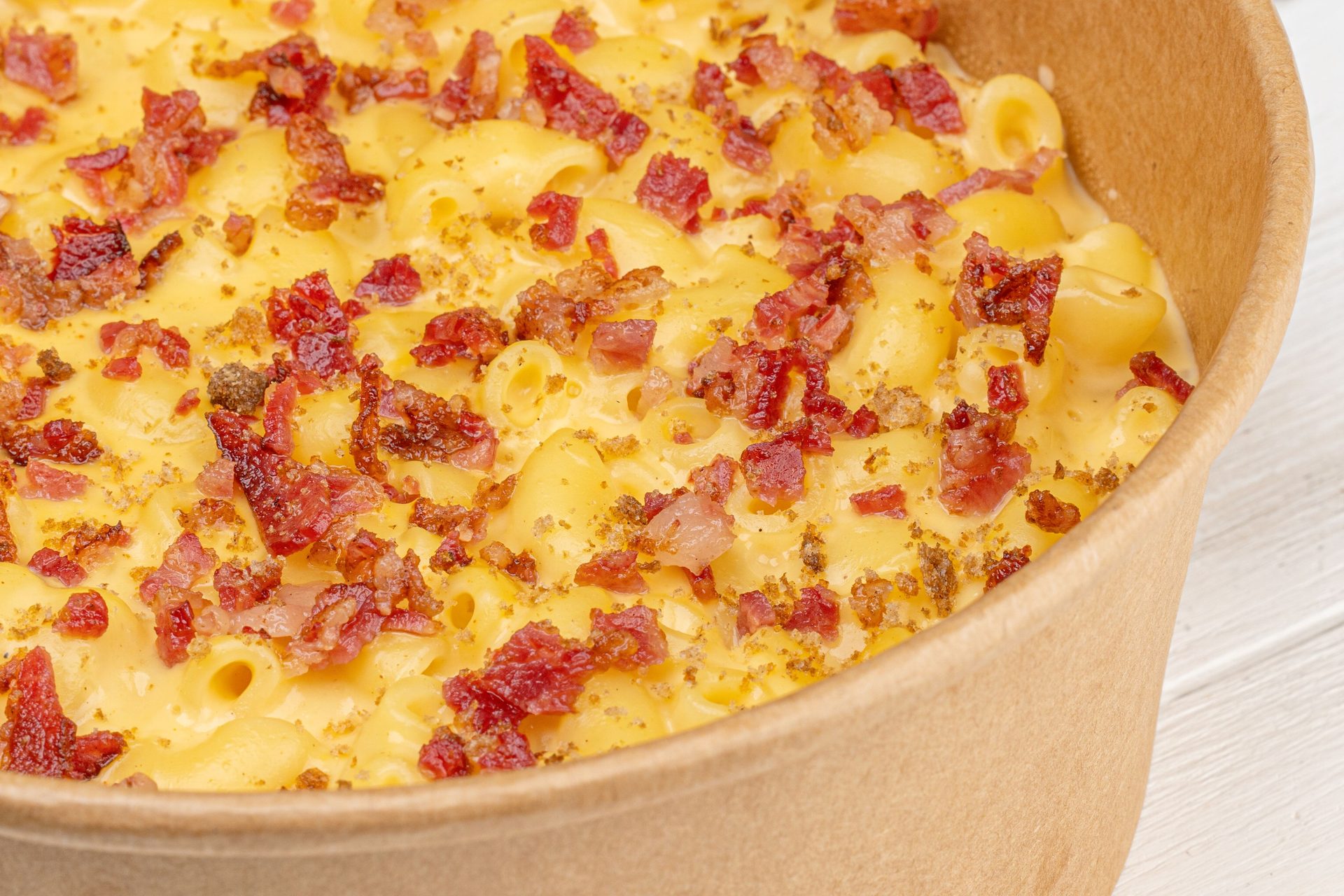
Velveeta mac and cheese is one of those American comfort food staples that tends to get made in big batches — and that means leftovers. If you’ve ever stared at a half-full pot and wondered whether the freezer is a safe option, you’re not alone.
The short answer is yes, you can freeze Velveeta mac and cheese. But because Velveeta is a processed cheese product with a high moisture content, freezing it comes with a few trade-offs worth knowing before you reach for the freezer bags. This guide walks you through everything: what happens to the texture, how to freeze it properly, how long it lasts, and how to tell when it’s gone bad.
Can You Freeze Velveeta Mac and Cheese?
You can freeze Velveeta mac and cheese, and it will remain safe to eat when stored correctly. That said, Velveeta contains more emulsifiers and has a higher moisture content than most conventional cheeses, which makes it more susceptible to quality changes in the freezer than, say, a sharp cheddar-based sauce.
Although Kraft Heinz, the producer of Velveeta, doesn’t recommend freezing it, there are precautions you can take to give it a good chance at returning to its creamy glory after thawing. The key is proper packaging and knowing how you plan to use it once it’s thawed — because frozen and thawed Velveeta mac and cheese works best when it goes back into a hot pan rather than being served straight from the container.
Pro Tip: If you know you’ll have leftovers, portion the mac and cheese into individual serving-size containers before freezing. That way you only thaw exactly what you need and never have to refreeze.
Does Freezing Change the Texture or Taste of Velveeta Mac and Cheese?
Freezing does change both the texture and, to a lesser extent, the taste of Velveeta mac and cheese. Ingredients like milk, water, whey, milk protein concentrate, and milkfat all contribute to the soft, melty characteristics that make Velveeta popular, but they also lead to excess ice crystal formation once it’s frozen. As the water in the block freezes, it expands, which causes damage to the product’s cell walls and creates a grainy consistency.
On the pasta side, the creamy texture you typically enjoy may become grainy or watery, especially if the mac and cheese contains a higher proportion of milk or butter. The pasta itself may also become slightly mushy, as it absorbs moisture and can change in consistency once frozen and reheated.
The good news is that these changes are much less noticeable once you reheat the dish. When you’re making a mac and cheese recipe, you’ll be able to stir the fat and water back together, which will make for a smooth sauce. Adding a splash of milk during reheating also helps restore creaminess. Think of frozen Velveeta mac and cheese as a dish best suited for a hot skillet or oven — not for eating cold out of the fridge.
How to Freeze Velveeta Mac and Cheese the Right Way
The most important variable when freezing Velveeta mac and cheese is air exposure. When freezing Velveeta, the main goal is to limit air exposure. This minimizes freezer burn and oxidation, which can create a rancid taste in your food. Follow these steps to get the best possible result:
- Cool it completely first. Allow your mac and cheese to cool to room temperature before freezing. Placing hot food directly in the freezer can cause condensation and lead to freezer burn. If you’re in a hurry, spread it into a shallow pan and refrigerate briefly to speed things up.
- Undercook the pasta slightly. The key is to undercook your pasta by two to three minutes before freezing. Since noodles absorb liquid as they sit, slightly firmer pasta will help prevent your mac and cheese from turning mushy after reheating.
- Make the sauce a little wetter than usual. A slightly “wetter” mac and cheese going into the freezer means it will still be perfectly moist and luscious after reheating, since the pasta will inevitably soak up some of that liquid.
- Portion into servings. Freeze your Velveeta mac and cheese in smaller portions so that you can defrost only what you need each time. Silicone muffin tins, individual freezer-safe cups, and heavy-duty zip-top bags all work well.
- Wrap and seal tightly. Coat it in two rounds of plastic wrap, then stick it in a zip-top freezer bag and squeeze out the excess air. For a casserole dish, wrap the pan tightly in several layers of plastic wrap, then cover it with a layer of foil to seal everything in. This keeps out air, odors, and ice crystals.
- Label with the date. Write the freezing date on the bag or container before it goes in. Your future self will thank you.
Pro Tip: If you’re freezing a baked version, The Kitchn recommends freezing the dish unbaked and then baking it once it’s thawed. This keeps the pasta from overcooking and gives you a fresher result straight from the oven.
How Long Can You Freeze Velveeta Mac and Cheese?
Properly stored, mac and cheese will keep well in the freezer for up to three months. It won’t necessarily spoil after that, but the texture and flavor may start to decline. Some sources note that the Velveeta component itself can last up to two to three months in the freezer before quality noticeably drops.
While freezing extends the life of Velveeta by two to three months, unfortunately the quality declines and the consistency changes. If you try to freeze it again for later use, the quality gets even worse. For the best eating experience, aim to use frozen Velveeta mac and cheese within the first two months.
| Storage Method | Estimated Duration | Quality Notes |
|---|---|---|
| Refrigerator (cooked mac and cheese) | 3–4 days | Best texture and flavor |
| Freezer (tightly wrapped) | Up to 3 months | Texture softens; best in cooked dishes |
| Freezer (beyond 3 months) | Safe but declining | Noticeable flavor and texture loss |
How to Thaw Frozen Velveeta Mac and Cheese
How you thaw frozen Velveeta mac and cheese matters almost as much as how you freeze it. The best method for thawing Velveeta is to transfer it from the freezer to the refrigerator and allow it to thaw slowly over several hours or overnight. This allows for a more gradual thaw, which can help minimize textural changes.
Avoid thawing at room temperature, as it can create a breeding ground for bacteria and is not recommended for food safety reasons. Once thawed in the fridge, plan to use it within one to two days.
If you need it faster, you can use the microwave for thawing if the mac and cheese is in a microwave-safe container. Remember to stir periodically, as the edges of the casserole will thaw more quickly than the center.
When reheating on the stovetop, warm the mac and cheese over medium-low heat and stir in a splash of milk or a small pat of butter. This helps re-emulsify the sauce and brings back much of the creaminess that was lost during freezing. When you’re ready to serve, thaw the dish in the refrigerator for about 24 hours, then reheat it at 350 degrees Fahrenheit for roughly 25 minutes or until warmed through. If you’d rather skip the oven, transfer the thawed mac and cheese to a pot and reheat gently over medium heat, stirring as the cheese melts and the sauce smooths out again.
Can You Refreeze Velveeta Mac and Cheese After Thawing?
No — refreezing Velveeta mac and cheese after it has been thawed is not a good idea, and most food safety experts advise against it. The freezing and thawing process significantly degrades the texture, and refreezing will only exacerbate this issue. Furthermore, refreezing can increase the risk of bacterial growth.
Refreezing Velveeta is not recommended due to its impact on texture. The texture will become even more compromised after a second freeze-thaw cycle. This is precisely why portioning before the first freeze is so important — if each serving is frozen individually, you never need to refreeze a partially thawed batch.
Important Note: The USDA’s general food safety guideline is to refrigerate cooked food within two hours of cooking. Store leftover mac and cheese in the refrigerator within two hours of cooking. Properly stored mac and cheese is typically safe to consume within 3–4 days. If it sat out longer than two hours, it’s safer to discard it rather than freeze it.
How to Use Frozen Velveeta Mac and Cheese (Best Uses After Freezing)
Once your Velveeta mac and cheese has been thawed, the goal is to use it in a way that masks any textural changes and brings back the creamy, melty quality it had before freezing. The best results come from applications that involve heat.
- Stovetop reheat: Transfer to a saucepan over medium-low heat, add a splash of whole milk or a tablespoon of butter, and stir until the sauce comes back together. This is the fastest way to restore creaminess.
- Baked mac and cheese: Pour the thawed mac and cheese into a greased baking dish, top with shredded cheese, and bake at 350°F until bubbly. If you’re adding a breadcrumb topping, freeze the mac and cheese without it. When you’re ready to bake, whip up a fresh batch of buttered breadcrumbs and sprinkle them on top before it goes into the oven.
- Cheesy casserole base: Frozen Velveeta mac and cheese can be a great addition to any casserole recipe. Mix it with cooked chicken, broccoli, or diced jalapeños and bake until heated through.
- Cheese sauce for other dishes: Reheat the mac and cheese with extra milk until it becomes a pourable sauce, then use it over nachos, baked potatoes, or steamed vegetables.
- Soup or chili mix-in: Stir thawed Velveeta mac and cheese into a pot of tomato soup or chili for an easy, creamy upgrade.
For more ideas on building satisfying, nutrient-rich meals around everyday ingredients, take a look at whole plant-based foods that pair well with comfort food staples like mac and cheese.
Signs That Frozen Velveeta Mac and Cheese Has Gone Bad
Frozen food doesn’t last forever, and Velveeta mac and cheese is no exception. Before reheating anything that’s been in the freezer, do a quick check for these warning signs.
Color changes: Color changes are a key indicator. Fresh Velveeta has a smooth, uniform yellow color. If dark spots or discoloration appear, it may be time to discard the cheese. Significant shifts toward green, blue, or black are definitive signs of spoilage.
Off smell: An off smell is a red flag. Fresh Velveeta has a mild, cheese-like aroma. Any sour, rancid, or unpleasant odors indicate the product has likely spoiled. A sour, ammonia-like, or generally offensive odor is a clear indication that the Velveeta has gone bad.
Mold growth: Mold growth is a definitive sign of spoilage. Unlike some hard cheeses, Velveeta should never have visible mold. If you spot any fuzzy patches, regardless of color, dispose of the entire package.
Texture problems: Texture alterations can also signal spoilage. Velveeta should maintain a soft, creamy consistency. If it becomes slimy, excessively hard, or develops a grainy texture that seems beyond normal freeze-thaw changes, it’s best to avoid consumption.
Sauce separation that won’t fix: Some separation is normal after freezing and can be fixed with heat and stirring. But if the sauce looks curdled, watery, or oily even after thorough reheating and stirring, the dish may have been stored too long or improperly.
Freezer burn: Freezer burn occurs when the surface of the Velveeta is exposed to air in the freezer, causing dehydration and oxidation. This results in dry, discolored patches with an off-flavor. Mild freezer burn on the edges can be scraped off, but heavily freezer-burned mac and cheese is best discarded.
When in doubt, throw it out. Food safety is always worth more than saving a few servings of mac and cheese. You can find additional guidance on food safety from the Food Republic and resources on foods to be cautious about in your diet.
Frequently Asked Questions
Can you freeze the Velveeta block before making mac and cheese?
Yes. If your block of Velveeta is unopened, you can stick it in the freezer for up to three months. For an opened block, wrap it tightly in plastic wrap or wax paper, then place it in a vacuum-sealed or zip-top freezer bag with the air squeezed out before freezing.
Does Velveeta mac and cheese freeze better than regular mac and cheese?
Not necessarily. Many kinds of cheese still freeze well, such as provolone and parmesan, but Velveeta isn’t one of them because of its higher moisture content. A mac and cheese made with lower-moisture cheeses like sharp cheddar or Gruyère may actually hold up better in the freezer.
Can you freeze Velveeta mac and cheese in the box?
No. The original cardboard packaging is not freezer-safe. Transfer cooked mac and cheese to airtight, freezer-safe containers or heavy-duty freezer bags before freezing.
How do you fix grainy Velveeta mac and cheese after freezing?
Reheat gently over medium-low heat and add a splash of whole milk or a small amount of cream cheese while stirring. The added fat and liquid help re-emulsify the sauce and smooth out the grainy texture caused by ice crystal formation.
Can you freeze Velveeta queso dip the same way?
Yes, homemade Velveeta dip can be frozen, but the same texture changes will apply. Consider whether the dip relies heavily on a smooth, creamy consistency. If so, plan to reheat it slowly and stir vigorously before serving.
Is it safe to eat Velveeta mac and cheese that’s been in the freezer for six months?
It may still be technically safe if stored at a consistent 0°F, but for the absolute best flavor and texture, enjoy your frozen mac and cheese within two to three months. Technically, it will stay safe to eat much longer as long as your freezer holds a steady 0°F (-18°C), but after that three-month mark, you’ll start to notice a real decline in quality.
For more food storage tips and ideas on building a healthy, well-stocked kitchen, explore our guides on foods for healthy skin and superfoods for a healthy heart — because what you eat every day matters as much as how you store it.