Can You Freeze Pasta with Sauce on It? What You Need to Know

October 31, 2026
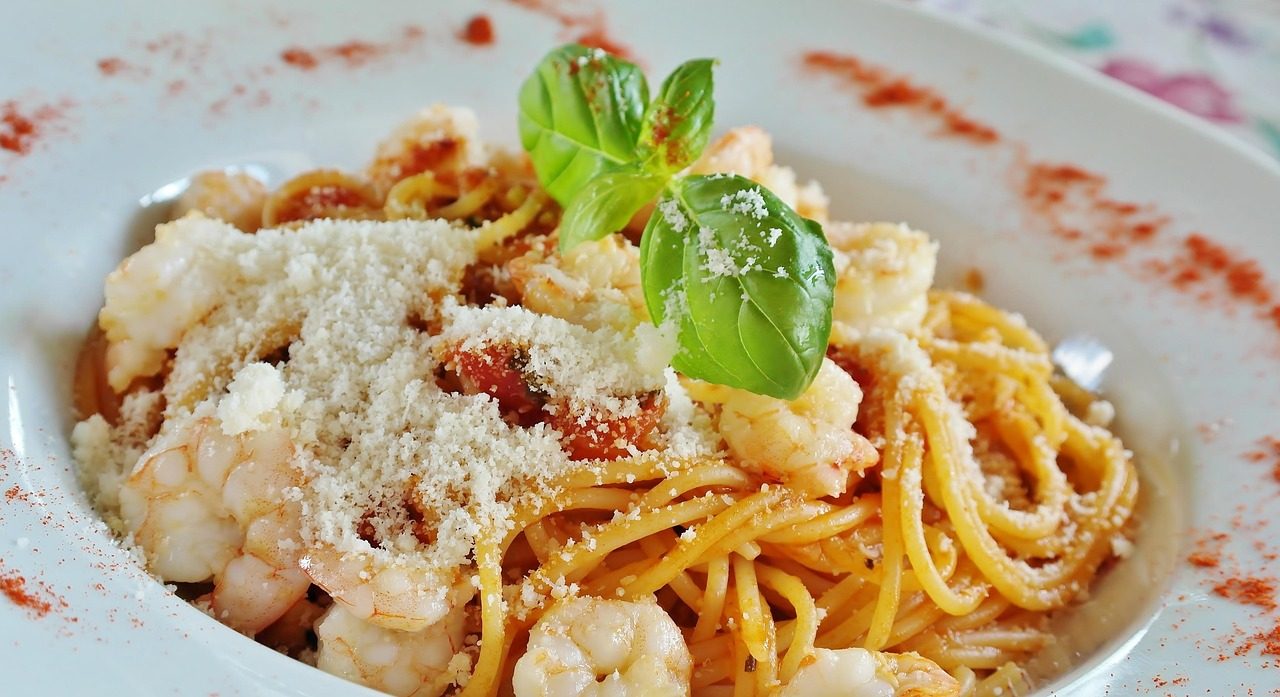
Yes, you can absolutely freeze pasta with sauce on it — and for many home cooks across the United States, it’s one of the smartest meal-prep moves you can make. Whether you made a double batch of Sunday marinara or have a pot of leftover bolognese taking up fridge space, the freezer can extend your pasta’s life well beyond the typical three-to-four-day refrigerator window.
That said, not every pasta dish freezes equally well. The type of sauce, how you cook the pasta, and how you package it all make a real difference in what you pull out of the freezer weeks later. This guide covers everything you need to know, from which sauces hold up best to how to spot a batch that’s gone bad.
Can You Freeze Pasta with Sauce on It?
Freezing cooked pasta with sauce is a convenient way to extend the shelf life of your favorite dishes, save time on busy days, and reduce food waste. The short answer is yes — but the type of sauce matters a lot.
According to Executive Chef Joshua Frias of Naples Ristorante e Bar, “Some sauces can be frozen with no negative effect, like tomato sauce or a meat ragu.” But for some sauces, spending time in the freezer can be a problem. Cream-based sauces such as Alfredo or those with emulsified ingredients like hollandaise do not freeze well and tend to separate and lose texture after freezing. Tomato sauces, meat sauces, and vegetable-based sauces are ideal for freezing and will retain good flavor and texture if handled correctly.
Cream-based pasta sauces don’t do well in the freezer. Sauces with a small amount of cheese like pesto, however, are fine, although some people prefer to add the cheese after defrosting. If the sauce requires a little cream, just add it as you’re reheating the sauce.
Pro Tip: If you’re planning a big pasta night and want freezer-friendly leftovers, choose a tomato-based or meat sauce over cream-based options. You’ll get much better results when it’s time to reheat.
If you’re looking for pairing ideas before you freeze, check out this guide on what to serve with seafood pasta or browse ideas for what to serve with vodka sauce pasta — though keep in mind that vodka sauce, being cream-based, is one to use fresh rather than freeze.
Does Freezing Change the Texture or Taste of Pasta with Sauce?
Freezing does affect both texture and flavor to some degree — it’s worth knowing what to expect so you’re not caught off guard.
According to Drexel University professor Jonathan Deutsch, Ph.D., certain starches can’t freeze the way other foods can. When you attempt to reheat frozen pasta, the cell walls of its starches break, which leads to the pasta becoming “overcooked” even if it wasn’t before. As for the sauce, Deutsch explains that the freezing process “weakens the bond between” the moisture and starch found in the sauce. When reheated, it can seem watery instead of rich and homogenous.
Pasta can become slightly softer after freezing and reheating. Opting for slightly undercooked pasta when initially cooking helps compensate for this change. Some separation of the sauce is normal after freezing. Stirring gently during reheating can help reincorporate the sauce.
On the flavor side, if properly frozen, flavor changes are minimal within recommended storage times. When you freeze pasta sauce, the water inside the sauce forms ice crystals, which can affect the texture and consistency of the sauce when it’s thawed — a process known as “syneresis” — which can cause the sauce to become watery or separate. Stirring well during reheating and adding a small splash of pasta water usually fixes this.
How to Freeze Pasta with Sauce the Right Way
Following a few simple steps makes a noticeable difference in the quality of your frozen pasta. Here’s how to do it properly:
- Cook the pasta al dente. Cook the pasta just until it’s al dente — firm to the bite. This ensures that the pasta retains its texture during freezing and reheating.
- Cool everything down completely. Allow the pasta and sauce mixture to cool completely before freezing. Rapid temperature changes can cause moisture buildup, which can lead to freezer burn. Don’t leave it out for more than two hours, because that’s when bacteria can start to form.
- Portion it out. Divide the pasta and sauce mixture into individual or family-sized portions. Portioning makes it easier to defrost only the amount you need without compromising the quality of the entire batch.
- Use the right containers. Transfer the cooled pasta and sauce portions to freezer-safe containers or resealable freezer bags. Be sure to remove as much air as possible to prevent freezer burn. Leave about an inch of space at the top of containers because the sauce will expand as it freezes.
- Label everything. Label each container with the contents and date of freezing. This helps you keep track of how long the dish has been in the freezer.
- Freeze quickly. Place the containers in the freezer as quickly as possible to maintain the quality of the pasta.
Pro Tip: If you’re freezing long noodles like spaghetti or fettuccine without sauce, it’s best to freeze them in small “nests.” This helps keep the food from breaking up and clumping. Use a fork to twirl slightly undercooked spaghetti into small bundles, place the nests in a single layer on a baking sheet to flash freeze, then transfer to a freezer bag and squeeze out as much air as you can.
For casserole-style dishes, layer the pasta in an aluminum foil freezer pan and make sure the sauce in your casserole is completely covering the pasta. This will make sure the pasta doesn’t get overcooked later when cooking it in the oven. Then cover the pan and you’re good to freeze.
If you ever need to ship frozen pasta to someone, this guide on how to ship frozen food with ease walks you through the best practices for keeping it safe in transit.
How Long Can You Freeze Pasta with Sauce?
The freezer timeline for pasta with sauce depends on the type of sauce and how well you’ve packaged it.
| Pasta Type | Freezer Life (Best Quality) | Notes |
|---|---|---|
| Pasta with tomato or marinara sauce | 2–3 months | Freezes very well; minimal quality loss |
| Pasta with meat sauce or bolognese | 2–3 months | Good results; stir well when reheating |
| Pasta with vegetable sauce | 2–3 months | Blanch vegetables before freezing for best texture |
| Plain cooked pasta (no sauce) | 1–2 months | Toss with olive oil before freezing to prevent clumping |
| Pasta with cream-based sauce | Not recommended | Sauce separates; use fresh or refrigerate up to 3–4 days |
| Baked pasta casseroles | 3–6 months | Sauce coating protects pasta from freezer burn |
The USDA Food Safety and Inspection Service notes that leftovers can be frozen for 3 to 4 months, though frozen leftovers can lose moisture and flavor when stored for longer times in the freezer. For best texture and taste, if frozen continuously, pasta is safe indefinitely from a microbial perspective — but for best texture and taste, consume within 1–2 months (plain) or 2–3 months (with sauce).
Once in the freezer, frozen spaghetti sauce has a shelf life of about three months. Beyond that, freezer burn can set in, which makes your tasty sauce less flavorful. Label your containers with dates so you can keep track of how long each container of sauce will last.
How to Thaw Frozen Pasta with Sauce
How you thaw frozen pasta affects both safety and texture, so it’s worth doing it the right way.
Refrigerator thawing (best method): The best way to defrost pasta sauce is to place it in the refrigerator overnight. Take it out of the freezer the night before you plan to use it, and it will be ready to reheat when preparing your meal. Refrigerator thawing takes the longest but the leftovers stay safe the entire time.
Microwave thawing: You can place your pasta sauce directly in the microwave from frozen. Do this on a low setting and remove it every couple of minutes to stir it thoroughly. Once it is thawed, heat it as desired. When reheating in the microwave, cover and rotate the food for even heating. Arrange food items evenly in a covered microwave-safe glass or ceramic dish, and add some liquid if needed. Be sure the covering is microwave safe, and vent the lid or wrap to let the steam escape.
Stovetop reheating: If you want to reheat cooked pasta and sauce on the stove, use a non-stick pot with a lid. Add a little bit of water to the pot before adding the pasta. Cover with a lid and heat on medium-low until hot. Don’t go with high heat or you’ll scorch the sauce and overcook the pasta.
It is safe to reheat frozen leftovers without thawing, either in a saucepan or microwave (in the case of a soup or stew) or in the oven or microwave for casseroles and combination meals. Reheating will take longer than if the food is thawed first, but it is safe to do when time is short.
Pro Tip: If desired, you can add fresh herbs, grated cheese, or a sprinkle of parmesan after reheating for added flavor. A splash of reserved pasta water also helps loosen the sauce and restore its original consistency.
The USDA’s guidelines on leftovers and food safety recommend that when reheating leftovers, you should be sure they reach 165°F as measured with a food thermometer.
Can You Refreeze Pasta with Sauce After Thawing?
This is one of the most common questions about frozen pasta, and the answer depends on both food safety rules and sauce type.
From a safety standpoint, it is safe to refreeze any food remaining after reheating previously frozen leftovers to the safe temperature of 165°F as measured with a food thermometer. If a large container of leftovers was frozen and only a portion of it is needed, it is safe to thaw the leftovers in the refrigerator, remove the needed portion, and refreeze the remainder of the thawed leftovers without reheating it.
From a quality standpoint, though, refreezing takes a toll. It’s generally not recommended to refreeze thawed homemade pasta sauce. Refreezing can affect the quality and texture of the pasta sauce, causing it to become watery or develop off-flavors. Additionally, refreezing can increase the risk of contamination and foodborne illness.
If your pasta sauce is tomato-based, you can refreeze it once you have thawed it without major issues. However, if you’re using a dairy-based sauce, it’s best not to refreeze it when it’s already been defrosted. This is mainly because the texture will split and become watery once defrosted. The more times you do this, the more the sauce will deteriorate.
The smartest approach: portion your pasta before freezing so you only thaw exactly what you need each time. This eliminates the refreezing question entirely.
How to Use Frozen Pasta with Sauce (Best Uses After Freezing)
Frozen pasta with sauce works best in specific preparations that either mask slight texture changes or use the pasta as a component in a larger dish.
Plain frozen pasta tends to come out a bit softer than fresh, so it’s best in baked dishes or saucy preparations rather than served on its own. Here are the most practical ways to use it:
- Baked pasta dishes: Frozen pasta with tomato or meat sauce works perfectly as the base for a baked ziti or pasta casserole. The oven heat and extra cheese layer cover any softness in the noodles.
- Quick weeknight dinners: With a little foresight and the help of your freezer, you can walk in the door, tired from work, and just a few minutes later be at the dinner table with a warm bowl of pasta. Thaw overnight in the fridge and reheat in under 15 minutes.
- Soup additions: Add thawed pasta with tomato sauce directly into a pot of minestrone or vegetable soup. The pasta softens naturally in the broth, and the extra sauce enriches the base.
- Stuffed peppers or zucchini: Use thawed pasta with meat sauce as a filling for bell peppers or hollowed zucchini, then bake until the vegetables are tender.
- Pasta frittata: Toss thawed, reheated pasta with beaten eggs and pan-fry into a crispy frittata — a classic Italian way to use leftover pasta where texture is not a concern.
For inspiration on what to build around your pasta dishes, take a look at ideas for what to serve with vodka sauce — many of those sides pair equally well with reheated tomato-based pasta.
Signs That Frozen Pasta with Sauce Has Gone Bad
Even frozen food has a shelf life, and pasta with sauce can deteriorate or spoil. Here’s what to look for before you reheat a container:
- Off odor: Fresh cooked pasta smells like almost nothing. A sour, tangy, or “off” odor is the clearest sign it has spoiled.
- Visible mold: Visible spots — white, green, or black — mean you must discard immediately. This is more common if the container wasn’t airtight.
- Slimy texture: Spoiled cooked pasta typically shows visible mold, has a sour or unpleasant odor, feels slimy to the touch, or shows unusual discoloration.
- Excessive sauce separation or watery weeping: Especially for pasta with sauce, if the sauce separates weirdly or releases excess liquid, that’s a warning sign. Some separation is normal, but excessive wateriness combined with other signs means it’s time to toss it.
- Freezer burn: Gray, dry, or discolored patches on the pasta surface indicate freezer burn. The pasta is technically safe to eat but will taste bland or papery. Frozen leftovers can lose moisture and flavor when stored for longer times in the freezer.
- Off flavor: If the sauce tastes bland or metallic after cooking, it may be too old or improperly stored.
Important Note: Do not taste pasta just to test if it’s bad — spoilage bacteria might not change flavor but can still make you sick. When in doubt, throw it out.
Keep your fridge set below 40°F to slow bacterial growth, and always make sure pasta goes into the freezer within two hours of cooking to stay in the safe zone.
Frequently Asked Questions
Can You Freeze Pasta with Alfredo Sauce?
Technically yes, but cream sauces tend to separate during freezing and thawing, resulting in a grainy or curdled texture. Adding a splash of cream or milk and stirring well during reheating helps reconstitute the sauce, but it won’t be identical to fresh. For best results, refrigerate Alfredo pasta and eat it within 3–4 days instead of freezing it.
Is It Better to Freeze Pasta Separately from the Sauce?
Cooked pasta that’s not yet tossed in sauce will generally freeze better than already-sauced pasta, maintaining its texture more nicely once thawed. Always storing the sauce separately prevents sogginess in the noodles. That said, freezing them together is perfectly fine for tomato and meat sauces, and freezing pasta with sauce can actually keep the noodles from drying out.
Can You Freeze Pasta with Meat Sauce?
Yes, you can freeze cooked pasta with ground beef and sauce in an airtight container or freezer bag. Meat-based sauces like bolognese or Sunday gravy are among the best candidates for freezing. Meat-based pasta sauces can be frozen, but they’re more prone to freezer burn and texture changes, so airtight packaging is especially important.
How Long Does Thawed Pasta Last in the Fridge?
After thawing, food should be used within 3 to 4 days or can be refrozen. Don’t let thawed pasta with sauce sit in the fridge for longer than that before reheating and eating it.
Can You Freeze Store-Bought Jarred Pasta Sauce?
Jarred sauces tend to have an extremely long shelf life, so there shouldn’t be a need to freeze them. If you have decided to freeze jarred sauces, the best approach is to check the label to confirm whether it is suitable for the freezer. Once opened, according to FoodSafety.gov, jarred spaghetti sauce should be used within four days after opening for the best quality.
What Is the Best Container for Freezing Pasta with Sauce?
Use airtight, freezer-safe containers or heavy-duty freezer bags. Glass, plastic, or silicone containers work well as long as they seal tightly. If using freezer bags, squeeze out as much air as possible before sealing to minimize freezer burn. If using glass jars, use wide-mouth jars rather than shoulder-style, to avoid cracking from expanding frozen sauce.