Can You Freeze Ray Wings? Storage Tips, Shelf Life, and More

October 31, 2026
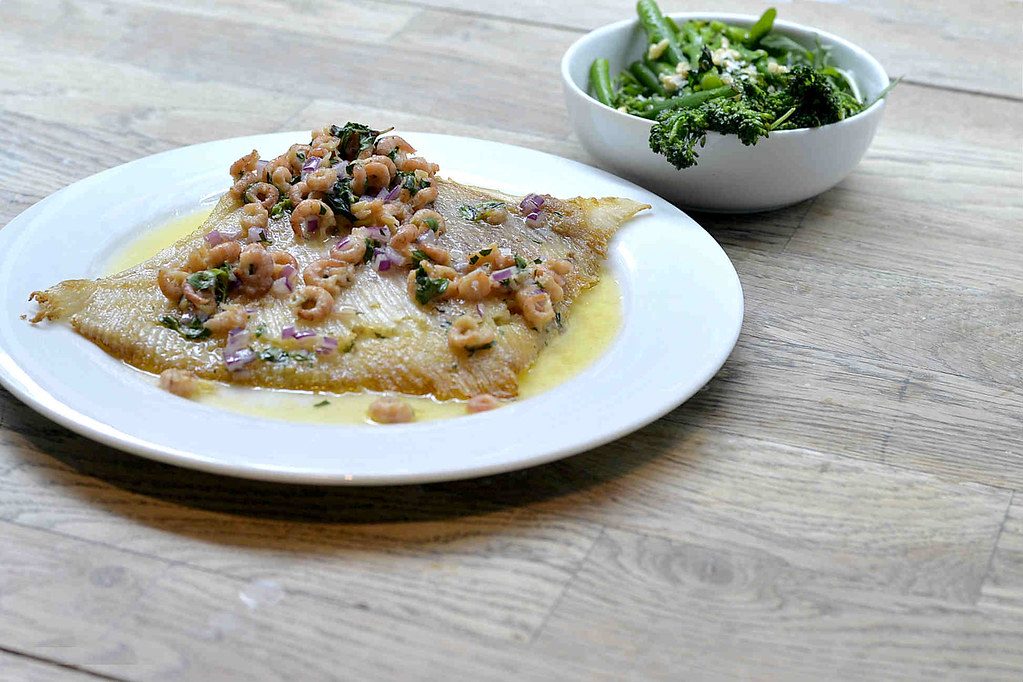
Ray wings are a surprisingly versatile seafood cut that many home cooks in the United States overlook — and even fewer think to freeze. Whether you picked some up at a specialty fishmonger, caught them yourself, or bought more than you can use in a day or two, knowing how to freeze them properly can save you money and cut down on food waste.
The good news is that ray wings freeze well when handled correctly. Freezing seafood at home is an effective way to extend the shelf life of fresh fish, but it does not automatically ensure quality — the preservation of taste, texture, and safety depends on proper handling, cleaning, packaging, and thawing practices. This guide walks you through everything you need to know, from wrapping technique to spotting spoilage.
Can You Freeze Ray Wings?
Yes, you can absolutely freeze ray wings. Ray wings have thin sections of juicy flesh on either side of what looks like bone but is actually cartilage, and they are delicately flavored — best paired with lighter flavors and cooked simply. That delicate structure means freezing requires a little care, but it is entirely doable at home.
Freezing keeps food safe by slowing the movement of molecules and causing microbes to enter a dormant stage, preserving food for extended periods because it prevents the growth of microorganisms that cause both food spoilage and foodborne illness. For ray wings specifically, you want to freeze them as soon as possible after purchase. Fish for freezing should be as fresh as possible.
If you are not ready to freeze right away, refrigerate raw fish at 40°F (4.4°C) or colder and use within 3 days. Beyond that window, the freezer is your best option for preserving quality and safety.
Pro Tip: Ray wings are rich in natural collagen, which gives the flesh a firm, springy texture when cooked. That collagen also means they can lose moisture faster than leaner fish cuts, so airtight packaging before freezing is especially important.
Does Freezing Change the Texture or Taste of Ray Wings?
Freezing does cause some changes, but the impact is minimal when you follow the right steps. When wings freeze, ice crystals form inside the flesh. Once thawed, that process can affect how the meat holds moisture — sometimes the wing releases extra water during cooking, which makes it harder to get the skin or surface properly crisp without overcooking the inside.
Frozen wings may lose some moisture during the freezing process, which can lead to a slightly diminished flavor intensity. However, proper thawing and cooking techniques can help minimize these differences. For ray wings, the good news is that their naturally high collagen content helps them retain structure even after a freeze-thaw cycle.
When frozen wings are thawed and cooked correctly, many people find it challenging to distinguish them from fresh ones in blind taste tests. The preparation method plays a critical role in mitigating any textural differences. The biggest risk is not the freeze itself — it is poor packaging that leads to freezer burn and moisture loss.
Improperly frozen fish develops a bad taste and becomes dry and tough. Stick to the packaging methods below and you will keep that problem at bay.
How to Freeze Ray Wings the Right Way
Good packaging is the single most important factor. The most effective way to prevent freezer burn and oxidation is vacuum sealing using oxygen-barrier bags, which removes air and keeps the seafood protected during storage. If you do not own a vacuum sealer, there are solid alternatives.
- Pat the wings dry. Use paper towels to remove surface moisture before wrapping. Excess water accelerates ice crystal formation.
- Wrap tightly in plastic, then overwrap. Wrap fish tightly with plastic wrap, then overwrap with freezer paper or aluminum foil to prevent tearing and protect from air exposure.
- Use heavy-duty freezer bags as an alternative. Place fish inside heavy-duty freezer bags, squeeze out air, and overwrap for extra protection.
- Label every package. Label the packaging before freezing with the date and contents so you always know what you have and how long it has been stored.
- Freeze immediately at 0°F or below. Wrap the meat tightly, removing as much air as possible, and store at 0°F or lower.
Because ray wings are a lean, cartilage-rich fish, you can also apply a simple brine pretreatment before freezing. Lean fish may be dipped for 20 seconds in a brine of ¼ cup salt to 1 quart of cold water to firm the fish and to decrease drip loss from thawing. This is optional but worth doing if you plan to store the wings for more than a month or two.
Pro Tip: Freeze ray wings in single-meal portions. Pack portions into meal-sized pieces so you only thaw as much as you need for that meal. This prevents you from repeatedly opening and resealing the same package, which introduces air and speeds up freezer burn.
How Long Can You Freeze Ray Wings?
Storage time depends on whether the wings are raw or already cooked when you freeze them. Here is a quick reference:
| State | Refrigerator | Freezer (Best Quality) |
|---|---|---|
| Raw ray wings | Up to 3 days at 40°F or below | Up to 6 months |
| Cooked ray wings | 3–4 days at 40°F or below | 2–3 months |
The guidelines for freezer storage are for quality only — frozen foods stored continuously at 0°F (-18°C) or below can be kept indefinitely. That said, quality does decline over time. Enzymatic activity continues at a very slow rate, leading to gradual changes in texture, flavor, and color — even in a properly sealed package.
For cooked ray wings, cooked chicken wings have a shorter freezer lifespan, typically around 2–3 months. The same principle applies to cooked ray wings. Plan to use them within that window for the best eating experience. You can learn more about how seafood fits into a balanced diet in this overview of the pros and cons of eating seafood.
How to Thaw Frozen Ray Wings
Thawing is where most people make mistakes that hurt both safety and quality. Properly defrosting seafood is essential for safety — bacteria such as Salmonella and Listeria can multiply rapidly if seafood is improperly handled during defrosting, and proper defrosting methods minimize the risk of contamination.
There are three safe methods to choose from:
- Refrigerator (best method): Move wings to the refrigerator 24–48 hours before use. This slow, controlled thaw preserves texture and keeps the fish in the safe temperature zone the entire time.
- Cold water (faster option): Submerge the sealed freezer bag in cold water, changing the water every 30 minutes until the wings are thawed. Cook them immediately after.
- Never at room temperature: Thawing fish at room temperature is not recommended because bacteria grow quickly at room temperature, which can increase the risk of a foodborne illness.
If your wings were vacuum-sealed, take one extra step: always puncture the package of vacuum-sealed frozen seafood before thawing, which allows oxygen to be introduced to the fish and reduces the risk of bacteria that can grow in low-oxygen environments.
Once thawed, fish that has been thawed should be used within 1 day. Do not leave thawed ray wings sitting in the refrigerator for multiple days before cooking.
Pro Tip: Slow, controlled defrosting allows seafood to maintain its natural texture and flavor. If you have the time, the overnight refrigerator method always gives you the best result.
Can You Refreeze Ray Wings After Thawing?
This is a common question, and the answer depends on how you thawed them. Once food is thawed in the refrigerator, it is safe to refreeze it without cooking, although there may be a loss of quality due to the moisture lost through thawing. So technically, yes — but with caveats.
Refreezing degrades the quality of the wings. The repeated freezing and thawing cycles break down the cell structure of the meat, leading to a loss of moisture, flavor, and texture. If you have thawed more wings than you need, it is best to cook them all and store the cooked leftovers in the refrigerator for consumption within a few days.
The hard rule: do not refreeze any foods left outside the refrigerator longer than 2 hours — or 1 hour in temperatures above 90°F. If your ray wings sat on the counter or were thawed under warm water, refreezing is not safe. Cook them right away instead.
How to Use Frozen Ray Wings (Best Uses After Freezing)
Previously frozen ray wings work beautifully in preparations where the flesh is the star, not just the textural contrast. Ray wings have a flavor reminiscent of scallops with a subtle sweetness, and a firm, springy texture due to high collagen content that ensures exceptional moisture when cooked. That flavor profile holds up well after freezing.
Here are the best ways to cook frozen-then-thawed ray wings:
- Pan-fried with brown butter and capers: This is the classic preparation. Pat the thawed wings completely dry before they hit the pan to encourage browning rather than steaming.
- Baked in foil: Try wrapping in foil with butter and herbs, then baking in a medium oven for 20–25 minutes and serving with a squeeze of lemon. The foil helps retain moisture that may have been lost during freezing.
- Grilled: The wings or fins have a distinctive taste and fibrous texture — you can grill or pan-fry them. A quick marinade before cooking helps reintroduce moisture and flavor.
- Poached in a court-bouillon: The gentle, moist heat of poaching is especially forgiving for previously frozen fish, preserving tenderness without risking a dry result.
The key tip for any method: always dry the thawed wings thoroughly with paper towels before applying heat. Excess surface moisture is what causes the flesh to steam rather than sear. Eating well-sourced seafood like ray wings is also a great way to support a heart-healthy diet, and it pairs naturally with the kind of nutrient-dense eating covered in this guide to whole plant-based foods.
Pro Tip: If your thawed ray wings seem a little watery, a 15-minute dry brine — a light sprinkle of salt left uncovered in the fridge — will draw out excess moisture and firm up the surface before cooking.
Signs That Frozen Ray Wings Have Gone Bad
Even properly stored wings can degrade over time. Knowing what to look for protects you and your household from foodborne illness. Trust your senses — they are reliable indicators here.
| What to Check | What Good Looks Like | What Bad Looks Like |
|---|---|---|
| Color | Pale white to off-white flesh | Pale grayish or green coloring |
| Texture | Firm, springy | Sticky, slimy, overly soft, or rubbery |
| Smell | Mild, clean ocean scent | A sour, sulfur-like odor |
| Surface | Uniform color, no dry patches | Dry, discolored patches (freezer burn) |
| Packaging | Tight seal, minimal ice inside | Large buildup of ice crystals indicating temperature fluctuations |
On the topic of freezer burn specifically: freezer burn does not make food unsafe, merely dry in spots. It appears as grayish-brown leathery spots and is caused by air coming in contact with the surface of the food. Cut freezer-burned portions away either before or after cooking. If the burn is extensive and covers most of the wing, though, the eating quality will be poor enough that discarding is the better call.
The golden rule with any seafood: always trust your senses — if anything feels off, do not risk it. Seafood spoilage, including from bacteria like Salmonella, can cause serious illness, and ray wings are no exception. For more on how the foods you eat affect your health, see this breakdown of foods to avoid for better long-term health.
Frequently Asked Questions
Can you freeze ray wings that are already marinated?
Yes. Freeze marinated ray wings in their marinade inside a sealed freezer bag, squeezing out as much air as possible. The marinade actually provides an extra layer of protection against freezer burn. Use within 3 months for best quality.
Do ray wings need to be skinned before freezing?
No. Fish can be frozen dressed, filleted, or skinned depending on your preference. Leaving the skin on during freezing provides an extra barrier against moisture loss. You can remove it before or after cooking.
Can you cook ray wings straight from frozen without thawing?
It is not recommended for ray wings. Unlike thin fish fillets, the thick cartilage structure of a ray wing means the outside will overcook before the center reaches a safe temperature. Always thaw fully before cooking.
How do I know if my ray wings were previously frozen at the store?
Ask your fishmonger directly. Many fish counters receive product that has been commercially blast-frozen at sea. Due to their high collagen content, ray wings may have a shorter shelf life, which is why some suppliers blast-freeze them to preserve freshness. If the fish was previously frozen, do not refreeze it at home — cook it within 1–2 days of purchase.
What internal temperature should cooked ray wings reach?
The FDA recommends that most seafood be cooked to an internal temperature of 145°F. Use an instant-read thermometer at the thickest part of the flesh, avoiding the cartilage, for the most accurate reading.
Can you freeze cooked ray wing leftovers?
Yes. After cooking raw foods which were previously frozen, it is safe to freeze the cooked foods. Cool them completely first, then seal tightly and freeze. Use within 2–3 months and reheat to 165°F before eating. For more ideas on foods that support overall wellness, check out this guide to foods that promote healthy eyesight and this look at foods that support liver function.