
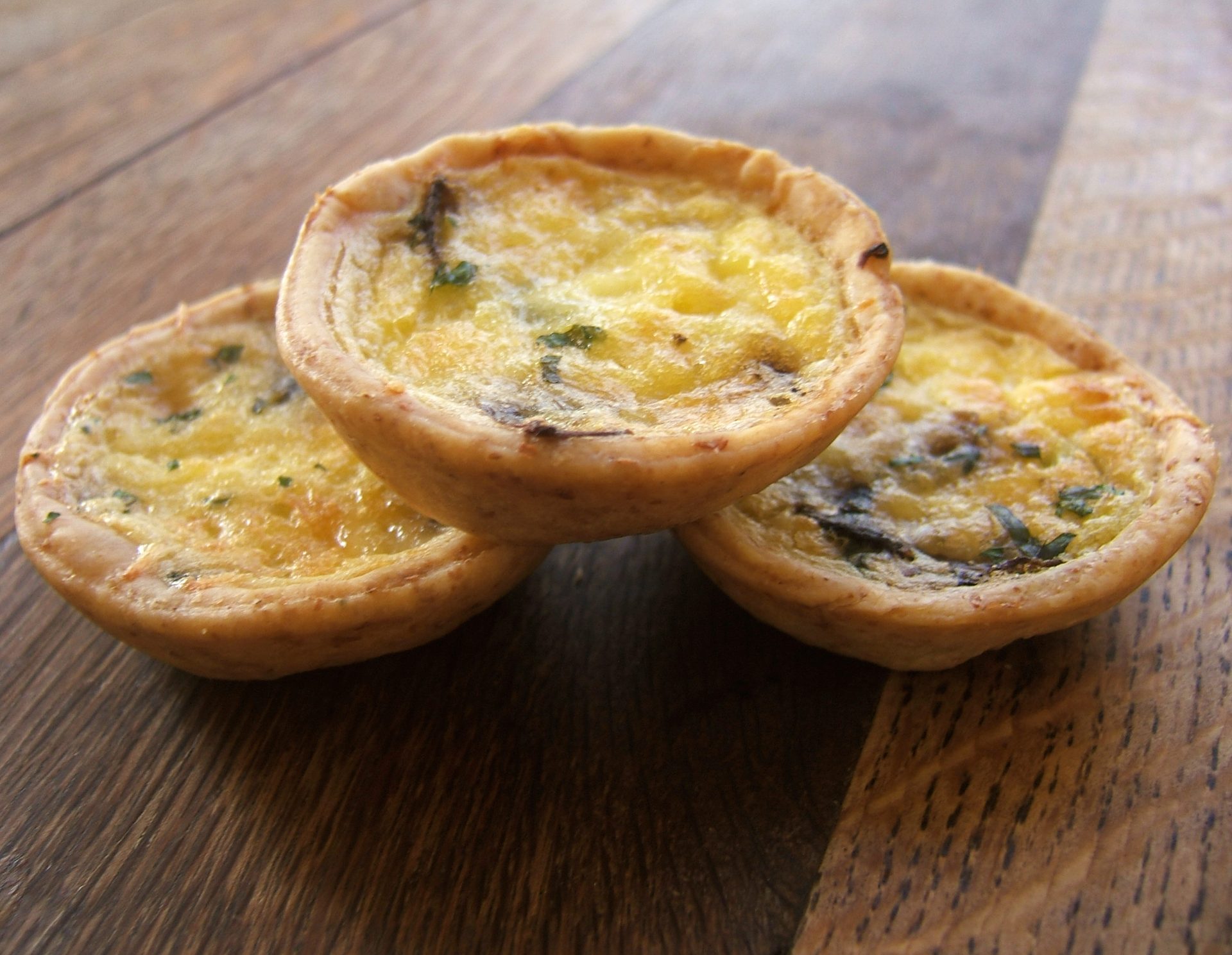
Mini quiches are one of those rare foods that work for almost any occasion — weekend brunch, holiday appetizers, weeknight meal prep, or a quick grab-and-go breakfast. The only problem? You often make more than you can eat in one sitting. That raises a practical question: can you freeze mini quiches and still have them taste great later?
The short answer is yes. Mini quiches are perfect for make-ahead breakfasts or hors d’oeuvres, and they’re delicious when frozen. With the right technique, they hold up remarkably well in the freezer and reheat in minutes. This guide walks you through everything you need to know — from flash freezing and packaging to thawing safely and spotting signs of spoilage.
Can You Freeze Mini Quiches?
Yes, you can absolutely freeze mini quiches, and they’re actually one of the better egg-based foods to freeze. Despite eggs’ reputation as a tricky ingredient to freeze, you can absolutely freeze quiche. Their small size is a genuine advantage here — smaller portions freeze and thaw faster and more evenly than a full-size quiche.
With proper freezer meal prep, quiche is not only freezer-friendly but also incredibly convenient to have on hand for quick meals. You can freeze mini quiches before or after baking, though most home cooks find that freezing already-baked ones is the more practical route for leftovers and meal prep alike.
Pro Tip: Make a double batch specifically for the freezer. Mini quiches thaw and reheat so quickly that having a stash on hand is genuinely useful for busy mornings or last-minute entertaining.
Does Freezing Change the Texture or Taste of Mini Quiches?
Freezing does cause some minor changes, but they’re usually small enough that most people don’t notice — especially with mini quiches. A baked, completely cooled quiche freezes very well, although it will be marginally less custardy than a fresh-baked one. The egg filling may lose a touch of its silkiness after thawing, but it remains firm and flavorful.
The crust is where you’re most likely to see a difference. A small amount of “weeping” — separation that causes moisture to pool — can make the crust a little soggy. You can minimize this by cooling mini quiches completely before freezing and reheating them in the oven rather than the microwave.
Your fillings also matter. Some vegetables become mushy when frozen and then reheated. A quiche containing certain veggies like squash, asparagus, and mushrooms will still be delicious if reheated, but the vegetables may be watery. Fillings like ham, bacon, cheddar, and Swiss hold up the best. Quiche made with full-fat milk or cream will freeze better than one made with low-fat milk products.
How to Freeze Mini Quiches the Right Way
The biggest mistake people make is skipping the flash-freeze step. Without it, the quiches stick together in the bag and become impossible to separate without tearing. Follow these steps for the best results.
- Bake and cool completely. Always let mini quiches cool completely before freezing. Freezing hot quiche causes moisture to form and leads to unpleasant ice crystals. Set them on a wire rack and give them at least 30–45 minutes at room temperature.
- Flash freeze on a baking sheet. Let the quiche cool completely, then transfer them to a baking sheet or plate so they are not touching. Transfer the tray to the freezer and flash freeze until solid, about 1 hour — this prevents the quiche from sticking together later.
- Transfer to a freezer bag. Transfer the frozen egg cups to a zip-top freezer bag so they don’t stick together. Squeeze out as much air as possible before sealing.
- Add a double layer for long-term storage. The most important factor in packaging any freezer meal is to reduce its exposure to air, which causes freezer burn and adversely affects taste and texture. Wrapping each quiche in a small piece of plastic wrap before bagging gives them extra protection.
- Label and date the bag. Write the date and filling type on the bag. This is especially helpful if you’re freezing multiple varieties at once.
Pro Tip: If you’re freezing several flavors together, separate them inside the bag with a small piece of parchment paper so you can identify them at a glance without thawing the whole batch.
How Long Can You Freeze Mini Quiches?
Mini quiches keep well in the freezer for up to three months. You can freeze quiche for up to 3 months with excellent results. After that point, they remain safe to eat — freezer storage is for quality only, and frozen foods remain safe indefinitely — but the texture and flavor will start to decline noticeably.
For comparison, mini quiches will keep in the freezer for up to six months according to some sources, though most cooking experts recommend using them within three months to ensure no loss of flavor. The longer they stay in the freezer, the more they may lose their flavor and become dry.
| Storage Method | How Long They Last | Quality Notes |
|---|---|---|
| Room temperature | Up to 2 hours | Do not leave out longer; egg dishes are perishable |
| Refrigerator | 3–4 days | Store in an airtight container; allow to cool first |
| Freezer (baked) | Up to 3 months | Best quality within 3 months; safe beyond that |
| Freezer (unbaked) | 1–2 months | Bake straight from frozen; add extra baking time |
For refrigerator storage, store cooled leftover mini quiches in an airtight container in the refrigerator for 2–3 days. To prevent condensation from ruining the crust, allow them to fully cool before you put the lid on.
How to Thaw Frozen Mini Quiches
You have a few options depending on how much time you have. The oven method delivers the best texture, but the microwave works when you’re in a hurry.
Oven (best results): Transfer the mini quiche to a baking sheet and reheat from frozen at 350 degrees for about 10 minutes or until heated through. This crisps the crust back up and warms the filling evenly. They freeze perfectly — reheat from frozen 12 minutes at 350°F.
Air fryer (quick and crispy): Reheat them in the air fryer at 350°F for 2–3 minutes. This is one of the fastest methods and does a great job restoring crust texture.
Microwave (fastest option): Warm quiche on a microwave-safe plate in the microwave for 30 seconds, then at 10-second intervals as needed until warmed through. The crust won’t be as crisp, but it works fine for a quick breakfast.
Overnight thaw (for best texture): If you’re planning ahead, move the mini quiches from the freezer to the refrigerator the night before. Thaw in the refrigerator for approximately 24 hours. This is the best way to defrost a dish like this, as the microwave defrost setting could partially cook it. Once thawed, reheat in a 350°F oven for 5–8 minutes.
Important Note: Eggs and egg dishes, such as quiches, may be refrigerated for serving later but should be thoroughly reheated to 165°F before serving, according to the USDA Food Safety and Inspection Service. Use a food thermometer if you’re unsure, especially when serving to children, pregnant women, or older adults.
Can You Refreeze Mini Quiches After Thawing?
Technically, it depends on how you thawed them — but as a general rule, it’s best to avoid refreezing mini quiches. Each freeze-thaw cycle allows additional large ice crystals to form, causing further cell damage and quality loss. The filling becomes rubbery, and the crust turns soft and unpleasant.
From a food safety standpoint, the USDA draws a clear line based on how the food was thawed. Once food is thawed in the refrigerator, it is safe to refreeze it without cooking, although there may be a loss of quality due to the moisture lost through thawing. However, do not refreeze any foods left outside the refrigerator longer than 2 hours — or 1 hour in temperatures above 90°F.
The practical advice: after thawing, cook and do not refreeze. After cooking, refrigerate leftover egg products at 40°F or lower. If you thawed more mini quiches than you need, reheat only what you’ll eat and refrigerate the rest for the next day or two rather than putting them back in the freezer.
How to Use Frozen Mini Quiches (Best Uses After Freezing)
One of the best things about keeping frozen mini quiches on hand is how many ways you can use them. They’re not just a breakfast food — they work across multiple meals and settings throughout the week.
- Weekday breakfasts: Reheat two or three straight from the freezer in the air fryer while your coffee brews. You have a hot, protein-rich breakfast in under five minutes.
- Brunch spreads: Mini quiches are the perfect hand-held heroes for parties or an elegant addition to any breakfast or brunch spread. Reheat a full batch in the oven and set them out on a platter — they stay warm for 20–30 minutes at room temperature.
- Party appetizers: Frozen mini quiches are a lifesaver for entertaining. You can prep them weeks in advance and simply pull them out the morning of your event. They pair well with other finger foods at gatherings, much like the festive bites you’d find among traditional Dominican Christmas foods.
- Light lunches: Pair two or three reheated mini quiches with a simple green salad for a satisfying midday meal.
- Kids’ snacks: Mini quiches are a convenient, protein-packed snack that kids can eat with one hand. Keep a bag in the freezer for after-school snacks — they reheat in the microwave in under a minute.
- Meal prep: Bake a large batch on Sunday, freeze them, and pull out what you need throughout the week. This works especially well for households where people eat breakfast at different times.
Pro Tip: For the crispiest results when serving mini quiches at a party, reheat them in the oven rather than the microwave. Place them on a wire rack set over a baking sheet so hot air circulates around the crust.
Signs That Frozen Mini Quiches Have Gone Bad
Frozen mini quiches are generally safe well beyond the three-month quality window, but there are a few things to look for before reheating them. Knowing when to toss them saves you from a disappointing (or unsafe) meal.
Freezer burn: Pay attention to any changes in texture or the appearance of freezer burn, which looks like discolored or dry patches on the quiche. While freezer burn doesn’t make food unsafe, it does affect the taste and quality. Small spots of freezer burn can be trimmed away, but if the quiche is heavily affected, the texture after reheating will be noticeably dry and bland.
Off smell: A strong, off-putting odor when you open the container can also indicate spoilage. Egg-based dishes can develop a sulfurous or sour smell when they’ve gone bad. Trust your nose — if something smells wrong, discard it.
Unusual color or texture: If you have quiche that’s been in the fridge for a few days and you’re unsure about its quality, always check for signs of spoilage, such as an off smell, discoloration, or an unusual texture. It’s better to err on the side of caution and discard any questionable leftovers.
Frost or ice crystals inside the bag: Heavy frost buildup inside the freezer bag is a sign of temperature fluctuation — the freezer may have partially thawed and refrozen the quiches at some point. This doesn’t automatically mean they’re unsafe, but the texture will likely be compromised. Reheat one first to check quality before serving a full batch to guests.
For more on how smart food choices can support your overall health, see this guide on superfoods for a healthy heart and this overview of whole plant-based foods.
Frequently Asked Questions
Can you freeze store-bought mini quiches?
Yes. If you buy fresh mini quiches from a bakery or deli, you can freeze them using the same method described above — cool completely, flash freeze on a baking sheet, then transfer to a freezer bag. Store-bought frozen mini quiches (the kind sold in the freezer aisle) should stay frozen until you’re ready to use them and should not be refrozen after thawing.
Can you freeze crustless mini quiches?
Yes — as long as it’s fully cooked, crustless quiche freezes very well. Crustless versions actually tend to hold up slightly better in the freezer because there’s no pastry to go soggy. Follow the same flash-freeze and storage steps.
Do you have to thaw mini quiches before reheating?
No. You can bake frozen mini quiche straight from the freezer. Transfer to a baking sheet and reheat in a 400-degree oven for 5 to 10 minutes. Going straight from freezer to oven is convenient and produces good results, though thawing overnight in the refrigerator first gives you the best texture.
How long do mini quiches last in the fridge after thawing?
After cooking, refrigerate leftover egg products at 40°F or lower. Leftover egg products will remain safe in the refrigerator for 3–4 days, according to the USDA Food Safety and Inspection Service. The same window applies to thawed mini quiches — eat them within 3–4 days and don’t let them sit at room temperature for more than 2 hours.
Can you freeze mini quiches with vegetables in them?
Yes, but choose your vegetables wisely. Ham, bacon, bell peppers, and onions freeze well. Ingredients that don’t do well in a frozen quiche include soft vegetables like asparagus, zucchini, and tomato, which can make the quiche soggy. If your recipe includes these, expect a softer texture after reheating — the flavor will still be there, but the filling won’t be as firm.
Can you freeze mini quiches that were made with phyllo dough?
Yes, with a slight adjustment. When reheating from frozen, reduce oven temperature to 220 degrees and reheat for about 20 minutes to prevent the phyllo dough from burning. Phyllo is more delicate than standard pie crust and can go from perfectly golden to overdone quickly at higher temperatures.
If you’re interested in exploring more global dishes and food traditions, check out these guides on traditional Greek foods, German foods, and traditional South African food — many of which feature egg-based dishes that freeze just as well as mini quiches.