Can You Freeze Grated Carrots? Everything You Need to Know

October 30, 2026
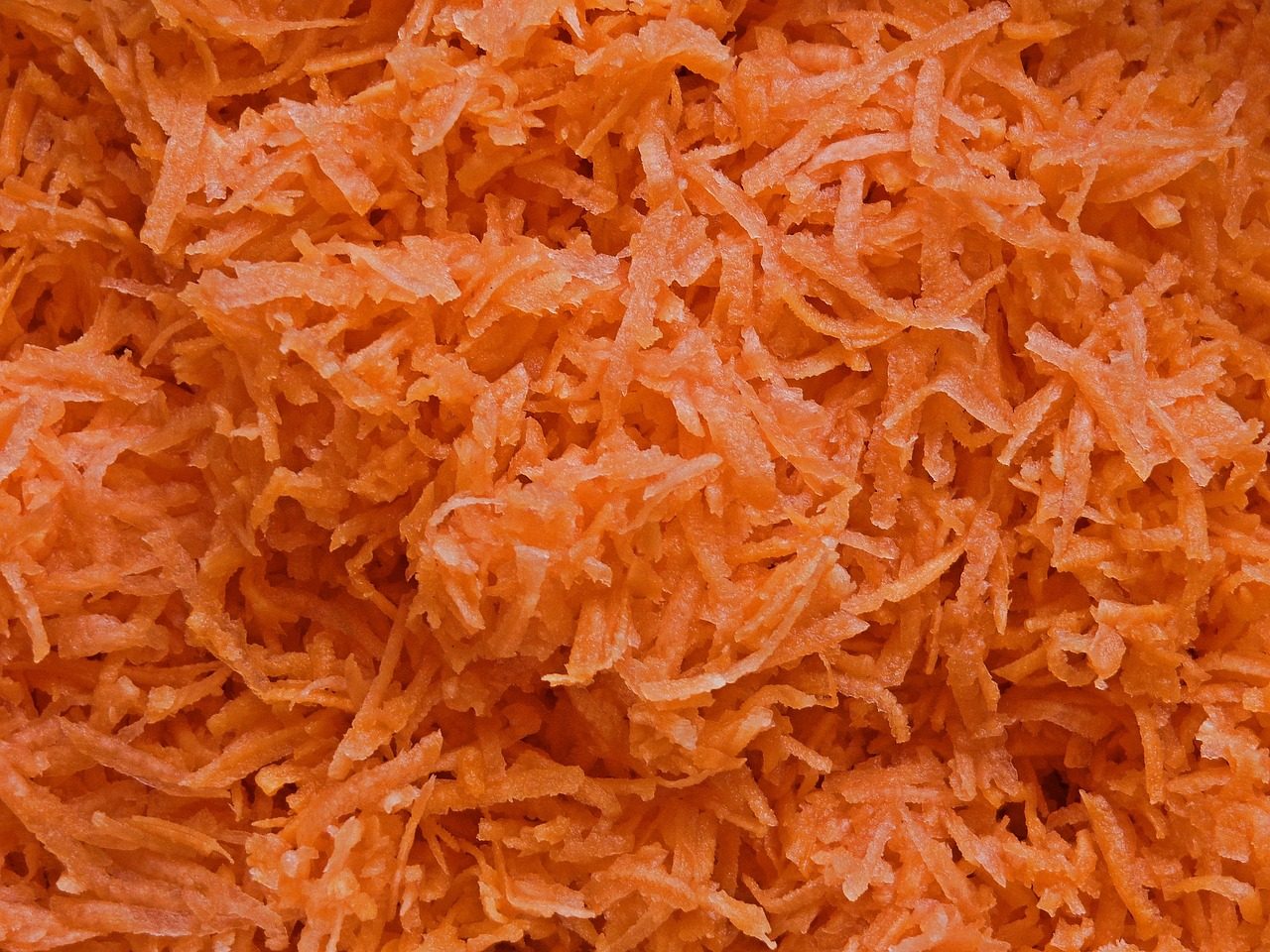
Grated carrots are one of those kitchen staples that seem to multiply the moment you pull out the box grater. One minute you need half a cup for muffins, and the next you’re staring at a full bowl with no plan for the rest. The good news: the freezer is a perfectly practical solution.
Yes, you can freeze grated carrots, and doing it right takes less effort than most people expect. Whether you bought a five-pound bag at Costco, harvested more than you can eat from the garden, or simply prepped too many for a recipe, this guide walks you through every step — from prep to thawing to knowing when a bag has gone bad.
Can You Freeze Grated Carrots?
Freezing grated carrots is an excellent way to have them on hand to incorporate in smoothies and soups or delicious baked goods like muffins or carrot cake. It works for both raw and blanched carrots, so you have flexibility depending on how much time you want to spend upfront.
Freezing shredded carrots is an ideal way to preserve carrots to use in future stir fry, baked goods, or other dishes that call for grated carrots, and shredded carrots are especially quick and easy to freeze raw. That said, the method you choose — raw versus blanched — does affect how long they stay at their best and what you can use them for after thawing.
Freezing grated carrots offers several advantages, including convenience, cost-effectiveness, and nutritional preservation. You can enjoy them year-round, even when they’re out of season, and this method also helps reduce food waste, as you can freeze carrots that are approaching their expiration date.
Pro Tip: Freeze grated carrots in recipe-ready portions — one cup per bag if you bake carrot muffins regularly, or half-cup portions for soups. You will thank yourself later when you are not wrestling with a frozen brick.
Does Freezing Change the Texture or Taste of Grated Carrots?
When freezing carrots, you will find that they undergo a slight texture change during the freezing process due to the water content of the vegetable. On the other hand, the taste is not altered much at all by freezing, and the texture change is minimal.
Frozen carrots can end up a bit rubbery due to moisture loss from the freezing process. For this reason, frozen carrots are not recommended for recipes where their crisp texture shines, such as crudités and dip. Grated carrots are even more susceptible to this since they have more surface area exposed to air and cold.
Carrots contain enzymes that cause them to continue to age after they’re harvested, even in the fridge. The aging process does not stop in the freezer, and one of the results is loss of color, texture, nutrients, and flavor — the sugars get converted to starch. Blanching before freezing deactivates those enzymes and slows that process significantly.
Freezing raw carrots will change the texture, making them mushier as they thaw, and also diminishes the flavor. For baked goods like carrot cake or banana-carrot muffins, that softer texture is barely noticeable once baked. For cooked dishes like soups and stir-fries, it is a non-issue. The only place where frozen grated carrots truly fall short is raw applications like salads and slaws.
How to Freeze Grated Carrots the Right Way
You have two solid options: freeze them raw for a quick, no-cook approach, or blanch them first for longer storage and better quality. Here is how to do both.
Option 1: Freeze Raw (Best for Short-Term Use)
- Wash and prep. Scrub the carrots well. Peeling is optional — peeling carrots is completely optional; peel only if they really look like they need it.
- Grate. Shred carrots using a box cheese grater or the shredding tool on a food processor. A food processor is faster when you are working with a large batch.
- Remove excess moisture. It is essential to remove excess moisture from the grated carrots to prevent the formation of ice crystals, which can affect their texture. You can do this by wrapping the grated carrots in a clean kitchen towel or cheesecloth and squeezing out as much moisture as possible.
- Portion. Freeze carrots that have been shredded in portion sizes as close as possible to what you will need in your recipe — for example, if you make carrot muffins frequently and need a cup of grated carrot per recipe, freeze your shredded carrots in one-cup portions. This avoids the issue of having a giant chunk of frozen, shredded carrots that need to be fully defrosted to single out the portion size you need.
- Bag and seal. Portion the grated carrots into freezer bags and seal them up tightly, removing as much air as possible by squeezing the air out from the bottom to the top.
- Shake after 30 minutes. It is vital that you shake the bag after 30 minutes of it being in the freezer if you want to be able to defrost a handful at a time — they will freeze in one clump without a brief shake.
- Label and date. Always write the date on the bag so you know exactly how long they have been in there.
Option 2: Blanch Before Freezing (Best for Long-Term Use)
- Grate and prep as described above.
- Blanch briefly. You can blanch shredded carrots to increase quality and shelf life — follow the same process as other carrots, but blanch for only one minute instead of two to three.
- Ice bath. Blanching involves briefly submerging the grated carrots in boiling water or steam to inactivate the enzymes that can cause spoilage. After blanching, immediately cool the grated carrots in an ice bath to stop the cooking process.
- Drain and dry thoroughly. Remove excess moisture using a towel or kitchen paper before freezing — excess water can cause ice crystals and ruin the texture.
- Portion, bag, seal, and label as in the raw method above.
Pro Tip: A muffin tin works as a clever portioning tool. Press shredded carrots into each cup and freeze. Once frozen, use a butter knife to pop the carrots out and transfer them to a freezer-safe storage container. Each cup holds roughly half a cup of grated carrot — perfect for single-recipe use.
How Long Can You Freeze Grated Carrots?
How long your frozen grated carrots stay good depends largely on whether you blanched them first.
| Method | Recommended Freezer Life | Notes |
|---|---|---|
| Raw (unblanched) | 1–3 months | Best color and flavor within this window |
| Blanched | Up to 12 months | Retains better color, texture, and taste longer |
Frozen carrots will last in the freezer for up to a year, though quality — texture and flavor — decreases with time. Blanched carrots will be good for a year, while unblanched carrots are best to use within 2 to 3 months.
Try to use raw frozen shredded carrots within about 1–3 months for best color and flavor. Past that window, they’re still safe but tend to taste dull and may clump more as ice crystals grow.
Although grated carrots will keep in the freezer for up to a year, it is advisable to try to use them up within the first 6 months to stop any major textural changes from taking place. For most home cooks, the sweet spot is using blanched grated carrots within 6 to 9 months for the best eating experience. Carrots are a naturally nutrient-dense vegetable, and proper freezing helps you hold onto more of those benefits over time.
How to Thaw Frozen Grated Carrots
The good news here is that thawing is often optional, depending on what you are making.
How you thaw depends on how you plan to use the carrots. If you want to use them raw, you will need to thaw them overnight in the fridge. Once thawed, you may need to give them a little squeeze to remove excess liquid and then drain them. If you want to use them in a cooked dish, you can use them directly from the freezer without defrosting them.
You can cook frozen carrots without thawing them. Shredded carrots, being so thin and small, thaw quickly — just throw them right into your pot or pan as you cook. This makes them especially convenient for busy weeknight meals.
If you do need to thaw them for baking, simply thaw them overnight in the refrigerator or thaw them quickly by submerging the container in cold water. After thawing, always squeeze out any extra liquid before folding them into batter — excess moisture can throw off the texture of baked goods like plant-based carrot loaves or muffins.
Pro Tip: When adding frozen grated carrots straight to baking batter, measure them while still frozen. They will release some water as they warm up in the oven, which is usually fine for quick breads and muffins, but thawing and squeezing first gives you more control over moisture.
Can You Refreeze Grated Carrots After Thawing?
It is strongly advisable against refreezing grated carrots. You will already find they lose their crispness once frozen. If you refreeze them, they will become soggy and limp. The repeated freeze-thaw cycle breaks down cell walls further, leaving you with a watery, unappetizing result.
The only exception is if you want to use frozen grated carrot in a dish, such as a bolognese sauce, which you then want to freeze. In that case, you are refreezing the finished cooked dish — not the raw carrots themselves — and that is perfectly fine.
Once thawed, do not refreeze — cook immediately in your pan, pot, or bowl. The simplest way to avoid this situation altogether is to freeze in small, recipe-ready portions from the start, so you only ever thaw exactly what you need.
How to Use Frozen Grated Carrots (Best Uses After Freezing)
Frozen grated carrots are genuinely versatile. The key is matching them to recipes where their softened texture works in your favor rather than against you.
Blanched frozen shredded carrots are great for use in recipes like soups, stews, casseroles, carrot cake, smoothies, and muffins. They are not great for fresh salads. Keep that distinction in mind and you will never be disappointed by the results.
- Baked goods: Carrot cake, carrot muffins, carrot bread, and pancakes all work beautifully. Many bakers freeze raw shreds in cup-sized portions, then stir them frozen into quick bread, muffin, or cake batter — once baked, the softer texture blends right in.
- Soups and stews: There are plenty of ways to incorporate your frozen carrots that often don’t even require thawing, like adding frozen carrots directly to hot vegetable stock on the stove before blending for a tasty and nutritious carrot soup.
- Stir-fries and pasta sauces: Frozen shredded carrots also work well as an addition to vegetable stir-fries, rice dishes, and much more. Drop them straight into a hot pan — they cook in seconds.
- Smoothies: Blend frozen grated carrots with orange juice, pineapple, mango, or yogurt. The shreds give body and color while staying mild in taste. They pair especially well with ginger and turmeric for a morning boost. Carrots are also a great fit in heart-healthy food routines.
- Casseroles and pasta bakes: Stir them in frozen — they will soften as the dish cooks and add nutrition without changing the overall flavor profile.
- Baby food and purees: Blended soups, sauces, and baby food purees handle frozen shreds with ease. Once blended, nobody can tell the carrots started in the freezer rather than fresh from the crisper.
If you are looking for more ways to incorporate vegetables like carrots into your everyday diet, check out these foods that support healthy skin — carrots, rich in beta-carotene, are a natural fit on that list.
Signs That Frozen Grated Carrots Have Gone Bad
Frozen carrots rarely become unsafe to eat when kept solidly frozen, but quality can deteriorate to the point where they are not worth using. Here is what to look for before you add them to a recipe.
- Freezer burn: White or grayish patches on the surface of the carrots indicate freezer burn from air exposure. The carrots are still safe to eat, but the affected areas will taste dry and bland. Cut away the worst spots or use the carrots only in heavily seasoned dishes.
- Color fading: A dull orange color instead of a vibrant hue is a sign that quality has declined, especially in raw-frozen carrots stored too long.
- Off smell: Fresh frozen carrots have almost no odor. If you open the bag and notice a sour or fermented smell, discard them — this points to spoilage that occurred before or during freezing.
- Excessive ice crystals or clumping: Some clumping is normal, but a solid icy mass with large crystals means the carrots thawed partially at some point and refroze. The texture will be very poor. Use your judgment — if they smell fine, they are safe for a cooked dish, but the quality will be noticeably lower.
- Slimy texture after thawing: If thawed grated carrots feel slimy rather than just soft and moist, that is a sign of bacterial breakdown. Discard them.
Before using your frozen carrots, be sure to check for signs of freezer burn or decay and note that they will have the best taste and texture the sooner you use them. Labeling bags with the freeze date makes it easy to rotate your stock and use older bags first.
Eating a wide variety of vegetables — including carrots — is linked to a range of health benefits, so keeping a well-maintained freezer stash means you are always a step ahead on nutrition. You might also find carrots showing up in lists of foods that support liver function, thanks to their antioxidant content.
Frequently Asked Questions
Can you freeze grated carrots without blanching?
Yes — shredded carrots are frozen raw regularly, and blanching is not necessary for shredded carrots that you plan to use for baking. Just keep in mind that raw frozen carrots without blanching will only last 1–2 months in the freezer before color, taste, flavor, and nutrients are lost. Blanching is the better choice if you want them to last closer to a year.
Do frozen grated carrots work in carrot cake?
Yes, and this is one of the best uses for them. Shredded carrots are frozen raw and will be thawed and used for baking things like carrot cake and carrot muffins. Thaw them in the fridge overnight and squeeze out excess moisture before mixing them into your batter for the best results.
How do you keep frozen grated carrots from clumping?
Since shredded carrots will all clump together, it is best to freeze them in small portions that will be easy to use later, such as one or two cup portions. After the grated carrot bags have been in the freezer for 30 minutes, remove them and give them a vigorous shake to break up any forming clumps before they freeze solid.
Can you freeze store-bought pre-shredded carrots?
Yes. The same rules apply — portion them out, remove as much air as possible from the bag, and freeze flat. Because store-bought shredded carrots are already cut and may have been sitting for a few days, use them sooner rather than later. Freezing carrots as soon as possible after they are at peak freshness will give the best results, so if you know you won’t eat them all while they are fresh, go ahead and pop some in the freezer.
Can frozen grated carrots be used in smoothies?
Absolutely. Not only can you freeze shredded carrots, but it is an amazing way to add vegetables quickly — add a handful to smoothies or muffins, or throw them straight from the freezer into a pan for a fast stir-fry. No thawing needed for the blender.
What is the best container for freezing grated carrots?
It is best to fill your containers nice and full with as little empty air space as possible to help reduce the risk of freezer burn. If you use freezer bags, try to press or suck out as much air as possible before sealing the bag. Zip-top freezer bags laid flat are ideal for grated carrots because they freeze quickly and stack efficiently. Rigid airtight containers and silicone molds also work well for pre-portioned amounts.