Can You Freeze Silk Milk? What Actually Happens and How to Do It Right

October 30, 2026
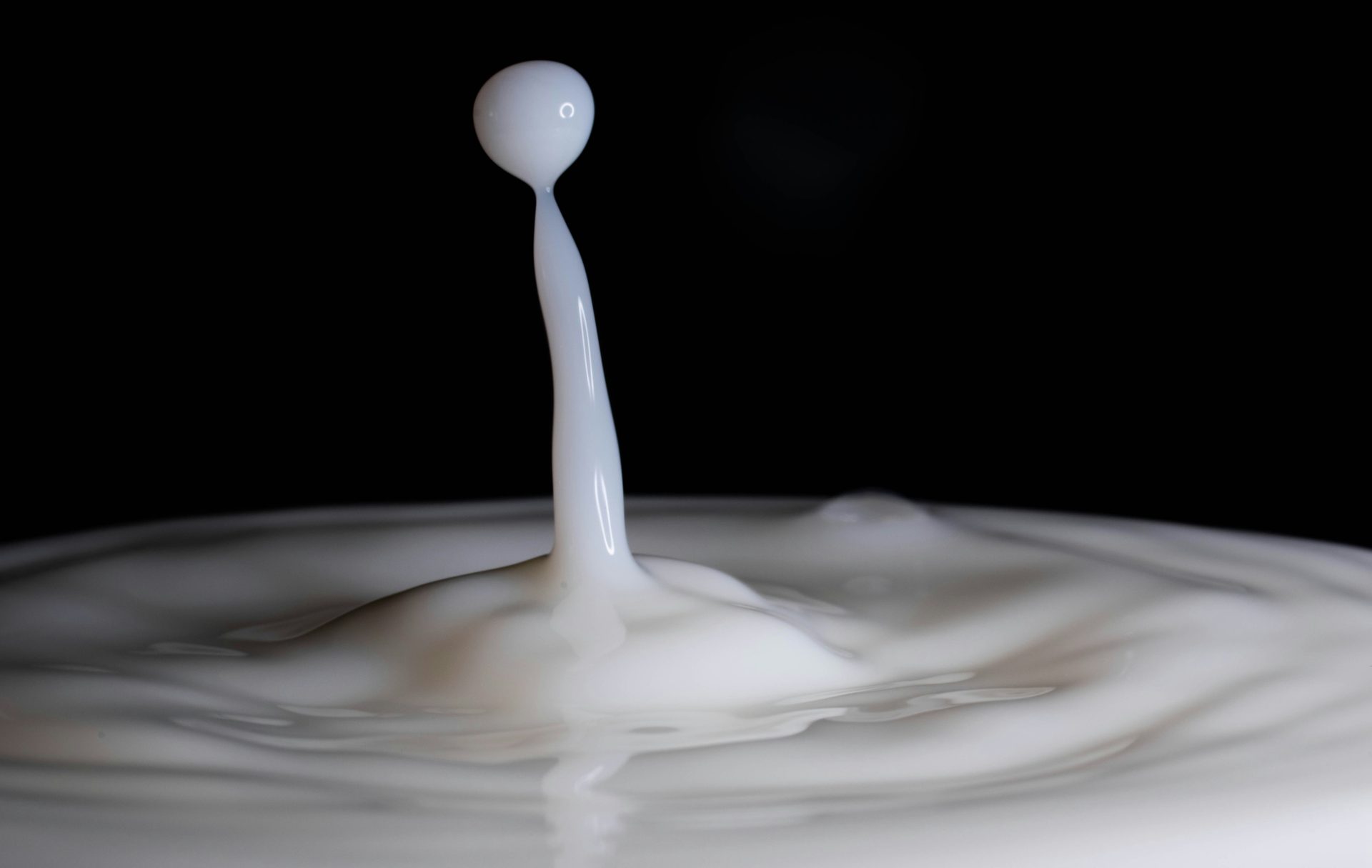
Silk milk is one of the most popular plant-based beverages in the United States, and for good reason. Whether you reach for the almond, soy, oat, coconut, or cashew variety, a carton goes fast — but not always fast enough. If you’ve ever found yourself staring at a half-used carton that’s about to expire, you’ve probably wondered whether freezing it is a smart move.
The short answer is yes, you can freeze Silk milk. The longer answer involves a few trade-offs you should know about before you toss that carton in the freezer. This guide walks you through everything: what happens to the texture, the right way to freeze it, how long it keeps, how to thaw it safely, and the best ways to put it to work in your kitchen after it’s been frozen.
Can You Freeze Silk Milk?
Technically, yes — but Silk itself doesn’t encourage it. According to Silk’s official FAQ , the company does not recommend freezing its products. Although freezing does not affect their safety or nutritional value, Silk products change in texture when thawed. However, Silk beverages perform well in frozen dessert recipes.
That’s an important distinction. Freezing Silk milk won’t make it unsafe to consume, and it won’t strip away the vitamins and minerals it contains. Silk beverages contain five essential nutrients — calcium, vitamins D, E, A, and B12 — all of which remain intact after freezing. What does change is the drinking experience, which is why Silk steers you toward using frozen milk in recipes rather than pouring it into a glass.
Silk makes a variety of dairy-free, plant-based beverages, including soy, coconut, almond, oat, and cashew. Each variety freezes a little differently depending on its fat content and the stabilizers used, but all of them will experience some degree of texture change after thawing.
Pro Tip: If you’re buying Silk milk in bulk or stocking up during a sale, freeze individual portions right away rather than waiting until the carton is almost empty. Fresher milk going into the freezer means better quality coming out.
Does Freezing Change the Texture or Taste of Silk Milk?
Yes — and this is the part most people underestimate. Milk is an emulsion, a mixture of liquids that don’t naturally blend together, which in this case are fat and water. The two homogenized components tend to separate when frozen, causing the milk to become more grainy after thawing.
Almond, soy, oat, and flax milks all separate and become grainy after freezing, just like dairy milk. In some cases the texture change is more pronounced because plant-based milks rely on added stabilizers and emulsifiers to stay smooth, and those systems break down during freezing.
On the flavor side, the taste itself doesn’t dramatically shift. One of the best uses for once-frozen, now-thawed plant-based milk is in baking. The flavor profile will be the same, and it will still fulfill the need for liquid in the recipe. So while a glass of thawed Silk milk might feel off, the flavor holds up well when it’s mixed into other ingredients.
Many brands sell different varieties of plant-based milk with labels like “extra creamy” or “full fat,” which you’ll want to avoid freezing as they’ll separate more than others. If you do decide to freeze plant-based milk, opt for the low-fat or regular versions of it.
| Silk Milk Variety | Texture After Thawing | Flavor Impact | Best Post-Freeze Use |
|---|---|---|---|
| Soymilk | Grainy, separated | Mild change | Smoothies, baking, cooking |
| Almondmilk | Grainy, slightly watery | Mild change | Baking, oatmeal, frozen desserts |
| Oatmilk | Separates noticeably | Mild change | Cooking, baked goods |
| Coconut Beverage | Separates, higher fat content | Minimal change | Frozen desserts, curries, soups |
| Cashewmilk | Grainy, separated | Mild change | Smoothies, soups, sauces |
How to Freeze Silk Milk the Right Way
The way you freeze Silk milk makes a real difference in how well it holds up. Pouring it into the right container — and in the right amount — will save you hassle when it’s time to use it.
Most freezable containers with an airtight lid will work, but the best way to freeze extra milk is by dividing it up into an ice cube tray — preferably one with a lid to avoid spilling. Fill each ice cube section three-quarters of the way with milk. As the milk freezes, it will expand, so it’s important not to overfill the containers.
While planning to freeze your Silk milk, make a list of the ways you want to use it before putting it in the freezer. If you know how much you’ll need in a recipe, it’s best to freeze just that amount individually, so when you thaw it, you have the correct amount. This also helps with thawing, as a full container will take much longer to defrost than a smaller portion.
- Choose the right container. Use airtight, freezer-safe containers or silicone ice cube trays. Avoid glass, which can crack as the liquid expands.
- Leave room for expansion. Leave at least half a cup (120 ml) of space before sealing.
- Portion it out. Freeze in recipe-sized amounts — ice cubes, half-cup portions, or single-serving containers — so you only thaw what you need.
- Label everything. Label your containers with the date, along with the volume of milk, especially if you are freezing specific quantities.
- Freeze promptly. It’s best to freeze Silk milk as soon as you’ve opened the carton to avoid the risk of spoiling, as it will give you the maximum amount of time to consume it when you come to thaw it.
Pro Tip: Silicone ice cube trays make removing frozen milk cubes much easier. Once frozen solid, transfer the cubes to a labeled zip-top freezer bag to free up the tray and keep things organized.
How Long Can You Freeze Silk Milk?
Frozen Silk milk doesn’t last indefinitely, and quality degrades the longer it sits in the freezer. For the best results, plan to use it within a reasonable window.
When done properly, you can freeze plant-based milk for up to six months and it will still retain its quality. That said, most food storage experts recommend a shorter window for the best taste and texture. Best quality is within one to three months, though it remains safe up to six.
Before you freeze, keep in mind how long Silk milk stays fresh in the fridge. Silk refrigerated beverages and creamers will stay fresh in your refrigerator until the date stamped on the package. Once opened, they need to be consumed within 7 to 10 days. If you have a shelf-stable carton that hasn’t been opened yet, there’s less urgency — Silk shelf-stable products do not need to be refrigerated until they are opened and will stay fresh until the date stamped on the package.
| Storage Method | Shelf Life |
|---|---|
| Refrigerator (unopened, refrigerated variety) | Until printed date |
| Refrigerator (opened) | 7–10 days |
| Freezer (best quality) | 1–3 months |
| Freezer (safe but declining quality) | Up to 6 months |
How to Thaw Frozen Silk Milk
Thawing Silk milk correctly is just as important as freezing it correctly. Rushing the process or using the wrong method can make the texture even harder to work with.
When you’re ready to use your Silk milk, defrost individual containers in the refrigerator. It should only take a few hours and will definitely be fully defrosted if left overnight. This slow, cold thaw is the safest approach and helps minimize bacterial growth.
Once thawed, don’t skip the shaking step. Once you thaw the milk, make sure to shake the container vigorously to recombine the ingredients and help bring back some of the original texture — it won’t be as homogeneous as it was, but it’ll definitely improve things. You can also blend it for a smoother result. If you’d like to use the milk ice cubes just for a glass of milk to drink, thaw the ice cubes and blend the thawed milk before drinking. This will help the solids and liquids in the milk reconstitute as much as possible.
If you’re adding frozen Silk milk directly to a smoothie or hot dish, you can skip thawing altogether. You can skip defrosting and use the frozen cubes in smoothies or milkshakes. Or if you need to heat it up, you can go straight from the freezer to a saucepan or microwave.
Once you thaw your frozen Silk milk, use it within two days. Don’t leave thawed milk sitting in the fridge for a week and assume it’s still good.
Can You Refreeze Silk Milk After Thawing?
No. Once you’ve thawed Silk milk, refreezing it is not a good idea. You can’t re-freeze the thawed milk again, so any you defrost must be used or discarded.
This is exactly why portioning before freezing matters so much. If you freeze Silk milk in large containers and only need a cup, you’ll end up thawing more than you can use — and you can’t safely put the rest back in the freezer. Freezing in ice cube trays or small containers eliminates this problem entirely.
Each freeze-thaw cycle further breaks down the emulsion structure of the milk, making the texture even grainier and less appealing. Use thawed milk within 3 to 7 days and don’t refreeze. Stick to that window, and plan your portions accordingly before the milk ever goes in the freezer.
Important Note: Separation after thawing is normal and does not mean the milk has spoiled. A good shake or blend will help recombine it. True spoilage has distinct signs — see the section below for what to watch for.
How to Use Frozen Silk Milk (Best Uses After Freezing)
Thawed Silk milk isn’t ideal for drinking straight, but it’s genuinely useful in the kitchen. The texture change that makes it less appealing in a glass becomes completely irrelevant once it’s blended into a recipe. If you’re looking for ideas on how to build a whole plant-based foods routine, keeping frozen Silk milk on hand is a practical way to stay stocked without waste.
The same rules apply: blend or shake after thawing, and plan on using the milk in cooking or smoothies rather than drinking it straight. Here are the best ways to put it to work:
- Smoothies: Frozen plant-based milk ice cubes are delicious when used in a smoothie or bowl recipe. Drop them in frozen — no thawing needed.
- Baking: Thawed Silk milk works perfectly in muffins, pancakes, quick breads, and cakes. You won’t have to worry about the difference in texture once the milk is mixed with the other ingredients.
- Oatmeal and hot cereals: Stir thawed or frozen cubes directly into your morning oats as they cook. The heat reintegrates the milk smoothly.
- Soups and sauces: Frozen Silk milk cubes are easy to drop directly into a pot of soup, a creamy pasta sauce, or a curry. This is especially useful with coconut or cashew varieties, which pair well with liver-supporting foods like leafy greens and garlic often found in plant-based soups.
- Iced coffee: You can add any kind of frozen plant milk to your morning brew to create a flavorful iced coffee. The coffee will become more diluted with milk as it melts.
- Frozen desserts: Silk beverages perform well in frozen dessert recipes — think homemade “nice cream,” popsicles, or frozen yogurt-style treats.
- Scrambled eggs or egg alternatives: A splash of thawed Silk milk adds creaminess to scrambled eggs or tofu scrambles without any noticeable texture difference.
Frozen Silk milk is also a good ingredient to have around when you’re cooking with heart-healthy superfoods like oats, berries, and flaxseed — all of which pair naturally with plant-based milks in smoothies and baked goods. You can also incorporate it into recipes featuring foods that support healthy eyesight, like carrot-based smoothies or spinach soups.
Signs That Frozen Silk Milk Has Gone Bad
Not every change you see after thawing Silk milk is a sign of spoilage. Separation and a slightly grainy texture are completely normal. Knowing the difference between expected changes and actual spoilage will save you from throwing out perfectly usable milk — or from consuming something that’s genuinely gone bad.
Frozen milk can separate after it thaws, but can be restored to its original texture after a quick shake — don’t mistake separation for spoilage. That said, there are clear warning signs that mean it’s time to discard the milk.
- Sour or rancid smell: If it smells rancid and sour, the spoilage process has already begun. Fresh Silk milk has a clean, neutral to slightly sweet scent.
- Lumpy or curdled texture: If you go to pour a glass and notice that the milk has turned lumpy, that’s an indication that the contents have gone bad. Normal separation is thin and watery; spoiled milk looks curdled or chunky.
- Color changes: The color may shift from its original off-white to a different hue, which is a clear indicator of spoilage. A pale yellow tint right after freezing can be normal, but a deep yellow, gray, or brown color is not.
- Bloated carton or container: A carton might start to bulge as a result of bacteria that has worked its way into the container and begun emitting gas.
- Visible mold: If you see mold floating in your milk, that’s a definite sign that it has reached the end of its shelf life.
- Off or bitter taste: If the milk passes the smell and visual checks but tastes wrong, trust your palate and discard it.
When in doubt, throw it out. Spoiled plant-based milk can cause foodborne illness just like spoiled dairy milk. If you’re interested in how food choices connect to broader health outcomes, our guide on powerful nutrients and foods that fight cancer is worth a read, as it touches on how quality, whole-food ingredients matter in your daily diet.
Frequently Asked Questions
Can you freeze an unopened carton of Silk milk?
Yes, you can freeze an unopened carton, but you should transfer the milk to a freezer-safe container first. The original carton doesn’t leave enough room for expansion, and it can crack or burst as the liquid freezes. Pour the milk into airtight containers or ice cube trays before freezing.
Does freezing Silk milk destroy its nutrients?
No. Although freezing does not affect their safety or nutritional value, Silk products change in texture when thawed. The calcium, vitamins D, E, A, and B12 remain intact through the freeze-thaw process.
Can you freeze Silk creamer?
Silk creamers can be frozen using the same method as their plant-based milks — in airtight, freezer-safe containers with room for expansion. Expect the same texture changes after thawing. Creamers with higher fat content may separate more noticeably. Use thawed creamer in coffee, baked goods, or soups rather than straight from the container.
Why does Silk milk turn yellow after freezing?
Don’t be alarmed at the color after freezing. Silk milk will go a pale yellow color when frozen — this is perfectly natural. The yellow tint comes from fat separating from the water and riboflavin (vitamin B2), which has a natural yellow color. Both are normal. A good whisk usually sorts it out.
How long does Silk milk last after thawing?
Once you thaw your frozen Silk milk, use it within two days. Keep it refrigerated and sealed, and don’t refreeze it once it has thawed.
Is frozen Silk milk safe for people with dietary restrictions?
Yes. Freezing doesn’t change the allergen profile or dietary classification of Silk milk. Silk products are completely vegan — there are no animal products, by-products, or derivatives in their products. People who are lactose intolerant, dairy-free, or following a plant-based diet can still use frozen and thawed Silk milk without concern. For more on plant-based eating, see our overview of whole plant-based foods.
Can I use frozen Silk milk in coffee?
Absolutely. Frozen Silk milk cubes work great in iced coffee — they chill your drink and add creaminess as they melt. If you want to use thawed Silk milk in hot coffee, give it a good shake or brief blend first to smooth out any separation before pouring.