How to Freeze Green Beans the Right Way (and Actually Enjoy Them Later)

October 30, 2026
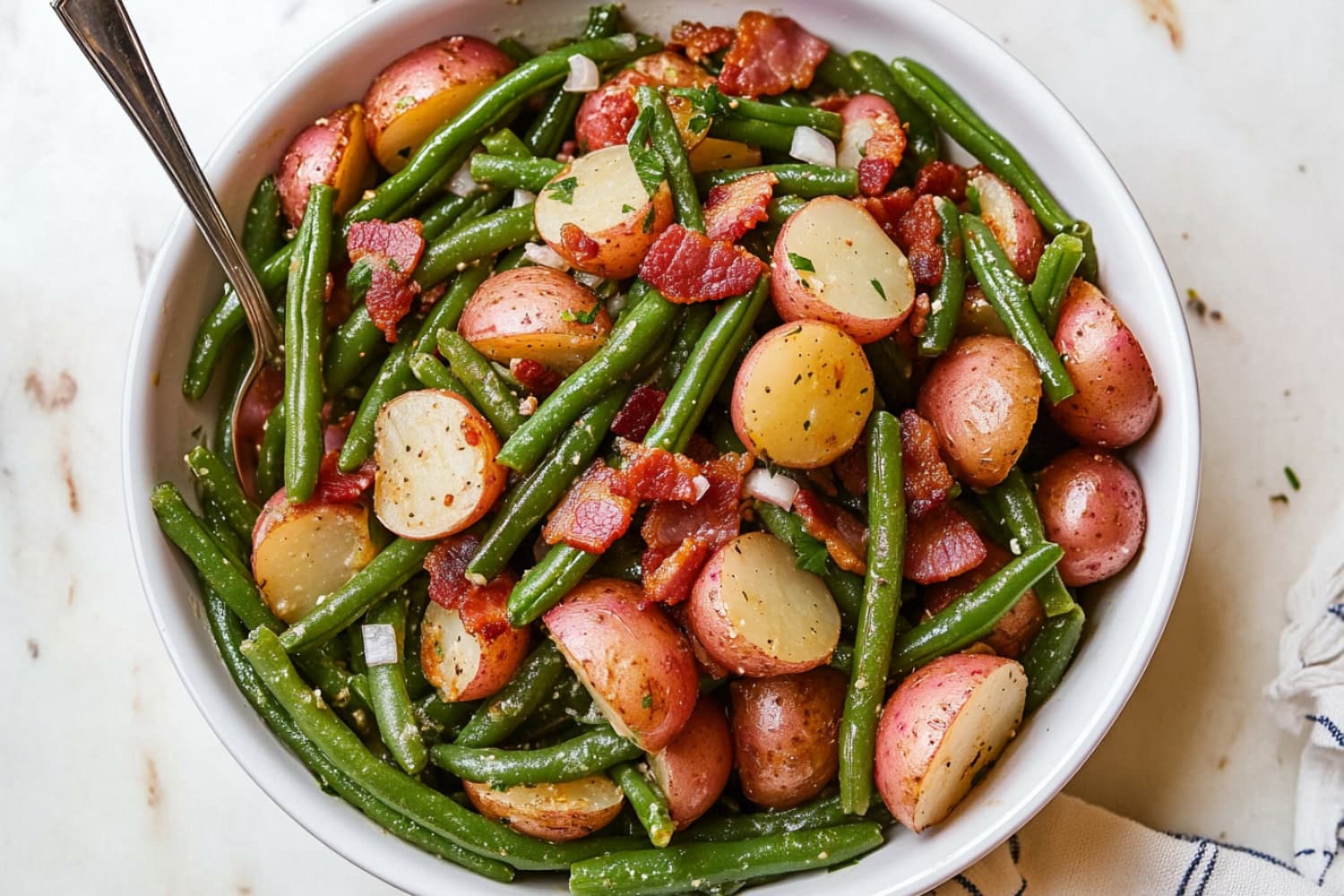
Green beans are one of those vegetables that seem to arrive all at once — whether you grew a bumper crop in the backyard, scored a great deal at the farmers market, or stocked up during a grocery sale. The good news is that freezing them is one of the easiest ways to stretch that haul for months without losing much of what makes them great.
Done correctly, frozen green beans hold their color, flavor, and nutrition remarkably well. Done carelessly, you end up with a bag of mushy, dull beans that nobody wants to eat. This guide walks you through every step — from the freezer to the dinner table — so you get the best results every time.
Can You Freeze Green Beans?
Yes, you can absolutely freeze green beans. Freezing green beans is a wonderful, easy way to preserve them. The method works for all common varieties you’ll find in the United States — snap beans, string beans, pole beans, bush beans, and French haricots verts all respond well to freezing.
The tips for freezing apply to all types of green beans, including classic string beans, pole beans, French haricots, snap beans, and more. If you want to explore the full range of varieties before you buy or harvest, check out this guide to different types of green beans to find out which ones suit your cooking style best.
To begin, select good green beans that are firm and free of blemishes or any signs of damage. Freezing only maintains the quality of a vegetable — it does not improve it. So it is important to identify and discard any rotten beans before you begin. Starting with the freshest beans you can find is the single most important factor in how good your frozen beans will taste later.
Pro Tip: Green beans are in peak season from May through October in most parts of the US. That’s the best window to freeze a large batch at their freshest and most flavorful.
Does Freezing Change the Texture or Taste of Green Beans?
Freezing does change green beans somewhat, but the degree depends almost entirely on how you prepare them before they go into the freezer. Freezing results in a product with a texture that’s closer to fresh than canning does — but many people end up with rubbery, overcooked, or mushy frozen beans. That outcome is avoidable.
The main culprit behind quality loss is enzyme activity. All vegetables have proteins called enzymes whose job is to ripen and mature food. Even after a vegetable is picked, those enzymes keep working — and unfortunately, enzymes remain active at freezer temperatures. Over time, this causes color to fade, texture to soften, and flavor to dull.
If you skip blanching, the quality drops dramatically. Enzymes that cause loss of color, flavor, and nutrients remain active without it. Within 4 to 6 weeks, unblanched frozen green beans can taste tough and develop off-flavors. Blanching neutralizes those enzymes before they can do damage, which is why it makes such a noticeable difference in the final result.
That said, even properly blanched and frozen green beans will be slightly softer than fresh ones. They work best in cooked applications — soups, stir-fries, casseroles — rather than raw salads or dishes where a firm snap matters most. Green beans are also a nutritional powerhouse; if you want to learn more about why they deserve a regular spot in your diet, see this overview of foods that are green and their health benefits.
How to Freeze Green Beans the Right Way
The gold standard method involves blanching before freezing. The key to high-quality home frozen green beans lies in blanching. The USDA recommends blanching green beans before freezing, which kills enzymes inside the vegetables that can cause a loss of color, texture, and flavor over time. Here is the full process, step by step.
Step 1: Wash and Trim
Select beans when they are young and tender — overgrown beans can be tough. Wash the beans and remove any stem and leaf bits. Cut into pieces that are 2 to 4 inches in length. You can also leave them whole if you prefer, though cut beans are easier to toss directly into soups and stir-fries from frozen.
Step 2: Blanch
Bring one gallon of water to a rapid boil in a large stockpot. A blanching basket insert is helpful so you can remove all the beans at once, but a slotted spoon works too. When the water is boiling, add one pound of prepared green beans and boil for 3 minutes — start the timer once the water has returned to a boil.
Avoid blanching too many beans at once, or the water will take too long to return to a boil and result in overcooked beans. Work in batches if you have a large quantity.
Step 3: Ice Bath
While the beans are blanching, fill a large bowl with cold water and ice. This acts as an ice bath to stop the cooking process once your green beans are parboiled. Once the 3 minutes of cooking is up, immediately transfer the green beans to the ice bath. Let the beans sit in the ice bath for 5 minutes.
Step 4: Dry Thoroughly
Remove the green beans from the ice bath and pat them completely dry. Any excess water can cause ice crystals to form on the beans, which will decrease the quality of the beans once frozen. Spread them on a clean kitchen towel and give them 15 to 20 minutes to air dry before packaging.
Step 5: Flash Freeze, Then Pack
Arrange the green beans on a tray in a single layer. This prevents them from sticking together during freezing. Place the tray into the freezer until the beans are firm and frozen. Then transfer the beans into airtight freezer-safe containers or bags. Remove as much air as possible from the bags before sealing them.
Label the package or container with the date and contents. Use the frozen green beans within 6 to 8 months for best quality.
Pro Tip: Freezing beans in a single layer before bagging them is worth the extra step. It lets you grab just a handful at a time rather than wrestling with a solid frozen block.
Can You Skip Blanching?
It is perfectly safe to freeze green beans without blanching. However, food preservation experts recommend blanching green beans first for the best results and texture — especially for long-term storage. Freezing green beans raw is ideal for a small volume of beans that you plan to use within a couple of months.
The National Center for Home Food Preservation recommends blanching as the standard method for freezing green beans and snap beans. If you do skip it, plan to use those beans quickly and expect a noticeable difference in texture and color after extended storage.
How Long Can You Freeze Green Beans?
Frozen green beans can typically be kept in the freezer for 8 to 12 months for optimum flavor and quality. If stored beyond this timeframe, they may still be safe to eat, though you might notice diminished quality.
Maintaining a constant freezer temperature is important. Avoid frequent opening of the freezer, and check that your freezer’s thermostat is set to 0°F (-18°C) or lower. Fluctuating temperatures are one of the main causes of premature freezer burn and texture breakdown.
Here is a quick reference for green bean storage timelines:
| Storage Method | Recommended Timeframe | Notes |
|---|---|---|
| Blanched and frozen | 8–12 months | Best quality; USDA-recommended method |
| Frozen without blanching | 1–2 months | Texture and flavor degrade faster |
| Fresh in the refrigerator | Up to 1 week | Store unwashed in crisper drawer |
| Blanched, refrigerated (not frozen) | Up to 3 days | Good for short-term prep |
To ensure the best quality and longevity of frozen green beans, store them in an airtight container or vacuum-sealed bag. Proper sealing helps prevent freezer burn, which can degrade texture and flavor. Minimize exposure to air and moisture by getting rid of as much air as possible before sealing.
How to Thaw Frozen Green Beans
The good news about frozen green beans is that thawing is often optional. You can cook them directly from frozen. Add them directly to boiling water, stir-fries, or casseroles. Avoid thawing first when possible, as they can become mushy. Steaming from frozen for 5 to 6 minutes gives the best results.
When you do need to thaw them first, you have two safe options:
- Refrigerator thawing: Place the frozen green beans in the fridge overnight for a slow, even thaw. This is the safest method and preserves the most texture.
- Cold water thawing: Submerge the sealed bag in a bowl of cold water, changing the water every 30 minutes. Per USDA guidelines, don’t leave vegetables out at room temperature for more than 2 hours.
Never thaw green beans on the counter at room temperature. The FDA advises to never thaw food at room temperature, such as on the countertop. Once thawed, use frozen green beans within 2 to 3 days.
Can You Refreeze Green Beans After Thawing?
Technically, you can refreeze green beans after thawing them, but it is not recommended. Refreezing is not recommended because quality and texture degrade significantly with repeated freezing and thawing.
If you thawed your beans in the refrigerator and they haven’t been sitting out, you have a short window. If the green beans were thawed by other means — such as in warm water or the microwave — it is best to cook them first before refreezing. Doing so helps ensure that any bacteria that may have developed during thawing are eliminated, making them safer to eat after being refrozen.
The smarter approach is to freeze green beans in portion-sized bags from the start. That way, you only thaw what you need and never have to think about refreezing at all. Frozen foods keep their quality longer when stored in the coldest part of the freezer, such as the bottom or the back. Side door storage areas usually get a little warmer, so food stored there might soften or start to defrost.
Pro Tip: Freeze green beans in 1- to 2-cup portions. Most weeknight recipes call for roughly that amount, so you can grab a single bag and go without worrying about leftovers.
How to Use Frozen Green Beans (Best Uses After Freezing)
Frozen green beans are incredibly versatile in the kitchen. Because they’re already partially cooked from blanching, they need less time on the stove than raw beans. After freezing and thawing, green beans work best as a steamed side dish, in green bean casserole, stir-fry, soup, or sautéed with garlic.
Here are some of the best ways to put them to work:
- Soups and stews: Drop them in frozen during the last 5 to 10 minutes of cooking. They’ll thaw and heat through quickly without turning mushy. This is one of the most popular uses — a bag of frozen beans can rescue a thin broth-based soup in minutes.
- Green bean casserole: The classic Thanksgiving dish actually works beautifully with frozen beans. No thawing required — just mix them in frozen and let the oven do the rest.
- Stir-fries: Throw frozen beans into a preheated skillet so the moisture can evaporate, then add oil and/or butter to sauté with onions. High heat and a hot pan are the keys to keeping them from getting soggy.
- Steamed side dish: Steam directly from frozen for 5 to 6 minutes. Finish with butter, lemon, garlic, or a sprinkle of Parmesan.
- Pasta and grain bowls: Toss thawed beans into pasta dishes or grain bowls where a bit of softness is fine and the flavor still shines.
Green beans are also a genuinely healthy addition to your diet. They appear on many lists of superfoods for a healthy heart and are often cited among powerful nutrients and foods that fight cancer. Freezing them at peak freshness helps lock in those benefits so you can enjoy them year-round. You can also explore how whole plant-based foods like green beans fit into a broader healthy eating pattern.
If you enjoy other legumes and want to compare nutritional profiles, the green peas guide and the mung beans overview are worth a look — both freeze well using similar methods.
Signs That Frozen Green Beans Have Gone Bad
Frozen green beans that have been stored properly and used within the recommended window are almost always safe and good. But it’s worth knowing what to look for when you pull an older bag out of the freezer.
Signs like discoloration, freezer burn, or changes in texture may indicate it’s time to toss them out. Here’s what to check before you cook:
- Color changes: If your beans have lost their vibrant green color or you notice brown spots, that’s a good indicator that they are past their prime.
- Slimy or mushy texture: If the beans feel slimy or sticky, it’s a clear sign of spoilage. A slimy texture often indicates bacterial growth, which can lead to foodborne illness if consumed.
- Off smell: An off smell is a pretty obvious sign something is wrong with the beans. Fresh green beans have a mild, grassy scent. Anything sour, fermented, or otherwise unpleasant means they should be discarded.
- Freezer burn: Heavy freezer burn appears as dry, whitish patches on the surface of the beans. Mildly freezer-burned beans are safe to eat but will taste bland or papery. Heavily affected beans are better tossed.
- Clumped solid block: Frozen peas, corn, beans, and berries should not be a solid block of food. This may be a sign of defrosting and refreezing. If your bag of beans has fused into a single mass, the quality has likely been compromised.
Discard green beans that are discolored, slimy, soft, or have an off odor. When in doubt, throw them out — the small amount of food waste is not worth the risk of a stomach ache.
Frequently Asked Questions
Do You Have to Blanch Green Beans Before Freezing?
You don’t have to, but you really should if you want good results beyond a month or two. If you freeze green beans without blanching them first, the texture, color, and taste won’t be quite as fresh when you defrost and eat them after long-term storage. The University of Maine Cooperative Extension and the USDA both recommend blanching as the standard method for home freezing.
Can You Freeze Fresh Green Beans from the Garden?
Yes — and garden-fresh beans are often the best candidates for freezing. Select beans when they are young and tender, as overgrown beans can be tough. Pick them at their peak and freeze the same day for the best flavor and texture. You can find tips for growing and harvesting different varieties in this guide to types of green beans.
Can You Freeze Cooked Green Beans?
Yes. Cooked green beans — whether roasted, sautéed, or steamed — can be frozen. Keep in mind that they will be softer after thawing than blanched-raw beans. Store them in an airtight container, label with the date, and use within 2 to 3 months for best quality.
How Do You Prevent Freezer Burn on Green Beans?
To shield your green beans from freezer burn, minimize their exposure to air. Blanch your beans in boiling water, then cool them in ice water to stop the cooking process. Dry them thoroughly to prevent ice crystals from forming, and then place them in freezer-safe bags, squeezing out as much air as possible before sealing. A vacuum sealer is the most effective tool for this, but pressing the air out manually works well too.
Are Frozen Green Beans as Healthy as Fresh?
Freezing helps maintain the beans’ nutrients and color. The freezing process helps lock in vitamins and minerals found in fresh produce, making them a healthy choice for meals throughout the year. Some studies suggest a slight reduction in certain water-soluble vitamins after blanching, but overall, frozen green beans remain a highly nutritious option. For more on how vegetables support your health, see this guide to foods that enhance liver function and foods that promote healthy eyesight.
How Long Do Thawed Green Beans Last in the Fridge?
Once thawed, use frozen green beans within 2 to 3 days. Keep them in a covered container in the refrigerator and do not leave them at room temperature for more than 2 hours.