Can You Freeze Canned Tuna? What You Need to Know Before You Try

October 28, 2026
You’ve just opened a large can of tuna, used half of it for lunch, and now you’re staring at the leftovers wondering what to do. Tossing perfectly good protein feels wasteful, and the fridge only buys you a few days. So the question comes up: can you freeze canned tuna?
The short answer is yes — but with some important caveats. While you certainly can put tuna in the freezer without any serious safety disadvantages, it shouldn’t be your first choice, as it will likely lead to a change in its overall quality. This guide walks you through exactly how to do it right, what to expect when you thaw it, and the best ways to use it so the texture change barely matters.
Can You Freeze Canned Tuna?
When left unopened, canned goods can last indefinitely, but once you lift the lid, the clock starts ticking. Exposure to oxygen leaves canned foods vulnerable to bacterial growth, and proper storage methods must be observed so they remain safe to eat, albeit within a limited time frame. That’s where the freezer comes in.
From a food safety perspective, it is generally safe to freeze opened canned tuna, provided it has been stored correctly after opening. The key word is “opened” — you’re not freezing the can itself, you’re transferring the fish to a proper freezer-safe container first.
Never put food in the freezer while still in its can, even if the tin is unopened. The water in food expands as it freezes, pushing against the tin and potentially damaging its seams. Beyond exposing the food to air, the can might even explode. Always transfer the tuna out of the original can before freezing.
Pro Tip: If you regularly stock up on canned seafood, check out this overview of canned foods worth keeping in your pantry for more storage-smart ideas.
According to the U.S. Department of Agriculture, low-acid canned goods like tuna can last up to four days in the fridge. If you know you won’t finish the leftovers within that window, the freezer is a reasonable backup — as long as you go in with realistic expectations about texture.
Does Freezing Change the Texture or Taste of Canned Tuna?
Yes, and it’s worth understanding why before you commit to freezing. The problem isn’t a food safety issue — canned tuna is still safe to eat — but a physics-based one. When water freezes, it forms ice crystals and expands. These crystals inevitably press on the cell walls of the product being frozen, causing them to rupture and altering both the taste and texture.
Tuna has a high water content, meaning the water will expand as it freezes and create ice crystals that push on the food’s cell walls. Tuna stored in water rather than oil is particularly susceptible to this problem and may come out softer and mushier than it originally was.
In terms of the fish’s nutritional content, freezing canned tuna doesn’t really affect its nutrients. There’s also no need to worry about enzyme activity causing the general quality to degrade, unlike with frozen fruits or veggies. So while the nutrition stays intact, the eating experience changes.
When it comes to freezing and thawing canned tuna, preserving safety and nutrition don’t always go hand in hand with quality. You might find the altered texture of the defrosted tuna off-putting, even if the taste hasn’t changed. Plan to use it in cooked, mixed dishes rather than straight from the container.
Key Insight: Oil-packed tuna holds up slightly better in the freezer than water-packed tuna because the oil creates a partial barrier against ice crystal formation. If you know you’ll be freezing leftovers, buying oil-packed is a smart call.
How to Freeze Canned Tuna the Right Way
The process is straightforward, but each step matters. Skipping even one can lead to freezer burn, off flavors, or a mushy result.
- Drain thoroughly. Keep ice crystals from forming during storage and preserve the tuna’s quality as much as possible by draining the fish of any juice. This is the single most important prep step.
- Transfer out of the can. Never freeze tuna in the original tin. Transfer the tuna from the tin to a different container, which optimally should be a freezer-safe, zip-top plastic bag.
- Remove excess air. Before closing the tuna-filled bag, press out any excess air, as this can hasten your food’s spoilage. For even better protection, wrap the tuna in plastic wrap first before placing it in the bag.
- Use an airtight container as a backup. If a zip-top bag isn’t available, opt for a freezer-safe, airtight container with a lid.
- Label with the date. Write the date on which you’re storing your tuna on the plastic bag so you can keep track of how long you have left to use it.
- Freeze flat. Place it flat, especially if using a freezer bag, which can help ensure even freezing.
Place the bag into a freezer that maintains a constant temperature of 0 degrees Fahrenheit or below at all times. Fluctuating temperatures accelerate ice crystal growth and degrade quality faster.
How Long Can You Freeze Canned Tuna?
Canned tuna that has been properly frozen will keep for as long as three months before it begins to degrade in flavor and texture. Most sources agree on this three-month window as the sweet spot for quality.
| Storage Method | Shelf Life | Quality Notes |
|---|---|---|
| Unopened can (pantry) | 2–5 years | Best quality before “best by” date |
| Opened, refrigerated | 3–4 days | Store in airtight container, not in the can |
| Frozen (properly packaged) | Up to 3 months | Texture softens; use in cooked dishes |
The freezer time shown is for best quality only — canned tuna that has been kept constantly frozen at 0°F will keep safe indefinitely. That said, the longer it sits, the more the texture and flavor suffer. Aim to use it within three months for the best results.
If you’re interested in how tuna fits into a broader healthy diet, the pros and cons of eating seafood are worth reviewing before making it a regular staple.
How to Thaw Frozen Canned Tuna
Thawing safely is just as important as freezing correctly. The method you choose affects both the quality of the fish and your food safety.
Refrigerator thawing (recommended): Thaw the frozen canned tuna by moving the freezer bag into the refrigerator for one to two days until it has fully defrosted. This is the safest method because the fish stays at a consistent, safe temperature the entire time.
Cold water thawing (faster option): If you’re in a hurry, you can thaw the tuna more quickly by placing the sealed bag or container in cold water. Do not use hot water, as it can begin to cook the tuna unevenly. Change the cold water every 30 minutes.
What to avoid: Thawing at room temperature is not recommended, as it can lead to unsafe temperature fluctuations. The USDA notes that bacteria multiply rapidly between 40°F and 140°F, so keeping the tuna cold throughout the thaw is non-negotiable.
Canned tuna that has been defrosted in the fridge can be kept for an additional 3 to 4 days in the refrigerator before using; tuna that was thawed in the microwave or in cold water should be used immediately.
Pro Tip: After thawing, drain any excess liquid that has accumulated before using the tuna. This helps compensate for the moisture released during the freeze-thaw cycle and keeps your dish from turning watery.
Can You Refreeze Canned Tuna After Thawing?
This is where most people go wrong. Refreezing canned tuna that has already been thawed is not recommended. Each time you freeze and thaw food, you risk altering its texture and flavor, which can lead to a less enjoyable eating experience. Moreover, repeated temperature changes can create an environment where bacteria thrive, increasing health risks.
There is one narrow exception: tuna should only be refrozen if it was thawed in the refrigerator. This method keeps the fish at a safe temperature, reducing the risk of bacterial growth. If the tuna was thawed using quick methods, such as microwave or warm water, it should not be refrozen. The USDA guidelines state that you can refreeze thawed fish within two days if it has remained at temperatures below 40°F.
Even when technically safe, refreezing further degrades the already-compromised texture of canned tuna. If you thawed the tuna but have not used it within a couple of days, it’s better to discard it rather than refreeze. To avoid this situation entirely, freeze tuna in small single-serving portions so you only thaw exactly what you need.
How to Use Frozen Canned Tuna (Best Uses After Freezing)
The texture change that comes with freezing canned tuna doesn’t have to be a dealbreaker. The trick is choosing recipes where a softer, slightly drier fish blends right in.
It’s best to use defrosted canned tuna in cooked dishes, so the texture change won’t be so noticeable. Among the many ideas for canned tuna recipes, adding it to something like an umami-rich red sauce can help add some moisture back.
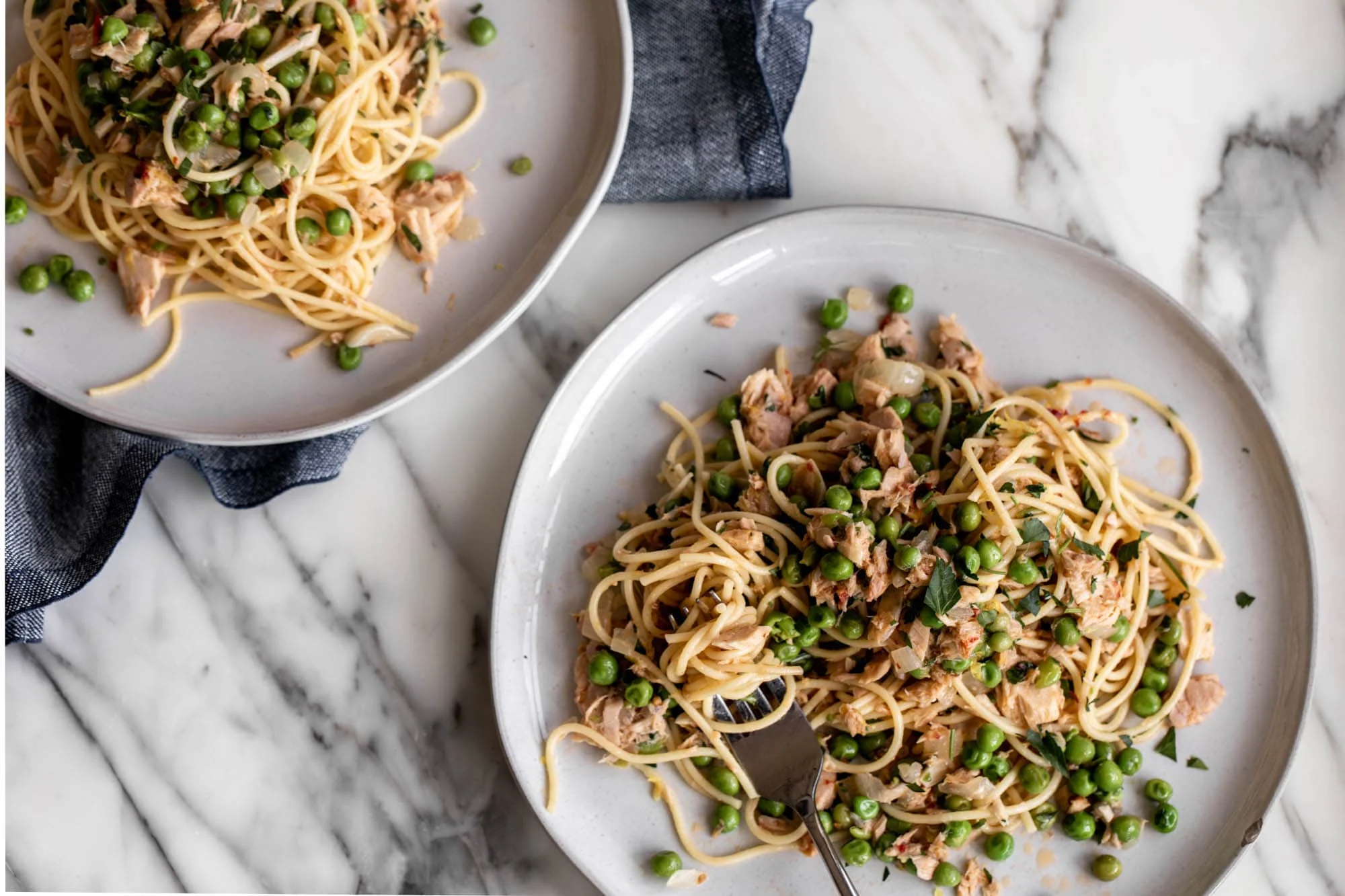
- Pasta dishes: Toss thawed tuna into a tomato or olive oil-based pasta. The sauce rehydrates the fish and the soft texture is undetectable.
- Casseroles: A classic tuna noodle casserole is one of the best vehicles for post-freeze tuna. The creamy sauce masks any mushiness entirely.
- Tuna patties or cakes: Options like casseroles, pasta, and even burger patties give you enough ways to enjoy any leftover tuna meat. Binding the fish with egg and breadcrumbs disguises texture changes well.
- Soups and chowders: Thawed tuna works well stirred into a creamy chowder or a simple fish soup near the end of cooking.
- Stuffed peppers or baked dishes: Mixing the tuna with rice, cheese, and vegetables before baking keeps it moist and flavorful.
Avoid using thawed frozen tuna in cold preparations like straight tuna salad sandwiches or on crackers, where the altered texture will be the most noticeable. If you want ideas for incorporating tuna into a health-focused diet, see this guide on superfoods for a healthy heart — tuna’s omega-3s earn it a regular spot on that list.
For those watching their overall diet, tuna pairs well with whole plant-based foods to round out a balanced meal. You can also explore how tuna fits into a diet that supports healthy skin, since its protein and omega-3 content benefit skin health too.
Signs That Frozen Canned Tuna Has Gone Bad
Even in the freezer, tuna can go bad — especially if it was stored improperly, kept too long, or was already starting to turn before it was frozen. Here’s what to look and smell for before you cook with it.
| Warning Sign | What It Means | What to Do |
|---|---|---|
| Strong, sour, or ammonia-like odor | Bacterial growth or histamine buildup | Discard immediately |
| Slimy or sticky texture | Active bacterial growth | Discard immediately |
| Brown or gray discoloration | Oxidation or spoilage | Discard immediately |
| Grayish-brown freezer burn patches | Dehydration from air exposure | Trim affected areas; discard if extensive |
| Visible mold | Fungal contamination | Discard the entire batch |
The best way is to smell and look at the tuna: if the tuna develops an off odor, flavor or appearance, or if mold appears, it should be discarded. A normal fishy smell is fine — it’s the sour, rancid, or ammonia-like smell that signals a problem.
Freezer burn can quickly develop on tuna that’s not wrapped properly. It is noticeable as grayish-brown patches, and this causes the meat to become hard in texture and alters the flavor. If your tuna becomes tainted with freezer burn, simply remove the areas by cutting them away before cooking. Large areas of freezer burn may ruin the entire piece of fish, in which case it’s better to discard the tuna.
One important rule: frozen tuna can go bad if it was spoiled prior to being frozen, if it has been thawed and refrozen, or if it has been in the freezer longer than recommended. The freezer preserves food — it doesn’t fix food that was already on its way out. Eating food that’s been sitting on the table or counter for two hours or more can make you more susceptible to foodborne illness, so never freeze tuna that has already been left out too long.
If you’re curious about how tuna and other foods affect your health long-term, this article on nutrients and foods that fight cancer covers the broader picture of protective eating.
Frequently Asked Questions
Can you freeze tuna salad made with canned tuna?
Technically yes, but it’s not ideal. If your tuna salad has mayonnaise, just know that it won’t freeze well. It will have a completely different texture and taste when you go to eat it. When mayo is frozen and thawed, the large ice crystals that formed in the freezer will start to melt, and the emulsification of water, oil, and eggs will separate — leaving the condiment and your salad a grainy, curdled mess. If you want to freeze tuna salad, leave out the mayo and add it fresh after thawing.
Can you freeze an unopened can of tuna to make it last longer?
No — and you shouldn’t need to. Canned tuna lasts two to five years in your cupboard as long as the can isn’t compromised. Freezing an intact can risks expanding contents that could damage or burst the seam. Store unopened cans in a cool, dry pantry away from heat sources instead.
Does tuna in oil freeze better than tuna in water?
Yes. Tuna stored in water rather than oil is particularly susceptible to ice crystal damage and may come out softer and mushier than it originally was. Oil acts as a partial buffer against moisture loss, so oil-packed tuna generally holds up better after freezing.
Is it safe to eat canned tuna that was accidentally frozen in the can?
Proceed with caution. According to the USDA Food Safety and Inspection Service , cans of food that freeze accidentally can present health problems. Frozen cans could swell because the food inside expanded when frozen. However, cans can be swollen because of contamination with Clostridium botulinum or spoilage-causing organisms. Do not use any swollen cans; discard them.
Can pregnant women eat canned tuna that has been frozen?
Freezing doesn’t change the mercury content of canned tuna, which is the main concern during pregnancy. For guidance on which types and amounts of canned tuna are safe during pregnancy, see this detailed article on eating canned tuna while pregnant.
How do you know if frozen canned tuna is still good?
Signs of spoiled tuna include a sour smell, slimy texture, or discoloration. If in doubt, it’s best to err on the side of caution and discard it. A mild fishy smell after thawing is normal; anything sharper or more pungent is a red flag. The FDA’s seafood safety guidelines recommend that fish should smell fresh and mild — not fishy, sour, or ammonia-like.