Can You Freeze Overnight Oats? Everything You Need to Know

October 28, 2026
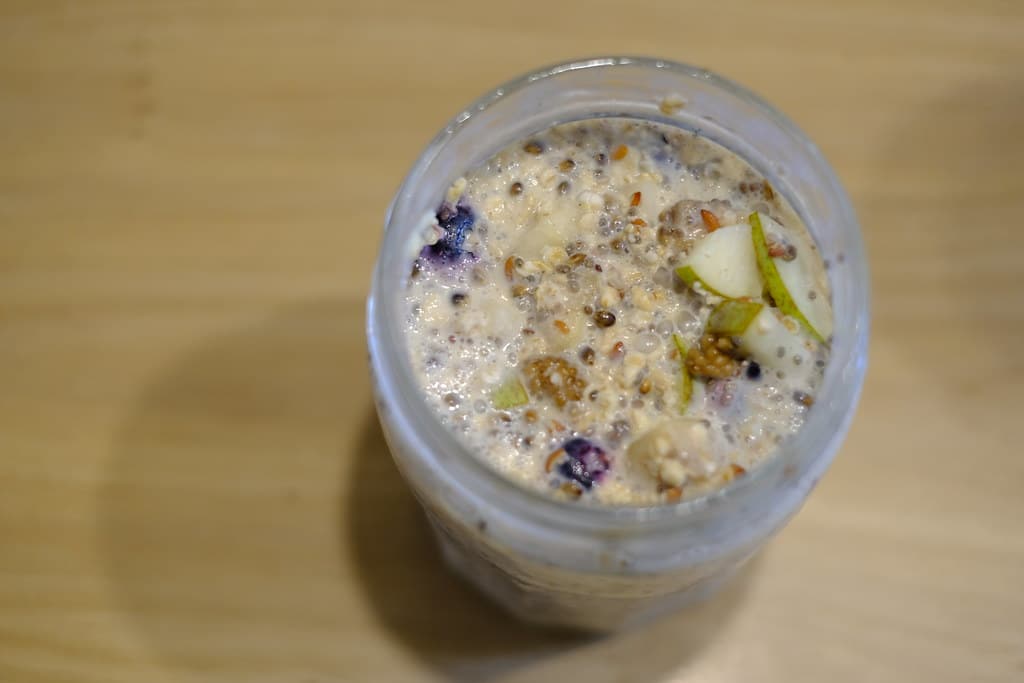
Overnight oats are one of the most popular make-ahead breakfasts in the United States — and for good reason. You prep them the night before, wake up, and breakfast is already waiting. But what happens when you make too big a batch, or you want to get even further ahead on your meal prep?
The answer is simple: you can freeze overnight oats. Done right, freezing lets you stock up on a week’s worth of healthy breakfasts without sacrificing too much in the way of taste or texture. This guide walks you through everything you need to know — from how to freeze them properly to how to tell when they’ve gone bad.
Can You Freeze Overnight Oats?
Yes, you can freeze overnight oats. Freezing is a convenient and practical way to meal prep and ensure you always have a nutritious breakfast option on hand. Whether you’ve made too large a batch or you want to prep breakfasts weeks in advance, the freezer is a solid option.
Freezing extends the shelf life significantly — up to 12 weeks compared to just 5–7 days in the refrigerator. That’s a meaningful difference if you’re trying to reduce food waste or simplify your morning routine. If you’re curious about the broader nutritional value of what you’re preserving, check out this overview of oats as one of the world’s healthiest foods.
If your goal is convenience and long-term storage (up to 3 months), freezing is a viable approach. But if you prioritize perfect creaminess every morning, sticking to refrigerated versions for up to 5 days is still better. Both options work — it just depends on your priorities.
Pro Tip: Freeze your overnight oats in individual single-serving portions. This way, you only thaw what you need and avoid wasting food.
Does Freezing Change the Texture or Taste of Overnight Oats?
Freezing does affect overnight oats — but the changes are manageable if you know what to expect. The oat base itself holds up reasonably well, while toppings and mix-ins are where things get tricky.
Thawed overnight oats are slightly softer than fresh ones, and they can take on a somewhat slimier texture once thawed. This sliminess is a natural occurrence due to the oats’ soluble fiber content, primarily beta-glucan. Oats contain soluble fiber that forms a gel-like consistency when combined with liquid — this gel can give overnight oats a slightly gooey texture, especially when soaked for an extended period.
Freezing ingredients like nuts, seeds, nut butter, yogurt, or fruit can significantly alter their texture and flavor. While you might be tempted to add your favorite toppings before freezing, it’s best to wait. Certain ingredients, like fresh fruit (bananas, apples, berries) or nuts, will become soft and mushy when frozen and defrosted. Spices like ground cinnamon can also lose brightness and intensity, so it’s best to add them after thawing for the best texture and flavor.
If you use yogurt in your recipe, it may separate after freezing and thawing — though a quick stir usually brings everything back together. The base oats themselves, mixed with milk and chia seeds, freeze and thaw the most reliably.
Pro Tip: Add chia seeds to your base before freezing. Chia seeds absorb liquid and help thicken the oats, creating a creamier consistency after thawing.
How to Freeze Overnight Oats the Right Way
Getting the process right makes a big difference in the quality of your thawed oats. Follow these steps for the best results.
- Prepare your base without toppings. Before freezing, make the soaked oats as plain as possible, since add-ins change flavor and texture when thawed. Fruits such as diced apples, sliced bananas, and fresh berries will turn soft and mushy after being frozen and defrosted.
- Choose the right container. Glass mason jars or overnight oats jars are great for freezing — just be sure they have a tight seal. Plastic containers work too, as long as they’re freezer-safe. Remember, liquids expand when frozen, so leave about an inch of space at the top of your container to prevent any messy surprises.
- Portion into individual servings. Freeze in individual portions to lower any possible food waste. If you freeze three or four portions worth at a time, you’ll have one big chunk of frozen oats, which is harder to work with.
- Try the muffin tin method if you’re short on space. If you don’t have room for a lot of glass jars in your freezer, you can freeze individual portions in a muffin tin. Ladle the overnight oat mixture into a muffin tin, filling each cup 3/4 full. Place the tin in the freezer until the oats are firm, then remove the portioned oats and place in a resealable freezer bag. Squeeze out the air, tightly seal, label, date, and return to the freezer. This method keeps them from clumping together and saves a lot of freezer space.
- Label every container. Label each container with the date and contents to keep track of what you have and ensure you use them within an optimal time frame.
- Store on a shelf, not in the door. It is a good practice to store overnight oats on one of the freezer shelves and not in the door, as there is significant temperature fluctuation in the door that can spoil the quality of the overnight oats.
For a broader look at how whole food ingredients like oats fit into a health-focused diet, the guide on whole plant-based foods is worth reading.
How Long Can You Freeze Overnight Oats?
Overnight oats last 3–5 days in the refrigerator when stored properly at 40°F or below. For longer storage, overnight oats can be frozen for 2–3 months while maintaining good quality. These times are based on USDA food safety guidelines and assume proper storage conditions.
Technically, frozen overnight oats can last up to 6 months — but the taste, texture, and quality will be affected the longer they are frozen. Eating them within 3 months gives you the best possible result. Think of 3 months as your practical cutoff for quality, not just safety.
| Storage Method | How Long They Last | Quality Notes |
|---|---|---|
| Refrigerator | 3–5 days | Best texture and flavor; eat within 3 days for optimal results |
| Freezer (optimal) | Up to 3 months | Good quality; slight texture change after thawing |
| Freezer (maximum) | Up to 6 months | Safe but noticeable decline in taste and texture |
Oats are also one of the most heart-friendly whole grains you can eat. If you’re freezing them as part of a health-focused routine, the article on superfoods for a healthy heart provides helpful context on why oats belong in your regular diet.
How to Thaw Frozen Overnight Oats
There are a few ways to thaw your frozen overnight oats, and the right method depends on how much time you have.
Refrigerator thaw (recommended): The best way to thaw overnight oats is in the refrigerator overnight. The night before you plan to enjoy your oats, transfer the container from the freezer to the refrigerator to thaw. The cold temperature of the fridge will slowly soften the oats and allow them to absorb any remaining liquid, resulting in a creamy and delicious texture by morning. The overnight oats take about 12–16 hours to defrost completely in the fridge.
Microwave thaw (for when you’re in a hurry): If you’re in a rush, you can thaw the oats in the microwave. Transfer the desired portion of frozen overnight oats to a microwave-safe bowl and microwave on a low or defrost setting in short intervals, stirring between each, until oats are thawed and warmed to your liking. If you microwave too long, your overnight oats will turn into oatmeal. That’s not necessarily a bad thing — it’s just a different texture than you may have planned for.
Cold water bath: You can also submerge the sealed container of frozen overnight oats in a bowl of cold water, changing the water every 30 minutes until fully thawed. This typically takes 1 to 2 hours.
Room temperature — use caution: If you are in a hurry, you can defrost your frozen overnight oats by leaving them on the kitchen counter for no more than 2 hours, then eating them once they have thawed. At room temperature, oats with milk or yogurt should not exceed 2 hours, even less in warm climates. After that, bacterial activity increases rapidly.
Once thawed, if your oats seem a bit thick, simply stir in a splash of additional milk or yogurt to achieve your desired consistency. Add your fresh toppings at this point — fruit, nuts, granola, or a drizzle of honey.
Can You Refreeze Overnight Oats After Thawing?
Refreezing is one area where you should not take shortcuts. Refreezing thawed overnight oats is not recommended because it degrades the quality. Each freeze-thaw cycle breaks down the texture further, making the oats mushier and less enjoyable.
Once thawed, overnight oats should be eaten within 1–2 days and should not be refrozen. This is why portioning into individual servings before freezing is so important — you only thaw what you plan to eat, which eliminates the temptation to refreeze leftovers.
Important Note: Food safety guidelines from the USDA indicate that perishable foods should be stored below 40°F within 2 hours of preparation. Once oats have been mixed with liquid, they become vulnerable to bacterial growth and need to be stored below 40°F to avoid the risk of a foodborne illness. According to the USDA, perishable foods should be stored at temperatures below 40°F within 2 hours of preparation if the food is going to be kept and served as leftovers.
How to Use Frozen Overnight Oats (Best Uses After Freezing)
Once you’ve thawed your overnight oats, you have more options than just eating them straight from the jar. Here are the best ways to use them.
- Classic cold breakfast: Once fully thawed in the refrigerator, they can be eaten cold — just like regular overnight oats. If partially frozen, let them sit at room temperature for 10–15 minutes or stir gently to loosen.
- Warm bowl: Transfer thawed oats to a saucepan and heat on the stovetop over low heat, stirring frequently. This gives you a warm, porridge-like breakfast that works especially well on cold mornings.
- Smoothie base: Blend thawed oats with a banana, a handful of frozen berries, and your milk of choice for a thick, fiber-rich smoothie. The oat base adds creaminess without any added effort.
- Baked oat cups: Pour thawed overnight oats into a greased muffin tin, top with fruit or nuts, and bake at 350°F for 20–25 minutes. You get portable, handheld oat cups that are great for on-the-go mornings.
- Topped fresh: Once thawed, add your favorite fresh toppings like fruits, nuts, seeds, or a drizzle of maple syrup. This is the easiest and most common way to enjoy them.
Oats pair well with a wide range of nutritious add-ins. If you’re building a breakfast routine around whole foods, the article on fibroid-healing foods and the guide to foods for healthy skin offer additional ideas for ingredients that support your overall health goals.
Signs That Frozen Overnight Oats Have Gone Bad
Even in the freezer, overnight oats can go bad — especially if they weren’t stored correctly or have been sitting for too long. Here’s what to look for before you eat them.
| Spoilage Sign | What It Means | What to Do |
|---|---|---|
| Sour or off smell | Bacterial growth or fermentation | Discard immediately |
| Visible mold | Fungal contamination | Discard the entire container |
| Excessively watery or slimy texture | Bacterial growth (beyond normal beta-glucan gel) | Discard — do not eat |
| Freezer burn (dry, discolored patches) | Air exposure during storage | Cut away affected areas or discard if widespread |
| Off or bitter taste | Spoilage or ingredient degradation | Discard if any other signs are also present |
A slippery or mucous-like texture suggests bacterial growth rather than normal soaking. Visible mold is a clear sign that overnight oats should be thrown away immediately — do not attempt to remove the mold and eat the remaining oats, as mold spores can spread throughout the mixture.
Freezer burn results from food being directly exposed to the cold, dry air within the freezer. To prevent this, use freezer-proof airtight containers to lock out any airflow from coming in contact with the oats. Never continue eating overnight oats to “double-check” if they already smell or look off. When in doubt, throw them out.
For more on how your food choices affect your long-term health — including what to avoid — the guide on cancer-causing foods to avoid and the article on nutrients and foods that fight cancer are worth a read alongside your healthy breakfast routine.
Frequently Asked Questions
Can you freeze overnight oats with yogurt?
Yogurt can separate when frozen and thawed, leading to a grainy texture. If you want creaminess, add yogurt after thawing. You can still freeze oats that contain yogurt — just expect to stir them well once thawed, and consider adding a fresh spoonful of yogurt on top before eating.
Can you freeze overnight oats with fruit?
Any added fruit, such as chopped apples or sliced bananas, will become soft and mushy after freezing and thawing. It’s best to add the fruit after defrosting your main overnight oat mixture. Frozen berries are a better option — using frozen fruit instead of fresh helps maintain structure during freezing and thawing cycles.
How long do thawed overnight oats last in the fridge?
Thawed overnight oats can stay fresh in the fridge for 2–3 days. After that, texture and flavor start to decline. Always check for spoilage signs before eating.
Do overnight oats need to be refrigerated before freezing?
To optimize quality, it is recommended to freeze overnight oats immediately after preparing them. By placing the oats into the freezer without storing in the refrigerator first, you avoid allowing the oats to soak up all the liquid and get as soggy as they would if stored in the fridge beforehand. That said, either approach works — freezing right away just gives you a slightly firmer texture after thawing.
What type of container is best for freezing overnight oats?
Store them in a freezer-safe airtight container. Glass jars or containers with lids are preferred over plastic containers, because plastic absorbs grease and smells of past food storage. Plastic bags, however, would be fine. Whatever container you choose, make sure it seals completely to prevent freezer burn and odor absorption.
Can you eat frozen overnight oats straight from the freezer?
No — you should always thaw overnight oats before eating. Never eat them completely solid for safety and palatability. The refrigerator overnight method is the easiest and most hands-off approach, while the microwave works if you need them thawed quickly.
Are overnight oats still healthy after freezing?
Overnight oats have many health benefits — from promoting heart health to aiding in weight management, whole grain oats are packed with nutrition. Freezing does not significantly reduce the nutritional content of the oats themselves. The main trade-off is texture, not nutrition. To learn more about how oats support your overall well-being, visit the complete guide to oats as a health food and the resource on foods that support liver function.