Can You Freeze Gravy Made with Butter? (What You Need to Know)

October 28, 2026
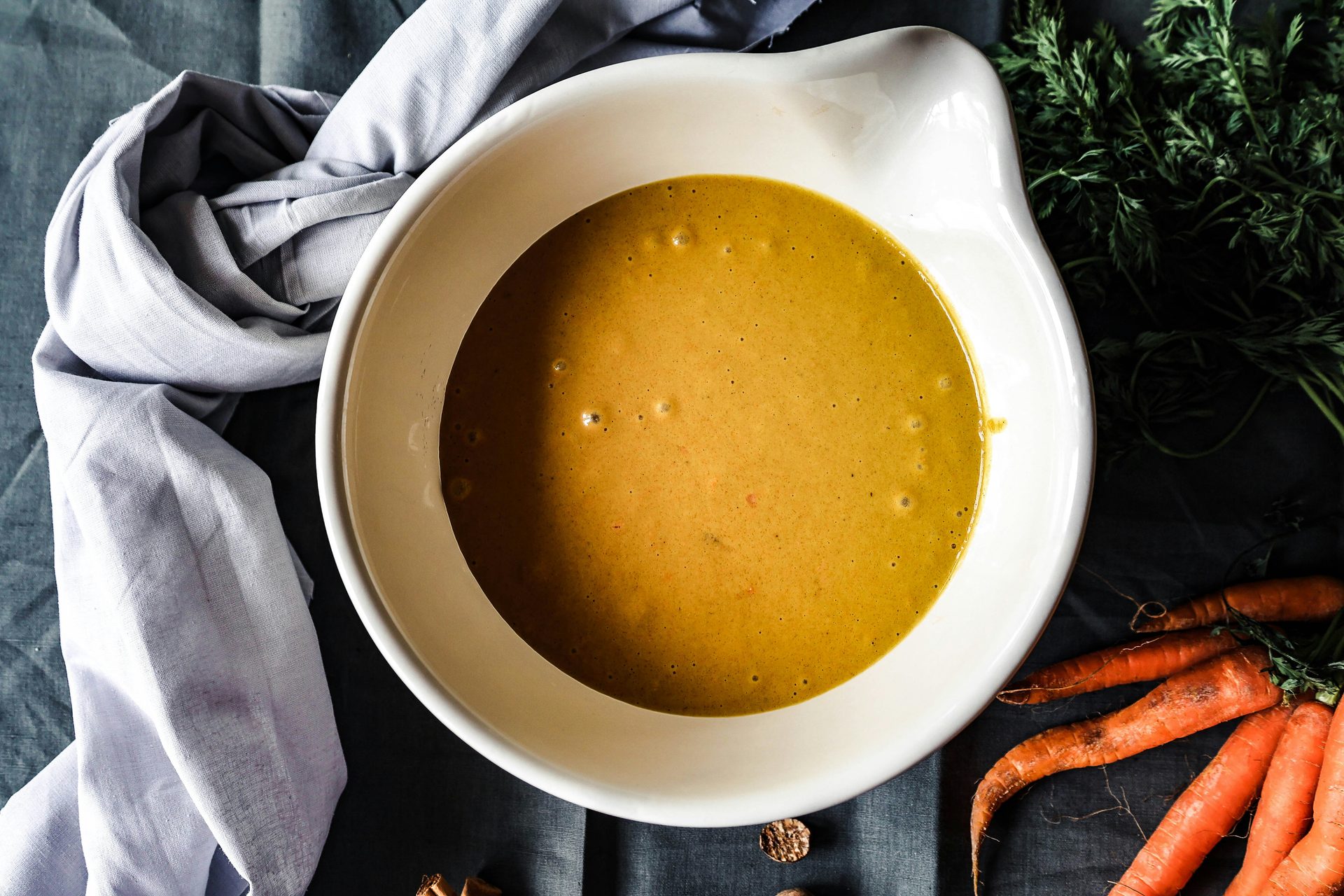
Yes, you can freeze gravy made with butter — and it holds up better than most people expect. Whether you slow-cooked a pan of turkey drippings for Thanksgiving or whipped up a quick weeknight brown gravy, freezing the leftovers is a smart way to cut down on food waste and have a rich, homemade sauce ready whenever you need it.
The key is understanding what’s actually in your gravy. Butter-based gravies thickened with flour or cornstarch freeze well. Gravies that also contain milk or heavy cream are a different story — the dairy tends to separate and turn grainy after thawing. This guide covers everything you need to know to freeze, store, and reheat your butter gravy with great results.
Can You Freeze Gravy Made with Butter?
Brown gravy — whether it’s made from beef, chicken, turkey, or pork drippings — is most often built on a base of butter and flour, and a flour-based gravy like this does very well in the freezer. The same principle applies to any butter-forward gravy where flour or cornstarch does the thickening work.
Gravy is an emulsion — a stable suspension of fat particles in a liquid. In most gravies, the fat comes from butter, lard, or other animal fat, and the sauce is thickened with a starch such as wheat flour, cornstarch, or even potato or tapioca starch. Because the starch helps lock the emulsion together, butter-and-flour gravies survive the freeze-thaw cycle better than unstabilized sauces.
Where things get complicated is when your butter gravy also contains milk or heavy cream. A cream-based gravy, like a white gravy, will not freeze well because it separates during freezing. If your recipe uses butter alongside a splash of cream, expect some separation after thawing — though vigorous whisking while reheating can often bring it back together.
Pro Tip: If you’re making a gravy specifically to freeze, swap heavy cream for an equal amount of chicken or turkey broth. You’ll get a richer, more freezer-stable result with no sacrifice in flavor.
Does Freezing Change the Texture or Taste of Gravy Made with Butter?
Freezing can sometimes cause gravy to separate or change texture, especially if it’s flour-based. However, the taste generally remains the same. Most of the time, any textural shift is minor and easy to correct on the stovetop.
The emulsified nature of gravy means it is likely to experience some textural issues during freezing and defrosting, as the different ingredients within the sauce have varying reactions to being frozen and thawed. This could potentially trigger separation of the different ingredients and loss of consistency. Don’t let that discourage you — a quick whisk over medium heat almost always restores the original texture.
If you find that your gravy has thickened when frozen, you can add a splash of broth or even water to bring it back to the right consistency. For gravy with butter or other fats, you can skim the solidified fat off the surface and reheat the gravy to reincorporate the fat for a smoother texture.
Traditional gravies made from drippings, broth, or stock can be frozen, thawed, and reheated with ease. Butter-based gravies fall squarely in this category as long as dairy isn’t the primary liquid component.
How to Freeze Gravy Made with Butter the Right Way
Following a few straightforward steps makes the difference between gravy that reheats beautifully and gravy that turns into a clumpy mess. Here’s what to do:
- Cool it completely first. Make sure your gravy has completely cooled at room temperature before placing it in the freezer. This prevents ice crystals from forming and maintains the integrity of the texture. Don’t rush this step — putting warm gravy straight into the freezer raises the temperature of surrounding foods and creates condensation that degrades quality.
- Portion it out. Once your gravy is cool, portion it out into smaller amounts. This makes it easier to thaw and reheat later on. Portioning also means you only thaw what you need, which reduces waste and avoids the refreezing problem entirely.
- Choose the right containers. Use freezer-safe containers or freezer bags like Ziploc bags, but make sure to leave some room at the top to allow for expansion during freezing. Ice cube trays work well for portioning, and the frozen cubes can be easily transferred to freezer bags for longer storage. This is especially handy when you just need a small amount to finish a sauce or enrich a soup.
- Squeeze out air. Spoon the gravy into freezer bags, squeeze out as much air as possible, and seal tightly. Less air means less freezer burn and better flavor retention.
- Label and date everything. Label and date your containers of gravy so you know what’s inside and when you made it. This helps you keep track of what needs to be used up first and ensures you don’t end up with mystery containers of gravy in your freezer.
- Freeze flat. If you’re using freezer bags, freeze them flat on a baking sheet before stacking them in the freezer to save space.
Pro Tip: Before freezing, run your cooled gravy through a blender or give it a quick blend with an immersion blender. This gives your gravy a leg up in the post-freezer texture maintenance department.
How Long Can You Freeze Gravy Made with Butter?
Storage time estimates vary slightly by source, but the consensus across food safety guidance and cooking resources lands in a consistent range. According to the FDA, gravy can be stored safely in the refrigerator for 1 to 2 days and frozen for 2 to 3 months. A flour-based gravy will last for up to three months in the freezer as long as it’s properly sealed.
Some sources give a more generous window. If frozen properly, gravy can last up to 3 to 4 months in the freezer. For the best flavor and texture, aim to use your frozen butter gravy within 3 months. After that point it remains safe, but quality starts to decline.
| Storage Method | How Long It Lasts | Notes |
|---|---|---|
| Refrigerator | 1–4 days | Use an airtight container; consume promptly |
| Freezer (butter + flour gravy) | Up to 3 months (best quality) | FDA guideline; properly sealed container required |
| Freezer (butter + dairy gravy) | Not recommended | Dairy separates and turns grainy after thawing |
If you want to ship frozen gravy to family or friends, check out this guide on how to ship frozen food with ease to make sure it arrives safely.
How to Thaw Frozen Gravy Made with Butter
Thawing your gravy the right way protects both food safety and texture. You have two reliable options depending on how much time you have.
Refrigerator thaw (recommended): The best method for thawing gravy is to place it in the refrigerator overnight. This gradual thawing helps retain the gravy’s texture. After thawing, consume within three to four days to prevent spoilage.
Quick microwave thaw: If you’re short on time, you can thaw it quickly in a microwave-safe container on low power. Stir every 30 seconds until mostly thawed. Transfer to a saucepan immediately after and finish reheating on the stovetop.
Once thawed, reheat the gravy in a saucepan over medium heat, stirring constantly to restore its smoothness. It’s vital to ensure that the gravy reaches a safe temperature, ideally above 165°F (74°C), to kill any harmful bacteria that may have developed during storage. If the gravy looks too thick, stir in a splash of broth until it loosens to your preferred consistency.
Pro Tip: After it thaws, stir well, as it may have separated a bit. Don’t panic if it looks broken — steady heat and constant whisking bring most butter gravies right back together.
Can You Refreeze Gravy Made with Butter After Thawing?
While you can refreeze gravy, it is not recommended. Refreezing gravy can cause changes in texture and flavor, especially if it’s been reheated.
Whilst it might be okay to refreeze previously frozen gravy as long as it has been handled and stored properly, each time you freeze and thaw gravy its quality and texture may deteriorate and there are more chances of bad bacteria developing.
Only refreeze gravy if it has been heated to a safe temperature of 165°F (74°C) to destroy any potential harmful bacteria and has not been left out at room temperature for more than two hours.
The simplest way to avoid this situation entirely is to freeze your gravy in single-serving or small portions from the start. It’s better to plan ahead and freeze leftover gravy in smaller portions so that you don’t have the problem of refreezing in the first place.
How to Use Frozen Gravy Made with Butter (Best Uses After Freezing)
Frozen butter gravy is more versatile than most people realize. Once reheated, it works in any dish where you’d use fresh gravy — and it shines in a few applications where a slight change in texture is completely unnoticeable.
- Classic pour-over. Reheat and pour over mashed potatoes, roast beef, fried chicken, or biscuits for a quick weeknight dinner that tastes like you spent hours in the kitchen.
- Soup and stew base. Add a little gravy to soup for rich flavor and to help thicken it a bit. A few frozen cubes stirred into a pot of vegetable or beef soup adds depth without any extra effort.
- Salisbury steak. Simmer hamburger patties and sautéed onions in gravy to make Salisbury steak. This is a perfect weeknight use for leftover butter gravy.
- Swedish-style meatballs. Simmer meatballs in gravy for a fun take on Swedish meatballs. Serve over egg noodles or mashed potatoes.
- Pot pie filling. If you’re worried that your frozen gravy won’t be perfect after defrosting, use it as a flavoring in dishes such as soups, stews, or pot pies, which are more forgiving if the gravy is not as perfect as when it’s fresh.
- Roasted vegetables. Toss almost any type of roasted vegetables in warm gravy for a creamy texture and an extra boost of flavor.
- Freeze with meat. If you have leftover cooked meat or poultry, freezing it with the gravy is a great way to keep the meat moist during storage and reheating. Just make sure both meat and gravy are completely cooled, then place the meat in a freezer-safe storage container and pour the gravy over the top.
Signs That Frozen Gravy Made with Butter Has Gone Bad
Even when stored correctly, gravy can go bad. Before reheating, take a moment to check for these warning signs.
If the gravy smells sour or is overly slimy, those are telltale signs that your gravy has gone bad. If you have any hunch that the gravy isn’t good anymore, it’s best to throw it out.
Check for signs of spoilage in gravy, such as changes in texture, odor, or mold growth, before consuming it to avoid getting sick. Visible mold — any fuzzy growth on the surface or inside the container — is an automatic discard, no exceptions.
It is important to cool down the gravy within two hours of cooking to prevent bacteria growth. If your gravy sat out on the counter for longer than two hours before you froze it, it’s safer to discard it rather than risk foodborne illness.
| Warning Sign | What It Means | What to Do |
|---|---|---|
| Sour or rotten smell | Bacterial growth | Discard immediately |
| Slimy texture | Spoilage | Discard immediately |
| Visible mold | Fungal contamination | Discard immediately |
| Unusual color change | Possible oxidation or spoilage | Smell and inspect closely; discard if unsure |
| Grainy or separated texture | Normal for butter/dairy gravies | Try whisking over heat; discard only if smell is off |
Normal separation and a slightly thickened texture after thawing are not signs of spoilage — they’re just physics. A grainy texture in a butter-heavy gravy that also contains cream is expected. The red flags are always smell, sliminess, and visible mold.
Frequently Asked Questions
Can you freeze white gravy made with butter and milk?
If your gravy contains dairy, freezing is not recommended. The milk separates when frozen then thawed and can ruin the texture of your homemade gravy. If you must freeze your cream gravy, do so in smaller portions and for no more than one week, and be aware of the possible consequences.
How do you fix gravy that separated after freezing?
Pour the thawed gravy into a saucepan and warm it over medium-low heat, whisking constantly. If you find that your gravy has thickened, you can add a splash of broth or even water to make it the right consistency again. Most butter-and-flour gravies come back together smoothly with steady heat and a good whisk.
Can you freeze store-bought jarred gravy?
Yes, store-bought gravy that doesn’t contain dairy freezes using the same method as homemade. Transfer it to a freezer-safe container after opening, leave room for expansion, label it, and use it within 3 months for best quality.
Is it safe to freeze gravy that has been in the fridge for a few days?
When freezing gravy, you want to make sure it is as fresh as possible. After even just a couple of days in refrigeration, harmful bacteria can begin to take up residence in the sauce. If you’re planning on freezing your leftover gravy, don’t delay. Freeze it within 1–2 days of cooking for the safest results.
Can you freeze gravy in glass jars?
It’s important to choose containers that are specifically designed for freezer storage and to avoid using containers that are not meant for freezing, such as glass jars or plastic containers that may crack or break under extreme temperatures. If you want to use glass, choose wide-mouth mason jars rated for freezer use and leave at least an inch of headspace.
Freezing butter gravy is one of the most practical kitchen habits you can build. Make a big batch after a Sunday roast, portion it into small containers, and you’ll have a ready-made sauce waiting in the freezer for weeks. For more food storage ideas, browse our guides on foods that start with G or explore our full list of foods that start with C for recipe inspiration.