Can You Freeze Dough With Yeast? What Every Home Baker Should Know

October 27, 2026
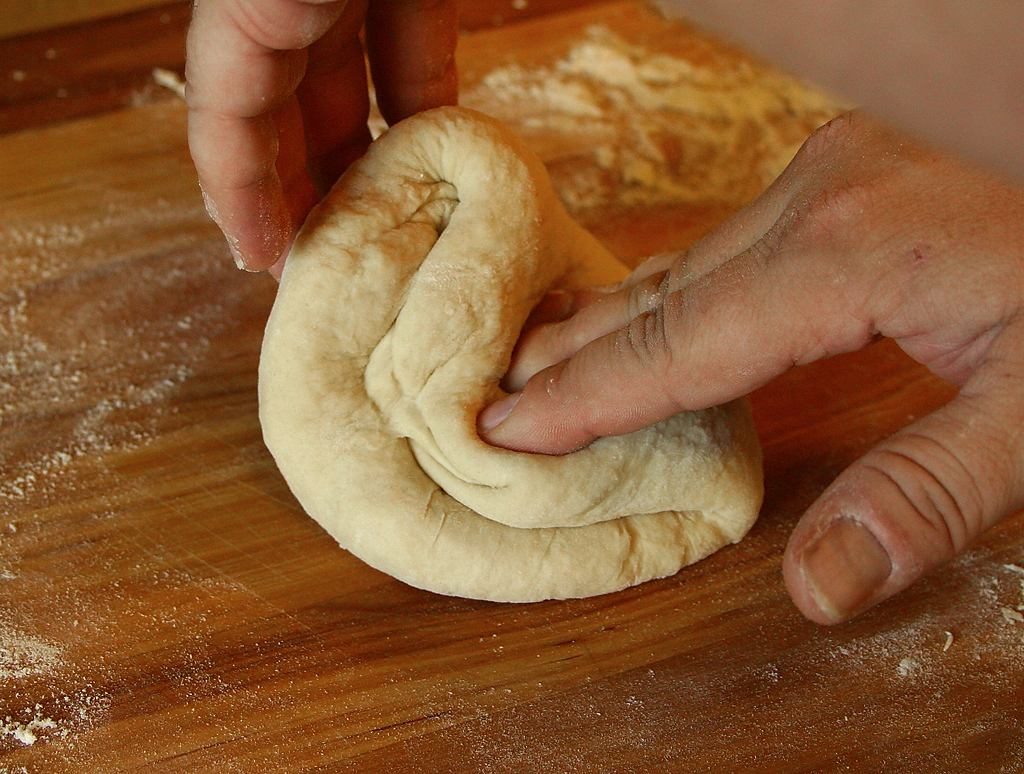
Freezing dough with yeast is one of those kitchen shortcuts that sounds simple but has a few real rules behind it. Get it right, and you can pull fresh-baked bread, rolls, or pizza out of the oven on a weeknight without starting from scratch. Get it wrong, and you end up with a dense, flat loaf that barely rose at all.
The good news: yes, you can freeze dough with yeast, and home bakers do it successfully all the time. The key is understanding what freezing actually does to the yeast inside your dough — and choosing the right moment in the process to stop and freeze. This guide walks you through everything, from wrapping technique to thaw times to the signs that frozen dough has gone bad.
Can You Freeze Dough With Yeast?
You can prep and freeze yeast dough before baking it. That said, it helps to know what happens inside the dough when it hits the cold. Freezing essentially puts the yeast in a dormant state, and its metabolic activity slows down drastically. When properly thawed, the yeast becomes active again, allowing the dough to rise. However, some yeast cells might be damaged or killed during the freezing process, which is why it’s important to use the best freezing practices.
According to King Arthur Baking’s MaryJane Robbins, yeast dough will never rise as well post-freeze as it would if you baked it the day you made it, because some of the yeast will inevitably die in the cold of the freezer. That doesn’t mean the results are bad — it just means your expectations and technique both need to be dialed in.
According to Fleischmann’s Yeast, only yeast dough recipes specially developed for freezing should be used for best results. Freezer dough recipes usually call for more yeast and sugar and less salt and fat, and the most success is achieved with roll or pizza dough. If you’re adapting a standard recipe, that’s fine too — just keep those guidelines in mind.
Pro Tip: Active dry yeast holds up better in the freezer than fast-acting yeast. Active dry yeast should be used instead of fast-acting yeast, as fast-acting yeast is not ideal for recipes that require a long rising time.
Does Freezing Change the Texture or Taste of Dough?
Freezing affects yeast dough in two main ways. First, some yeast dies during freezing and storage, so the dough may rise slower after thawing. Second, moisture can migrate and form ice crystals, which can rough up texture if the dough isn’t wrapped tight.
The end result should taste the same as fresh-baked bread, even if the dough was in the freezer for weeks. The bigger risk is texture — specifically, a denser crumb and a less dramatic oven spring if the yeast population took a hit during freezing. You can offset this with a few smart adjustments before you freeze.
Freezer burn occurs when moisture evaporates from the surface of the frozen food, leading to dehydration and oxidation. This results in a dry, leathery texture and can affect the flavor. To prevent freezer burn, wrap the dough tightly in plastic wrap and then place it in a freezer-safe bag or container.
How to Freeze Dough With Yeast the Right Way
Two points in the dough-making process are good times to freeze the dough. The first is after kneading and before the first rise. The other is after you’ve shaped the dough and before the second rise. Both approaches work; the one you choose depends on how much flexibility you want on bake day.
Before you freeze, make one important adjustment to your recipe. If you have to freeze yeast dough, try increasing the yeast by about 1/4 to 1/2 teaspoon per 3 cups (360 grams) of flour. As MaryJane Robbins of King Arthur Baking explains, “Some yeast will naturally die off in the cold, so adding a little more at the beginning will help ensure you have enough living, working yeast in the end.” Iowa State University Extension and Outreach and Kansas State University Extension both back this recommendation.
Also consider swapping all-purpose flour for bread flour. It is recommended to replace all-purpose flour with bread flour as it helps to maintain better structure. And when mixing your dough, King Arthur Baking suggests making the dough with cool, not lukewarm, liquid (water or milk) to keep the yeast as dormant as possible so that it is less vulnerable to damage during the freezing process.
Here’s a straightforward step-by-step process for freezing yeast dough at home:
- Mix and knead your dough as directed by your recipe.
- If freezing before the first rise, skip straight to shaping. If freezing after the first rise, let the dough complete that rise first, then shape it.
- Place flattened dough on baking sheets and freeze for 1 hour to firm it up before wrapping.
- Once dough is frozen, remove from the freezer and wrap tightly with either plastic wrap or aluminum foil, then place in resealable plastic bags and return to the freezer.
- Label each bag with the date and dough type.
Pro Tip: Divide the dough into smaller portions so that you can defrost it as required. Freezing individual dinner rolls or pizza dough balls rather than one large mass gives you much more flexibility.
How Long Can You Freeze Dough With Yeast?
Sources vary somewhat on the ideal window, so here’s a clear breakdown based on what the research supports:
| Storage Window | What to Expect | Source Guidance |
|---|---|---|
| Up to 4 weeks | Best rise, best texture, most reliable results | Kansas State University Extension / Iowa State University Extension |
| Up to 2–3 months | Good quality with proper wrapping; yeast activity starts to decline | Chef’s Resource |
| Up to 6 months | Safe to use but noticeably slower rise and duller texture | Liebherr FreshMAG |
According to Kansas State University Extension, dough can be frozen up to four weeks — then thawed in the refrigerator or at room temperature, shaped, left to rise, and baked as directed. For the best quality, frozen yeast dough should be used within 2–3 months. While it may still be safe to eat after this period, the yeast activity will gradually decrease, and the dough may not rise as well.
Frozen dough doesn’t spoil in the usual sense while it stays hard-frozen, yet quality can slide over time. The longer it sits, the more likely you’ll see slower rise and a duller texture. For most home bakers, a four-week rhythm is the sweet spot — mix, freeze, use, repeat. If you need to ship or transport frozen baked goods, see this guide on how to ship frozen food with ease.
How to Thaw Frozen Dough With Yeast
Thawing slowly is the single most important factor in getting a good rise from frozen dough. Rushing the thaw stresses the yeast and can lead to uneven proofing.
The best way to thaw frozen yeast dough is slowly in the refrigerator. This allows the yeast to gradually reactivate. Place the frozen dough in the refrigerator overnight, or for at least 8–12 hours. Iowa State University Extension provides these general thaw-time guidelines based on location:
- Refrigerator: 8–16 hours
- Countertop: 4–9 hours
- Warm location: 2–4 hours; dough balls for dinner rolls take about 1½–2 hours to thaw and double before baking in a warm location.
- Loaves of bread: may take 4–6 hours at room temperature.
After thawing, don’t rush straight to the oven. Once thawed, allow the dough to sit at room temperature for about 30–60 minutes to allow it to fully proof. This is particularly important if the dough hasn’t risen much during the thawing process.
It will take longer than usual for the dough to rise — up to twice as long compared to dough that hadn’t been frozen. That’s normal. Give it the time it needs rather than forcing it into the oven too early.
Pro Tip: Dust the dough with flour before defrosting so that it can bind any moisture that forms on the surface as the dough thaws. This helps prevent a sticky, wet exterior.
Can You Refreeze Dough With Yeast After Thawing?
This is one of the most common questions home bakers ask — and the answer is a firm no. Refreezing yeast dough is generally not recommended. Each freeze-thaw cycle damages the yeast cells and negatively impacts the dough’s texture and ability to rise. It’s best to freeze dough in portions that you can use at once.
Refreezing can damage the yeast and gluten structure, leading to a dense, flat crust. It’s best to bake it or toss it. If you thawed more than you need, the better move is to bake all of it, let the extra loaves or rolls cool completely, and then freeze the baked goods instead. If you want to make bread or rolls in advance, King Arthur Baking recommends baking, cooling, and wrapping tightly before freezing them for up to several months.
How to Use Frozen Dough With Yeast (Best Uses After Freezing)
Frozen yeast dough is most reliable for specific applications. Some doughs freeze better than others, and knowing which is which saves you a lot of frustration.
Pizza dough freezes very well. Follow the same freezing guidelines as for other yeast doughs. Shape the dough into rounds, wrap them tightly in plastic wrap, and then place them in a freezer bag. When ready to use, thaw the dough in the refrigerator and then allow it to come to room temperature before stretching and topping.
This method works especially well for small, shaped breads like dinner rolls and doughs that don’t have a sugary filling. Sweets like cinnamon rolls could collect moisture during the freezing and thawing processes, so it’s best to prep those the day you bake.
Here are the best uses for frozen yeast dough once thawed:
- Dinner rolls: Shape into balls before freezing; thaw, proof, and bake fresh for holidays or weeknight meals
- Pizza dough: One of the most freezer-friendly yeast doughs; thaws and stretches well
- Sandwich loaves: Freeze after the first rise; thaw overnight in the fridge and complete the second rise before baking
- Flatbreads and focaccia: Lower-rise doughs that are more forgiving after a freeze-thaw cycle
- Bread machine dough: You can freeze dough prepared in a bread machine — simply remove the dough after the kneading and first rise cycle.
Sourdough starter is much more sensitive than commercial yeast, so naturally leavened recipes are best baked without having been frozen. If you bake sourdough regularly, freeze the finished loaves instead of the raw dough. You can explore other foods that start with F that also freeze well for more make-ahead inspiration.
Signs That Frozen Dough With Yeast Has Gone Bad
Frozen dough doesn’t spoil the way fresh food does, but it can degrade to the point where it’s not worth baking. Here’s what to look for before you commit to thawing a bag:
- Freezer burn: Excessive freezer burn indicates that the dough has been exposed to air and is likely dried out. You’ll see white, dry patches on the surface. Minor freezer burn on the outside can sometimes be kneaded away, but heavy freezer burn means the dough will bake up dry and tough.
- Off odor: An unusual or unpleasant smell indicates that the dough has spoiled. Fresh yeast dough has a mild, slightly yeasty smell. Anything sour, rancid, or sharp is a sign to discard it.
- No rise after thawing: If the dough doesn’t rise after thawing, it may be too old or the yeast may be inactive. Give it extra time in a warm spot first — if it still won’t budge after a couple of hours, the yeast is likely dead.
- Discoloration: Gray or dark patches on the dough surface can indicate oxidation or mold beginning to form. When in doubt, throw it out.
Important Note: Always label frozen dough with the date you made it. Write the date of preparation on the packaging so that you always know by when you should use the yeast dough. This one habit prevents most freezer-dough waste.
Frequently Asked Questions
Does freezing kill the yeast in dough?
Freezing doesn’t kill the yeast — it just makes it dormant. A slow thaw is the key to waking it back up gently. Some yeast cells will die during the process, which is why boosting the yeast amount before freezing is a good idea.
Can you freeze store-bought dough with yeast?
Yes. Most store-bought yeast dough — including refrigerated pizza dough and rolls — can go straight into the freezer. Wrap it tightly in plastic wrap, then into a freezer bag, and use it within four weeks for best results.
Can you freeze sweet yeast dough like brioche or cinnamon roll dough?
Sweet yeast dough freezes well. The higher fat content in sweet doughs can actually help protect the yeast during freezing. Follow the same freezing and thawing guidelines as for other yeast doughs. Just be aware that filled or glazed doughs are trickier — freeze the dough before adding fillings when possible.
What if my dough won’t rise after thawing?
In most cases, you don’t need to add more yeast if you follow the proper freezing and thawing techniques. However, if the dough doesn’t rise as expected after thawing, you can knead in a small amount of fresh yeast to give it a boost. Make sure the room is warm enough — a cold kitchen slows proofing significantly.
Is it better to freeze dough or freeze baked bread?
For most home bakers, freezing the baked loaf is actually easier and more reliable. Instead of freezing your dough, why not make a double batch, then freeze the baked loaves? That way, you only spend one day baking, but you can easily make bread for the whole month. Freezing raw dough makes more sense when you want the experience of a fresh rise and bake.
Can I freeze dough that has already risen twice?
Freezing unbaked dough after the second rise can lead to the dough “over rising” when it thaws. It’s recommended to either freeze after the first rise, or freeze after baking. If you’ve already completed both rises, bake the dough and freeze the finished product instead.