Can You Freeze Swiss Cheese? What to Expect and How to Do It Right

October 28, 2026
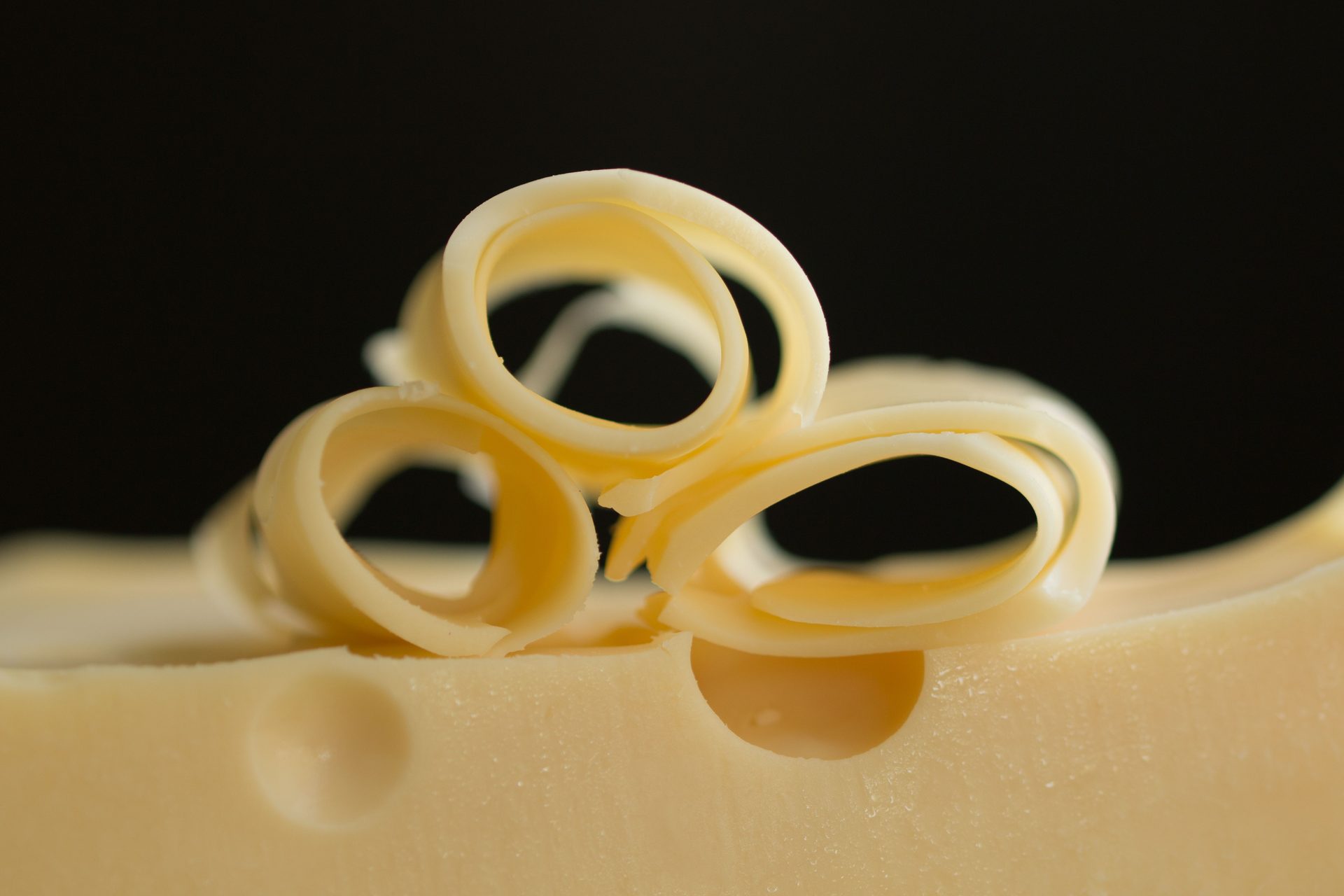
Swiss cheese is a staple in American kitchens — layered into Reubens, melted over burgers, and folded into casseroles from coast to coast. But when you buy a big block and can’t use it all before it starts to turn, the freezer starts looking like a smart option.
The good news is that freezing Swiss cheese is absolutely possible, and with the right technique, you can preserve it for months without sacrificing too much flavor. The key is knowing what to expect when it comes out, and planning to use it accordingly. This guide walks you through everything — from wrapping methods to thawing times to the best recipes for previously frozen Swiss.
Can You Freeze Swiss Cheese?
Swiss cheese is one of the easiest cheeses to freeze because it is a hard cheese. Harder cheeses like Swiss freeze the best, tending to keep their structure relatively well and can be shredded, sliced, or melted after thawing with minimal change in quality.
Research indicates that freezing cheese doesn’t alter its nutritional content, though its texture and flavor may change. That’s the trade-off worth understanding before you toss your Swiss in the freezer. Swiss falls in the “freezes okay” category — texture changes, but flavor survives.
There are a few practical reasons to freeze Swiss cheese rather than letting it go to waste. If you have a large amount of cheese you won’t be able to eat by its use-by date, freezing it is a good alternative that extends its shelf life so you can use it whenever you need it. You might also want to stock up on cheese while it’s on sale, even though you know you won’t be able to use it all at once — freezing it allows you to save some for later and stretch your money.
Pro Tip: Freeze Swiss cheese as soon as possible after purchase — or well before the use-by date — to lock in peak flavor and texture before any degradation begins.
Does Freezing Change the Texture or Taste of Swiss Cheese?
Yes, freezing does change Swiss cheese — but less so than it changes soft cheeses like ricotta or brie. Freezing causes ice crystals to develop, disrupting the cheese’s structure, which may affect the texture and make it drier, more crumbly, and mealy.
When cheese is frozen, the water within freezes and expands into ice crystals. If the ice crystals are large enough, they pierce the cell walls and the structure breaks down when the cheese thaws. This expand-contract action is what causes the texture to diminish. One home test confirmed this directly: after freezing a block of Swiss for about two months and defrosting it in the fridge, the texture changed from a bouncy cheese to one that was crumbly — but the taste was still great.
Hard and semi-hard cheeses like Swiss will freeze best when it comes to texture. These cheeses tend to have less moisture and more fat, which is why they freeze better, although they will still be drier once thawed. It’s also worth noting that aged cheeses will not naturally develop any more flavors once frozen, as it stops those natural processes — so avoid freezing any cheeses that tend to develop more complex flavors over time.
The bottom line: the firmer and drier the cheese, the less noticeable the damage. The softer and wetter the cheese, the more it suffers. Swiss sits comfortably on the firmer end of the spectrum, which makes it a reasonable candidate for the freezer — especially if you plan to cook with it afterward. You can also explore whole plant-based foods to pair alongside your cheese-based dishes for a more balanced meal.
How to Freeze Swiss Cheese the Right Way
The format you freeze Swiss cheese in — block, slices, or shredded — affects both the results and how convenient it is to use later. Each method works, but some are better suited to specific uses.
Choose Your Format
- Block: Blocks hold their shape better but can become crumbly or grainy once thawed, affecting fresh presentation. Best reserved for cooking.
- Slices: Pre-slicing Swiss cheese before freezing makes it easier to thaw only what you need. Slices thaw faster and can be used directly in sandwiches or recipes.
- Grated or shredded: Grated Swiss cheese freezes well and is convenient for cooking applications like casseroles, fondues, and gratins. This is generally the most freezer-friendly option.
Step-by-Step Freezing Instructions
- Portion the cheese. Slice it into smaller blocks — no more than ½ to 1 pound — to help maintain texture. Cut your Swiss cheese into smaller portions based on how much you typically use in recipes. This way, you avoid thawing the entire batch and wasting leftovers that can’t be refrozen. Smaller portions also freeze and thaw more evenly, helping maintain texture.
- Apply the first wrap. Use wax paper or parchment paper to wrap the cheese tightly. This layer lets the cheese breathe just enough to avoid moisture build-up, which can cause spoilage or off flavors. For slices, place small pieces of parchment paper between individual slices before wrapping and freezing to prevent them from sticking together.
- Add a second layer. Follow the same method — paper first, then loosely in plastic wrap — and add a final layer of heavy-duty aluminum foil. Wrap tightly using plastic wrap, then foil, then a freezer-safe bag. Triple wrap is not overkill — freezer burn is the enemy.
- Seal and squeeze out air. Squeeze out all the air. Air is what dries out frozen cheese and makes it crumbly beyond repair.
- Label and date. All packaging should be clearly labeled and dated. You won’t remember when you froze it three months from now.
- Place in the coldest part of the freezer. Place the wrapped cheese in the coldest area of your freezer, usually the back or bottom. Avoid the freezer door or spots with frequent temperature changes to reduce freezer burn risk.
Pro Tip: For shredded Swiss, freeze the cheese flat in the bag rather than in a mound. A thinner layer freezes faster and keeps the shreds from sticking together as much. Give the bag a shake once or twice during the first hour of freezing to help separate the shreds before they freeze solid.
How Long Can You Freeze Swiss Cheese?
Swiss cheese can be kept in the freezer for up to 6 months, but it is best to use it within 4 months for the best results. Most cheese stays safe longer, but quality drops noticeably after half a year.
The timeline also depends on the form you froze it in:
| Format | Recommended Use Window | Maximum Safe Duration |
|---|---|---|
| Block or slices | 2–4 months | Up to 6 months |
| Shredded / grated | 3–4 months | Up to 6 months |
| Short-term (slices) | 1–2 months | Best flavor and texture |
Any cheese stored in the freezer should remain at or below 0°F. Keep your freezer temperature consistent and avoid storing Swiss near the door where temperature fluctuations are common. Looking for other foods that support your health goals? Check out these superfoods for a healthy heart that pair well with a balanced diet.
How to Thaw Frozen Swiss Cheese
How you thaw Swiss cheese matters just as much as how you froze it. Rushing the process leads to rubbery, uneven, or watery results.
The best method to thaw Swiss cheese is to transfer it from the freezer to the fridge and allow it to thaw gradually over 12 to 24 hours. This slow thawing process lets the cheese reabsorb moisture and minimizes the loss of texture and flavor. Placing the cheese on a plate or tray in the fridge helps catch any condensation and keeps surroundings clean.
Frozen cheese should be thawed in the refrigerator at 32–34°F for 7–8 hours per 1 pound of cheese. For larger blocks, plan ahead and start thawing the night before you need it.
There are two methods to avoid entirely:
- Microwave thawing: Microwaving frozen Swiss cheese directly can quickly deteriorate texture, making it rubbery, tough, or unevenly melted.
- Room-temperature thawing: Rapid thawing at room temperature can result in a mushy, watery consistency. It also raises food safety concerns.
For shredded Swiss headed straight into a hot dish, you can skip thawing altogether. For cooking applications, you can often skip thawing entirely — just throw frozen shredded cheese onto a pizza or into a casserole.
Pro Tip: Once thawed, handle the cheese as little as possible. Slice or grate thawed Swiss cheese while still slightly chilled for easier handling. If crumbly, crumble or shred it for recipes where it can blend with other ingredients. Avoid excessive handling to minimize further texture degradation.
Can You Refreeze Swiss Cheese After Thawing?
No — refreezing thawed Swiss cheese is not a good idea. Repeated freezing and thawing severely degrade texture and flavor. Freeze cheese only in portions you expect to consume within a few days after thawing to maintain quality.
If you have leftover thawed Swiss cheese, rewrap it in parchment or wax paper and store it in a loosely closed container in the fridge. Use it within a couple of days and avoid refreezing, as this further compromises texture and flavor.
This is exactly why portioning before freezing is so important. Cut cheese into usable sizes before freezing — smaller portions are easier to thaw and avoid the need for repeated thawing and refreezing, which is not recommended. Think about how you typically use Swiss cheese in your kitchen — a few slices for sandwiches, a handful of shreds for a casserole — and freeze in those amounts.
How to Use Frozen Swiss Cheese (Best Uses After Freezing)
Once you understand that thawed Swiss cheese won’t slice as cleanly as fresh, you can plan around it and still get great results. Previously frozen cheese works best for cooking — as opposed to eating it on its own — due to the texture changes. Consider grating, crumbling, or melting it for the best results.
Here are the best ways to put thawed Swiss cheese to work:
- Grilled cheese and paninis: The heat masks any texture change entirely. Thawed Swiss melts beautifully between two slices of sourdough or in a panini press.
- Casseroles and baked dishes: If you are making dishes that call for melted cheese, like pizza, soups, sauces, or casseroles, frozen cheese will perform beautifully.
- Fondue and gratins: Grated Swiss cheese thaws quickly, and a little texture change is less noticeable when melted — making it great for fondues and gratins.
- Quiches and egg bakes: Crumbled or shredded thawed Swiss works perfectly folded into egg mixtures before baking.
- Soups: Stir thawed, shredded Swiss into French onion soup or potato soup right before serving for a rich, melty finish.
- Sandwiches (hot): After Swiss cheese is frozen, it is easiest to use it in cooking. However, you may still be able to use it in sandwiches and other dishes without any adverse side effects — as long as the sandwich is served warm.
If you want cheese for a fresh cheese board or to slice for crackers, it is best stored in the fridge and enjoyed fresh. Save your frozen stash for heat-based applications where texture matters less. For more ideas on foods that support your health, take a look at foods for healthy skin and foods that support liver function.
Signs That Frozen Swiss Cheese Has Gone Bad
Swiss cheese stored properly in the freezer is safe for months, but that doesn’t mean it’s immune to spoilage. Here’s what to look for before you use it.
Color changes: The best way to tell if Swiss cheese has gone bad is to look at its color. If your cheese becomes darker, you will need to throw it away, as this means that it might be overripe or rotten.
White spots or mold: If there are white spots on your Swiss cheese, you will need to discard it immediately. These spots may indicate that your cheese is about to go bad, or they could indicate the presence of mold. Mold can spread quickly and easily destroy large amounts of food.
Off odor: Another way to tell if Swiss cheese is bad is to smell it. If the cheese smells funny or has an odd odor, you’ll need to throw it away at once.
Slimy texture: Always trust your nose and eyes — if the cheese smells foul, feels slimy, or looks very unusual, it is safest to discard it.
Freezer burn: Signs of spoiled frozen cheese also include excessive dryness or unusual discoloration. Heavily freezer-burned Swiss may be safe to eat, but the flavor and texture will be significantly degraded. Trim away the affected areas or discard the cheese entirely if the damage is widespread.
Important Note: When in doubt, follow the standard food safety rule: if it looks, smells, or feels off, throw it out. No recipe is worth a foodborne illness risk.
Frequently Asked Questions
Can You Freeze Deli-Sliced Swiss Cheese?
Yes. Wrap each slice individually in wax paper or cheese-approved wrap. Wax paper is the right choice, as not all plastic wraps work well with cheese. Use it to separate the slices and keep them from sticking together easily. Then place the wrapped slices in a heavy-duty freezer bag, squeeze out the air, and freeze.
Does Freezing Swiss Cheese Affect Its Nutritional Value?
Freezing cheese does not impact its nutritional profile. All proteins, fats, vitamins, and minerals remain intact through the freezing process. The changes are purely textural and cosmetic, not nutritional. Swiss cheese is a good source of calcium and protein regardless of whether it has been frozen. You can read more about powerful nutrients found in everyday foods to understand how dairy fits into a healthy diet.
How Long Does Thawed Swiss Cheese Last in the Fridge?
Use thawed Swiss cheese within 3–5 days. Keep it wrapped in parchment or wax paper and stored in an airtight container or loosely sealed bag in the refrigerator. Don’t refreeze it once it has thawed.
Can You Freeze Swiss Cheese That Is Already Past Its Best-By Date?
As long as the cheese shows no signs of spoilage, freezing cheese even on or slightly past its best-by date is a smart way to preserve it. Inspect it carefully before freezing — check for mold, unusual odor, and discoloration. If it passes those checks, freezing will halt further deterioration.
Is Shredded Swiss Better to Freeze Than Sliced?
Generally, yes. Shredded cheese freezes more uniformly and thaws more quickly than blocks, making it ideal for freezing, especially for cooking applications. If you know you’ll be using your Swiss cheese primarily for cooking, shredding it before freezing is the smarter move. It also makes portioning much easier — just grab what you need straight from the bag. For more food storage tips and ideas on what to eat, explore foods that start with Q or browse famous foods in Boston for culinary inspiration.