Can You Freeze Pillsbury Biscuits? Everything You Need to Know

October 28, 2026
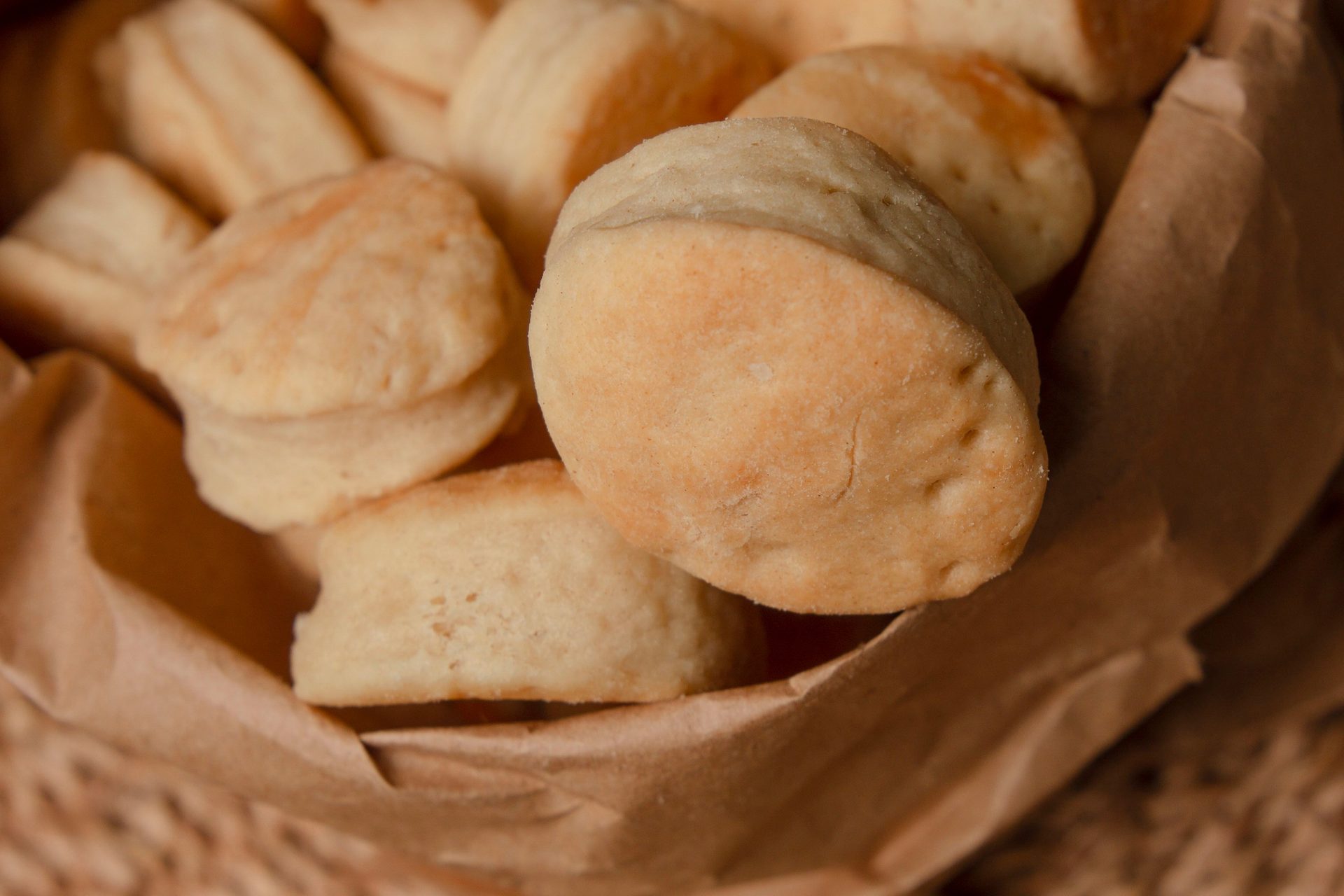
Pillsbury biscuits are one of those refrigerator staples that always seem to run out at the wrong time — or pile up faster than you can use them. Whether you grabbed an extra can on sale or baked more than your family could finish at dinner, you may be wondering if the freezer is a safe option.
The short answer is yes. Whether baked, unbaked, or store-bought, just about any type of biscuit can be frozen. This guide walks you through every step — from how to freeze them properly to how long they last, how to thaw them safely, and what to watch for if something goes wrong.
Can You Freeze Pillsbury Biscuits?
Yes, you can freeze Pillsbury biscuits, and you have a few different options depending on where you are in the process. You can freeze the dough for up to 3 months, either in the tube or as individual biscuits in a freezer bag. You can also freeze them after baking.
One important thing to know upfront: Pillsbury brand biscuit packages warn against freezing the raw dough, but that’s to preserve the quality of the product, not for the consumer’s safety. In other words, freezing won’t make the biscuits unsafe to eat — it may just affect how well they rise. The thawing process may prevent the biscuits from rising to their full potential, but they will still taste as expected.
You have three practical paths: freeze the entire unopened can, freeze individual raw dough rounds after opening the can, or freeze fully baked biscuits after they’ve cooled. Each method works, and the right one depends on what fits your schedule.
Pro Tip: Freezing the whole unopened tube is the easiest method and requires zero prep. Just place the sealed can directly in the freezer — no wrapping needed.
Does Freezing Change the Texture or Taste of Pillsbury Biscuits?
Freezing does have some effect on Pillsbury biscuits, and it’s worth knowing what to expect before you commit a full batch to the freezer. The flavor holds up well in most cases, but the texture can shift depending on how you freeze and thaw them.
The biggest concern with unbaked dough is rise. Allowing the butter or shortening to melt before going in the oven prevents the dough from rising as it bakes and changes the biscuit’s texture, making it dense and gummy. This is why proper thawing in the refrigerator — not on the counter — matters so much.
For baked biscuits, moisture is the main issue. Be sure the biscuits are completely cool before freezing. This ensures that excess moisture isn’t trapped inside of them once frozen, because excess moisture will cause biscuits to become gummy and dense when they’re thawed later.
Biscuits that were frozen as raw dough may not rise as much as fresh ones, so they’re better suited for recipes where height isn’t critical — like pot pie toppings or casseroles — rather than serving as standalone dinner rolls. When handled correctly, the taste difference is minimal.
How to Freeze Pillsbury Biscuits the Right Way
There are three methods to choose from, and each one has a slightly different process. Pick the one that matches your situation.
Method 1: Freeze the Whole Unopened Can
If you bought one too many cans of refrigerated biscuits, the best way to freeze them is by popping an entire unopened tube into storage for up to two months. No wrapping or prep required — just place the can in the freezer as-is. The easiest way to freeze canned biscuit dough is simply throwing the can in the freezer — the can won’t burst open.
Method 2: Freeze Individual Raw Dough Rounds
This method works best when you’ve already opened the can but don’t need all the biscuits at once. To freeze raw biscuits individually, open the tube of biscuit dough and place the canned biscuits on a baking sheet with enough room between each biscuit to prevent sticking. Once the biscuits are frozen, they can be removed from the baking sheet and added to a freezer-safe plastic bag for easy access.
Freezing the biscuits individually first keeps them from sticking together in a lump, so when you want your next biscuit, just pull out the one or two you need and pop them into the oven. Label the bag with the date before storing.
Method 3: Freeze Fully Baked Biscuits
If you’ve already baked a full batch and have leftovers, freezing them after cooling is a great way to avoid waste. Let baked biscuits sit on a wire rack until completely cool, then wrap each biscuit tightly in heavy-duty foil or freezer wrap and store in a gallon-sized freezer bag or airtight container.
Place them in a resealable freezer bag, squeezing out as much air as possible to minimize ice crystals. Label all packages with the name of the recipe and the date so you always know what’s in there and when it was frozen.
Pro Tip: Never skip the flash-freeze step for raw dough rounds. Spreading them on a baking sheet before bagging prevents them from fusing into one solid lump you can’t separate later.
How Long Can You Freeze Pillsbury Biscuits?
Storage time varies slightly depending on whether you’re freezing raw dough or baked biscuits, but neither lasts indefinitely.
| Type | Freezer Life | Notes |
|---|---|---|
| Whole unopened can (raw dough) | Up to 2 months | Best quality within this window |
| Individual raw dough rounds | Up to 3 months | Flash-freeze first, then bag |
| Fully baked biscuits | 2–3 months | Cool completely before wrapping |
Baked products should be stored at 0°F or lower. Use within the recommended storage time for the best flavor and texture. Beyond those windows, the biscuits won’t necessarily become unsafe, but the quality drops noticeably — expect freezer burn, off flavors, and poor texture.
For raw dough specifically, an unopened tube of Pillsbury biscuit dough will last until the “Use-By” date printed on the packaging, provided it has been continuously refrigerated at or below 40°F (4°C). If you’re approaching that date and know you won’t use the can in time, move it to the freezer right away rather than waiting.
How to Thaw Frozen Pillsbury Biscuits
How you thaw Pillsbury biscuits matters as much as how you freeze them. Rushing the process is where most people run into problems.
Thawing a Whole Frozen Can
If you put an entire tube of canned biscuit dough in your freezer, place the tube directly in the refrigerator to thaw it properly. Once it’s thawed, simply pop the seal and bake pre-cut biscuits as directed. Plan ahead — this typically takes overnight. Within two months of freezing, the canned biscuits should be slowly thawed in the refrigerator overnight. Otherwise, the pressurized package can explode as you relieve some pressure by peeling away the label, causing the dough to ooze out.
Thawing Individual Raw Rounds
To thaw individual biscuits, take out as many as you need and gently wrap each pre-cut disc in plastic wrap, or add them to a plate and cover. Keep these unbaked biscuits away from any outside air and in the refrigerator until they’re thawed and ready to bake.
You can also skip thawing entirely for raw rounds. You can bake frozen biscuit dough directly from the freezer — remove however many biscuits you need and bake in a 425-degree oven for roughly 20 minutes. As a rule of thumb, add 5–10 minutes to your baking time when baking frozen biscuit dough.
Thawing Baked Biscuits
Baked biscuits can go straight from the freezer to the oven without thawing. When you’re ready to reheat your already-baked frozen biscuits, spread them out on a baking sheet lined with parchment paper and bake at 350 degrees Fahrenheit for up to 20 minutes. Because they were previously fully baked, checking on them periodically is necessary to prevent overcooking. If you’re concerned about them browning too quickly, topping them lightly with a sheet of foil will do just the trick.
For a single biscuit, the microwave is faster. To thaw and reheat a single frozen biscuit in the microwave, microwave on HIGH for 10 to 30 seconds. Keep in mind the microwave can make the texture chewier, so the oven is the better option when you have a few extra minutes. You can also try the air fryer at 325°F for 2–4 minutes for a result that comes close to fresh-baked.
Important Note: Never thaw a pressurized can of biscuit dough on the counter at room temperature. The warming dough becomes sticky and difficult to separate, and the can may release pressure unexpectedly when opened.
Can You Refreeze Pillsbury Biscuits After Thawing?
Refreezing is not recommended for either raw dough or baked biscuits. Once raw Pillsbury dough has been thawed in the refrigerator, the leavening agents have already started to lose their potency. Refreezing and thawing again will further degrade the dough’s ability to rise, leaving you with flat, dense biscuits.
For baked biscuits, refreezing after thawing causes additional moisture loss with each freeze-thaw cycle. Freezing warm biscuits can result in a wet texture when you reheat your food. Always wait until your biscuits reach room temperature so you can prevent steam from filling the freezer bag. The same principle applies to refreezing — each time moisture escapes, the texture suffers.
The better approach is to freeze biscuits in small, meal-sized portions from the start. That way, you only pull out what you need and never have to deal with leftovers from the freezer going back in.
How to Use Frozen Pillsbury Biscuits (Best Uses After Freezing)
Previously frozen Pillsbury biscuits are perfectly suited for a wide range of meals. Since previously frozen canned biscuits likely won’t fully rise, you may want to reserve them for certain recipes. While they may not be ideal for the bread basket, they still make a delicious topping for chicken pot pies, casseroles, or chicken and dumpling recipes.
Here are some of the best ways to put frozen biscuits to work:
- Breakfast sandwiches: To make easy breakfast sandwiches, scramble eggs with toppings like bacon, crumbled sausage, cheese, or the veggies you fancy. Use a knife to create a pocket in the middle of each raw biscuit and fill the cavities with the mixture.
- Biscuit cups: Use the dough to fill muffin tins to create individual biscuit cups that you can stuff with infinite toppings. Try a pizza version by placing marinara sauce, shredded mozzarella, and diced toppings in every cup, customizing each one.
- Empanadas and savory pockets: Defrosted biscuits are ideal for making empanadas or savory pockets, which don’t need to puff up during baking. Precook the fillings, then encase them with the dough before baking.
- Dumplings: Separate the biscuits and cut them up into small, spoon-sized pieces, then simply add them to your simmering pot of chicken and dumplings, beef stew, or a favorite soup.
- Cobblers and desserts: Use your canned biscuits as the crust on a cobbler, with seasonal fresh fruit or a prepared pie filling.
- Croutons: Dice baked biscuits and toast them to make croutons for tossing onto a soup or salad.
If you enjoy experimenting with traditional comfort foods from around the world, frozen biscuit dough also makes a surprisingly versatile base for stuffed pastries and hand pies inspired by global cuisines. For more ideas on using pantry staples creatively, check out this guide to whole plant-based foods that pair well with biscuit-based meals.
Signs That Frozen Pillsbury Biscuits Have Gone Bad
Even in the freezer, Pillsbury biscuits don’t last forever. Knowing what to look for helps you avoid wasting a meal — or eating something that’s past its prime.
Check for these warning signs before baking or reheating:
- Freezer burn: White, dry, or leathery patches on the surface of baked biscuits or raw dough are a sign of freezer burn. The biscuits are still safe to eat, but the texture and flavor will be noticeably worse.
- Mold or discoloration: Visible mold or yeast growth on the biscuits indicates spoilage. Discard immediately — don’t try to cut around it.
- Off smell: A sour or unpleasant smell emanating from the biscuits is a sign of spoilage. Raw dough that smells fermented or “off” should be thrown out.
- Slimy texture: Biscuits that become slimy or soft to the touch are likely spoiled. This is more common with baked biscuits that weren’t cooled properly before freezing.
- Rancid taste: If the biscuits taste rancid or sour, it’s best to discard them. Don’t push through an unpleasant flavor hoping it’ll improve with toppings.
- Expired dough before freezing: It’s not recommended to use dough past its use-by date. While it might be safe if only slightly past the date, the quality will likely be poor, resulting in flat biscuits.
When in doubt, throw it out. Biscuits are inexpensive enough that it’s not worth the risk of eating something that’s spoiled. Proper labeling with the freeze date — as recommended by Quaker Oats’ biscuit storage guidelines — makes it easy to track how long everything has been in the freezer.
For more guidance on keeping your kitchen stocked with foods that support your health, take a look at this overview of superfoods for a healthy heart and how everyday food choices add up over time.
Frequently Asked Questions
Can You Freeze Pillsbury Grands Biscuits?
Yes. There is no significant difference in the shelf life of the unbaked dough among Pillsbury’s various refrigerated biscuit lines, such as Grands!, Flaky Layers, or Buttermilk. All three can be frozen using the same methods described above — whole can, individual raw rounds, or baked.
Can You Freeze an Unopened Can of Pillsbury Biscuits?
Yes, and it’s the easiest method. While the cans can be quite scary to open seeing they’re sealed with so much pressure, you can actually freeze the can of biscuit dough unopened and it won’t burst. Just be sure to thaw it in the refrigerator — not on the counter — before opening.
How Long Do Baked Pillsbury Biscuits Last in the Freezer?
Baked biscuits can be stored in the freezer for 2–3 months. After that window, they’re still technically safe but the texture and flavor will degrade significantly due to freezer burn and moisture loss.
Can You Bake Frozen Pillsbury Biscuit Dough Without Thawing?
Yes. You can bake them straight from frozen, with no need to thaw. Just be sure to add a couple of extra minutes to your baking time. This works best for individually flash-frozen dough rounds, not for a whole frozen can.
Do Frozen Biscuits Taste the Same as Fresh?
The flavor is very close, but the texture may differ slightly. Store-bought refrigerated dough isn’t as tasty as homemade, but it’s effortless, and there’s a lot to be said for the ease of popping open a can and having warm, buttery biscuits on the table within 15 minutes. Frozen and properly reheated biscuits retain most of that convenience with only a minor trade-off in rise and fluffiness. For recipes like pot pies, casseroles, and breakfast sandwiches, most people won’t notice the difference at all.
Can You Freeze Pillsbury Biscuits After They’ve Been Baked?
Absolutely. You can freeze already-baked biscuits and thaw them when ready to eat, even the ones from a can. All you have to do is transfer your fresh-from-the-oven biscuits to a wire rack to cool completely before wrapping and bagging. Reheat in a 350°F oven for up to 20 minutes, or in the microwave for 10–30 seconds for a single biscuit.