Can You Freeze Fresh Jalapeños? Everything You Need to Know

October 27, 2026
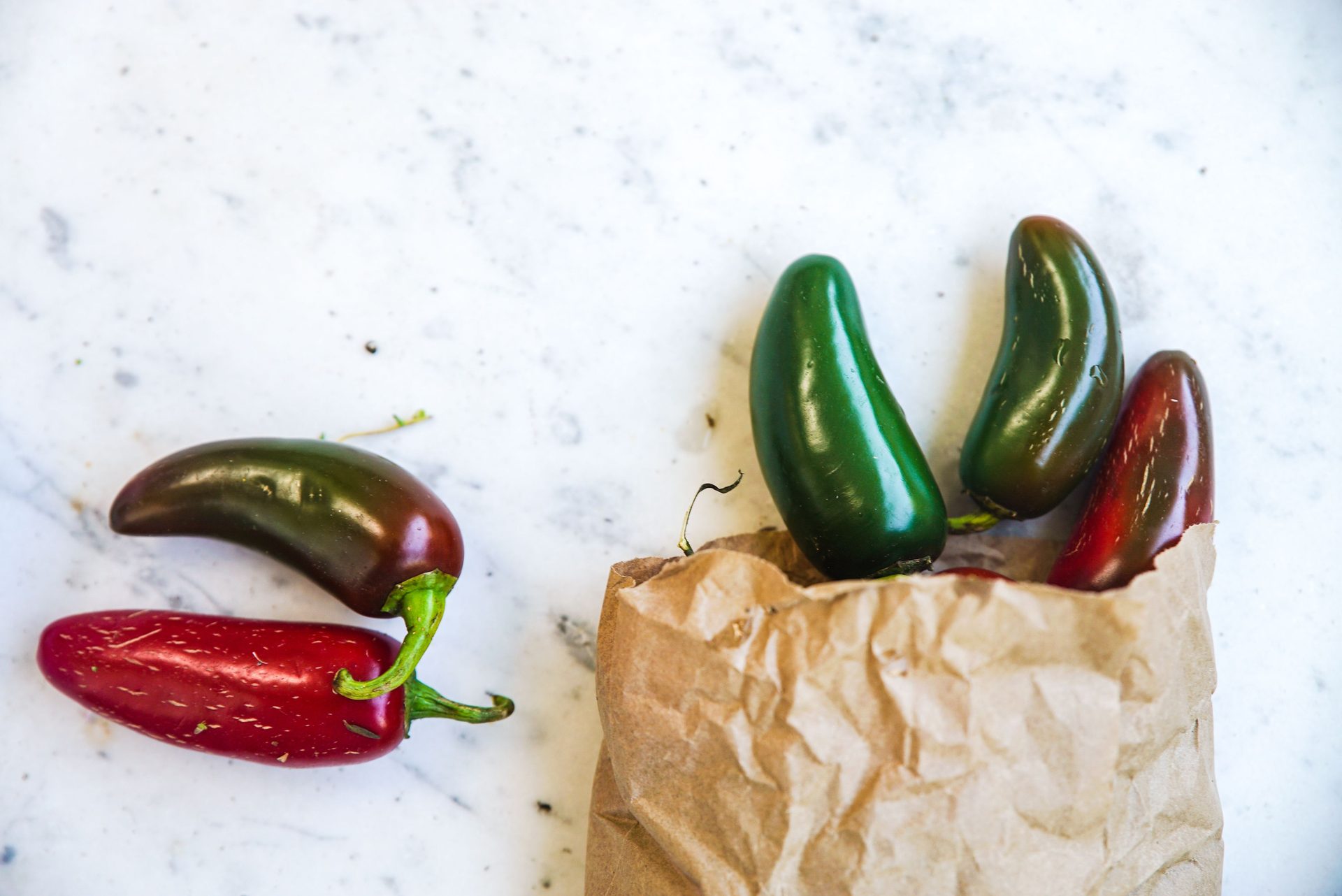
If you’ve ever come home from the farmers’ market with a big bag of jalapeños — or harvested more from your garden than you can possibly use — you already know the dilemma. Fresh jalapeños don’t last long in the fridge, and the last thing you want is to watch perfectly good peppers go to waste. Freezing is the answer, and it’s far simpler than most people expect.
This guide walks you through everything: whether freezing changes the heat and flavor, how to do it step by step, how long frozen jalapeños last, and the best ways to use them once they come out of the freezer. Whether you’re a home gardener in Texas or just stocking up on a sale at your local grocery store, this is the storage method you’ll keep coming back to.
Can You Freeze Jalapeños?
When you have a large harvest or an excess of peppers, you might wonder whether you can freeze jalapeño peppers. Freezing jalapeños is almost as simple as it sounds — but before you go throwing your fresh peppers into the freezer, there are a few things worth knowing.
Jalapeños have a relatively low water content compared to many vegetables, which means they hold up better in the freezer than you might expect. The capsaicin — the compound responsible for the heat — is remarkably stable through freezing and thawing. Your peppers will be just as spicy coming out of the freezer as they were going in.
You can absolutely freeze jalapeño peppers without blanching them. There is no need to blanch them or any type of pepper before freezing. You can freeze them whole, sliced, or diced — all three methods work well depending on how you plan to use them later.
Pro Tip: Always start with the freshest peppers you can find. Don’t select moldy or soft jalapeños to freeze, since these won’t hold up well over time. Those with blemishes and holes are not a good idea either. Stick to fresh, ripe, and healthy jalapeños that will hold onto more of their texture and taste after their time in the freezer.
Does Freezing Change the Texture or Taste of Jalapeños?
The main drawback to freezing is that thawed peppers will be soft, not crisp. However, they should have the same heat level and flavor. This is the single most important thing to understand before you freeze jalapeños — the spice stays, but the crunch goes.
You will notice a change in the texture. The slices will be softer and the seeds may have turned brown. This won’t affect the flavor, and you won’t notice the texture unless you use them in a recipe that doesn’t get cooked.
Just like with frozen poblanos or frozen bell peppers, the peppers will maintain their flavor and heat, but not all of their crunch. Thawed peppers work best in cooked dishes. For uncooked dishes like salsas or cowboy caviar that require crunch, stick with fresh peppers. For cooked dishes like soups, chilis, stuffed jalapeños, jalapeño poppers, or baked dips, frozen peppers that have been thawed will work great.
One nuance worth knowing: frozen diced jalapeños don’t get as soggy as frozen slices or whole peppers. They can work just fine in raw salsas or salads if that’s all you have.
How to Freeze Jalapeños the Right Way
The process takes about 20 minutes of active prep. Here’s how to do it properly so your peppers stay flavorful and don’t clump together in the bag.
Step 1: Wash and Dry Your Peppers
Wash your jalapeños under cold running water. To ensure the removal of bacteria, consider washing them with a mixture of three parts tap water and one part distilled white vinegar. After washing, pat them completely dry — make sure all excess water is wiped off and peppers are as dry as possible to avoid freezer burn.
Step 2: Wear Gloves and Prep Your Cut
Wear gloves when handling jalapeños, especially when cutting. The oils can linger on your skin for hours and cause painful burning if you touch your eyes or face. Decide whether you want to freeze them whole, sliced, or diced — preserving whole jalapeños is good if you want to use them for stuffed peppers or jalapeño poppers. If you don’t plan on making those specific recipes, it’s probably better to freeze them sliced or diced, since that’s how they are used in most recipes.
Step 3: Remove Seeds and Membranes (Optional)
The white membranes inside the pepper hold the most capsaicin. If you want milder results, scrape them out with a spoon before freezing. Otherwise, leave them in for full heat.
Step 4: Flash Freeze on a Baking Sheet
Flash freezing prevents the pieces from clumping into one solid block, so you can grab exactly the amount you need later. Spread your prepped jalapeños in a single layer on a parchment-lined baking sheet, making sure no pieces are touching. Place the baking sheet in the freezer for 1 to 2 hours until the peppers are frozen solid.
Step 5: Transfer to Freezer Bags and Seal
Transfer the frozen pieces to a freezer-safe zip-top bag or vacuum-sealed bag. Squeeze out as much air as possible before sealing. Label the bag with the date and contents.
On container choice: the spicy compound in the peppers, capsaicin, can rub off on silicone and be difficult to remove. Keep jalapeños in plastic bags or freezer-safe glass to prevent lingering jalapeño on your containers.
Pro Tip: Blanching the peppers — while not exactly required — will improve the texture of the thawed peppers by neutralizing an enzyme that encourages the breaking down of the peppers. It’s optional for jalapeños but worth doing if you plan to store them for more than six months.
If you enjoy freezing other produce from your garden or the market, check out these guides on freezing fresh watermelon chunks and freezing fresh uncooked zucchini for more storage tips.
How Long Can You Freeze Jalapeños?
Storage time depends on your packaging method. Here’s a quick comparison:
| Storage Method | Recommended Use-By | Maximum Safe Window |
|---|---|---|
| Standard zip-top freezer bag | 3–6 months (best quality) | Up to 6 months |
| Vacuum-sealed bag | 6–12 months (best quality) | Up to 12 months |
| Freezer-safe glass jar | 3–6 months | Up to 6 months |
Properly packaged jalapeños will maintain their best quality for 8 to 12 months in a standard home freezer set to 0°F (-18°C) or below. They’re still safe to eat beyond that window, but flavor and texture will gradually decline.
Ideally, you should try to use up all of your frozen jalapeños within one year. It is okay to keep jalapeño peppers frozen for longer than a year, though you may begin to notice negative changes in flavor and color.
For the longest shelf life, vacuum sealing is the gold standard. It removes nearly all air contact and prevents freezer burn far better than zip-top bags. If you preserve peppers regularly, a vacuum sealer is a worthwhile investment. If you don’t have one, the straw trick works well: put the frozen peppers into a freezer-quality zip-lock bag, place a straw through the zipper and seal the bag around the straw, then suck as much air out as possible before zipping the bag shut.
How to Thaw Frozen Jalapeños
Good news: most of the time, you don’t need to thaw them at all. For cooked dishes, you often don’t need to thaw at all. Toss frozen slices or diced pieces directly into the pan, pot, or slow cooker. They’ll release a small amount of water as they heat, which evaporates quickly.
When you do need to thaw — for stuffed peppers or jalapeño poppers, for example — the method matters. Place them in a single layer on a plate in the refrigerator for a few hours. Avoid thawing at room temperature, which can make them mushy.
Simply remove the desired quantity of peppers from your freezer bag and thaw them on a paper towel to allow any excess moisture to be absorbed. Re-seal the bag with the remaining jalapeños, removing any excess air, and return them to the freezer. Once your peppers reach room temperature, you can treat them like fresh peppers and use them as desired.
Pro Tip: You can use frozen jalapeños for making fresh salsa — just make sure you thaw out and dry the peppers completely before chopping for the salsa. Excess moisture is the main reason thawed jalapeños disappoint in raw preparations.
Can You Refreeze Jalapeños After Thawing?
This is one area where you want to be careful. Don’t refreeze. Once thawed, use your jalapeños within a day or two. Refreezing degrades texture significantly.
The safest way to avoid wasting peppers after thawing is to freeze them in small, recipe-sized portions from the start. If you use a vacuum sealer, make small batches for use throughout the year. That way, you can open a bag and use it all without the need to re-seal.
If you only thaw a portion of a bag — say, a handful of slices for a soup — simply remove the required amount from your freezer bags, reseal the bags with no air inside, and replace them in your freezer. The remaining peppers that were never thawed are fine to keep frozen.
Jalapeños are packed with nutrients including vitamin C, vitamin A, and beneficial antioxidants. If you’re interested in how spicy and nutritious foods fit into a broader healthy diet, explore these reads on superfoods for a healthy heart and powerful nutrients and foods that fight cancer.
How to Use Frozen Jalapeños (Best Uses After Freezing)
Frozen jalapeños are incredibly versatile in the kitchen. Because the texture softens after freezing, they shine in cooked applications where crunch isn’t the point — and they save you prep time since the slicing and seeding is already done.
- Soups, stews, and chili: Anytime you need some for stews, soups, or sauces, just break off a chunk and add them into whatever you’re cooking frozen. They’ll thaw in just a couple of minutes in your hot dish and give you great flavor.
- Jalapeño poppers: You can use your frozen jalapeños for jalapeño poppers. However, if you blanched your fresh jalapeños before freezing, they will not have the stiffness necessary to support the popper filling. Freeze them raw if poppers are your goal.
- Hot sauce: If you need some extra heat, use your jalapeños to make a tasty homemade hot sauce. They can be cooked beforehand, or just thawed and blended with other ingredients.
- Pasta and stir-fries: Spice up a red sauce or pasta dish for an extra kick of heat and flavor. They work equally well tossed into a stir-fry straight from the freezer.
- Cooked salsa and dips: Fresh jalapeño peppers work best for fresh salsa, nachos, and tacos, but frozen peppers work perfectly in soups, stir-fries, and when making baked jalapeño poppers with cream cheese and other stuffed pepper appetizers.
- Casseroles and egg dishes: Add them to quiche or vegetable pie for a mild kick, or stir into breakfast scrambles and omelets.
Looking for more ways to incorporate nutrient-rich ingredients into your meals? Check out this guide to whole plant-based foods or browse tips on foods that support liver function.
Signs That Frozen Jalapeños Have Gone Bad
Frozen jalapeños don’t spoil the way fresh ones do, but they can degrade in quality — and there are a few signs that tell you it’s time to toss them.
Freezer burn is the most common issue. If you notice freezer burn on your peppers, you know that something is wrong with your storage container. Try not to leave your freezer open to avoid condensation buildup in your frozen peppers. Freezer-burned peppers are still safe to eat but will taste dry, papery, and bland — the heat and flavor suffer noticeably.
Off color or dark spots are another warning sign. Any discoloration, such as yellowing or developing dark spots, can be an indicator that the jalapeño is no longer fresh. Some browning of the seeds is normal after freezing, but widespread discoloration of the flesh points to quality loss.
Unpleasant odor is a clear signal. A strong, unpleasant odor that differs from the peppery, pungent smell typically associated with fresh jalapeños is a sign of spoilage. If your frozen peppers smell stale, sour, or off when you open the bag, discard them.
Excessive ice crystals or frost buildup inside the bag means air got in. Air exposure is what causes freezer burn, so do your best to keep the air locked out. A bag covered in frost suggests the seal was compromised — use those peppers quickly in a cooked dish or discard them if the quality is too far gone.
Important Note: Frozen jalapeños that show signs of mold — fuzzy growths on the surface — should always be discarded. Mold can develop if peppers were not dried properly before freezing, or if the bag was opened and resealed repeatedly without removing air.
Frequently Asked Questions
Do You Need to Blanch Jalapeños Before Freezing?
Freezing jalapeño peppers does not require blanching, so don’t worry about that extra step. Blanching briefly in boiling water can help preserve color and slightly firm up the texture. It’s optional for jalapeños but worth doing if you plan to store them for more than six months.
Does Freezing Make Jalapeños Hotter or Milder?
The capsaicin — the compound responsible for the heat — is remarkably stable through freezing and thawing. Your peppers will be just as spicy coming out of the freezer as they were going in. The heat level is affected more by the seeds and ribs than by the process of freezing them.
Can You Freeze Jalapeños Whole Without Cutting Them?
Jalapeño peppers are small enough to be frozen whole. In fact, most hot peppers are on the small side and freeze best without chopping. You’ll also avoid getting any hot pepper juices on your hands. If you have enough space for all your peppers, this method preserves the original shape and avoids problems with oxidation and potential skin irritation.
Can You Freeze Roasted Jalapeños?
You can also freeze roasted jalapeños using the same method. This method works with any fresh peppers. Let roasted peppers cool completely and pat them dry before transferring to freezer bags. Use them within 6 months for the best flavor.
How Do You Prevent Jalapeños from Sticking Together in the Freezer?
Flash freezing prevents the pieces from clumping into one solid block so you can grab exactly the amount you need later. Spread your prepped jalapeños in a single layer on a parchment-lined baking sheet, making sure no pieces are touching. Once solid, transfer them to a bag and they’ll stay loose and easy to portion.
Can You Use Frozen Jalapeños in Fresh Salsa?
For uncooked dishes like salsas or cowboy caviar — anything that requires crunch — stick with fresh peppers. That said, frozen diced jalapeños don’t get as soggy as frozen slices or whole peppers, and they can work just fine in raw salsas or salads if that’s all you have. Thaw them fully and pat them dry before using.
Freezing is one of the easiest ways to make the most of a jalapeño harvest or a bulk buy. With proper prep and airtight storage, you’ll have ready-to-use peppers on hand for soups, sauces, poppers, and hot sauces all year long — without losing any of that signature heat. For more food storage ideas and healthy eating inspiration, explore our articles on foods for healthy skin and fibroid healing foods.