Can You Freeze Penne Alla Vodka Sauce? (Yes — Here’s How)

October 26, 2026
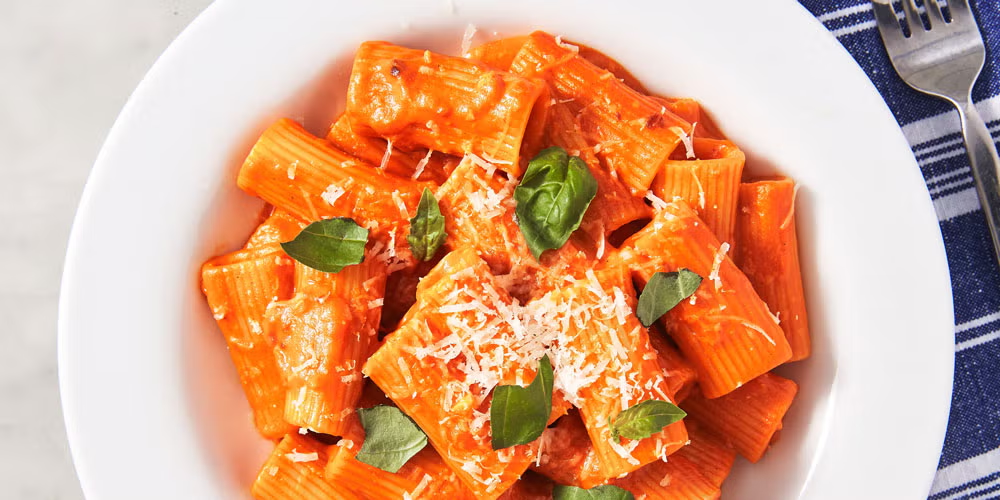
Penne alla vodka is one of those sauces worth making in a big batch. The creamy, tomato-based base takes time to build, and the last thing you want is to throw away a pot of it because you made too much. The good news is that freezing penne alla vodka sauce is not only possible — it works well when you follow a few simple rules.
Whether you cooked a double batch on Sunday or have leftover sauce from a dinner party, this guide walks you through everything you need to know: how freezing affects the sauce, the right way to store it, how long it keeps, and how to bring it back to life after thawing.
Can You Freeze Penne Alla Vodka Sauce?
Yes, vodka sauce freezes well — and it actually holds up better in the freezer than many other cream sauces. Because it is a tomato-based sauce with cream added, it tends to be more stable than an alfredo made with only cream and cheese.
It is safe to freeze homemade vodka sauce as long as it is done properly. By following the correct freezing and thawing instructions, you can preserve the flavor and quality of the sauce for up to 3 months. That makes it a solid option for meal prep or reducing food waste after a big cooking session.
One important rule to keep in mind upfront: do not freeze the pasta and sauce together. Penne and other pasta get soggy in the freezer. Freeze the sauce alone, then cook the pasta al dente and combine later.
Pro Tip: If you plan to freeze from the start, consider holding off on adding the heavy cream until reheating. According to Cookist , freezing the tomato-vodka base before adding cream and cheese gives you a cleaner freeze — then stir in fresh cream when you reheat.
Does Freezing Change the Texture or Taste of Penne Alla Vodka Sauce?
You can freeze vodka sauce and thaw it as needed, but be aware that dairy can sometimes split when frozen, so the texture of the sauce may change. This is the most common concern home cooks have, and it is worth understanding before you freeze your first batch.
The quality will likely change after freezing and thawing cycles. Vodka sauce’s creamy, smooth texture is one of its most attractive qualities, but when frozen, the dairy components — cream and milk — can separate during the process. Upon thawing and reheating, the sauce may appear grainy or slightly separated, as the fats don’t always re-emulsify easily.
The flavor story is more encouraging. Freezing vodka sauce does not significantly affect the flavor. In fact, the sauce may even taste better after the flavors have had time to meld during the freezing and thawing process.
Be aware that the texture will change a bit upon freezing, but it can be easily brought back to normal. A whisk and low heat are usually all you need — more on that in the thawing section below.
How to Freeze Penne Alla Vodka Sauce the Right Way
Following the right steps makes a real difference in how the sauce holds up. Here is a straightforward process to get the best results:
- Cool the sauce completely. Let the sauce come to room temperature before freezing. Putting hot sauce into the freezer can cause condensation and ice crystals, which ruin the creamy texture.
- Portion it out. Choose airtight containers or freezer bags. Portioning into smaller servings is the best approach so you can defrost just what you need later.
- Leave headspace. Using a container that is too small is a common mistake. When liquids freeze, they expand, so make sure to leave some room at the top of your container to allow for expansion.
- Remove excess air. Store the vodka sauce in an airtight container or a heavy-duty freezer bag. Remove as much air as possible before sealing, as excess air can lead to freezer burn, which affects both flavor and appearance.
- Label every container. Write the date on the container. Vodka sauce freezes well for up to 3 months.
- Freeze immediately. Place the sauce in the coldest part of your freezer as soon as possible to ensure it freezes quickly, which helps maintain the best texture and flavor.
If you are using freezer bags, lay them flat so they stack efficiently and thaw faster. Avoid freezing vodka sauce in standard glass jars, as the liquid can expand and cause the jar to break. Use a freezer-safe container instead.
Pro Tip: Want to skip the cream separation issue entirely? If you are making a big batch with the intention of freezing, you can freeze the tomato-based portion — tomato paste, whole tomatoes, garlic, olive oil — and stir in heavy cream later during reheating. This gives you the freshest possible texture every time.
How Long Can You Freeze Penne Alla Vodka Sauce?
Most sources agree on a 3-month sweet spot for best quality. You can freeze homemade vodka sauce for up to 6 months without losing its quality or flavor. However, it is best to use it within 3 to 4 months for optimal taste. Freezing beyond this timeframe may result in a decrease in the sauce’s taste and texture, although it will still be safe to eat.
When stored properly, vodka sauce can last in the freezer for up to 3 months, maintaining its flavor and texture relatively well, though over time it may begin to lose a bit of its vibrancy. For the best quality, aim to use the sauce within this 3-month window, though it is generally safe to eat beyond that time if necessary.
| Storage Method | How Long It Lasts | Best Quality By |
|---|---|---|
| Refrigerator | 4–5 days | Within 3–4 days |
| Freezer (sauce only) | Up to 6 months | Within 3 months |
| Freezer (sauce + pasta) | Not recommended | — |
If you are storing leftovers in the fridge and realize you will not use them in time, vodka sauce will last 4 to 5 days in the fridge if stored properly, so freeze it if you will not use it in that time frame. It is always better to freeze before the sauce starts to age.
You can also check out our guide on how to freeze applesauce and whether you can freeze shop-bought applesauce for more freezer storage tips on other sauces and purees.
How to Thaw Frozen Penne Alla Vodka Sauce
Thawing slowly in the refrigerator gives you the best results. Let it thaw overnight in the refrigerator before reheating for the best texture. This gradual process keeps the sauce from going through temperature swings that worsen separation.
Once thawed, reheat it gently on the stovetop. Pour the vodka sauce into a saucepan. You may notice that the sauce has separated or has a gritty texture — not to worry. Using a whisk, stir the sauce as you gently heat it in the saucepan. Low, steady heat and consistent stirring are the keys to bringing it back together.
The sauce may separate or become grainy after thawing. Whisking vigorously while reheating can often restore a smoother consistency. Adding a small amount of fresh cream or butter can also help improve the texture and flavor.
If you need a faster option, if stored in a container, the sauce can be left on the counter for a couple of hours to defrost. If stored in a freezer bag, it can be placed in a bowl of cold water until thawed. Just make sure you reheat it on the stove — not the microwave — for the smoothest result.
Pro Tip: After reheating, taste and adjust — sometimes you will need a little salt, Parmesan cheese, or fresh basil to brighten things back up. You can also add a splash of vodka again when warming up to bring back that bright flavor.
Can You Refreeze Penne Alla Vodka Sauce After Thawing?
Technically yes, but it is not a great idea. Refreezing vodka sauce after thawing is not recommended. When you freeze and thaw food, the texture can change due to the formation of ice crystals, which can lead to a watery or grainy sauce. If you thawed more vodka sauce than you needed, it is better to store the leftover in the refrigerator and consume it within a few days.
The fresh, vibrant flavors of a freshly made vodka sauce can also diminish with refreezing. Repeated freezing and thawing can weaken the intensity of the vodka’s kick and the tomato’s freshness. The sauce may taste a bit flat or less flavorful.
The practical solution is simple: choose airtight containers or freezer bags and portion into smaller servings so you can defrost just what you need later. Single-serving or two-serving portions eliminate the need to refreeze entirely.
How to Use Frozen Penne Alla Vodka Sauce (Best Uses After Freezing)
Frozen vodka sauce is more versatile than most people realize. The classic move is tossing it with fresh pasta, but there are plenty of other ways to put it to work. You can add the sauce to short pasta like rigatoni or even long pasta like fettuccine, and the noodles will soak up the silky tomato sauce.
Here are some of the best ways to use thawed vodka sauce:
- Classic penne alla vodka. Toss with al dente pasta and Parmigiano Reggiano for a classic penne alla vodka. Cook your pasta fresh while the sauce reheats on the stove.
- Protein topper. Pour the sauce over chicken breasts or sautéed shrimp for a hearty main. It works especially well with pan-seared chicken thighs.
- Pizza sauce. Use it as a pink sauce base for pizza — it is a delicious sauce alternative. It adds a touch of spiciness that standard pizza sauce does not have. Top the pizza with fresh basil and you will have a great result.
- Meat sauce base. Vodka sauce complements meat well and can easily be adapted to a vodka meat sauce by adding ground beef or sausage.
- Creamy vegetable sauce. Mix with a splash of chicken broth and balsamic vinegar for a quick creamy tomato-based sauce for veggies.
For more ideas on what pairs well with this sauce, check out our guides on what to serve with vodka sauce and what to serve with vodka sauce pasta for side dish inspiration.
You can make the sauce ahead of time and then cook the pasta right before serving. Reheat the sauce on its own over medium heat before adding the penne. You can always add a little pasta water to loosen it up without losing the creaminess, if needed.
Signs That Frozen Penne Alla Vodka Sauce Has Gone Bad
Even with proper storage, it is worth checking your sauce before eating it. An offensive odor — sour, rancid, or otherwise unpleasant — is a clear indication of spoilage. Fresh vodka sauce should have a pleasant tomato and herb aroma. The presence of mold, even small spots, means the entire batch should be discarded.
Beyond smell and mold, look at the texture and color. A slimy, watery, or significantly thicker texture than usual suggests bacterial growth. Any unusual discoloration, such as a darkening or greenish hue, is a warning sign.
If the vodka sauce has been frozen for too long or improperly stored, it may develop freezer burn or an off smell. If it looks discolored, has an unusual texture, or smells sour when reheated, it is best to discard it.
It is also worth knowing the difference between normal separation and actual spoilage. A sauce that looks grainy or slightly separated after thawing is not bad — it just needs to be whisked over low heat. A sauce that smells sour or shows mold is a different story entirely and should not be eaten.
| What You See or Smell | What It Means | What to Do |
|---|---|---|
| Grainy or separated texture | Normal dairy separation from freezing | Whisk over low heat; add a splash of cream |
| Sour or rancid smell | Spoilage | Discard immediately |
| Visible mold (any amount) | Spoilage | Discard the entire batch |
| Dark or greenish discoloration | Spoilage | Discard immediately |
| Slimy or unusually thick texture | Possible bacterial growth | Discard immediately |
Freezing vodka sauce that has been refrigerated for a few days is generally safe, provided it shows no signs of spoilage. However, the quality may be slightly diminished compared to freezing it immediately after cooking. When in doubt, freeze sooner rather than later.
Frequently Asked Questions
Can You Freeze Store-Bought Vodka Sauce?
Yes. The same rules apply — transfer it to a freezer-safe airtight container, leave headspace for expansion, label it with the date, and use it within 3 months for best quality. Do not freeze it in the original glass jar, as the jar can crack when the sauce expands.
Can You Freeze Penne Alla Vodka With the Pasta Already Mixed In?
Pasta dishes with cream-based sauces like penne alla vodka can be frozen, but the texture of the sauce may change slightly upon thawing. Freezing is a great way to preserve leftovers for later consumption, whether you made too much or you want to meal prep for busy days. Proper storage and reheating techniques are important for maintaining the flavor and texture of the dish after freezing. That said, freezing the sauce separately and cooking fresh pasta when you are ready to eat produces a noticeably better result.
Should You Add Parmesan Before Freezing?
It is best to freeze penne alla vodka without the cheese garnish. Cheese can change in texture when frozen and thawed, so it is recommended to add the cheese after reheating the dish. The same applies to fresh basil — add it right before serving.
Can You Freeze Vodka Sauce That Contains Meat?
If your vodka sauce contains meat, such as ground beef or sausage, it can still be frozen. Make sure the meat is fully cooked before adding it to the sauce, and follow the same freezing and thawing instructions as you would for regular vodka sauce.
How Do You Fix Grainy Vodka Sauce After Thawing?
This happens with cream sauces sometimes. Use a splash of water or pasta water, stir over low heat, and blend with an immersion blender to restore the creamy sauce texture. A small knob of butter or a tablespoon of fresh heavy cream also helps bring it back together quickly.
Can You Freeze Vodka Sauce in Glass Containers?
You can freeze vodka sauce in glass containers, but make sure the glass is freezer-safe and leave enough space at the top to allow for expansion as the sauce freezes. It is also important to avoid drastic temperature changes to prevent cracking.