Can You Freeze Greek Yogurt Cups? What You Need to Know Before You Try

October 27, 2026
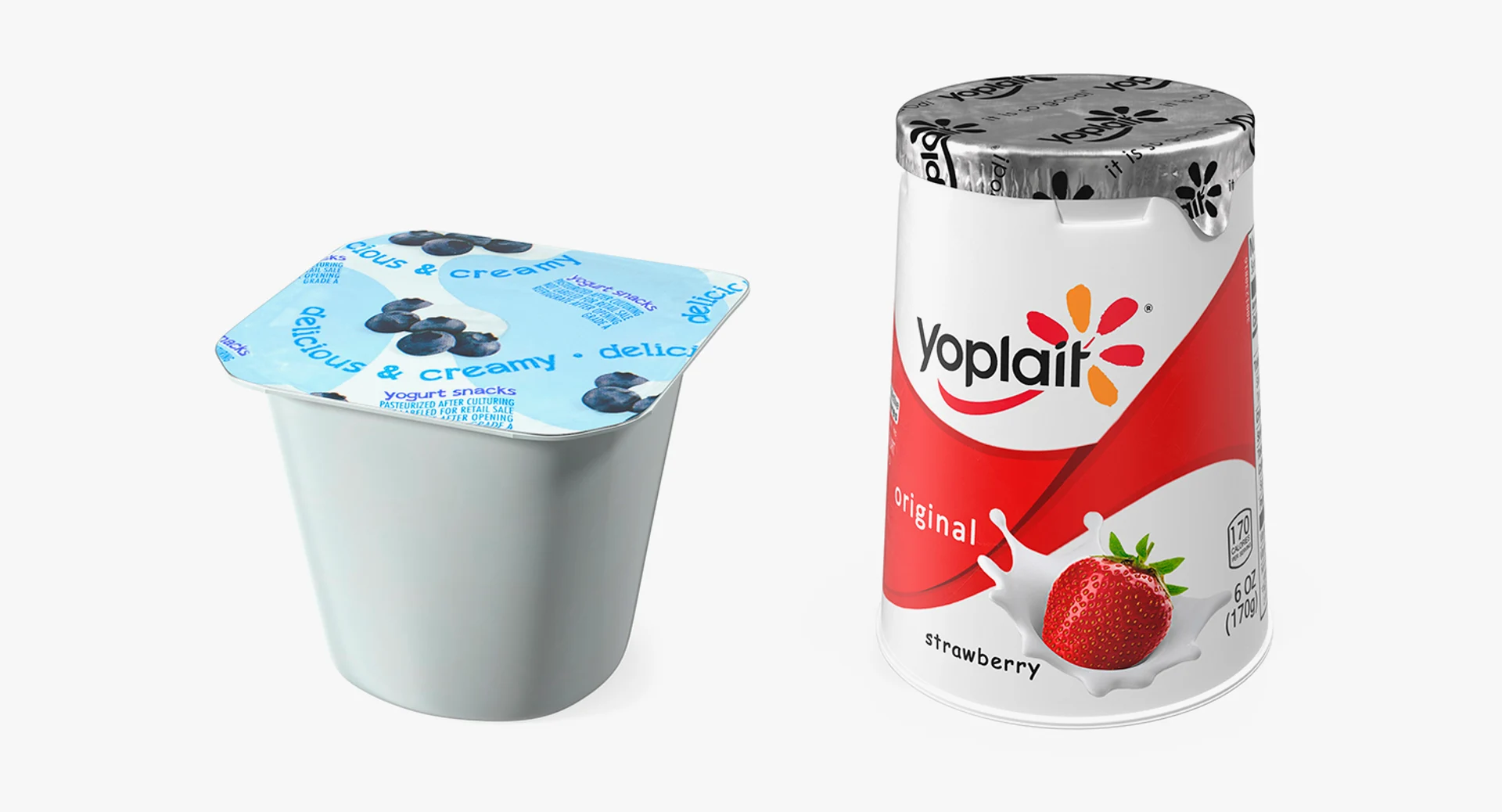
Greek yogurt is one of those fridge staples that disappears fast — until the week it doesn’t. Maybe you stocked up during a sale, or a busy schedule left a few cups untouched and inching toward their best-by date. Either way, the freezer starts looking like a smart option.
The good news: you can absolutely freeze Greek yogurt cups. It’s a practical way to extend shelf life and cut down on food waste — but there’s a catch you need to know about, because freezing will change its signature creamy texture. Understanding what to expect before you freeze makes all the difference between a frustrating result and a genuinely useful one.
This guide walks you through everything — how freezing affects the yogurt, the right methods, how long it keeps, how to thaw it safely, and the best ways to put it to use afterward. If you’re trying to find substitutes for Greek yogurt in a pinch, knowing how frozen yogurt performs in recipes will also help you decide when it fits and when it doesn’t.
Can You Freeze Greek Yogurt Cups?
You can freeze Greek yogurt, plain yogurt, fat-free yogurt, organic yogurt, yogurt cups, and squeeze tubes of yogurt — even plain, flavored, or swirled with fruit. The brand name and variety don’t change the basic answer: freezing is safe and effective for all of them.
Yogurt cups are convenient for freezing because you don’t need to portion them beforehand, though you may lose that extra-thick, creamy texture along the way. That texture shift is the main trade-off, and it’s worth planning around rather than being surprised by.
Freezing won’t affect any of the nutritional benefits of Greek yogurt, so you can go ahead and put some packs in the freezer without worry. The U.S. Food and Drug Administration requires all yogurt to contain at least two strains of live bacteria, and those live, active cultures carry real health benefits including improved digestive health and immunity. The good news is they survive freezing — research shows the live bacteria go into a dormant mode until thawed. You can read more about how certain foods support long-term health and why preserving their nutritional value during storage matters.
Pro Tip: Some Greek yogurt containers say “do not freeze” on the label. This is a quality warning from the manufacturer about texture changes — not a food safety concern. The yogurt is perfectly safe to freeze regardless of that label.
Does Freezing Change the Texture or Taste of Greek Yogurt Cups?
Yes — and it’s helpful to understand exactly why, so you know what you’re working with after thawing. Greek yogurt is packed with water, mostly in the form of whey. When you freeze it, that water forms sharp little ice crystals that disrupt the delicate protein structure responsible for the yogurt’s thick, smooth consistency. Once you thaw it, the original texture is largely gone.
The whey separates from the solids, leaving you with a consistency that’s often grainy or gritty — because those broken protein structures no longer feel smooth — and thinner or watery, since the yogurt loses much of its original thickness. This is normal and expected, not a sign that something went wrong.
On the flavor side, the picture is more reassuring. The flavor of Greek yogurt typically remains intact after freezing. While the texture may be modified, you can still enjoy the tanginess in smoothies, baked goods, or frozen treats. Some sources note the yogurt may taste slightly more tart after freezing, but the core flavor profile holds up well.
| Quality Factor | Fresh Greek Yogurt | Frozen and Thawed |
|---|---|---|
| Texture | Thick, smooth, creamy | Grainy, thinner, may be watery |
| Flavor | Tangy and fresh | Largely intact; slightly more tart |
| Nutritional value | Full protein, probiotics, calcium | Unchanged — fully preserved |
| Probiotics | Active live cultures | Dormant during freezing, reactivate on thaw |
| Best use | Eating straight, toppings, dips | Smoothies, baking, sauces, marinades |
How to Freeze Greek Yogurt Cups the Right Way
The method you choose should match how you plan to use the yogurt later. Before you do anything else, there’s one important first step: whisk the yogurt vigorously. This helps tighten up its protein structure, creating a more stable emulsion that’s less likely to separate into a watery mess when it thaws.
Here are the three most practical methods for US home kitchens:
- Freeze the Cup As-Is (Unopened): You can freeze single-serve portioned cups in their original container before opening. Due to expansion, the cups may crack in the freezer, so place them inside a freezer-safe bag to prevent freezer burn and odor absorption.
- Ice Cube Tray Method: The ice cube tray method is ideal for smoothies or single-serving recipe amounts. Small portions freeze much faster, which means smaller ice crystals and less damage to the texture. Once frozen solid, transfer the cubes to a labeled freezer bag.
- Portioned Airtight Containers: If you plan to use Greek yogurt for cooking or baking, freeze appropriate portions in airtight containers. This requires some planning ahead, but it avoids food waste and repeated freezing. Leave about half an inch of headspace for expansion.
Pro Tip: Before freezing, press a layer of plastic wrap directly onto the surface of the yogurt in the tray or container. This simple barrier helps prevent freezer burn and stops large ice crystals from forming on top.
Avoid using glass containers, as they’re prone to cracking under freezing temperatures. Opt for sturdy, freezer-safe plastic containers or zip-top freezer bags, and leave some headspace at the top to allow for expansion.
Greek yogurt actually freezes better than regular yogurt because it’s thicker and contains less liquid — so you’re starting from a good position. Label every container with the date before it goes in the freezer.
How Long Can You Freeze Greek Yogurt Cups?
Frozen Greek yogurt can be stored for up to two months for optimal quality. Beyond that, it’s still safe to consume but may experience more pronounced texture changes. Most sources consistently land on the same two-month window as the quality sweet spot.
If you plan to eat the yogurt straight with a spoon after thawing, the window is shorter. If you plan on eating the yogurt with a spoon, aim to consume your yogurt freezer stash within 30 days. For use in smoothies, baking, or cooked sauces, the full two months works well.
| Storage Method | Expected Shelf Life |
|---|---|
| Refrigerator (unopened) | 2–3 weeks |
| Refrigerator (opened) | 5–7 days |
| Freezer (properly stored) | Up to 2 months (best quality) |
| Freezer (for smoothies/baking) | Up to 2 months |
| Freezer (for eating by spoon) | Within 30 days for best texture |
Be sure to label the date it’s frozen or note the best-by date of two months out. A quick marker note on the bag takes seconds and saves you from guessing later.
How to Thaw Frozen Greek Yogurt Cups
Thawing correctly matters almost as much as freezing correctly. The best way to thaw is to move the container from your freezer straight to the fridge. This slow, gradual temperature change is gentle on the yogurt’s protein structure, which helps minimize the watery separation. A standard container can easily take a full 24 hours to thaw completely.
Never thaw Greek yogurt in the microwave or leave it sitting on the counter. The microwave creates hot spots that can literally cook the yogurt, turning it into a lumpy, rubbery mess. Letting it thaw at room temperature invites bacterial growth, making it unsafe to eat.
If you’re short on time, you can submerge the sealed container in cold water for a quicker thaw. This is safer than the countertop method and significantly faster than the fridge for smaller portions.
When defrosted, Greek yogurt separates into liquid and solid elements. If it looks separated, you can simply stir it back into a creamy texture. If you have time and a food processor, you can process it to bring back some of the original texture.
Important Note: Once thawed, use the yogurt within 2 days and do not re-freeze it. Thawed yogurt sitting in the fridge beyond that window starts to deteriorate in both quality and safety.
Can You Refreeze Greek Yogurt Cups After Thawing?
No — refreezing thawed Greek yogurt is not a good idea. Refreezing can lead to a significant change in texture, making it more watery and less smooth once thawed again. More importantly, refreezing may also increase the risk of bacterial growth, which can compromise its safety and quality.
It is not recommended to refreeze yogurt after it has been thawed, as this can further compromise the quality and probiotic content. The probiotics that survived the first freeze are especially vulnerable to a second freeze-thaw cycle.
The practical solution is to freeze in small, single-use portions from the start. Since you cannot re-freeze the yogurt, it’s helpful to have smaller portions if you don’t plan to use it all at once. Divide the Greek yogurt into small sizes like half-cup servings or freeze it in amounts suited to specific recipes. This way, you only thaw exactly what you need.
How to Use Frozen Greek Yogurt Cups (Best Uses After Freezing)
The texture change after freezing actually opens up a wide range of kitchen uses where a slightly thinner, grainier consistency works perfectly — or goes completely unnoticed. Think of your frozen stash as a cooking and blending ingredient rather than a spoonable snack.
- Smoothies: If you’re planning on using your frozen yogurt in smoothies, freeze it in an ice cube tray. After the cubes are solid, they can be enjoyed as-is or in a smoothie — simply add a few cubes to the blender with the rest of your ingredients.
- Baking: Baked recipes don’t need the texture of yogurt to be perfect, so they’re a great use for frozen yogurt. Just give the yogurt a quick stir before using it, and you’re good to go. Think muffins, pancakes, quick breads, and coffee cake.
- Sauces and Marinades: Thawed Greek yogurt works well in baked goods, marinades, and sauces. The tanginess holds up well when cooked into a sauce or used as a meat tenderizer in a marinade.
- Dips: Stir thawed yogurt vigorously and use it as a base for tzatziki or other yogurt-based dips. The texture blends in smoothly with other ingredients.
- Frozen Yogurt Bark: Spread a thin layer of Greek yogurt on a baking sheet lined with parchment paper, sprinkle on toppings like berries, nuts, or granola, and freeze until solid. Break it into pieces for a healthy snack that doesn’t require thawing at all.
- Oatmeal Boost: Stir a thawed portion into warm oatmeal for added protein. The texture difference disappears entirely when mixed into a hot grain.
Greek yogurt is a protein-rich ingredient worth preserving. A 6-oz cup of regular yogurt contains 7.5g of protein, while Greek yogurt contains 9.5g of protein. Freezing lets you keep that nutritional value intact even when you can’t use the cup before its best-by date. For more on how nutrient-dense foods fit into a balanced diet, it helps to understand how different storage methods preserve their value. You might also find it useful to explore foods that support specific health goals when planning how to use your frozen yogurt in everyday meals.
Signs That Frozen Greek Yogurt Has Gone Bad
Freezing slows spoilage but doesn’t stop it permanently. Before using any thawed Greek yogurt, do a quick check across four areas: appearance, smell, texture, and taste.
Appearance: Greek yogurt should have a consistent color. If you notice any discoloration — such as pink, green, or yellow tints — it’s a sign of microbial growth and the yogurt should not be eaten. Also look for mold growth on the surface. Any presence of mold means the entire container should be discarded, as mold can penetrate below the surface.
Smell: Smell is a strong indicator of the yogurt’s condition. Greek yogurt has a distinct tangy scent, but if you’re met with an off-putting or sour smell that deviates from the norm, it’s best to throw it away. Bad yogurt smells very sour, rotten, or yeasty.
Texture: If it becomes excessively watery or lumpy, this could indicate spoilage. While some separation of whey is normal and can be stirred back in, a change in the overall texture is a warning sign. If your yogurt develops a ropy, mucus-like consistency or seems abnormally viscous, it has likely gone bad.
Taste: Sour, bitter, rancid, or fermented flavors point to yogurt that should be discarded. If it simply tastes bland rather than tangy and fresh, that’s another sign it’s time to let it go.
Important Note: Frozen yogurt can go bad. If you notice any mold, slimy film, or off-putting odors, discard it right away. When in doubt, throw it out — it’s not worth the risk.
Good nutrition starts with good food storage. Knowing how to handle perishables like Greek yogurt connects directly to broader healthy eating habits. You may also want to explore powerful nutrients found in everyday foods or learn about foods that promote healthy skin — many of which, like Greek yogurt, are best stored with care.
Frequently Asked Questions
Can You Freeze Store-Bought Greek Yogurt Cups Like Chobani or Fage?
Yes. You can freeze yogurt from brands like Chobani successfully. The small single-serve cups are convenient for freezing, but you can also move your yogurt to another freezer-safe container to minimize the chance of the package breaking when the yogurt expands.
Does Freezing Greek Yogurt Kill the Probiotics?
The frozen yogurt probiotics will go dormant but should be relatively intact when thawed, so you won’t lose out on those probiotic health benefits. Freezing does slow down the activity of the live cultures, but studies show plenty of probiotics remain when yogurt is properly frozen and thawed.
Can You Freeze Flavored Greek Yogurt Cups?
If you’re freezing yogurt that has fruit in it, open the container, thoroughly stir the yogurt, then place it in a freezer-safe, sealed container. If you don’t mix fruit yogurt first, it won’t freeze evenly. Flavored yogurts with added fruit or sweeteners often experience more noticeable quality loss after freezing, as the added ingredients can separate or become overly icy.
How Long Does It Take for a Greek Yogurt Cup to Freeze Solid?
Small portions of yogurt take up to 3 hours to freeze, but it takes at least 6 hours and as many as 24 hours to fully freeze an entire quart or more. A standard single-serve cup falls on the shorter end of that range.
Can You Eat Frozen Greek Yogurt Straight from the Freezer Like Ice Cream?
Freezing it will make it rock solid, so you won’t be able to enjoy it in the same way as a creamy scoop of ice cream. For a true frozen yogurt experience, look up a proper frozen yogurt recipe that incorporates the right mixing and sweetening steps before freezing.
Is It Safe to Freeze Greek Yogurt Past Its Expiration Date?
You can freeze yogurt up to two months past its expiration date, but it must be consumed immediately after thawing. That said, always inspect it for signs of spoilage before freezing — if it’s already gone bad in the fridge, freezing won’t reverse that.
What’s the Best Way to Use Thawed Greek Yogurt in Recipes?
If the texture is too altered for your liking, consider blending it to restore some creaminess. It works especially well in traditional Greek recipes that call for yogurt in sauces or marinades, where a slight texture change is undetectable. You can also add thawed yogurt to oatmeal, soups, or salad dressings for a protein boost without worrying about the consistency.