Can You Freeze Canned Cannellini Beans? (Yes — Here’s How)

October 25, 2026
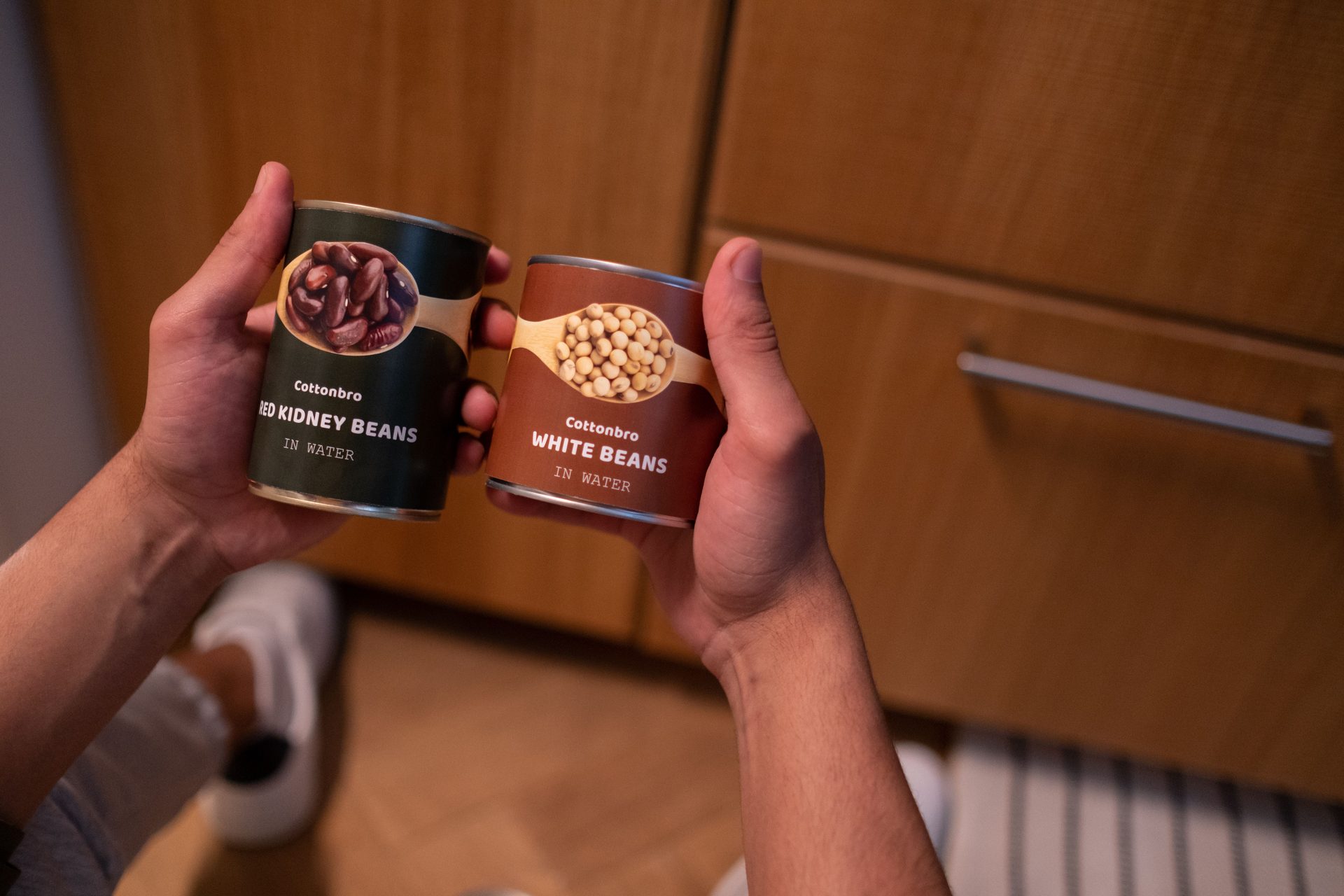
Most cans of cannellini beans hold about 15 ounces — far more than many recipes call for at once. If you have opened a can and only need half, you are left with a choice: refrigerate the rest and use it within a few days, or freeze it for later. Freezing is almost always the smarter move.
Canned cannellini beans are rich in protein, fiber, and various essential vitamins and minerals, making them an excellent addition to a healthy diet. Wasting them by letting leftovers go bad in the fridge is easy to avoid once you know the right method. This guide walks you through everything — from whether freezing changes the texture, to step-by-step storage instructions, to how you can tell when frozen beans have gone bad.
Can You Freeze Canned Cannellini Beans?
Yes, you can absolutely freeze canned cannellini beans. Once a can is open, the beans are at risk of spoiling more quickly — which is exactly why freezing them is a smart move if you anticipate having leftovers. The freezing process does not make them unsafe; it simply pauses the clock on freshness.
Canned beans only last about three or four days in the refrigerator after opening. Any longer, and they will begin to turn — growing harmful pathogens like bacteria and mold. Freezing sidesteps that problem entirely and gives you a ready-to-use protein source on demand.
One important rule before you freeze: transfer unused beans and their liquid to an airtight, non-reactive container — glass or plastic — immediately after opening. Do not store them in the opened can, as metallic flavors can leach into the beans.
Cannellini beans (Phaseolus vulgaris) belong to the same species as kidney beans, navy beans, and Great Northern beans. They are the most common type of white bean, also called white kidney beans, and their tender, earthy, nutty flavor makes them a great addition to soups, stews, and chilis. Their dense, creamy texture also holds up better in the freezer than more delicate bean varieties.
Pro Tip: Freeze cannellini beans the same day you open the can. The fresher they are when they go in, the better they will taste when they come out.
Does Freezing Change the Texture or Taste of Canned Cannellini Beans?
Freezing does affect texture to some degree. The texture of canned cannellini beans will be softer after freezing and thawing. This is a normal result of ice crystals forming inside the bean cells during the freezing process — when those crystals melt, the cell walls break down slightly.
The good news is that this softening is manageable. While most cooked beans freeze well, some varieties hold their texture better than others — kidney beans and cannellini beans tend to maintain their shape better than more delicate beans like pinto beans. So relative to other options, cannellini beans are actually one of the better choices for freezing.
As for flavor, leftover canned beans, when frozen correctly, deliver the same delicious taste and texture as freshly opened beans. The key phrase there is “frozen correctly” — proper packaging and consistent freezer temperature make a real difference. Maintaining a consistent freezer temperature is important for preserving food quality. Your freezer should be set to 0°F (-18°C) or lower. Fluctuations in temperature can cause ice crystals to form, which can damage the cell structure of the beans and lead to a mushy texture after thawing.
Because frozen cannellini beans are a touch softer, they work best in cooked applications rather than cold salads where you want a firm bite. More on that in the best-uses section below.
How to Freeze Canned Cannellini Beans the Right Way
The process takes only a few minutes. Follow these steps to get the best results:
- Drain and rinse. Pour the beans into a colander and rinse them under cold water. This removes the starchy canning liquid, which can turn gummy after freezing. Pat them dry with a paper towel to reduce excess moisture.
- Portion them out. Separate the beans into one- or two-cup portions, pat dry, and lay flat in freezer bags or small containers. Portioning means you only thaw what you need and avoid repeatedly thawing the same batch.
- Choose your container. You can freeze beans in a glass container, glass jars or mason jars, plastic bags like zip-lock bags and reusable silicone bags, or a plastic container with a firm seal on the lid. Whichever you choose, make sure it is freezer-safe.
- Remove as much air as possible. If using a freezer bag, press out the air before sealing. Air exposure is the main cause of freezer burn, which degrades both texture and flavor.
- Add a small amount of water (optional). Simply transfer the unused beans into an airtight container, cover the beans in a layer of fresh water, and place them in the freezer. The water acts as a protective barrier against freezer burn — especially useful for longer storage.
- Label and date. Label the container with the date and contents, and store it in the coldest part of your freezer at 0°F (-18°C) or below.
- Lay flat. Place bags flat in the freezer to save space and to allow the beans to freeze quickly and evenly.
Pro Tip: Never freeze beans directly in the opened can. The liquid expands as it freezes and can cause the can to bulge or burst — and the metal itself can impart off-flavors to the beans.
Cannellini beans are a common canned food staple in American pantries, and freezing them is one of the simplest ways to reduce food waste without sacrificing nutrition.
How Long Can You Freeze Canned Cannellini Beans?
For the best quality, aim to use your frozen cannellini beans within three to six months. Cooked cannellini beans can last up to six months in the freezer, but it is best to use them within the first three months for optimal flavor and texture.
From a strict food-safety standpoint, the timeline is more forgiving. The freezer time shown is for best quality only — cannellini beans that have been kept constantly frozen at 0°F will keep safe indefinitely. Safety and quality are two different things, though. Beans stored beyond six months are still safe to eat but may taste flat or have a noticeably mushy texture.
| Storage Method | How Long They Last | Notes |
|---|---|---|
| Unopened can (pantry) | 2–5 years (best by date) | Store in a cool, dry place |
| Opened, refrigerated | 3–4 days | Use an airtight non-metal container |
| Frozen (best quality) | Up to 3 months | Optimal flavor and texture window |
| Frozen (safe to eat) | Up to 6 months | Quality may decline after 3 months |
Freshness and quality at the time of freezing affect the condition of frozen foods. If frozen at peak quality, thawed foods emerge tasting better than foods frozen near the end of their useful life. So freeze items you will not use quickly sooner rather than later.
How to Thaw Frozen Canned Cannellini Beans
How you thaw your beans matters almost as much as how you freeze them. There are three reliable methods, each suited to a different situation.
- Refrigerator overnight (best method). Move the container from the freezer to the fridge the night before you need the beans. This slow, controlled thaw preserves texture best. Cannellini beans that have been defrosted in the fridge can be kept for an additional 3 to 4 days in the refrigerator before using.
- Cold water (faster). Submerge the sealed bag or container in a bowl of cold water. Change the water every 30 minutes. Cannellini beans thawed in cold water should be used immediately.
- Microwave (quickest). If you need the beans quickly, you can thaw them in the microwave. Be mindful that microwaving can sometimes lead to uneven thawing and potentially affect the texture. Use a microwave-safe container and thaw in short intervals, stirring frequently to ensure even thawing. Always cook the beans immediately after thawing in the microwave.
One method to avoid: thawing at room temperature on the counter. Never thaw or reheat beans at room temperature for more than two hours. Bacteria multiply rapidly once food enters the temperature danger zone above 40°F, making this approach a food-safety risk.
Once thawed, drain any excess water and use the beans as you would freshly opened canned beans. For dishes like soups and stews, you can often skip thawing entirely — when adding frozen beans to recipes such as soups, stews, and chilis, the trick is to add them at the simmer stage to avoid splitting.
Can You Refreeze Canned Cannellini Beans After Thawing?
Technically yes, but it comes with real trade-offs. You can safely refreeze frozen food that has thawed — raw or cooked — although there may be a loss of quality due to the moisture lost through thawing. To safely refreeze, the thawed product must have been kept cold at 40 degrees or below for no more than 3 to 4 days.
From a quality standpoint, refreezing is not ideal. The more times beans are frozen and thawed, the more their flavor, texture, and nutritional value will be compromised. After one refreeze cycle, cannellini beans often become noticeably mushy and lose much of their mild, earthy flavor.
There are two situations where you should not refreeze at all:
- If beans have been thawed at room temperature for more than two hours, they should not be refrozen. Bacteria grow rapidly at temperatures above 40°F (4°C), and refreezing beans that have been in the danger zone for too long can result in foodborne illness.
- If beans have been stored in the freezer for a prolonged period and show signs of freezer burn — discoloration, ice crystals, or dryness — it is best to discard them rather than refreezing. Freezer-burned beans will not improve in quality after refreezing.
The smarter approach is to freeze cannellini beans in small, single-use portions from the start. If you plan to refreeze beans, it is a good idea to portion them into smaller amounts before freezing. This way, you only thaw what you need and avoid thawing and refreezing the same batch repeatedly.
Key Insight: Portion your beans into half-cup or one-cup servings before freezing. This eliminates the need to refreeze and makes meal prep much faster on busy weeknights.
How to Use Frozen Canned Cannellini Beans (Best Uses After Freezing)
Because frozen and thawed cannellini beans are slightly softer than freshly opened ones, they shine brightest in cooked dishes where texture is secondary to flavor. Here are the best applications:
- Soups and stews. This is the ideal use. Drop them into a soup to make it richer and heartier — like a quick pasta e fagioli. The beans absorb surrounding flavors beautifully and hold their shape well enough to provide satisfying texture.
- White bean dip. Thawed cannellini beans blend into a silky, creamy dip with olive oil, garlic, lemon juice, and fresh herbs. The slightly softer texture actually works in your favor here.
- Pasta dishes. Toss thawed beans with sautéed garlic, olive oil, and your pasta of choice. White beans freeze well in soups and pastas for quick meals.
- Chili. Add frozen or thawed beans directly to a simmering pot of chili. They bulk up the dish with plant-based protein without any additional prep.
- Grain bowls. Thawed beans pair well with farro, quinoa, or brown rice. Season them with a splash of lemon juice, a drizzle of olive oil, and fresh parsley for a quick, filling bowl.
- Mashed or pureed side dishes. Simmer thawed beans briefly with broth and aromatics, then mash or blend for a creamy, high-fiber side dish that works alongside roasted vegetables or grilled proteins.
Cannellini beans are a heart-healthy food worth keeping on hand year-round. They are a rich source of easily digestible bean starch, high-quality protein, fiber, essential minerals, and vitamins. These cholesterol-free and low-fat legumes are beneficial for heart health. Freezing them means you always have a nutritious ingredient ready to go, even on the busiest weeknights.
If you enjoy exploring other legumes with similar nutritional profiles, mung beans are another excellent option worth adding to your rotation. For broader inspiration on whole plant-based foods, cannellini beans fit naturally into any plant-forward eating plan.
Signs That Frozen Canned Cannellini Beans Have Gone Bad
Even with proper storage, frozen beans can deteriorate. Before using thawed cannellini beans, take 30 seconds to inspect them. Here is what to look for:
- Freezer burn. Freezer burn appears as dry, discolored patches on the surface of the beans. While freezer-burned beans are still safe to eat, the texture and flavor will be compromised. You can trim away small affected areas, but if the damage is widespread, it is better to discard and start fresh.
- Off odor. If the beans have a sour, musty, or otherwise unpleasant odor, discard them. Fresh cannellini beans should smell neutral or faintly earthy — nothing sharp or fermented.
- Slimy texture. A slimy texture indicates bacterial growth and means the beans should be discarded. Do not taste them to confirm — if they feel slimy, throw them out.
- Unusual discoloration. If the beans are significantly discolored, especially if they have black or green spots, they may be spoiled. Minor color variation from freezing is normal; dark spotting or greenish patches is not.
- Visible mold. If you see any mold growth on the beans, discard them immediately. Mold on thawed beans means the freezing process did not stop spoilage that was already underway before freezing.
- Excessive ice crystals. A light frost on the surface is normal. Heavy ice crystal buildup throughout the container signals temperature fluctuations during storage, which can affect both safety and quality.
Important Note: When in doubt, throw it out. Cannellini beans are inexpensive enough that discarding a questionable batch is always the safer choice over risking foodborne illness.
For more guidance on foods that support long-term health and foods that support liver function, cannellini beans appear on both lists — another reason to keep them stocked and properly stored.
Frequently Asked Questions
Can you freeze cannellini beans directly in the can?
No. Never freeze food in an opened or unopened can. The liquid inside expands as it freezes and can cause the can to bulge or burst. Always transfer beans to a freezer-safe airtight container or bag before freezing.
Do you need to cook canned cannellini beans before freezing them?
No. Canned cannellini beans are already cooked during the canning process. You can freeze them straight from the can — just drain, rinse, and transfer to a freezer-safe container.
Can you freeze cannellini beans in their canning liquid?
You can, but it is generally better to drain and rinse them first. The starchy canning liquid can turn gummy after freezing. If you want to protect the beans from freezer burn, add a small amount of fresh water to the container instead.
How long do thawed cannellini beans last in the fridge?
Cannellini beans that have been defrosted in the fridge can be kept for an additional 3 to 4 days in the refrigerator before using. Beans thawed in the microwave or cold water should be used right away.
Can you freeze cannellini bean soup or stew?
Yes, and this is often the best way to freeze them. Beans frozen in a soup or stew are protected by the surrounding liquid, which reduces freezer burn and helps them retain their texture. Yes, you can freeze with the sauce. Be sure to cool completely first.
Are frozen cannellini beans still nutritious?
The freezing process itself does not destroy nutrients. Freezing preserves the nutritional value of cooked beans, allowing you to enjoy their health benefits later on. A half-cup serving of canned cannellini beans provides approximately 10 grams of protein, 6 grams of fiber, and significant amounts of potassium, folate, and iron — and those numbers hold up after freezing.
What is the best way to use frozen cannellini beans without thawing?
When adding frozen beans to recipes such as soups, stews, and chilis, add them at the simmer stage to avoid splitting. This saves time and still produces great results. For cold dishes or dips, thaw them in the fridge overnight for the best texture.
Cannellini beans are one of the most versatile and nutritious ingredients in any American kitchen. Whether you are building a weeknight soup, a healing meal plan, or simply trying to cut down on food waste, freezing your leftover canned beans is a practical habit worth building. With the right technique, you will always have a healthy, protein-packed ingredient ready to go — no last-minute grocery runs needed.