Can You Freeze Chopped Cucumber? What You Need to Know Before You Try

October 24, 2026
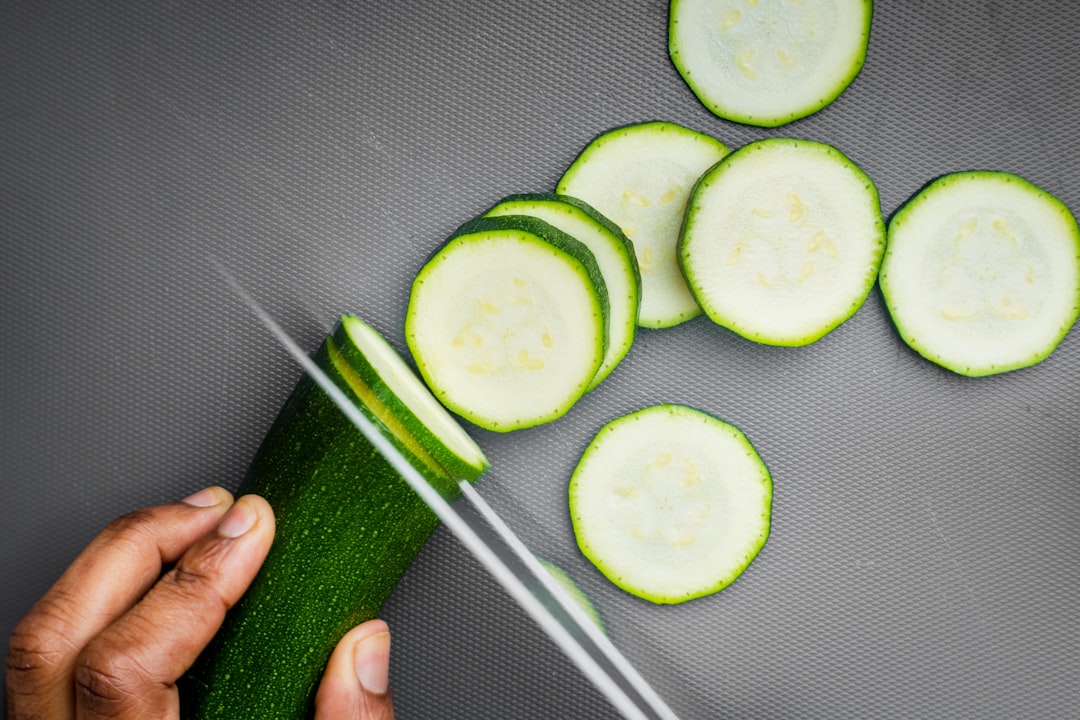
You bought a big bag of cucumbers at the farmers market, used a few slices for your salad, and now the rest are sitting in the fridge slowly going soft. Sound familiar? Freezing seems like the obvious fix — but cucumbers are not quite like other vegetables, and tossing them in the freezer without a plan usually leads to disappointment.
The short answer is yes, you can freeze chopped cucumber. Whether you have English cucumbers, mini cucumbers, or any other variety, cucumbers can be frozen, making it easy to store them when you have too many. But the longer answer involves a few important caveats about texture, method, and how you plan to use them afterward. This guide walks you through everything you need to know so you get results worth the freezer space.
Can You Freeze Cucumber?
Cucumbers have a high water content — they are ninety-five percent water — but they do freeze well. That said, freezing works much better for some uses than others. It is advisable to freeze cucumber slices rather than fresh cucumbers whole; whole cucumbers become soggy and lose their flavor once you defrost them.
During freezing, the texture of cucumbers will change, primarily due to their high water content. While they will never be as crisp when frozen and defrosted as they are when fresh, properly preparing and storing frozen cucumbers can help limit the texture change. The key is going in with realistic expectations and using them in the right recipes afterward.
Any kind of cucumber can be frozen — garden cucumbers, English cucumbers, mini cucumbers, and more. Whether it is store-bought cucumbers, a haul from the farmers market, or cucumbers fresh from the garden, this method works for them all. If you grow your own and end up with more than you can eat, freezing is one of the easiest ways to avoid waste. You might also want to explore whole plant-based foods for more ideas on making the most of your fresh produce.
Does Freezing Change the Texture or Taste of Cucumber?
Yes — and it is worth being upfront about this before you freeze a whole batch. Freezing cucumbers destroys their crunchy texture and once defrosted, they become soggy. This is because cucumbers are 96% water, which expands while the cucumber freezes and changes its structure.
Cucumbers contain as much water as most fruits, so freezing expands moisture inside the cell walls and softens cucumber slices. After thawing, frozen cucumbers lose their crunchy bite and may become mushy compared with fresh cucumbers. They usually do not work well in cucumber salad or crisp sandwiches because the texture becomes watery.
The good news is that flavor holds up much better than texture. In terms of taste, cucumbers will retain their taste when frozen and defrosted. Once you defrost frozen cucumbers, their flavor will be identical to fresh; however, the texture will be a little different. But when cooked into dishes or blended up, you cannot tell the difference at all. This makes frozen cucumber genuinely useful — just in a different set of recipes than fresh.
Pro Tip: Think of frozen cucumber as a blending or cooking ingredient from the moment you freeze it. If you go in planning to use it in smoothies, soups, or dips, you will never be disappointed with the results.
How to Freeze Cucumber the Right Way
There are a few solid methods for freezing chopped or sliced cucumber. The one you choose depends on how you plan to use it later. Start by selecting firm, fresh cucumbers without any signs of spoilage, then rinse them under cold water to remove dirt and pesticides. If they are store-bought, use a gentle detergent and soft brush to remove the wax that growers apply to preserve moisture content.
Method 1: Flash-Freeze on a Baking Sheet
This is the best method for chopped or sliced cucumber you plan to use in smoothies, soups, or other blended recipes. Wash and dry the cucumbers thoroughly, then slice or chop them into the desired size. Lay the cucumber pieces on a baking sheet in a single layer and place them in the freezer until they are solid. Once frozen, transfer the cucumber pieces to an airtight container or a freezer bag, removing as much air as possible to prevent freezer burn.
Ensure that the cucumber slices remain separate while flash freezing before storing for the longer term. That way, you avoid the pieces sticking together in one large clump. After a couple of hours, and up to 24, remove the tray and transfer the now-frozen slices into a freezer-proof zip-top bag.
Method 2: Freeze in a Brine
If you want frozen cucumber that retains more texture and can be used almost like a quick pickle, the brine method is worth the extra effort. Put the cucumber slices into a large bowl with sliced onions and two tablespoons of salt and mix well. Let them sit for two hours, then wash with cold water. Drain and transfer to another clean bowl, then add oil, vinegar, and sugar — about two-thirds cup of each — along with one teaspoon of celery seeds.
Add the cucumbers and brine to freezer bags, glass jars, or other airtight containers. Be sure to leave one inch of headspace. Freeze the cucumber slices, and wait at least one week before you defrost and eat them for the best flavor. Brine-frozen cucumbers can be used pretty much any way you use regular cucumbers — they really do retain their crunch quite well.
Method 3: Freeze as a Puree
Another smart way to preserve cucumbers is by pureeing them, then freezing the liquid. First, rinse the cucumbers — no need to dry them. Slice off any stems or tough ends, then chop into a few large pieces. Add to a blender with a splash of water, and blend until liquidy and frothy.
You can add lemon juice to the pureed cucumbers before you pour them into ice cube trays, then place the trays in the freezer. Later, you can use these cubes to enhance drinks, cold soups like gazpacho, or other recipes. Once totally frozen, pop them out and store them in a zip-top bag so you can thaw a little bit at a time, as needed.
Pro Tip: Label every bag or container with the date and method (e.g., “chopped cucumber — flash frozen — June 2026”). Cucumber puree in particular shows no visual spoilage signs until it is well past its prime, so dating your packages is a simple habit that protects you.
How Long Can You Freeze Cucumber?
Storage time depends on the method you use. Cucumbers can last in the freezer for six to nine months if you prepare them properly. When stored properly — in an airtight, freezer-proof container — frozen cucumbers will last for up to nine months.
Some sources note a shorter window for best quality. For best quality, use frozen cucumbers within 8 to 12 months. Use them within 3 months for the freshest flavor, as the flavor can degrade the longer they are frozen. The safest approach: aim to use them within three to six months for the best taste, and treat anything beyond nine months as a quality decline rather than a safety concern.
| Freezing Method | Recommended Use-By Window | Best For |
|---|---|---|
| Flash-frozen slices or chunks | 3–9 months | Smoothies, soups, infused water |
| Brine-frozen slices | Up to 12 months | Quick pickles, salads (brine method only) |
| Pureed and frozen in ice cubes | Up to 6 months | Drinks, gazpacho, dips, sauces |
Maintain a consistent freezer temperature of 0°F (-18°C) or below to keep your frozen cucumber at peak quality throughout its storage window. The USDA advises that proper freezing temperatures of 0°F (-18°C) or below are essential for maintaining food quality and safety over time.
How to Thaw Frozen Cucumber
Thawing is where a lot of people make avoidable mistakes. The method matters both for food safety and for getting the best results from your frozen cucumber.
To thaw frozen cucumbers, place the slices in a large bowl and allow them to thaw in the refrigerator for six to eight hours. Drain the cucumber slices and use them for cucumber salad, cucumber soup, or other cucumber recipes. Avoid thawing cucumbers at room temperature, which would expose them to bacteria — or in your microwave, which will make them mushy.
If you are adding frozen cucumber to a smoothie or blended soup, you do not need to thaw at all. If adding frozen cucumbers to the blender to make cucumber soup or smoothies, you can generally add them frozen without needing to defrost. The same goes for cucumbers that have been frozen for use in drinks.
Once defrosted, gently pat them dry with a paper towel to remove excess moisture. This step makes a real difference if you are using them in a dip like tzatziki, where extra water would thin out the final product.
Important Note: Never thaw cucumber at room temperature for more than two hours. Thawing cucumbers at room temperature for more than two hours is a food safety concern, as bacteria can multiply rapidly at warmer temperatures.
Can You Refreeze Cucumber After Thawing?
This is a straightforward one: no. Refreezing thawed cucumbers is not recommended. The additional freezing and thawing cycles will further degrade their already compromised texture, making them even less appealing for culinary use.
Refreezing is not recommended because quality and texture degrade significantly with repeated freezing and thawing. It is generally not safe to refreeze cucumbers that have been thawed using the cold water or microwave methods, as the internal temperature will border the food safety danger zone.
The practical solution is to freeze cucumber in small, single-use portions from the start. When cucumbers freeze individually before being stored together, they do not stick together in one big mass — and you can remove as many as you want each time. Freezing in ice cube trays or small zip-top bags works especially well for this.
How to Use Frozen Cucumber (Best Uses After Freezing)
Frozen cucumber really earns its place in the kitchen when you match it to the right recipes. Leave the crudite platter and ranch-drenched salad for the fresh cucumbers. Frozen cucumbers really thrive in saucy, soupy, or blended recipes. Here are the best ways to put them to work:
- Smoothies and green juices: Try adding frozen cucumber slices to a fruit smoothie or green smoothie. The cucumber will increase the smoothie’s water content and lend a soft cucumber flavor to the beverage.
- Cold soups: Any variety of gazpacho will benefit from the sweet, juicy freshness of a cucumber. Frozen cucumber puree cubes are especially convenient here.
- Tzatziki and dips: You can thaw, drain, and chop the cucumber to add to Greek yogurt along with lemon juice, olive oil, garlic, dill, and salt to make tzatziki, a dip that pairs well with pita bread and veggies.
- Infused water: Because cucumber’s flavor is not diminished by freezing, it is ideal for using frozen cubes in the summer heat to add freshness to a glass of water.
- Relishes and chutneys: The soft texture of thawed cucumber works well in cooked relishes or sweet-and-sour chutneys.
- Cucumber cream cheese dip: Blend frozen cucumber slices and fresh herbs into cream cheese for a creamy dip.
Because cucumbers are low in calories and rich in nutrients including vitamin C, vitamin K, and magnesium, they make a smart addition to health-focused recipes. If you are interested in how specific foods support your body, check out this guide to superfoods for a healthy heart or learn about powerful nutrients and foods that fight cancer.
Signs That Frozen Cucumber Has Gone Bad
Even properly frozen food can spoil or degrade past the point of usefulness. Even when properly stored, it is important to check frozen cucumbers for signs of spoilage. If the cucumbers have developed dark spots or have turned a different color, they might be spoiled.
Here is what to look for before you use frozen cucumber:
- Color changes: If the cucumbers have developed dark spots or have turned a different color, they might be spoiled.
- Slimy texture after thawing: While frozen cucumbers will be softer than fresh ones, they should not be mushy or slimy when thawed.
- Off smell: An off or sour smell is a clear sign that the cucumbers are no longer good.
- Freezer burn: White, dry, or papery patches on the surface indicate freezer burn. The cucumber is still safe to eat, but the flavor and texture will be noticeably worse. Use airtight containers or heavy-duty freezer bags and remove as much air as possible to prevent freezer burn.
- Puree discoloration: Discard puree showing pink discoloration, sour odor, or gas bubbles — these are signs of spoilage.
When in doubt, throw it out. Frozen cucumber is inexpensive and easy to replace, and it is not worth the risk of using something that has gone off. For more on how food choices affect your health, the foods you need to avoid and foods that support liver function are worth a read.
Frequently Asked Questions
Can You Freeze Cucumber for Smoothies?
Frozen cucumbers retain their nutritional value and are perfect for adding a cool, refreshing touch to smoothies. While their texture changes and becomes softer, this does not affect their use in blended drinks. You can add them directly from the freezer without thawing first.
Do You Need to Peel Cucumber Before Freezing?
Depending on your preference, you can peel the cucumbers or leave the skin on. Peeling is a good idea if the skin is thick or waxed, especially on store-bought cucumbers. For smoothies and purees, peeling first produces a smoother result.
Can You Freeze Cucumber Salad?
While you can technically freeze cucumber salad, it is not recommended. The result probably will not be satisfactory as the texture and flavor will be compromised upon defrosting. Your best bet is to eat cucumber salad fresh and freeze the cucumbers on their own before dressing them.
How Long Does Fresh Cucumber Last in the Fridge?
A cucumber lasts about one week in the refrigerator in the produce bin. If you know you will not use it within that window, freezing right away — while it is still firm and fresh — gives you the best frozen results.
Can You Freeze Cucumber With the Seeds?
You can, but removing the seeds before freezing is worth the extra minute. Seeds hold a lot of moisture, and removing them reduces the wateriness of the thawed cucumber. This is especially helpful if you plan to use the cucumber in a dip or sauce where extra liquid would be a problem.
Is Frozen Cucumber Still Nutritious?
Frozen cucumbers keep most nutrients, though the texture softens after defrost because high water content breaks the cell walls. The nutritional profile — including vitamin C, vitamin K, and hydration benefits — remains largely intact. For more on foods that support your wellbeing, explore this guide to foods for healthy skin and foods that promote healthy eyesight.
What Is the Best Cucumber Variety to Freeze?
Younger, smaller cucumbers often have fewer seeds and firmer flesh, which can translate to slightly better results after freezing. The puree technique works best with seedless cucumbers because they are less bitter, but it can be done with any type. Persian cucumbers and English cucumbers are both solid choices for freezing.
Freezing chopped cucumber is a practical move when you have more than you can use before they go soft. The trick is matching the method to your intended use — flash-freeze for blending, brine for a pickle-like result, or puree for the most versatile frozen cubes. Keep portions small, label everything with a date, and plan to use them within six months for the best flavor. With a little planning, your freezer can keep cucumbers useful well past their fresh shelf life. You might also enjoy reading about fibroid healing foods or browsing our guide to whole plant-based foods for more ways to make fresh produce work harder for you.