Can You Freeze Fruit in Mason Jars? (Yes — Here’s How to Do It Right)

October 25, 2026
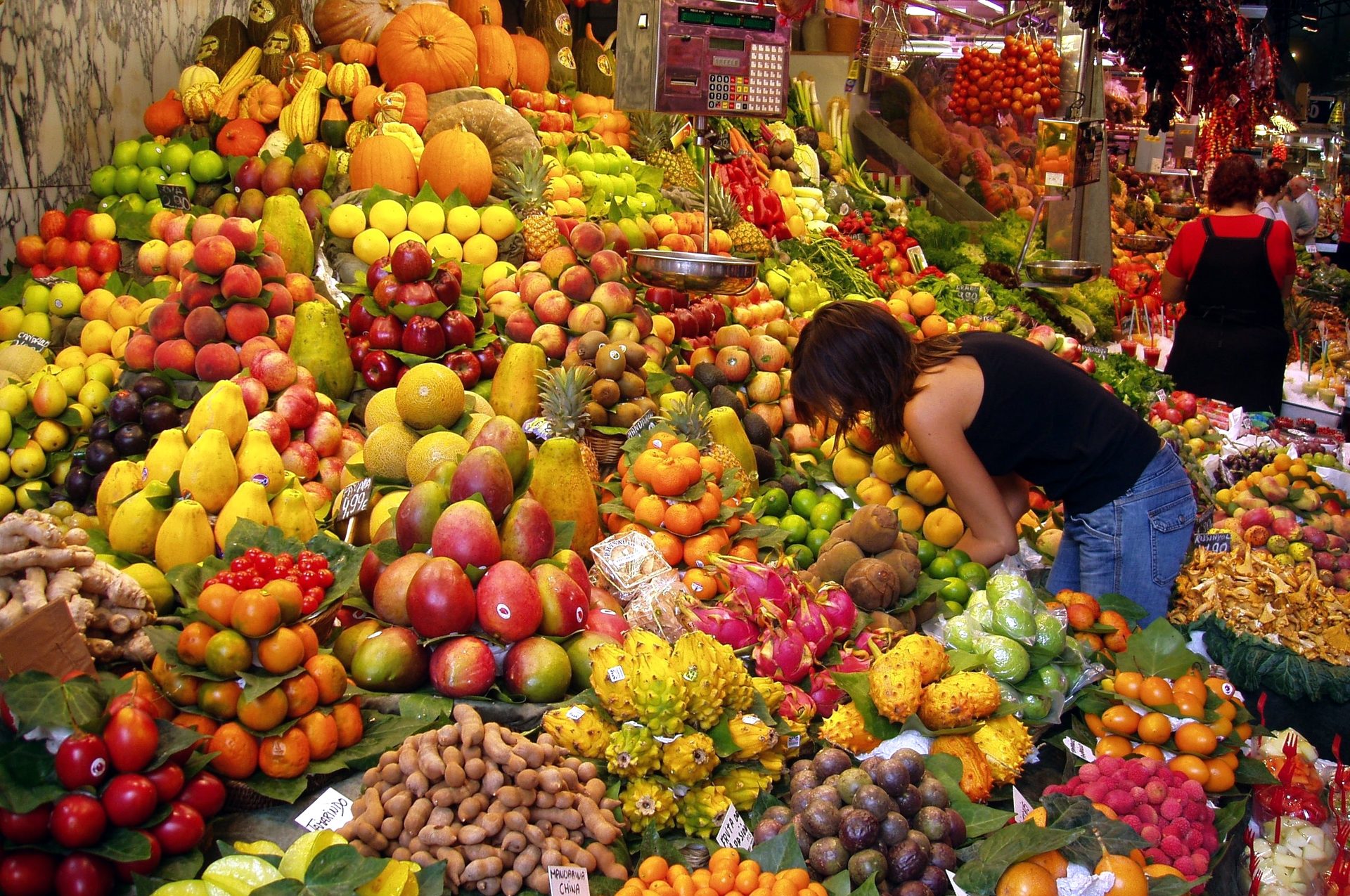
Freezing fruit in mason jars is one of the simplest ways to preserve a summer haul of strawberries, blueberries, peaches, or mangoes — without reaching for a single plastic bag. If you’ve ever stood at a farmers market with more fruit than your fridge can handle, mason jars are a practical solution sitting right in your cabinet.
The short answer is yes, you absolutely can freeze fruit in mason jars. But there are a few things you need to get right first — mainly the jar type, headspace, and temperature handling — or you risk cracked glass and a freezer mess. This guide walks you through everything, from prep to thawing to knowing when frozen fruit has gone bad.
Can You Freeze Fruit in Mason Jars?
Freezing is one of the easiest food preservation methods out there, and yes, you absolutely can freeze food in mason jars — but there are some essential steps you need to take to prevent complications such as jars shattering. The good news is that fruit is one of the more forgiving things to freeze in glass, since whole berries and chopped pieces expand less dramatically than liquids like broth or soup.
Fruits like berries, sliced peaches, and applesauce freeze well in mason jars. The key is choosing the right jar and leaving enough room for expansion. Freezing food in Mason jars is an easy, economical, and environmentally-friendly approach to preserving freshness.
Not all jars are freezer-safe. Jars with tapered sides or straight sides are freezer safe; shoulder jars are not. This is the single most important rule before you freeze anything in glass. If you’re not sure whether your jar has shoulders, look at the upper portion — if the sides curve inward before reaching the lid, that’s a shoulder jar, and it’s a breakage risk.
Pro Tip: Wide-mouth Ball or Kerr pint jars are the go-to choice for freezing fruit in the US. Many of them have a “For Freezing — Fill Here” line embossed near the top so you never have to guess about headspace.
Does Freezing Change the Texture or Taste of Fruit?
Fruits can get tricky. Because most of them have very high water content, freezing usually causes the cell wall to break, resulting in a thawed product that has lost most of its original texture. This is normal and expected — it’s not a sign that something went wrong.
The flavor of most fruit holds up well after freezing. Sweetness, tartness, and aroma are largely preserved, especially if you freeze fruit at peak ripeness. Freezing cannot improve the flavor or texture of any food, but when properly done it can preserve most of the quality of the fresh product.
Some fruits handle freezing better than others. Not all produce freezes equally. High-water-content fruits and vegetables, like cucumbers, lettuce, or watermelon, may become mushy when thawed. Berries, cherries, mango chunks, and sliced peaches tend to hold up much better. In a pinch, fruits that lose texture can still be used for jams, sauces, smoothies, and things that don’t rely on the texture characteristics of the raw fruit.
If preserving some texture matters to you, flash freezing before jarring makes a real difference. When fruits are frozen, the water inside their cells forms crystals, which, if frozen rapidly, minimizes cellular damage and preserves the fruit’s structural integrity. This method maintains much of the fruit’s original texture, flavor, and nutritional value, including vital vitamins and antioxidants.
How to Freeze Fruit in Mason Jars the Right Way
Following a clear process protects your jars and your fruit. Here’s the step-by-step method that works consistently.
- Choose the right jar. Only use wide-mouth or straight-mouth jars. As the food in your jar freezes, it will expand slightly, putting a lot of pressure on the glass container. If it’s a standard-mouth mason jar with “shoulders,” those curves are weaker spots in the glass and the jar will be more prone to break. Wide mouth jars are best.
- Inspect the jar. Avoid any jar with cracks, chips, or flaws, as these are guaranteed failure points.
- Wash and dry your fruit thoroughly. Pat it dry with a clean towel to reduce excess moisture, which can cause ice crystals and freezer burn.
- Flash freeze first for loose pieces. If you like fruits like blueberries, peach slices, or raspberries to keep some of their shape rather than becoming a clump, the best way is to lay them out on a tray and flash freeze them. This way, you can pull a handful of pieces out as you need them instead of thawing out the entire batch.
- Transfer to jars and leave headspace. For semi-solids or foods with some air like chopped fruit or purees, leave at least ½ inch of headspace. For solid foods like berries, headspace is less critical but still recommended at ¼ inch.
- Cool any cooked fruit completely. Never place a hot or even warm jar directly into a freezer. The drastic temperature drop from around 200°F to 0°F is a recipe for thermal shock. Always allow your filled jars to cool completely to room temperature on a counter or trivet.
- Label every jar. Add a label with a date so you remember what’s inside and how long it’s been in the freezer.
- Place jars in the freezer with space between them. Don’t cram jars into the freezer. Leave space between the jars and other items or the freezer sides so that they don’t touch other frozen objects, as the varying temperatures can cause problems.
- Stack only after fully frozen. Stack only after food is completely frozen.
Pro Tip: Skip metal lids for long-term freezer storage. Metal lids and rings will work fine for sealing the jars, but they do tend to rust when used as freezer storage, eventually becoming unusable. Plastic lids have no such problem and can be reused over and over again.
Fruit high in water content — like sliced peaches or mangoes — benefits from a light toss in lemon juice before jarring. Whole berries, sliced peaches, or apples tossed in lemon juice to prevent browning are all good candidates for mason jar freezing. This is especially useful for stone fruits that can oxidize and turn brown during storage. You can also explore whole plant-based foods for more ideas on preserving nutrient-rich produce at home.
How Long Can You Freeze Fruit in Mason Jars?
Frozen fruit can last 8–12 months in the freezer as long as you maintain a constant temperature and keep it fully frozen. That said, quality varies by fruit type and how well the jar is sealed.
| Fruit Type | Best Quality Window | Notes |
|---|---|---|
| Berries (blueberries, raspberries, strawberries) | 8–12 months | Flash freeze first for best results |
| Sliced peaches / nectarines | 8–12 months | Toss in lemon juice to prevent browning |
| Mango / pineapple chunks | 6–10 months | Higher moisture; use within 10 months for best flavor |
| Applesauce / fruit purees | 8–12 months | Leave at least ½ inch headspace |
| Watermelon / melon | 3–6 months | Becomes mushy; best used in smoothies only |
According to USDA and FDA guidelines, most frozen fruit remains safe to eat indefinitely if kept at a consistent temperature of 0°F (-18°C) or below. However, for best quality in terms of taste, color, and texture, it’s ideal to consume frozen fruit within 6 to 12 months.
The shelf life of frozen fruits depends on various factors. To maintain the best quality you should store them at 0°F or lower. Keeping your freezer from fluctuating — by not leaving the door open too long or overloading it — makes a significant difference in how long your fruit stays good. For more on foods that support your health, see this guide to superfoods for a healthy heart.
How to Thaw Frozen Fruit from Mason Jars
Thawing properly protects both the glass and the fruit. The biggest mistake people make is rushing the process.
Take the mason jar out of the freezer and place it in the fridge to slowly thaw out. Never microwave a frozen mason jar. If you’re really in a rush, remove the lid and place the jar in a bowl of warm water. The bowl of warm water method works well for fruit jars since the contents are less dense than soups or broths.
To prevent breakage, move jars from the freezer to the fridge for a few hours before using. For most fruit, a few hours in the refrigerator is all it takes. Overnight is even better for larger jars.
Once thawed, use the fruit within 2–3 days and keep it refrigerated. For recipes that cook the fruit, such as baking or making sauces, fruits can often be used directly from the freezer. Be mindful that thawed fruits may not retain the same texture as fresh fruits, making them more suitable for cooked dishes, smoothies, or as toppings.
Important Note: Never place a frozen glass jar on a hot surface or run it under very hot water. The sudden temperature change can cause thermal shock and crack the glass even after the jar has been safely frozen.
Can You Refreeze Fruit After Thawing?
This is one of the most common questions about frozen fruit, and the answer requires some nuance.
Avoid thawing and refreezing, as it degrades quality and increases bacterial risk once thawed. Every freeze-thaw cycle breaks down the fruit’s cell structure further, which means softer, mushier texture and diminished flavor each time.
It’s important to keep the fruit constantly frozen and not repeatedly thaw and refreeze it. If you’ve thawed a jar and find you don’t need all of it, the safest approach is to use the remainder within a day or two rather than refreezing.
The best way to avoid this situation entirely is to freeze fruit in single-use or small-portion jars from the start. Freezing in small, one-use portions means you only thaw what you need, and the rest remains untouched. This practice is especially helpful for smoothies, baking, or making individual desserts. Half-pint (8 oz) and pint (16 oz) wide-mouth jars are ideal for this purpose.
How to Use Frozen Fruit After Freezing
Once you know that texture changes are part of the deal, frozen fruit becomes incredibly versatile in the kitchen. The softer consistency that results from freezing actually works in your favor for many applications.
- Smoothies: Frozen fruit goes straight from jar to blender. Berries, mango, peaches, and mixed fruit all blend beautifully without any thawing required.
- Baked goods: Muffins, cobblers, crisps, and pies all work great with frozen fruit. No need to thaw — just fold the pieces in and adjust bake time slightly.
- Jams and preserves: Fruits frozen for jams, sauces, and smoothies don’t rely on the texture characteristics of the raw fruit, making previously frozen fruit a great starting point for homemade preserves.
- Oatmeal and yogurt toppings: Thaw in the fridge overnight and spoon over oatmeal, Greek yogurt, or overnight oats in the morning.
- Sauces and compotes: Simmer thawed fruit with a little sugar and lemon juice for a quick topping for pancakes, waffles, or ice cream.
- Frozen desserts: Use directly from the freezer to make granita, sorbet, or blended “nice cream” with frozen bananas.
Frozen fruit pairs well with a variety of healthy ingredients. If you’re building nutritious recipes around your frozen stash, check out this overview of foods for healthy skin or explore powerful nutrients and foods that fight cancer for more ideas on making the most of fruit-forward eating.
Signs That Frozen Fruit Has Gone Bad
Frozen fruit that has been stored too long or improperly stored will show clear signs before you even taste it. Here’s what to look for:
- Freezer burn: White or grayish patches on fruit surfaces are a sign of freezer burn. Freezer burn affects texture and taste, not safety. The fruit is still edible but will taste dry and bland.
- Excessive ice crystals: If you notice large ice crystals forming inside the jar, it’s a sign that moisture has been drawn out of the fruit, usually due to frequent thawing and refreezing or poor packaging. This can make the fruit taste watery or bland and destroy its original texture.
- Color changes: Color is a clue. Good frozen fruit should still have a vibrant hue. If it has turned dull, brownish, or uneven in tone, it often means oxidation or long-term freezer exposure.
- Off smell: An unpleasant sour or chemical-like smell after thawing is a sign the fruit has degraded and should be discarded.
- Excessively mushy texture after thawing: Excessively mushy fruit after thawing beyond what’s normal for the fruit type can indicate quality loss from improper storage or age.
Your food might experience some freezer burn since there is a decent amount of oxygen exposure in the top inch of the jar. This is a known trade-off with mason jar freezing versus vacuum-sealed bags. Keeping headspace to the minimum required — and using plastic lids that seal well — helps reduce this. For a deeper look at how nutrition and food quality intersect, see this guide to fibroid healing foods and this resource on foods that enhance liver function.
Frequently Asked Questions
Can You Freeze Fruit Directly in Mason Jars Without Flash Freezing First?
Yes, you can skip flash freezing for fruit purees, applesauce, or small berries that you plan to use all at once. If you know you’ll be using the fruit for jams, sauces, or smoothies, you can quickly pack fruit directly into a mason jar or bag. Flash freezing is most useful when you want individual pieces that don’t clump together.
What Size Mason Jar Is Best for Freezing Fruit?
Stick to pint (16 oz) or half-pint (8 oz) sizes for liquids. Larger quart jars can be used for items with less liquid content like chopped fruit or pre-portioned meals, but always leave ample headspace. For everyday use, pint jars are the most practical — easy to stack, easy to thaw, and the right size for a single recipe.
Can You Use Old Store-Bought Jars to Freeze Fruit?
While glass is generally the way to go, repurposing off-brand jars for freezing is not recommended. Jars that hold store-bought goods like jam, olives, and pickles are generally made of thinner glass than Mason jars, making them more likely to break in the freezer. Stick with brand-name mason jars designed for home preservation.
Does Frozen Fruit Lose Its Nutritional Value?
Freezing preserves most of the nutritional value in fruit, especially when done quickly after harvest. Fresh fruit that is flash-frozen maintains the most nutrients. Some water-soluble vitamins like vitamin C may decrease slightly over time, but frozen fruit remains a nutritious option throughout the storage window. Learn more about eating for health with this resource on foods that promote healthy eyesight.
Can You Freeze Fruit Juice in Mason Jars?
Yes, you can freeze juices after opening, but make sure the liquid level is below the shoulders of the jar. Juice expands significantly when frozen, so use straight-sided jars and leave at least 1 inch of headspace. Garden Betty’s guide to freezing liquids in mason jars covers this in detail.
How Do You Prevent Mason Jars from Breaking in the Freezer?
Breakage usually occurs due to overfilling, rapid temperature changes, or using jars with shoulders. Avoid all three: use wide-mouth straight-sided jars, leave proper headspace, and never put warm or hot jars directly into the freezer. For an extra layer of safety, you can refrigerate cooled jars for an hour before transferring them to the freezer.
Freezing fruit in mason jars is a habit worth building — especially if you buy in bulk at the farmers market or grow your own. With the right jar, proper headspace, and a little patience during thawing, you’ll have great-quality fruit ready whenever you need it. For more food storage and healthy eating ideas, explore the benefits of avocado fruit and seeds or browse tips on the pros and cons of eating seafood.