Can You Freeze Canned Milk After Opening? What You Need to Know

October 24, 2026
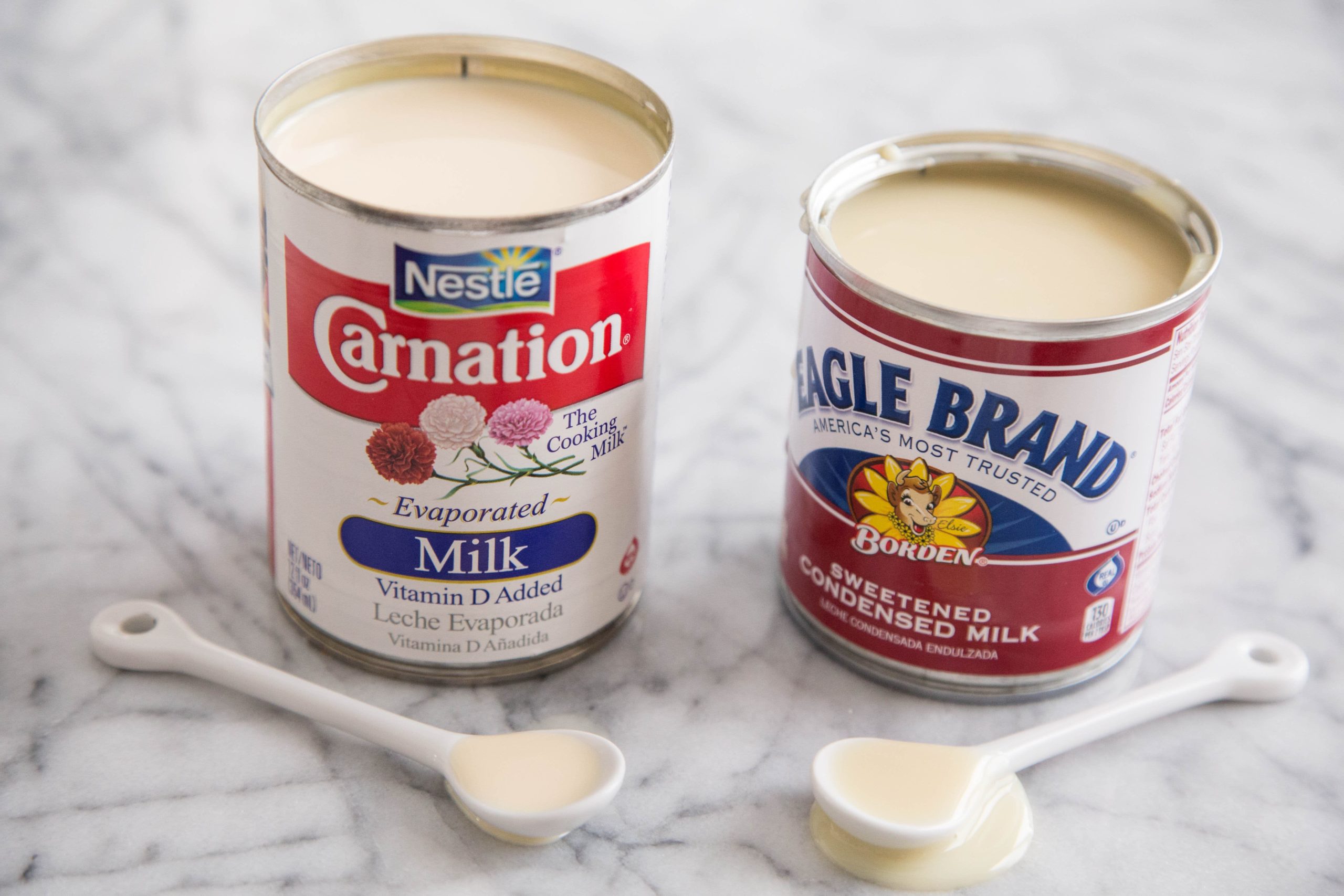
You cracked open a can of evaporated milk for a soup recipe and now have half a can left with no immediate plans for it. Sound familiar? This is one of the most common food waste scenarios in American kitchens, and the good news is that freezing is a real option — with a few important caveats depending on which type of canned milk you have.
Whether you’re working with evaporated milk, sweetened condensed milk, or canned coconut milk, the rules differ slightly for each. This guide walks you through everything you need to know about freezing opened canned milk safely, including how to do it right, what to expect when you thaw it, and the best ways to put it to use afterward. If you want to make the most of your pantry staples and cut down on waste, keep reading.
Can You Freeze Canned Milk?
The short answer is yes — but you should never freeze canned milk while it’s still inside the metal can. You should never freeze it in a can because this may damage the container. The liquid expands as it freezes, which can warp or rupture the seam of the tin.
Once you transfer the milk to a proper container, freezing becomes a practical and safe storage method. The specific rules, however, depend on which type of canned milk you’re working with:
- Evaporated milk: Yes, you can freeze evaporated milk so it doesn’t go to waste. It does separate during freezing, but it remains usable for cooking and baking.
- Sweetened condensed milk: Condensed milk can be frozen, although it will not freeze solid due to its high sugar content. This means it does not need to be thawed after usage, although the texture does thicken and becomes more viscous after freezing.
- Canned coconut milk: Yes, coconut milk can be frozen for 4–6 months. However, freezing causes texture changes that make it less suitable for some applications, though it remains safe to consume.
One important note: freeze only leftover evaporated milk. Freezing it unopened isn’t safe, plus it doesn’t really make sense — unopened evaporated milk lasts quite a long time. The same logic applies to all canned milk varieties — if the can is still sealed, store it in your pantry and save the freezer space for opened leftovers.
Pro Tip: Always transfer opened canned milk to a freezer-safe container before freezing. Freezing milk inside the original metal can is unsafe and can damage the container.
Does Freezing Change the Texture or Taste of Canned Milk?
Texture is where freezing has the most noticeable impact on canned milk. The flavor generally holds up well, but the appearance after thawing can catch you off guard if you’re not expecting it.
For evaporated milk, separation is the main issue. Freezing evaporated milk can lead to a change in its texture. It may separate into watery and creamy parts, which can make it grainy or lumpy. However, this can often be remedied with a vigorous shake or whisk after thawing, and it’s still suitable for most recipes, especially where the milk will be cooked or blended.
Evaporated milk does freeze well, but texture changes may occur. This should not affect the taste and can often be corrected by blending or whisking after thawing. So while it won’t look perfect straight out of the freezer, a quick blitz with a blender or an immersion blender usually brings it back to a workable consistency.
Sweetened condensed milk handles freezing better than its unsweetened counterpart. The sweetened variety of evaporated milk known as condensed milk freezes much better. The high sugar content lowers the freezing point, so it stays thick and pourable rather than turning into a solid block. Expect it to be slightly thicker than usual, but the taste stays the same.
For canned coconut milk, freezing causes the fats and liquids to separate, resulting in a grainy or curdled appearance once thawed. While this doesn’t affect safety, it does impact the smooth texture that makes coconut milk appealing in many recipes.
The bottom line: frozen and thawed canned milk is best suited for cooked applications, not for drinking or drizzling. Frozen and defrosted milk is best suited for cooking, baking, or making smoothies. It may undergo some changes in texture that make it unpleasant to use as a beverage.
How to Freeze Canned Milk the Right Way
The process is straightforward, but a few simple steps make a big difference in quality. Follow these guidelines regardless of which type of canned milk you’re freezing:
- Transfer out of the can immediately. Pour the leftover milk into a freezer-safe container — glass, hard plastic, or a heavy-duty zip-top freezer bag all work. Never freeze it in the original metal tin.
- Leave headspace. Freeze evaporated milk in an airtight container and leave at least 1/2 inch headspace at the top, as milk will expand when frozen. This applies to all canned milk types.
- Freeze in portions. Freeze the milk in several smaller portions to avoid having to defrost the entire container — ice cube trays work well instead of large containers. This is especially useful if your recipes only call for a few tablespoons at a time.
- Label with the date. Labeling your containers helps keep track of when they were frozen. Write the type of milk and the freeze date clearly on the container.
- Freeze promptly after opening. Freeze within 48 hours of opening for optimal microbial safety and sensory quality. Don’t let opened canned milk sit in the refrigerator for days before deciding to freeze it.
- Keep your freezer at 0°F (−18°C) or colder. Maintain −18°C (0°F) or colder. Fluctuations greater than ±2°C increase ice recrystallization, worsening texture degradation.
Pro Tip: Freeze canned milk in ice cube trays first, then transfer the frozen cubes into a labeled zip-top freezer bag. Each cube holds roughly 2 tablespoons — a handy portion size for soups, sauces, and baking recipes.
How Long Can You Freeze Canned Milk?
Storage times vary slightly by type, but all frozen canned milk has a practical window before quality starts to slip. Here’s a quick reference:
| Type of Canned Milk | Recommended Freezer Time | Notes |
|---|---|---|
| Evaporated milk | 3–6 months | Use within 3 months for best texture; safe indefinitely at 0°F |
| Sweetened condensed milk | Up to 3 months | Won’t freeze solid; stays thick and pourable |
| Canned coconut milk | 4–6 months | Expect separation; best used in cooked dishes after thawing |
For evaporated milk specifically, the freezer time shown is for best quality only — evaporated milk that has been kept constantly frozen at 0°F will keep safe indefinitely. That said, quality does decline over time, so aim to use it within the recommended window. Use frozen evaporated milk within 6 months for best results.
For sweetened condensed milk, you can freeze it in a clean airtight container (note that it will not freeze solid due to the sugar content) for up to 3 months. Canned coconut milk falls in a similar range — coconut milk can be frozen for 4–6 months without significant quality loss.
No matter the type, always check the milk after thawing before using it. If it smells off or looks discolored beyond normal separation, discard it.
How to Thaw Frozen Canned Milk
Thawing properly is just as important as freezing correctly. The wrong method can affect both texture and food safety.
Refrigerator thawing (recommended): Thaw frozen evaporated milk in the refrigerator and shake or whisk vigorously (or use a blender) to thoroughly blend the milk before using. Plan ahead — this can take several hours or overnight depending on how much you’ve frozen.
For sweetened condensed milk: Thaw the milk overnight in the fridge. If it separates slightly, a brief whisk or a vigorous shake in a tightly sealed container should make it smooth again.
Quick thaw option: If you’re short on time, submerge your frozen milk (in an airtight container) in a bowl of cold water placed in the fridge. This speeds things up while keeping the temperature safe.
Cooking directly from frozen: If you plan to use frozen milk in your cooking, you may thaw it directly in the pan while cooking. This works well for soups, sauces, and stovetop recipes where the milk will be heated through anyway.
Important Note: Never thaw canned milk on the kitchen counter at room temperature. To prevent the formation of harmful pathogens, it is best to thaw milk in the refrigerator rather than at room temperature.
Once thawed, use the milk within two to three days and keep it refrigerated. Don’t let thawed canned milk sit out for extended periods.
Can You Refreeze Canned Milk After Thawing?
Technically, refreezing is possible — but it’s not a good idea. While it’s technically safe to refreeze evaporated milk, each freeze-thaw cycle may further degrade the texture and quality. For the best results, it’s advisable to only thaw what you need and avoid refreezing.
For sweetened condensed milk, the same principle applies. One thing to definitely not recommend is to refreeze thawed evaporated milk, as this can affect its texture, quality, and it can also go off quicker.
The best way to avoid the refreezing problem entirely is to freeze canned milk in small, recipe-sized portions from the start. When you freeze in ice cube trays or small containers, you only thaw exactly what you need — no leftovers, no waste, no temptation to refreeze.
If you do find yourself with thawed canned milk you can’t use right away, put it to work in a quick recipe rather than putting it back in the freezer. Soups, sauces, mashed potatoes, and baked goods are all easy options that come together fast. You can find inspiration in these creative uses for canned foods that go beyond the basics.
How to Use Frozen Canned Milk (Best Uses After Freezing)
Thawed canned milk works best in recipes where it gets cooked, blended, or mixed into a batter. The texture changes that happen during freezing become essentially invisible once the milk is incorporated into a dish. Here are the best applications for each type:
Evaporated milk shines in cooked and baked recipes after thawing. The milk might look a little separated, but it’s perfectly fine to use in soups, creamy dishes, baking, and more. Think mac and cheese, pumpkin pie filling, cream-based soups, mashed potatoes, and custards. It also works as a coffee creamer in a pinch — evaporated milk can be used as a creamer in coffee or tea, or as a substitute for cream in savory dishes such as soups, stews, and sauces.
Sweetened condensed milk holds up especially well after freezing and can go straight into desserts, baked goods, and beverages. Use it in fudge, key lime pie, tres leches cake, caramel sauce, or Vietnamese iced coffee. Because it stays pourable even when frozen, you can sometimes use it directly from the freezer in small amounts without thawing fully.
Canned coconut milk is ideal for curries, soups, smoothies, and baked goods after freezing. For best results when freezing, pour coconut milk into ice cube trays for portion control, or freeze in measured amounts that match your typical recipe needs. This makes it easy to grab exactly the right amount for a Thai curry or a coconut-based sauce without thawing a whole container.
Eating well starts with making smart use of what’s already in your pantry. If you’re looking to build a more nutrition-focused kitchen, explore how certain foods support heart health or discover the benefits of whole plant-based foods for everyday cooking.
Key Insight: Avoid using thawed canned milk as a straight beverage or in cold, uncooked preparations like drizzles and no-bake dessert layers. The texture won’t be smooth enough. Stick to recipes where the milk gets heated or fully blended.
Signs That Frozen Canned Milk Has Gone Bad
Separation and a slightly different appearance are normal after freezing — those alone don’t mean the milk has spoiled. But there are specific signs that tell you it’s time to toss it.
For evaporated milk, you can tell if evaporated milk has gone bad. Signs of spoilage include an off smell, a sour taste, and a thicker or lumpy texture. The milk can also go darker in color — from a light creamy color to a darker caramel color — which definitely means that the milk is not right and most likely has gone off.
If the milk has been stored improperly or for too long, it may also develop mold or bacterial growth, which can be dangerous to consume. If you notice any of these signs, it is best to discard the milk.
For all types of canned milk, watch for these red flags after thawing:
- Sour or rancid smell — fresh canned milk has a mild, slightly sweet or neutral scent
- Unusual color — yellowing, browning, or any visible discoloration beyond normal cream tones
- Mold — any fuzzy growth means discard immediately, no exceptions
- Curdled texture that won’t blend out — normal separation responds to whisking; true spoilage doesn’t
- Off taste — if it tastes sour, bitter, or “wrong,” don’t use it
Also check the original can before you even open it. Always check can condition — no bulging, rust, or leaks — and perform a sensory check (smell, color, texture) before use. A damaged can is a reason to discard before freezing ever comes into the picture.
For canned coconut milk specifically, check for visual changes (discoloration, mold), smell for off odors (sour, rancid), feel for texture changes (slimy, chunky), and taste small amounts if other indicators are unclear.
If you’re interested in how food choices connect to broader health outcomes, it’s worth reading about foods that may carry health risks and nutrients that support the body’s defenses. Proper food storage is one part of a larger picture of eating well and safely.
Frequently Asked Questions
Can you freeze evaporated milk in the original can?
No. Do not freeze evaporated milk in the can. The liquid expands when frozen and can damage or rupture the container. Always transfer to a freezer-safe container first.
How long does opened canned milk last in the refrigerator before you need to freeze it?
To maintain its quality and safety, opened evaporated milk should be transferred to an airtight container and used within five to seven days. For sweetened condensed milk, opened condensed milk lasts about 1–2 weeks in the fridge. If you know you won’t use it within those windows, freeze it promptly.
Will thawed evaporated milk taste different?
Evaporated milk does freeze well, but texture changes may occur. This should not affect the taste and can often be corrected by blending or whisking after thawing. Most people notice no flavor difference in cooked dishes.
Can you freeze canned coconut milk?
Yes. Coconut milk can be frozen, and it may be frozen for up to three months and should be used within three to five days of thawing. Transfer it out of the can first and leave room for expansion.
Is it safe to use thawed canned milk that looks separated?
Frozen evaporated milk will often become separated when frozen, but it is usually acceptable for cooking and baking purposes when reblended. Separation alone is not a sign of spoilage — look for off smells, discoloration, or mold before deciding to discard.
Can you freeze sweetened condensed milk directly from the can?
You need to transfer it first. Sweetened condensed milk can be safely frozen for up to 3 months, but only if transferred to an airtight, freezer-safe container with at least 1/2-inch headspace to accommodate expansion.
What’s the best container for freezing canned milk?
Pour the evaporated milk into a freezer-safe container. Plastic or glass containers or even freezer bags would work. For portion control, ice cube trays are especially useful — freeze the milk in the tray, then transfer the cubes to a labeled zip-top freezer bag.
Good food storage habits connect directly to eating well overall. If you’re exploring how nutrition fits into your daily life, check out resources on foods that support hormonal health, skin-nourishing foods, and foods that support liver function — all areas where what you eat (and how you store it) makes a real difference.