
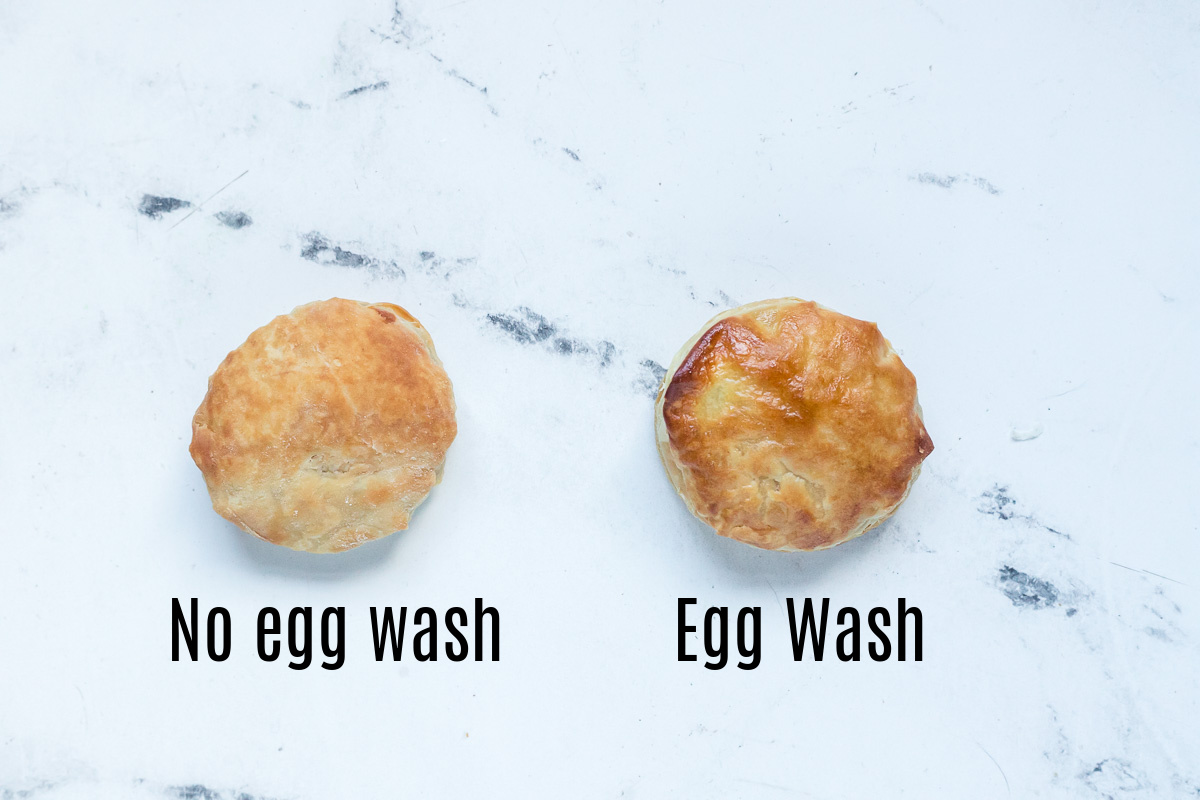
Egg wash is one of those small baking staples that goes a long way — a quick brush gives your pie crusts, dinner rolls, and pastries that golden, glossy finish that looks like it came straight from a bakery. The problem is that most recipes only call for a tablespoon or two, leaving you with most of a beaten egg sitting on the counter wondering what to do with it.
If you bake regularly in the United States, you have probably asked yourself: can you freeze egg wash so nothing goes to waste? The short answer is yes, with some important caveats. Freezing egg wash is possible, but the type of wash you made — whole egg, yolk-only, or white-only — determines how well it holds up and whether it is worth the effort. This guide walks you through everything you need to know.
Can You Freeze Egg Wash?
Yes, you can freeze egg wash, but the results depend heavily on what is in it. Egg wash is when an egg, egg yolk, or egg white is whisked with or without milk and then brushed onto pastries or bread before baking. Each of those components behaves differently in the freezer.
According to the USDA, “It is safe to freeze eggs after removing them from their shells. You can beat yolks and whites together or freeze whites and yolks separately — for up to 12 months.” That guidance covers egg wash made from whole eggs or whites. Yolk-only washes are a different story.
Raw egg yolk undergoes gelation and thickening when frozen, especially at very cold temperatures below 21°F, and retains this gel-like consistency after thawing. This results in undesirable appearance and texture. So if your egg wash is made from yolk and cream alone, freezing it is not recommended without a fix.
The practical takeaway: egg white-based washes freeze well with no special prep. Whole-egg washes freeze adequately with a small additive. Yolk-heavy washes require a stabilizing step — or are better stored in the fridge for short-term use instead.
Pro Tip: If you only have a small amount of leftover egg wash — less than two tablespoons — it is often faster and easier to refrigerate it in an airtight container and use it within 24 to 72 hours rather than going through the freezing process.
Does Freezing Change the Texture or Taste of Egg Wash?
Freezing does affect egg wash, and it is worth understanding how before you decide to freeze a batch. Freezing is an option, but it alters the texture, making it less ideal for brushing. This is especially true for washes that contain a high proportion of yolk.
Egg yolks can gel and become paste-like when frozen. To prevent this, mix a pinch of salt or about 1/3 teaspoon of sugar, depending on whether you plan to use them for savory or sweet recipes, into each egg yolk before freezing — this keeps the proteins in the yolk from thickening up.
Egg whites hold up far better. They lose a little of their foaming power after being frozen, but will beat to their best volume if they rest at room temperature for 30 minutes. For egg wash purposes — where you are brushing and not whipping — this loss of foam power is irrelevant. The wash will still apply smoothly and produce a clean, glossy finish on your baked goods.
Even the best-quality eggs will develop off-flavors if stored improperly. A peer-reviewed study on commercially available eggs found that as eggs age in cold storage, the pH of the albumen and yolk shifts, leading to an increase in free fatty acids and lipid oxidation products — both of which cause off-odors and changes in yolk flavor. This is why proper freezer packaging matters: airtight containers prevent freezer burn and keep the wash tasting neutral.
How to Freeze Egg Wash the Right Way
The method you use depends on whether your wash is whole-egg, white-only, or yolk-heavy. Follow these steps for the best results.
For Whole-Egg or White-Only Washes
- Add a stabilizer if using yolks. To prevent graininess of the yolks, add 1½ tablespoons sugar, 1½ tablespoons corn syrup, or ½ teaspoon salt per cup of whole eggs. For a savory wash, use salt; for sweet pastries, use sugar or corn syrup.
- Mix gently. Thoroughly mix yolks and whites together. Do not over-whip, which incorporates air. A fork or small whisk works fine.
- Portion into an ice cube tray. Another method of freezing a whole-egg mixture is to use ice cube trays. Pour the egg mixture into each compartment of an ice cube tray. Freeze until solid. Each cube equals roughly one tablespoon — a convenient single-use portion for most baking projects.
- Transfer to a freezer-safe container. Remove frozen cubes and package them in moisture-vapor resistant containers. Seal, label, and freeze. Write the date and the type of wash (whole egg, white-only, sweet, or savory) on the label.
- Store at 0°F or below. Store containers at a consistent freezer temperature of 0°F (-18°C) or below for optimum preservation.
For Yolk-Only Washes
Separate eggs and gently stir egg yolks. To prevent graininess, add 1½ tablespoons sugar, 1½ tablespoons corn syrup, or ½ teaspoon salt per cup of egg yolks. Strain yolks through a sieve or colander. Then pack them into small freezer containers with ½-inch headspace, seal, label, and freeze. Keep in mind that even with these steps, a yolk-heavy egg wash may still be slightly thicker after thawing, so you may need to thin it with a small splash of water or milk before brushing.
Pro Tip: Label your frozen egg wash cubes as “sweet” or “savory” based on whether you added sugar or salt. Using a sweet-stabilized wash on a savory pie — or vice versa — can subtly affect the finished flavor of your crust.
How Long Can You Freeze Egg Wash?
Per the USDA, it is safe to freeze eggs after removing them from their shells — for up to 12 months. That ceiling applies to egg wash as well, since it is simply a beaten egg mixture. However, for the best flavor and brushing consistency, plan to use frozen egg wash within three months.
Store frozen egg products up to one year at 0°F or lower, according to the Clemson University Home and Garden Information Center, citing USDA guidance. Quality declines gradually after the three-month mark, so earlier is always better when it comes to using your frozen supply.
For comparison, refrigerated egg wash has a much shorter window. Storing egg wash in airtight containers in the fridge for up to 3 days is a simple yet effective practice that ensures both safety and quality. If you bake frequently enough to use leftover wash within three days, refrigeration is the simpler and more reliable option.
| Storage Method | Egg Wash Type | How Long It Lasts | Best For |
|---|---|---|---|
| Refrigerator | Any type | Up to 3 days | Frequent bakers who use it quickly |
| Freezer | Whole egg or white-only | Up to 12 months (best within 3) | Batch bakers and occasional bakers |
| Freezer | Yolk-heavy (with stabilizer) | Up to 3 months | Bakers willing to adjust consistency after thawing |
| Room temperature | Any type | 2 hours maximum | Active baking session only |
How to Thaw Frozen Egg Wash
Thawing egg wash safely is straightforward, but where you thaw it matters. Thaw frozen egg products in the refrigerator or under cold running water. Do not thaw on the counter. Leaving egg wash at room temperature to thaw creates a window for bacterial growth, particularly Salmonella, which the USDA flags as a concern with raw egg mixtures.
The easiest method for most home bakers is to move a frozen cube from the freezer to the refrigerator the night before you plan to bake. By morning, it will be fully thawed and ready to use. If you forgot to plan ahead, place the sealed container under cold running water for 15 to 20 minutes — this speeds up thawing without raising the temperature into the danger zone.
The USDA Food Safety and Inspection Service recommends storing frozen egg products at consistently frozen temperatures and thawing them in the refrigerator or under cold running water before use, consuming thawed yolks promptly to maintain their quality and safety.
Once thawed, give the egg wash a gentle stir or whisk. If it looks slightly separated or thicker than usual — especially if it contained yolk — add a few drops of water or milk and stir until smooth before brushing.
Can You Refreeze Egg Wash After Thawing?
Refreezing thawed egg wash is not recommended. After thawing, do not re-freeze, according to USDA guidance on egg products. The main reason is quality, not just safety. The real problem is that re-crystallization tends to break down the cell walls and affects the quality. Each freeze-thaw cycle degrades the texture further, making the wash harder to brush on evenly and more likely to produce uneven browning on your baked goods.
The best way to avoid this situation is to freeze your egg wash in single-use portions from the start. Using an ice cube tray means you only thaw exactly what you need for one baking session, eliminating the temptation to refreeze what is left over.
Pro Tip: If you thawed more egg wash than you needed for brushing, use the remainder as a binder in meatballs, a coating for breaded chicken, or stirred into a scrambled egg mixture. It should not go back in the freezer, but it does not have to go to waste.
How to Use Frozen Egg Wash (Best Uses After Freezing)
Thawed egg wash performs well in most of the same applications as fresh, with one exception: recipes where the egg is meant to be eaten raw or lightly cooked. Frozen eggs should not be used for frying or poaching, as the texture may be affected. However, they can be used for baking, cooking, or making omelets.
For baking purposes, thawed egg wash is perfectly suited for the following:
- Pie crusts and hand pies — brush before baking for a golden, flaky finish
- Dinner rolls and bread loaves — gives a soft, shiny crust without over-browning
- Croissants and puff pastry — use a white-dominant wash for shine without excessive color
- Savory pastries and empanadas — whole-egg wash adds both color and a slight crisp to the exterior
- Sealing pastry edges — a small amount of egg wash acts as a natural glue to seal pie lids and dumpling folds
- Helping toppings adhere — brush on before sprinkling sesame seeds, poppy seeds, or coarse sugar
Egg wash does more than make pastry pretty. The proteins in the egg help the surface set with color during baking, while the fat in the yolk adds sheen and richer browning. A thawed wash retains these properties, so you get the same functional benefits as fresh — just make sure it is fully mixed before applying.
For more ideas on how eggs and egg-based ingredients fit into a broader healthy diet, take a look at this guide on superfoods for a healthy heart or explore whole plant-based foods for a different approach to kitchen staples.
Signs That Frozen Egg Wash Has Gone Bad
Even properly frozen egg wash can go bad if it was stored too long, packaged poorly, or thawed and left out too long. Here is what to look for before you brush anything onto your baked goods.
Smell is the most reliable indicator. Fresh egg wash should have a neutral, slightly eggy aroma. If it emits a sour, sulfurous, or generally off-putting odor, it is time to discard it. Trust your nose — if something smells wrong, do not use it regardless of how it looks.
Color changes are also a warning sign. Pink or iridescent egg white indicates spoilage due to Pseudomonas bacteria. Some of these microorganisms — which produce a greenish, fluorescent, water-soluble pigment — are harmful to humans. Any unusual color in the thawed wash means it should be discarded immediately.
Texture can also signal a problem. Discard any eggs that have an unusual odor or color to the egg contents, or have evident growth of mold. A slimy feel can indicate bacterial growth. A thawed egg wash that looks stringy, lumpy beyond what a quick stir can fix, or has visible separation that will not blend back together should not be used.
Severe freezer burn — indicated by dry, grayish patches or a strong “freezer smell” — also signals that the wash has degraded past the point of usefulness. It will not make you sick, but it will not perform well on your baked goods either.
For a broader look at food safety practices in the kitchen, the USDA Food Safety and Inspection Service publishes detailed guidance on safe egg handling from purchase through storage. You can also review tips on foods people incorrectly wash — eggs included — to avoid common kitchen mistakes.
Frequently Asked Questions
Can you freeze egg wash made with milk or cream?
Yes, but dairy-based washes may separate slightly more after thawing. Give them a thorough stir or a brief whisk before using. The wash will still function well as a glaze, though it may look slightly thinner than fresh. For best results, use a whole-egg wash with water if you plan to freeze it, since water-based washes are more stable after freezing.
How long can egg wash sit out at room temperature?
At room temperature, egg wash begins to degrade rapidly due to bacterial growth, particularly from Salmonella and other pathogens. The general food safety rule is two hours at room temperature before you should discard it. In a warm kitchen — above 90°F — that window drops to one hour. Never leave egg wash sitting out while you wait for a second batch to go into the oven.
Is it better to refrigerate or freeze leftover egg wash?
If you will bake again within 24 to 72 hours, refrigeration is simpler and produces better results. Refrigeration strikes the perfect balance, preserving both safety and consistency. Freeze it only if you do not plan to bake for a week or more and do not want to waste the eggs. Portion it into ice cube trays before freezing so you can thaw just what you need.
Can you freeze egg wash that was already used as a brush?
No. Once egg wash has been applied to raw dough or pastry with a brush, the brush may have introduced bacteria from the dough surface back into the bowl. Any egg wash that has come into contact with a brush used on raw dough should be discarded after your baking session, not frozen for later use. Only freeze egg wash that was poured directly from the mixing bowl without being contaminated by a dough-touching brush.
Does egg wash type affect how well it freezes?
Yes, significantly. Egg white-only washes freeze best with no special prep needed. Whole-egg washes freeze well with a small amount of salt or sugar added to stabilize the yolk. As a general rule, freezing the whites in ice cube trays is fine. Yolks, however, have too much fat to actually freeze hard and will continue to deteriorate even in the freezer — so yolk-heavy washes are the least reliable option for freezing and are better used fresh or refrigerated.
What is the best substitute if you do not want to freeze egg wash?
If you want to avoid dealing with leftover egg wash altogether, use only what you need and scale down your batch. A single egg white whisked with one teaspoon of water gives you enough wash for most home baking projects. Alternatively, plant-based milk brushed directly onto dough produces a lighter sheen without any egg, which some bakers prefer for vegan recipes or when they want a less golden finish.