Can You Freeze Jam Sandwiches? (Yes — Here’s Exactly How)

October 23, 2026
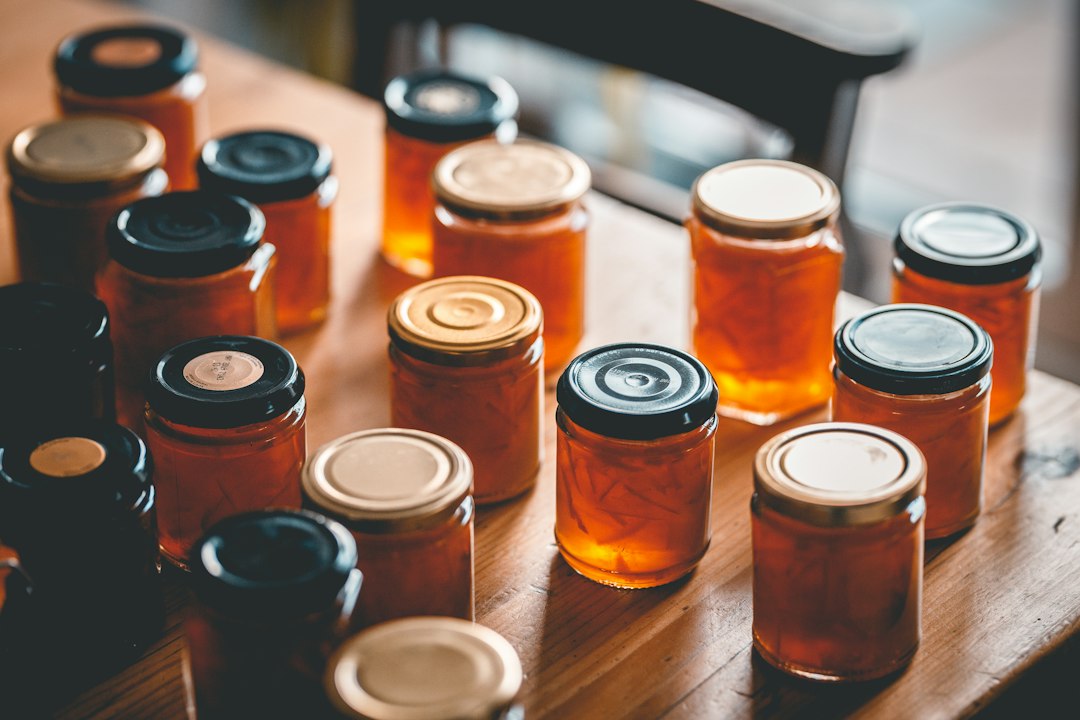
Jam sandwiches are a lunchbox staple across the United States, and for good reason — they take about two minutes to make and almost everyone enjoys them. But what if you could make a week’s worth in one sitting and pull them straight from the freezer each morning? The good news is you absolutely can.
Freezing jam sandwiches is one of those practical kitchen moves that saves real time without sacrificing quality. Whether you are packing school lunches, prepping grab-and-go snacks, or just trying to cut down on morning chaos, this guide walks you through everything you need to know — from how to assemble them for the freezer to how long they actually last.
Can You Freeze Jam Sandwiches?
Yes, you can freeze jam sandwiches. A classic peanut butter and jam sandwich is one of the best candidates for the freezer because both fillings handle cold temperatures well. The peanut butter actually helps protect the bread from getting soggy, which makes jam sandwiches more freezer-friendly than many other varieties.
This method works well for peanut butter and jelly, sunflower seed butter and jam, homemade Uncrustables, turkey and cheese, hummus sandwiches, and more. If your jam sandwich does not include peanut butter, you can still freeze it — just pay closer attention to how you layer the ingredients to keep moisture away from the bread.
Not every sandwich filling survives the freezer, though. You will want to avoid using raw veggies such as lettuce, avocado, and tomato in sandwiches you plan to freeze, as they will not keep their same texture after being frozen and thawed. Mayonnaise or sour cream separates when thawed, and egg salad or tuna salad develops an unpleasant texture. Stick with jam, nut butter, deli meat, or cheese and you are in good shape.
Pro Tip: A frozen jam sandwich placed directly in a lunchbox in the morning acts as a natural ice pack and thaws in time for lunch — no separate freezer pack needed.
Does Freezing Change the Texture or Taste of Jam Sandwiches?
This is the question most people have before they try it, and the honest answer is: barely, when done right. While freezing can sometimes change the texture of certain foods, when done properly, freezing a peanut butter and jelly sandwich can actually help maintain the freshness of the bread.
The jam itself is the main variable. When you freeze jam and use it after defrosting, it may be a little watery in its consistency, and the fruits in it may feel softer. This is more noticeable with chunky preserves than smooth jelly. Using a moderate amount of a firmer jam — rather than a thin, runny one — keeps things tidy after thawing.
Using natural peanut butter or too much jelly can add liquid to the sandwiches and could cause the bread to turn out soggier than expected. Standard creamy peanut butter and a measured tablespoon or two of jam gives you the best result. As for flavor, the core taste remains intact, though subtle texture shifts occur — and against expectations, many report the sandwich tastes fresher post-thaw due to reduced staling.
Bread crusts are worth mentioning separately. Thawed bread crust is often chewy, and kids usually pick it off. If texture is a priority, consider trimming the crusts before freezing — and save them for bread pudding or croutons rather than throwing them out.
How to Freeze Jam Sandwiches the Right Way
The assembly order matters more than most people realize. The single biggest mistake is letting jam touch the bread directly, which causes sogginess as the sandwich thaws. Follow these steps and you will get a clean, evenly frozen sandwich every time.
- Choose the right bread. Whole wheat or standard white sandwich bread holds up best. Skip crusty artisan bread that tends to crack. Softer, store-bought sliced bread is ideal for batch prep.
- Layer in the right order. Sandwich the jam between two layers of peanut butter so the jam never touches the bread. Spreading peanut butter on both slices, then topping one with jam, makes all the difference between a bad frozen sandwich and a good one.
- Use a moderate amount of jam. Jelly can become runny and messy once it thaws, so it is best to use a thin layer. Stick to a moderate amount to keep your sandwich from becoming soggy.
- Wrap each sandwich individually. Wrap your sandwich tightly in plastic wrap or aluminum foil before freezing to prevent any air from getting in and ruining the texture of the bread. You can also use sandwich-sized zipper bags.
- Remove as much air as possible. Add the sandwich to a freezer bag and remove as much air as you can with a straw, then seal. This DIY vacuum seal prevents freezer burn.
- Label and date every bag. Label with the sandwich type and date so you always know what is in there and when it was made.
- Freeze flat. Lay the bags flat in the freezer so the sandwiches hold their shape. Once fully frozen, you can stack them to save space.
Pro Tip: Batch-prep on Sunday. Just 15 minutes of prep on the weekend will help save time during the busy week. Lay out all your bread slices assembly-line style, spread the fillings, wrap, and freeze in one efficient session.
How Long Can You Freeze Jam Sandwiches?
Store the sandwiches in a sealed freezer bag for up to 6 months. That said, quality does decline the longer they sit. Eat within one to two months for best taste and texture. They will technically last longer, but you might notice a dip in texture or flavor.
For practical purposes, most families cycle through a batch within two to four weeks, which is well within the window for peak quality. If you are making homemade Uncrustable-style sealed sandwiches, homemade Uncrustables can be stored in the freezer for up to two months.
| Sandwich Type | Best Quality Window | Maximum Freezer Life |
|---|---|---|
| Peanut butter and jam | 1–2 months | Up to 6 months |
| Homemade Uncrustables (sealed) | 1–2 months | Up to 2 months |
| Nut butter and jam (almond, sunflower) | 1–2 months | Up to 6 months |
| Deli meat and cheese | 1 month | Up to 2 months |
How to Thaw Frozen Jam Sandwiches
Thawing is easy, and you have a few options depending on how much time you have. The most common method for school lunches requires no planning at all.
- Lunchbox method (easiest): Remove one sandwich and add it to a lunch box with at least 3 hours to thaw before lunch. It doubles as an ice pack for the rest of the lunchbox contents while it thaws.
- Overnight fridge thaw: Move a sandwich from the freezer to the fridge overnight. It will be soft and ready to eat the next morning.
- Room temperature thaw: At room temperature, a fully frozen sandwich thaws and is ready to eat in about 30 to 60 minutes. This works well if you forget to pack it the night before.
Do not microwave a frozen jam sandwich unless you want the bread to turn rubbery and the jam to become scalding hot in spots. Room temperature or refrigerator thawing gives you the best texture every time. If you want a warm sandwich, let it thaw first, then toast it lightly in a skillet or toaster oven.
Pro Tip: If you are thawing overnight in the fridge, leave the sandwich in its freezer bag until it is fully thawed. This prevents condensation from making the bread wet on the outside.
Can You Refreeze Jam Sandwiches After Thawing?
Refreezing is not recommended for jam sandwiches. Once a sandwich has thawed — whether in the fridge, the lunchbox, or on the counter — the bread has already absorbed some moisture from the filling. Refreezing and thawing again will push that moisture further into the bread, resulting in a soggy, unpleasant texture.
If you defrosted your frozen jam using the slow fridge method, you can technically refreeze it, but keep in mind that the quality will not be the same. If you used rapid defrosting to thaw, you should consume it entirely and never refreeze it.
The better approach is to freeze sandwiches individually so you only pull out exactly what you need. That way, nothing gets wasted and you never need to refreeze. Portioning into individual bags before freezing makes this easy — just grab one at a time.
How to Use Frozen Jam Sandwiches (Best Uses After Freezing)
The most obvious use is the school lunchbox, but frozen jam sandwiches are useful in more situations than most people think. Here are the best ways to put them to work.
- School and work lunches: Freezing pre-made PB&J sandwiches is a great time-saver once school is in session. Simply pull one out of the freezer in the morning, put it in a lunch bag, and it is thawed by noon.
- After-school snacks: Keep a stash in the freezer and let kids pull one out when they get home. It thaws quickly at room temperature and requires zero effort from you.
- Road trips and travel: Frozen sandwiches are perfect for tossing into a lunch bag, bringing on road trips, or packing in the cooler for a summer camping trip.
- Quick breakfast: A thawed jam sandwich on whole wheat bread is a reasonable grab-and-go breakfast when mornings are rushed.
- Reducing food waste: If you have bread that is close to its sell-by date, make sandwiches and freeze them immediately. Soft white or wheat bread often gets marked down near its sell-by date and freezes well, making it ideal for bulk sandwich prep.
You can also get creative with fillings beyond classic grape jelly. Fig or apricot preserves pair well with the nutty flavor of almond butter if you want to mix things up. Sunflower seed butter with strawberry jam is a popular nut-free option for school lunches where nut allergies are a concern. Explore other whole plant-based foods that work well as sandwich fillings if you are looking to expand your options.
Signs That Frozen Jam Sandwiches Have Gone Bad
Frozen food does not spoil the same way refrigerated food does, but it can still degrade to the point where it is not worth eating. Here is what to watch for before you serve a frozen jam sandwich.
- Freezer burn: White or grayish patches on the bread or filling mean the sandwich was exposed to air. The sandwich is still safe to eat, but the texture will be dry and the flavor dull. Not properly wrapping the sandwich before putting it in the freezer can lead to freezer burn and a soggy sandwich once it thaws out.
- Off smell after thawing: A sour or stale odor after thawing is a sign the bread has started to break down. Discard it.
- Visible mold: This is rare with properly frozen sandwiches, but if you see any mold after thawing, throw the sandwich away immediately.
- Extreme sogginess: Some softening is normal, but if the bread has completely disintegrated or the jam has turned into a watery puddle, the sandwich was either not wrapped well or has been frozen too long.
- Past the six-month mark: If you let your preserve stay in the freezer for far too long, it will lose its flavor and taste and may even become unsafe to consume. Always label with the date and follow the recommended storage window.
Important Note: When in doubt, throw it out. A jam sandwich costs very little to replace, and eating food that has gone bad is never worth the risk.
Frequently Asked Questions
Can you freeze a jam sandwich without peanut butter?
Yes, but you need to be more careful about keeping the jam from touching the bread directly. Spreading a thin layer of butter or cream cheese on both slices before adding the jam creates a moisture barrier that helps prevent sogginess. Butter acts like a protection layer between the bread and filling when it is in the freezer and helps preserve the flavor of the filling while keeping the bread fresh.
Does the type of jam matter for freezing?
It does make a difference. Firmer, less runny jams hold up better. Try to use a jam or jelly without a lot of liquid — a firmer one works best. Chunky preserves with large fruit pieces may release more water as they thaw, so smooth jams are generally the safer choice for freezer sandwiches.
Can you freeze sandwiches made with almond butter or sunflower seed butter instead of peanut butter?
Absolutely. Almond butter freezes quite well — it maintains its texture and flavor when frozen and thawed, making it a great alternative for peanut butter in frozen sandwiches. Sunflower seed butter is also an excellent choice for freezing, as it retains its creamy texture and does not harden excessively. Both work well for nut-free school environments.
How do you keep frozen jam sandwiches from getting soggy?
For a PB&J, spread peanut butter on both slices of bread, then add jelly in the middle — this keeps the bread from getting soggy. Also use a moderate amount of jam, choose a sturdy sandwich bread, and make sure the sandwich is wrapped tightly with all air removed before freezing.
Can you freeze store-bought sandwiches?
You can freeze store-bought sandwiches as long as they are in date and do not have a label saying they are not suitable for freezing. Check the packaging before putting them in the freezer.
Is it safe to eat a jam sandwich that thawed in a lunchbox all day?
Yes, as long as the sandwich thawed at a reasonable room temperature and was eaten within a few hours of thawing. A jam sandwich does not contain meat or dairy (unless you added cheese), so it is lower risk than other sandwich types. If the lunchbox was in a hot car or direct sunlight for hours, use your judgment and err on the side of caution.
Freezing jam sandwiches is a straightforward habit that pays off quickly, especially for families managing busy weekday schedules. With the right bread, a smart layering technique, and proper wrapping, you can batch-prep a week’s worth of lunches in about 15 minutes — and pull from the freezer every morning without a second thought. For more food storage ideas and practical kitchen tips, explore our guides on foods that start with Q and whole plant-based foods that work well in everyday meal prep.