Can You Freeze Raspberry Curd? (Yes — Here’s How to Do It Right)

October 23, 2026
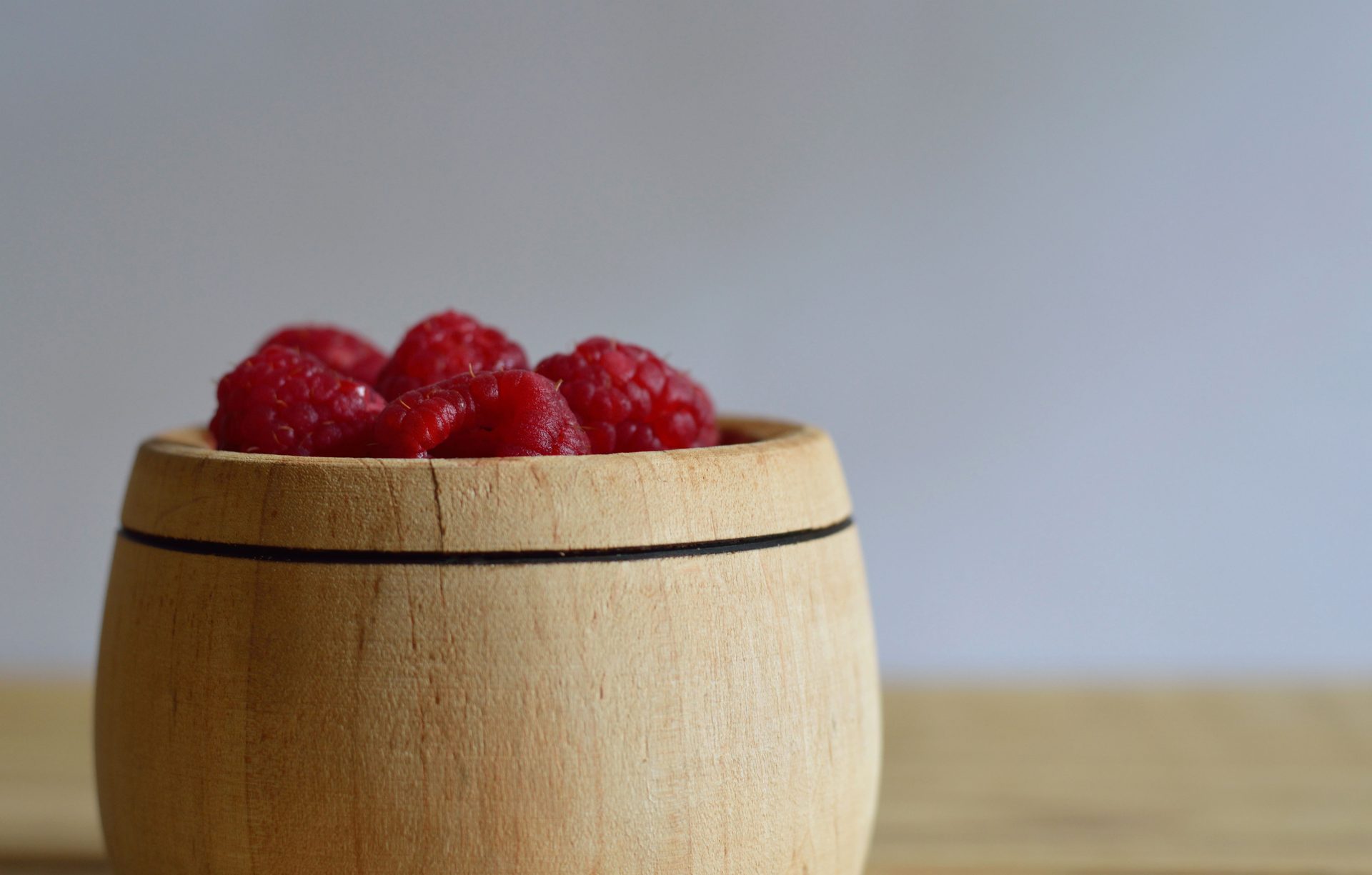
Raspberry curd is one of those kitchen treasures you never want to waste. Whether you made a big batch after a summer harvest or simply have more than you can use in a week, freezing is a smart and practical option that most home cooks overlook.
The good news: fruit curds freeze beautifully, so freezing is a reliable way to keep raspberry curd longer — though more acidic curds like lemon or lime may last slightly longer in the fridge. This guide walks you through every step, from packing it correctly to thawing it without losing that silky texture.
Can You Freeze Raspberry Curd?
Yes, you absolutely can freeze raspberry curd. You can freeze raspberry curd by transferring it to a freezer-safe container or dividing it into individual portions and freezing for up to 3 months. It is one of the easiest ways to extend the life of a homemade batch without sacrificing quality.
Home bakers who freeze curd regularly report that it is always fine to use after thawing. That said, one source does note a caveat worth knowing: although curds can technically be frozen, the texture of thawed curd may not be quite as smooth as the fresh version. A quick stir almost always resolves this, and the flavor remains intact.
Pro Tip: Freeze your raspberry curd as soon as possible after making it — don’t wait until it is close to expiring in the fridge. Fresh curd freezes with better flavor and texture than curd that has already been sitting for several days.
Raspberry curd is made from raspberries, butter, eggs, and sugar — all ingredients that tolerate freezing well individually. The emulsified fat from the butter can sometimes cause slight separation upon thawing, but this is easy to fix with gentle stirring. If you want to learn more about how raspberries and other ingredients support your overall diet, check out this guide to whole plant-based foods for helpful context.
Does Freezing Change the Texture or Taste of Raspberry Curd?
Freezing has a minimal effect on the taste of raspberry curd. The bright, sweet-tart raspberry flavor holds up well in the freezer, and most people cannot tell the difference between fresh and properly thawed curd once it has been stirred.
Texture is where you may notice a slight change. Separation may occur during storage, but you can simply stir gently to restore a smooth, silky consistency before spreading or using in desserts. This is a normal result of the fat molecules shifting during the freeze-thaw cycle — not a sign that anything has gone wrong.
Cold temperatures can dull the flavor of curd, so it is worth bringing the amount you plan to use up to room temperature before serving. Allowing frozen curd to warm slightly after thawing makes a noticeable difference in how vibrant the raspberry flavor tastes on the palate.
Key Insight: If your thawed raspberry curd looks slightly separated or grainy, do not discard it. Transfer it to a bowl and whisk or stir briskly for 30 to 60 seconds. It should come back together into a smooth, spreadable consistency.
How to Freeze Raspberry Curd the Right Way
Getting the freezing process right makes a big difference in what you get when you thaw it. Follow these steps for the best results.
- Cool it completely first. First, cool the cooked raspberry curd completely. Once it has cooled to room temperature, place the raspberry curd in a freezer-safe container. Putting warm curd directly into the freezer creates condensation and can affect texture.
- Press plastic wrap against the surface. Place a piece of plastic wrap directly on the surface of the curd, then seal the container with the lid. This prevents a skin from forming and protects against freezer burn.
- Use the right container. You can freeze raspberry curd right in a canning jar. A glass mason jar, a freezer-safe plastic container, or a zip-top freezer bag all work well. Avoid reactive metal containers, since storing curd in a non-metal container like a glass bowl or mason jar prevents it from developing a metallic aftertaste.
- Portion it out. Portion raspberry curd into freezer-safe containers or individual servings so you can thaw only what you need at a time. This is especially useful if you plan to use the curd for different purposes over several weeks.
- Label with date and contents. Make sure you label the container with the contents and date before transferring it to the freezer. Raspberry curd can look similar to other fruit curds once frozen, and you will want to track how long it has been stored.
How Long Can You Freeze Raspberry Curd?
Most sources agree that frozen raspberry curd stays at its best for up to three months, though some report success with longer storage. Raspberry curd will last for approximately 3 months when frozen. You can store it in airtight containers in the freezer for 3 to 6 months and then defrost in the refrigerator.
One source is more generous with the timeline: you can freeze raspberry curd for up to a year, which makes it a practical treat to prepare well in advance for family gatherings or holidays. However, for the best flavor and texture, using it within three months is the safer and more commonly recommended window.
| Storage Method | How Long It Lasts | Notes |
|---|---|---|
| Refrigerator (airtight container) | 1–2 weeks | Best quality within the first week |
| Freezer (airtight container) | Up to 3 months (best quality) | Up to 6 months is possible; label with date |
| Freezer (canning jar) | Up to 6 months | Leave headspace in the jar for expansion |
For reference on refrigerator storage: raspberry curd should last about a week in the refrigerator. If you know you will not use it within that window, freezing immediately after making is the smarter move.
How to Thaw Frozen Raspberry Curd
Thawing raspberry curd correctly is just as important as freezing it properly. Rushing the process with heat can scramble the eggs in the curd and ruin the texture entirely.
The best method is a slow, cold thaw. Place the container of frozen raspberry curd in the refrigerator to thaw, and do this the day before you plan to use it. Once the raspberry curd is thawed, you will want to use it within a week or two.
If you are in a hurry, a room-temperature thaw also works for small portions. Allow the curd to defrost at room temperature for at least 45 minutes before using. Avoid using the microwave, as uneven heat can cause the eggs to cook and leave you with a lumpy, grainy curd.
Important Note: Never thaw raspberry curd on the counter overnight. While a short room-temperature thaw is fine, leaving egg-based curd at room temperature for more than two hours is not recommended from a food safety standpoint. Move it to the fridge if you are not using it right away.
After thawing, give the curd a gentle stir before using. If it looks slightly separated, whisk it briefly until smooth. The flavor and spreadability should return quickly.
Can You Refreeze Raspberry Curd After Thawing?
Refreezing raspberry curd is not recommended. Once you thaw curd, the egg proteins and emulsified butter have already gone through one freeze-thaw cycle. Refreezing breaks down the structure further, leading to a grainy, watery texture that is difficult to fix.
The best way to avoid this problem is to freeze raspberry curd in small, single-use portions from the start. Portioning the curd into individual freezer-safe containers before freezing means you can thaw only what you need at a time. Small mason jars, silicone molds, or even ice cube trays work well for this purpose.
If you thawed more than you needed, use the leftover curd within two days and store it covered in the refrigerator. Do not put it back in the freezer. This approach keeps your curd tasting its best and avoids food waste. For more tips on making the most of nutritious whole foods in your kitchen, take a look at these foods that support healthy skin — raspberries are on the list for good reason.
How to Use Frozen Raspberry Curd (Best Uses After Freezing)
Thawed raspberry curd is just as versatile as fresh. The slight texture change that can happen during freezing rarely matters in most applications, especially when the curd is used as a filling or topping rather than eaten straight from a spoon.
Here are some of the best ways to use it after thawing:
- Spread on toast, scones, or biscuits. Spread it on toast, scones, or muffins for a fruity breakfast treat. This is one of the most popular everyday uses across American households.
- Cake and tart fillings. Use the raspberry curd as a topping for pancakes, waffles, ice cream, yogurt, cheesecake, or other cakes. It also works as a filling for layer cakes, tarts, crepes, or sandwich cookies.
- Stirred into yogurt or oatmeal. A spoonful swirled into plain Greek yogurt or morning oatmeal adds a bright, fruity punch without a lot of extra sugar.
- Macaron and cupcake fillings. Use raspberry curd as a macaron filling, sandwich between cake layers in a decadent layer cake, or fill a baked tart shell and top with meringue and whipped cream.
- Drizzled over ice cream. Thawed curd at room temperature pours beautifully over vanilla or chocolate ice cream as a quick dessert sauce.
- Stirred into frozen treats. Raspberry curd is good stirred through Greek yogurt and frozen as iced treats.
Because raspberry curd pairs so well with dairy and chocolate, it is a natural fit for American-style desserts like cheesecake bars, layer cakes, and no-bake tarts. If you are looking for more inspiration on how bold flavors come together in different food cultures, this overview of traditional Greek foods is a fascinating read — fruit preserves and spreads play a big role in Mediterranean baking traditions.
Pro Tip: Thawed raspberry curd that has become slightly thinner than you would like can be used as a dessert sauce or drizzle rather than a spread. No need to adjust the recipe — just change how you serve it.
Signs That Frozen Raspberry Curd Has Gone Bad
Raspberry curd is made with eggs and butter, which means it can spoil. Even in the freezer, curd that has been stored too long or improperly will show warning signs. Here is what to look for before using thawed curd.
- Off smell. Fresh raspberry curd smells bright and fruity with a buttery richness. If thawed curd smells sour, rancid, or “eggy” in an unpleasant way, discard it.
- Unusual color. Raspberry curd should be a deep pink to magenta color. Grayish, brownish, or dull discoloration — especially near the surface — can indicate freezer burn or spoilage.
- Mold. Any visible mold growth means the curd must be thrown out entirely. Do not scoop around it.
- Watery separation that will not come together. Some separation after thawing is normal and fixable with stirring. However, if the curd remains watery and grainy even after vigorous whisking, the emulsion has broken down beyond recovery.
- Freezer burn. If the surface of the curd has developed a dry, crystallized layer with a dull appearance, the curd has suffered freezer burn. It is safe to eat but the flavor and texture will be noticeably degraded. Cut away the affected portion or discard if the damage is extensive.
The simplest way to avoid all of these issues is to use proper airtight packaging, press plastic wrap directly against the surface of the curd before sealing, and use it within three months of freezing. Keeping your freezer at a consistent 0°F (−18°C) also helps preserve quality across all frozen foods. For a broader look at how food choices affect your body, this resource on superfoods for a healthy heart is worth a read — raspberries rank as one of the top antioxidant-rich options.
Frequently Asked Questions
Can You Freeze Raspberry Curd in a Glass Jar?
Yes — you can freeze raspberry curd right in a canning jar. Just make sure to leave at least half an inch of headspace at the top, since the curd will expand slightly as it freezes. Use wide-mouth jars when possible, as they are easier to fill and clean.
How Long Does Raspberry Curd Last in the Fridge After Thawing?
Once the raspberry curd is thawed, let it defrost in the fridge for a day or two before use, and then use it within a week or two. Treat thawed curd the same way you would treat freshly made curd — keep it cold and covered at all times.
Can You Freeze Store-Bought Raspberry Curd?
Yes, the same rules apply to store-bought raspberry curd. Transfer it to a freezer-safe container, press plastic wrap against the surface, seal tightly, and freeze for up to three months. Check the label for any manufacturer-specific guidance, since some commercial curds contain stabilizers that may affect how they freeze.
Does Raspberry Curd Need to Be Refrigerated?
Raspberry curd should be stored in the fridge, either in an airtight container covered with plastic wrap or in a sealed jar, and is best eaten within a week. It is an egg-based product and should never be left at room temperature for extended periods.
Can You Use Frozen Raspberries to Make Curd Before Freezing It?
Raspberry curd is a simple recipe with many uses, and can be made using fresh or frozen raspberries. Using frozen berries to make the curd before freezing it is perfectly fine — many home bakers do this year-round. Just thaw and drain the berries before cooking to avoid excess water in the curd.
Is It Safe to Can Raspberry Curd Instead of Freezing?
While you will sometimes see lemon curd recipes that suggest canning to preserve, raspberry curd is not acidic enough to water-bath can safely. Many food safety experts now say that even lemon and lime curds should not be canned. Freezing is the recommended long-term preservation method for all fruit curds, including raspberry. For more on how to make the most of nutritious ingredients in your kitchen, explore this guide on powerful nutrients and foods that support overall health — raspberries are among the most studied for their antioxidant content.