Can You Freeze Make-Ahead Mashed Potatoes? (Yes — Here’s How)

October 22, 2026
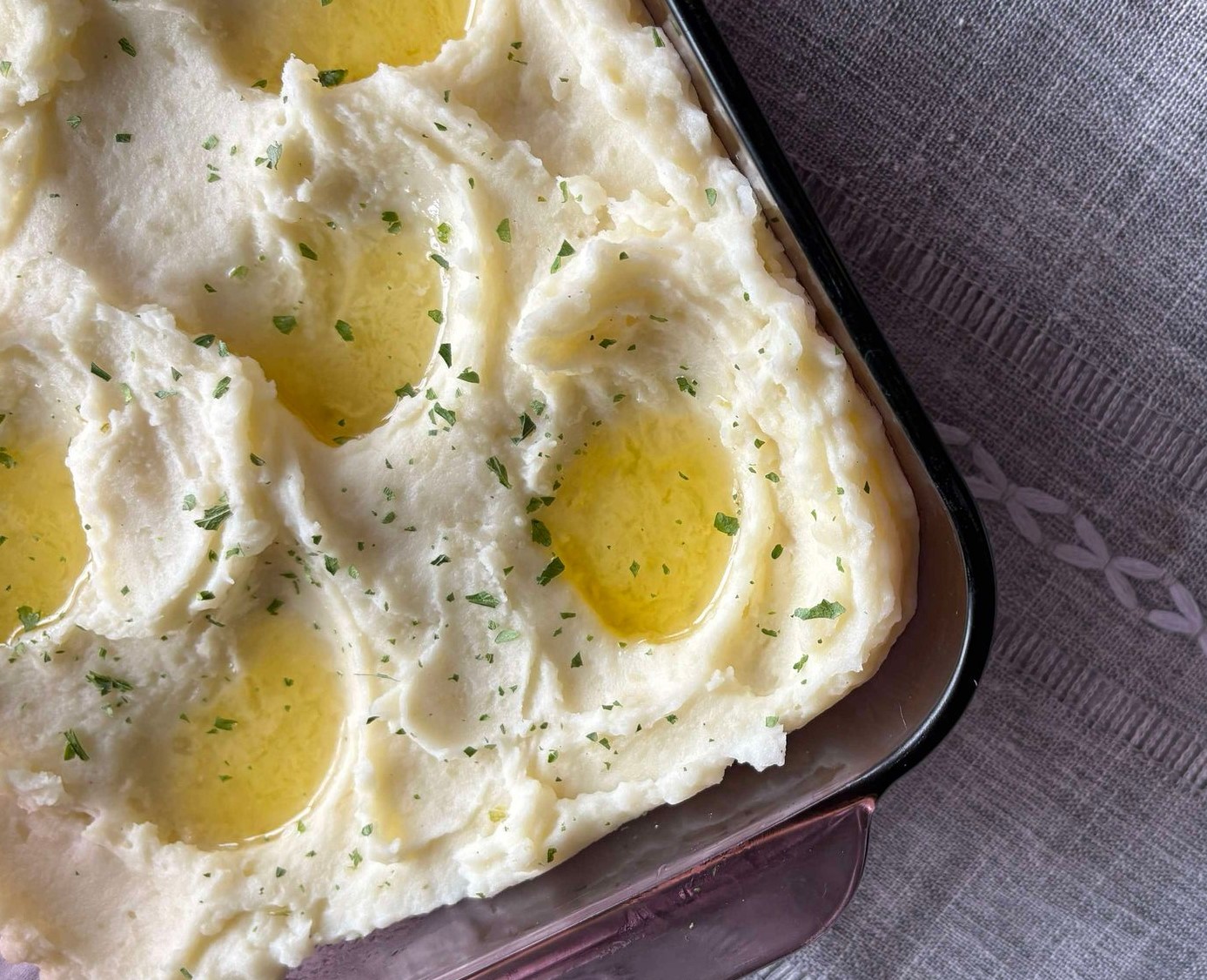
Mashed potatoes are one of the most beloved comfort foods in American kitchens — but they take time to make, and that’s time you don’t always have on a busy weeknight or during a holiday rush. The good news: you can absolutely freeze make-ahead mashed potatoes, and when done right, they come out creamy, flavorful, and nearly indistinguishable from fresh.
Whether you want to meal prep a big batch for the week, get a head start on Thanksgiving dinner, or simply avoid wasting leftovers, this guide covers everything you need to know — from choosing the right potatoes to spotting signs of spoilage.
Can You Freeze Mashed Potatoes?
Yes, you can freeze mashed potatoes. Mashed potatoes can be frozen, and knowing the right technique makes it easy to successfully freeze and reheat them to enjoy with your favorite dishes. The key is in how you prepare them before they go into the freezer.
Mashed potatoes made with plenty of dairy will likely hold up better in the freezer because the fats keep the potatoes from getting grainy or watery. That means loading up on butter, cream, sour cream, or cream cheese is not just a flavor move — it’s a practical one.
Mashed potato recipes made with broth, on the other hand, are best eaten straight away and not frozen. Broth adds moisture without any protective fat, and when it’s frozen, it turns into ice crystals that may ruin the texture.
Pro Tip: If you know you’re planning to freeze a batch, make it richer than you normally would. Extra butter and cream cheese act as a protective barrier against the textural changes that freezing causes.
Does Freezing Change the Texture or Taste of Mashed Potatoes?
Freezing does affect mashed potatoes — but how much depends on how you make them. Keeping mashed potatoes tender in the freezer can be trickier than you think. When exposed to the freezer’s harsh temperature, the mash’s flavor and texture can change significantly, with the potatoes losing their taste and often becoming surprisingly tough or even a little gritty.
The science behind it comes down to water. Potatoes are porous, so they soak up water easily during cooking when their starch molecules begin to break down. When you freeze them, all that absorbed water turns into ice crystals — which melt once they get tossed into the oven or slow cooker. This is what causes that watery, slightly loose texture after reheating.
Your choice of potato also matters. Creating creamy frozen leftovers starts right from the first step — choosing your spuds. Some waxy varieties, like Yukon Golds and fingerling potatoes, freeze better than others because they have less starch, which can turn grainy once reheated. That said, sources differ on this point: personal chef Carlos Montoya, as cited by the Daily Meal , recommends Yukon Gold or Russet potatoes specifically because their higher starch content means they absorb less water during cooking. Either way, russet potatoes and other high-starch varieties have a tendency to get grainy when mashed and frozen, so enriching them generously with dairy is essential.
Important Note: Sources vary on the best potato variety for freezing. The consistent takeaway across all sources is that the more fat (butter, cream cheese, sour cream) you add before freezing, the better the texture holds up regardless of potato type.
Frozen mashed potato will never be exactly the same as fresh, and the texture can change slightly. A good stir — and an optional splash of milk or cream — helps bring it back to life. With a little attention during reheating, most people won’t notice the difference.
How to Freeze Mashed Potatoes the Right Way
Proper technique is what separates a batch of frozen mashed potatoes that reheats beautifully from one that turns out watery and gluey. Follow these steps for the best results.
- Cool them completely first. Never put warm mashed potatoes directly into the freezer. Allow them to reach room temperature before packaging. Freeze food as fast as possible to maintain its quality, but that means getting them cold first — not warm.
- Add plenty of dairy. If you know you’re going to be freezing your mashed potatoes, add way more butter or cream than you normally would. This keeps your mashed potatoes smooth and creamy while frozen, as the dairy fats encase the potatoes and protect them.
- Portion them out. Use a measuring cup or large scoop to measure even portions onto a parchment paper-lined baking sheet. Freeze in half-cup portions. Put the baking sheet in the freezer for several hours or overnight until the potatoes have frozen hard, then transfer the frozen portions into a freezer zip-lock bag. This flash-freeze method keeps individual portions from sticking together.
- Seal out the air. Make sure any excess air has been removed from the bag and that the bag is sealed completely. For airtight containers, place plastic wrap directly on the surface of the mashed potatoes, followed by the lid of an airtight container.
- Freeze them flat. Flatten bags and get out as much air as possible before sealing. Freeze them flat until they are hard, then they can be stacked in the freezer. They also thaw faster and more evenly when frozen flat and thin.
- Label everything. Write down the date you made the mashed potatoes and the date you should consume them. Include the potato variety and any mix-ins so you know exactly what’s in each bag.
You can also freeze mashed potatoes in oven-safe dishes for easy reheating. Cover the pans tightly with heavy-duty aluminum foil, place them in freezer-safe bags, and freeze. Store them in 8×8-inch pans for a crowd, or scoop them into mini loaf pans to have mashed potatoes for two any time.
For ideas on what to pair with your mashed potatoes once they’re ready, check out this guide on what to serve with mashed potatoes.
How Long Can You Freeze Mashed Potatoes?
The general consensus from food safety authorities and culinary sources is 2 to 3 months for the best quality. The USDA FoodKeeper lists cooked mashed potatoes as suitable for freezing for up to 2 to 3 months.
Some sources suggest mashed potatoes can technically last longer in the freezer. Frozen food stored continuously at 0 degrees Fahrenheit is safe to eat indefinitely, according to the USDA. Freezing stops microbial growth entirely. Quality declines over time even in a properly maintained freezer. For practical purposes, aim to use your frozen mashed potatoes within the 2-to-3-month window for the best flavor and texture.
| Storage Method | How Long They Last | Quality Notes |
|---|---|---|
| Room temperature | 2 hours max | Discard after 2 hours per USDA guidelines |
| Refrigerator | 3 to 5 days | Store in airtight container; use within 3–4 days for best taste |
| Freezer (airtight bag/container) | 2 to 3 months (best quality) | Label with date; use dairy-rich recipes for better texture |
Freshness and quality at the time of freezing affect the condition of frozen foods. If frozen at peak quality, thawed foods emerge tasting better than foods frozen near the end of their useful life. So freeze items you won’t use quickly sooner rather than later.
How to Thaw Frozen Mashed Potatoes
Thawing your mashed potatoes correctly is just as important as how you froze them. Rushing this step is the most common reason reheated mashed potatoes turn out watery.
Refrigerator thawing (recommended): Safe ways to thaw leftovers include the refrigerator, cold water, and the microwave. Refrigerator thawing takes the longest but the leftovers stay safe the entire time. After thawing, the food should be used within 3 to 4 days or can be refrozen. For mashed potatoes specifically, thawing in the fridge overnight before heating them up takes an extra step and a little added patience, but you’ll be rewarded with a creamy version reminiscent of the dish you started with, and your potatoes will warm up more evenly.
Reheating from frozen (stovetop): Place the frozen mashed potatoes in a covered saucepan over low heat. Stir frequently and add a splash of cream or milk as needed to restore the consistency.
Reheating from frozen (oven): Oven heating is convenient if you opted for an oven-safe dish to freeze your mashed potatoes in. Thaw your potatoes in the fridge first to avoid shattering your dish with the sudden temperature change. Preheat the oven to 350°F, then cover and bake for 30 to 40 minutes. For better texture, stir and fold the potatoes with more butter and cream before serving.
Slow cooker method: Pop the frozen mashed potatoes directly into the slow cooker and set it on low heat. Allow the potatoes to warm for about two hours, then stir to smooth any remaining lumps and ensure they are hot throughout.
No matter which method you use, if your thawed and reheated mashed potatoes appear watery, the best thing to do is mix in a spoonful of either sour cream or cream cheese one at a time until it returns to your desired texture.
Can You Refreeze Mashed Potatoes After Thawing?
Technically yes — but only under specific conditions, and with a noticeable drop in quality. Once food is thawed in the refrigerator, it is safe to refreeze it without cooking, although there may be a loss of quality due to the moisture lost through thawing.
The USDA Food Safety and Inspection Service also notes that you should not refreeze any foods left outside the refrigerator longer than 2 hours — or 1 hour in temperatures above 90°F.
From a quality standpoint, each freeze-thaw cycle degrades the texture further. If you thawed your mashed potatoes in the refrigerator and only used part of the batch, it is safe to thaw the leftovers in the refrigerator, remove the needed portion, and refreeze the remainder of the thawed leftovers without reheating it. Just know the texture of the refrozen portion will be noticeably softer the second time around.
Pro Tip: Freeze mashed potatoes in individual or meal-sized portions from the start. That way you only thaw exactly what you need, and you never have to refreeze.
How to Use Frozen Mashed Potatoes (Best Uses After Freezing)
Once your frozen mashed potatoes are thawed and reheated, the options go well beyond a simple side dish. Some uses actually benefit from a slightly softer texture, making frozen mashed potatoes a smart ingredient to keep on hand.
- Classic side dish: Reheat with extra butter and a splash of warm cream, stir well, and serve alongside roasted chicken, pork chops, or pot roast. During the holidays, serve alongside baked ham, turkey breast, or roasted chicken. During the week, enjoy with fried chicken, chicken fried steaks, pork chops, or pot roast.
- Shepherd’s pie topping: Freezer mashed potatoes can also be used as a layer when making shepherd’s pie. The slightly denser texture after freezing actually holds up well as a casserole topping.
- Potato cakes or patties: Mix thawed mashed potatoes with a beaten egg and a little flour, then pan-fry in butter until golden. A great way to use up a portion that’s a bit thicker after reheating.
- Soup thickener: Stir a few spoonfuls of thawed mashed potatoes into potato soup, chowder, or even a creamy vegetable soup to add body without cornstarch.
- Loaded baked potato filling: Pour mashed potatoes into an oven-safe dish and mix in cheeses, sour cream, chives, garlic powder, and onion powder. Stuff into potato skins and bake until golden.
- Gnocchi dough base: Thawed mashed potatoes with a firm texture can be worked into a simple gnocchi dough with flour and egg for a quick homemade pasta.
Mashed potatoes pair well with a wide range of main dishes — browse this list of dishes to serve with mashed potatoes for more pairing ideas. If you enjoy cooking from scratch, you might also like learning how to make apple cider vinegar at home as another great kitchen project.
Signs That Frozen Mashed Potatoes Have Gone Bad
Frozen mashed potatoes that have been stored correctly are safe for months, but they can still go bad — especially if they were improperly sealed, left out too long before freezing, or stored past their prime. Here’s what to look for before you reheat a bag.
- Off or sour smell: Spoiled cooked potatoes smell foul, especially if dairy has been mixed in during the cooking process. Once your cooked potatoes smell bad, sour, or moldy, that’s a clear sign they’re no longer safe to eat.
- Visible mold or discoloration: Check for any signs of spoilage such as an off smell, discoloration, or the presence of mold. Any gray, green, or fuzzy growth means the batch should be discarded.
- Excessive liquid separation: Clear liquid sometimes separates from mashed potatoes — you can mix it back into the mash only if it doesn’t smell offensive, but if the liquid or the solid has changed color, it’s better to be safe and toss it.
- Freezer burn: The dulling of color in frozen vegetables and cooked foods is usually the result of excessive drying due to improper packaging or over-lengthy storage. Heavily freezer-burned mashed potatoes will taste dry and cardboard-like even after reheating — they’re safe to eat but the quality won’t be worth it.
- Unusual texture after thawing: Assess the texture of the mashed potatoes. If they appear excessively watery or grainy, these changes could indicate spoilage. Some wateriness is normal after freezing, but if the texture is dramatically off alongside any other warning sign, discard them.
Important Note: When in doubt, throw it out. If you’re concerned about food safety, it’s always best to discard any questionable food items rather than risk consuming spoiled food.
Frequently Asked Questions
Can you freeze instant mashed potatoes?
In theory, you could freeze instant mashed potatoes, but the texture probably won’t hold up well because they’ve been dehydrated, rehydrated, and then frozen. If you can’t use your instant mashed potatoes immediately, it’s best to leave them in the package until you’re ready.
How long do mashed potatoes last in the fridge before freezing?
The USDA recommends consuming cooked mashed potatoes within 3 to 5 days when stored in the refrigerator. If you know you won’t use them within that window, freeze them sooner rather than later for the best quality.
Do you have to thaw frozen mashed potatoes before reheating?
No — you can reheat them straight from frozen. It is safe to reheat frozen leftovers without thawing, either in a saucepan or microwave. Reheating will take longer than if the food is thawed first, but it is safe to do when time is short. Thawing overnight in the fridge first does produce a better, creamier result.
Why are my frozen mashed potatoes watery after reheating?
That’s exactly the texture you may end up with if you reheat yours right after they’ve been in the freezer. If you throw them immediately on the stove or in the oven, you’ll get warm mashed potatoes that have retained their original taste. However, they may be a little thin or runny, and lack the cloud-like consistency you remember. Fix it by stirring in sour cream, cream cheese, or a pat of butter after reheating.
Can you freeze mashed potatoes with mix-ins like bacon or chives?
You can freeze mashed potatoes with toppings like bacon and chives — these will hold up in the freezer too. Just keep in mind that fresh herbs may lose some color and brightness after freezing.
What’s the best container for freezing mashed potatoes?
Quart-size freezer bags laid flat work well for portioning. If you don’t have a vacuum sealer bag, use a normal freezer zipper seal bag. Lay the bag flat and pat the potatoes out to one even layer, then squeeze out any extra air. Make sure to date and label the bag too. Airtight freezer-safe containers work just as well if you prefer a more structured shape.
Freezing make-ahead mashed potatoes is one of the smartest moves you can make for weeknight cooking or holiday meal prep. Stick to dairy-rich recipes, seal out air, freeze in portions, and thaw slowly in the fridge — and you’ll have a comforting, crowd-pleasing side dish ready whenever you need it. For more kitchen and food tips, explore our guides on traditional South African food and traditional Egyptian food for global inspiration at the dinner table.