Can You Freeze Shop-Bought Jam? Everything You Need to Know

October 22, 2026
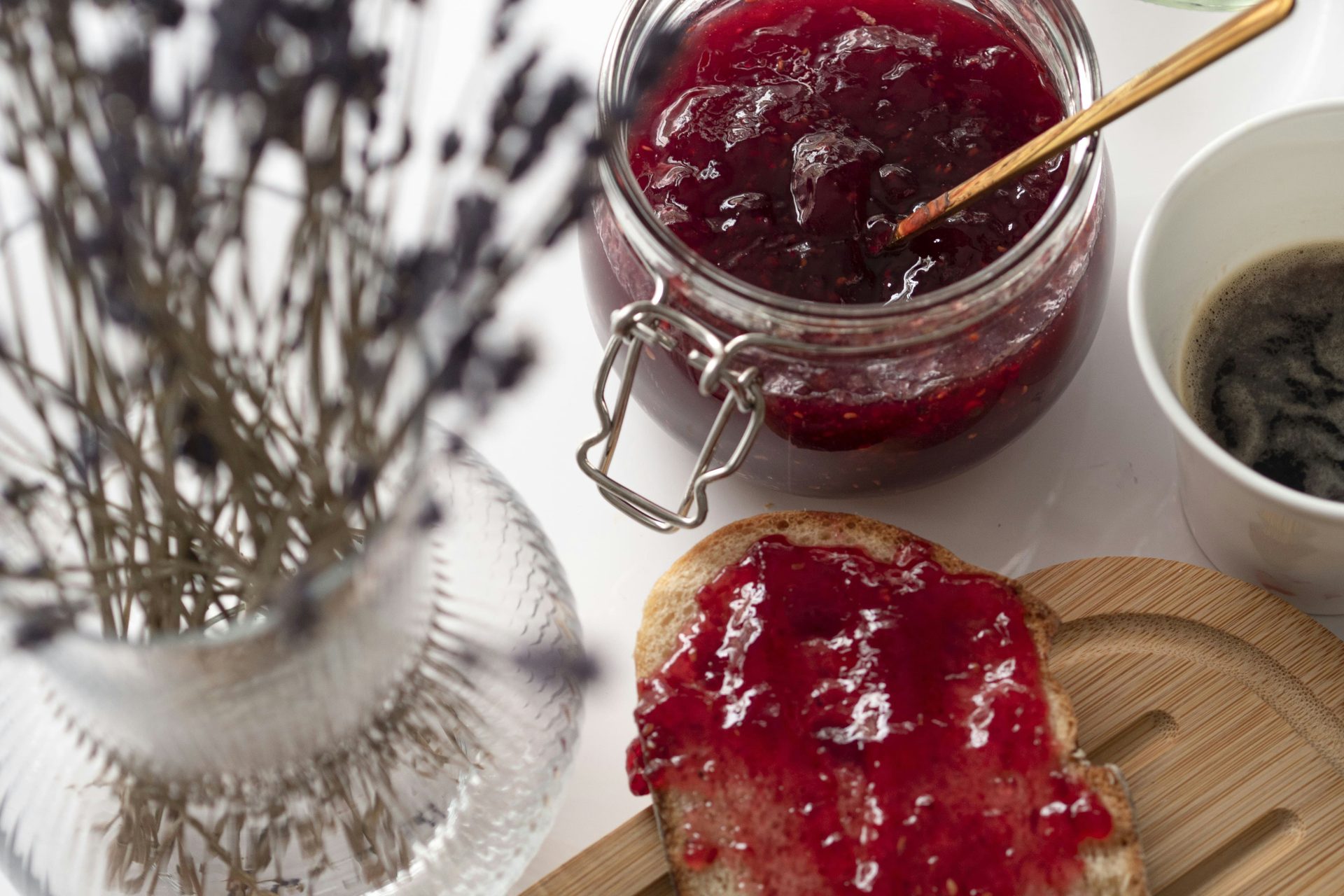
You grabbed a few extra jars of strawberry jam on sale at the grocery store, and now your pantry shelf is looking a little crowded. Or maybe you opened a jar, used a few spoonfuls, and you know you won’t finish it before it turns. Either way, the freezer starts looking like a pretty good option — but is it actually safe to freeze store-bought jam?
The short answer is yes. You can freeze jam that you have bought from the store. The process is straightforward, and with a few simple steps, you can extend the life of your jam well beyond what the pantry or fridge alone can offer. This guide walks you through everything — from container choice to thawing, refreezing rules, and how to spot jam that has gone bad.
Can You Freeze Shop-Bought Jam?
Yes, you can definitely freeze jam. The jam will need to be prepared and stored in a freezer-safe container. Properly stored, jam can last for up to one year in the freezer. That is a meaningful extension when you consider that an opened jar in the refrigerator has a much shorter window.
Jam has a pretty long shelf life to begin with. It can last up to two years in the pantry when unopened. When opened, jam can last for six months when properly stored in the refrigerator. So freezing is most useful when you have more jam than you can reasonably finish before it starts to decline in quality.
Jam does not actually freeze solid. This is due to the sugar content in the jam. The high sugar concentration lowers the freezing point, which means the jam stays soft and scoopable even straight from the freezer — a handy quality that makes it easy to portion out without waiting for a full thaw.
Pro Tip: If you bought jam in bulk during a sale, freeze individual portions in small containers. That way you only thaw what you need and avoid repeated temperature changes that can degrade quality.
For a similar look at freezing another pantry staple, see this guide on whether you can freeze shop-bought applesauce — the same principles around containers and headspace apply.
Does Freezing Change the Texture or Taste of Shop-Bought Jam?
Freezing does affect jam, but the changes are manageable. Like most other frozen food, the jam will become soft and mushy when it thaws. After it is thawed, you may notice it has a watery consistency. This is the water separating from the ingredients. A quick stir usually brings the texture back together.
If you are not racing through your jam fast enough, freezing is a backup option, but with a caveat: the texture might shift from silky to slightly runny. It won’t taste bad, but it might not hold up in something like thumbprint cookies. Still, when faced with potential waste, a slight texture change is a small price to pay.
Cooked jam freezes well and can remain high quality for 6 to 12 months. Texture may become slightly softer after thawing, especially in jams with large fruit pieces, but flavor typically remains stable. Store-bought strawberry, blueberry, and grape jams tend to hold up particularly well because they are cooked and contain higher sugar levels that protect the structure during freezing.
According to the National Center for Home Food Preservation , frozen jams are subject to more syneresis — that is, the “weeping” or separation of liquid from the gel — than cooked jams and jellies. This is normal and not a sign of spoilage. Simply stir the jam after thawing and it will be ready to use.
How to Freeze Shop-Bought Jam the Right Way
The method you use matters more than most people expect. Using the wrong container or skipping a few key steps can lead to cracked glass, freezer burn, or a watery mess. Here is how to do it correctly.
Choose the Right Container
When it comes to the storage container, use rigid, thick glass jars. The jar should be airtight and approved for freezer usage. Plastic containers are also suitable, but make sure they are freezer-safe. Thin glass or containers not rated for freezing can crack when the jam expands.
You can freeze jam in plastic or glass, and you can even freeze jam in zip-lock freezer bags — just be sure to press out any extra air before zipping them up. Bags are a great space-saving option if your freezer is already crowded.
Step-by-Step Freezing Instructions
- Check the original jar. For a store-bought unopened jar, no prep work is needed — you can store the unopened jar as is in the freezer. However, if the jar is already open or the glass looks thin, transfer the jam to a freezer-safe container.
- Leave headspace. Leave about an inch of space at the top of the container. This allows the jam room to expand upon freezing. Skipping this step is the most common reason jars crack or lids pop off.
- Seal it tightly. Securely seal the jar or container with an airtight lid before placing it in the freezer.
- Label the container. Mark the jars and containers with the contents — for example, “blueberry jam” — along with the quantity and the date. This helps you track freshness and avoid mystery jars months later.
- Place it in the freezer. Set the container toward the back of the freezer where temperatures are most stable, away from the door.
Pro Tip: Freeze jam in small portions — half-cup or one-cup containers — so you can pull out exactly what you need. This prevents waste and avoids repeated thawing cycles.
How Long Can You Freeze Shop-Bought Jam?
You can freeze jam for up to 12 months. Jam can last for much longer, but the quality will deteriorate. For the best quality, you should try to consume jam within 6 months. This is a good rule of thumb for most standard store-bought varieties like Smucker’s, Bonne Maman, or store-brand grape jam.
While jam can last long even if stored in the pantry or refrigerator, freezing extends the shelf life of an opened can or jar of jam. Freezing jam makes it safe for consumption for up to 12 months past the sell-by date of the food product.
The table below gives a quick overview of jam storage timelines across different methods:
| Storage Method | Unopened | Opened | Notes |
|---|---|---|---|
| Pantry (room temp) | Up to 2 years | Not recommended | Keep in cool, dark place |
| Refrigerator | Up to 2 years | 3–6 months | Always use clean utensils |
| Freezer | Up to 1 year | Up to 1 year | Best quality within 6 months |
Reduced-sugar or no-added-sugar jams may have a shorter shelf life even when unopened, since they rely more heavily on refrigeration after opening and may lose quality sooner in storage. If your store-bought jam is a “light” or “no sugar added” variety, plan to use it within six months of freezing rather than pushing the full year.
How to Thaw Frozen Shop-Bought Jam
Thawing jam is simple, and you have two solid options depending on how much time you have. The method you choose can affect the final texture, so it is worth picking the right one.
The safest and most common way to defrost your jam is to remove it from the freezer and keep it in the fridge overnight. This slow thaw keeps the temperature consistent and minimizes the risk of texture changes. Plan ahead and move the jar to the refrigerator the evening before you need it.
If you are in a rush, you can submerge the frozen jar of jam in a basin full of warm water. It should take at least half an hour to defrost the jam. Make sure the lid is secure before submerging to avoid water getting into the jam.
Once thawed, frozen jams must be stored in the refrigerator and will only retain good quality for 3 to 4 weeks after opening. Give the jar a good stir before using it, since some liquid separation is normal after freezing.
Important Note: Never thaw jam at room temperature for extended periods. Once thawed, treat it the same as a freshly opened jar and keep it refrigerated.
Can You Refreeze Shop-Bought Jam After Thawing?
This is one of the most common questions about frozen jam, and the answer is generally no. Once you have thawed jam, you should never refreeze it. Each freeze-thaw cycle breaks down the texture further, increasing liquid separation and reducing overall quality.
The best way to avoid this situation is to freeze jam in small, individual portions from the start. When freezing jam, it is a good idea to portion it into containers. This allows you to remove as much jam as you need without having any leftovers. Half-cup containers work well for most households — that is roughly enough for a week of daily toast or sandwiches.
If your freezer lost power and the jam thawed unintentionally, the decision depends on how long it stayed thawed and at what temperature. As a general food safety rule, if the jam still feels cold and shows no signs of spoilage, it may be safe to refrigerate and use quickly — but refreezing at that point is not recommended.
How to Use Frozen Shop-Bought Jam (Best Uses After Freezing)
Frozen and thawed jam works beautifully in many applications, even if the texture is slightly softer than a freshly opened jar. The flavor is largely preserved, which makes it a reliable ingredient across a range of uses.
- Toast and biscuits: The classic American breakfast use. A slightly runnier texture is no problem here — it spreads just as easily.
- PB&J sandwiches: Works well, though you may want to drain off any excess liquid before spreading to keep the bread from getting soggy.
- Stirred into yogurt or oatmeal: Thawed jam blends seamlessly into plain Greek yogurt or a bowl of oatmeal, adding natural fruit flavor without any extra prep.
- Baked goods: Use thawed jam as a filling for thumbprint cookies, layer cakes, crepes, or jam bars. The softer texture is actually an advantage here since it spreads into batter or dough more easily.
- Glazes and sauces: Warm thawed jam in a small saucepan to make a quick glaze for chicken, pork tenderloin, or salmon. Strawberry, apricot, and raspberry jams work especially well for this.
- Smoothies: Add a spoonful of thawed jam to a blender with fruit and yogurt for a naturally sweetened smoothie base.
Jam can be enjoyed in many ways, from simple pairings to creative culinary uses. The key after freezing is to lean into recipes where a slightly looser texture is an asset rather than a drawback. Avoid using thawed jam in recipes that rely on a firm set, like certain pastry glazes that need to hold their shape at room temperature.
If you enjoy exploring nutritious food options alongside your pantry staples, these guides on superfoods for a healthy heart and foods for healthy skin are worth a read.
Signs That Frozen Shop-Bought Jam Has Gone Bad
Even in the freezer, jam does not last forever. Knowing what to look for can save you from eating something that has gone off — or from throwing out perfectly good jam unnecessarily.
According to the National Center for Home Food Preservation , you should examine the container regularly during storage for signs of spoilage like molds, yeasts, and off odors — including a fermented, yeasty, or alcohol odor — once it is opened. Discard the entire contents of the container if these are detected.
Here are the main signs that your frozen jam has gone bad:
- Sour or off taste: The first indication of spoiled jam is a change in taste. If it tastes sour, your jam has turned rancid.
- Unpleasant smell: A sharp, sour, yeasty, or alcoholic smell indicates fermentation, meaning the jam is spoiled.
- Visible mold: Any visible mold means the entire jar should be discarded. Mold can spread through jam even if it appears only on the surface. Do not scoop out the moldy section and eat the rest.
- Excessive liquid separation: Some separation is normal over long storage, but excessive liquid or unusual consistency may indicate spoilage.
- Dramatic color change: Jam naturally darkens over time, especially berry jams, but dramatic color changes or patches may signal oxidation or spoilage.
- Bubbling or pressurized lid: Unexpected bubbles or a pressurized lid suggest microbial activity and fermentation. This is a clear sign to discard the jar immediately.
When in doubt, throw it out. If there is any mold on a jar of jam or jelly, or signs of other spoilage, discard the entire contents of the jar or container. The risk is not worth the small amount of jam you would save.
For more guidance on food storage and what to keep in your kitchen, check out this resource on whole plant-based foods and how they fit into a balanced diet.
Frequently Asked Questions
Can you freeze an unopened jar of store-bought jam?
For a store-bought unopened jar, no prep work is needed — you can store the unopened jar as is in the freezer. Just make sure the glass is thick and sturdy, and that there is enough headspace for expansion. If the jar is filled to the brim, transfer some jam to another container before freezing.
Does freezing jam kill bacteria?
Freezing does not kill bacteria — it simply stops their growth. The presence of sugar in high quantities acts as a preservative and prevents bacterial growth. When you thaw the jam and return it to refrigerator temperatures, bacteria can become active again, which is why you should use thawed jam within three to four weeks and keep it refrigerated the entire time.
Can you freeze jam in a plastic container?
Plastic containers are suitable for freezing jam, but make sure they are freezer-safe. Look for containers labeled “freezer-safe” on the bottom. Thin, flimsy plastic containers — like those from takeout orders — are not appropriate and can crack or warp at freezer temperatures.
What types of jam freeze best?
Cooked jam freezes well and can remain high quality for 6 to 12 months. Standard store-bought jams — strawberry, grape, raspberry, apricot, and blueberry — all freeze reliably. Marmalade can be frozen too, though marmalade is usually made with thick cuts of fruit, and during freezing the ice crystals in the fruit will form, causing the fruit to become mushy after thawing.
Is it better to refrigerate or freeze jam?
While jam can be frozen, for this type of food it is often better to store it in the fridge. It will have the same shelf life in the refrigerator as in the freezer — up to six months when opened and properly sealed. Freeze it when you have more jam than you can use within that window, or when you want to stock up during a sale without worrying about waste.
Can you use frozen jam directly without thawing?
Since jam does not actually freeze solid due to the sugar content, you can often scoop directly from a frozen jar for small quantities. For larger amounts or for spreading, it is easier to thaw the jar in the refrigerator overnight so the texture is consistent throughout.