
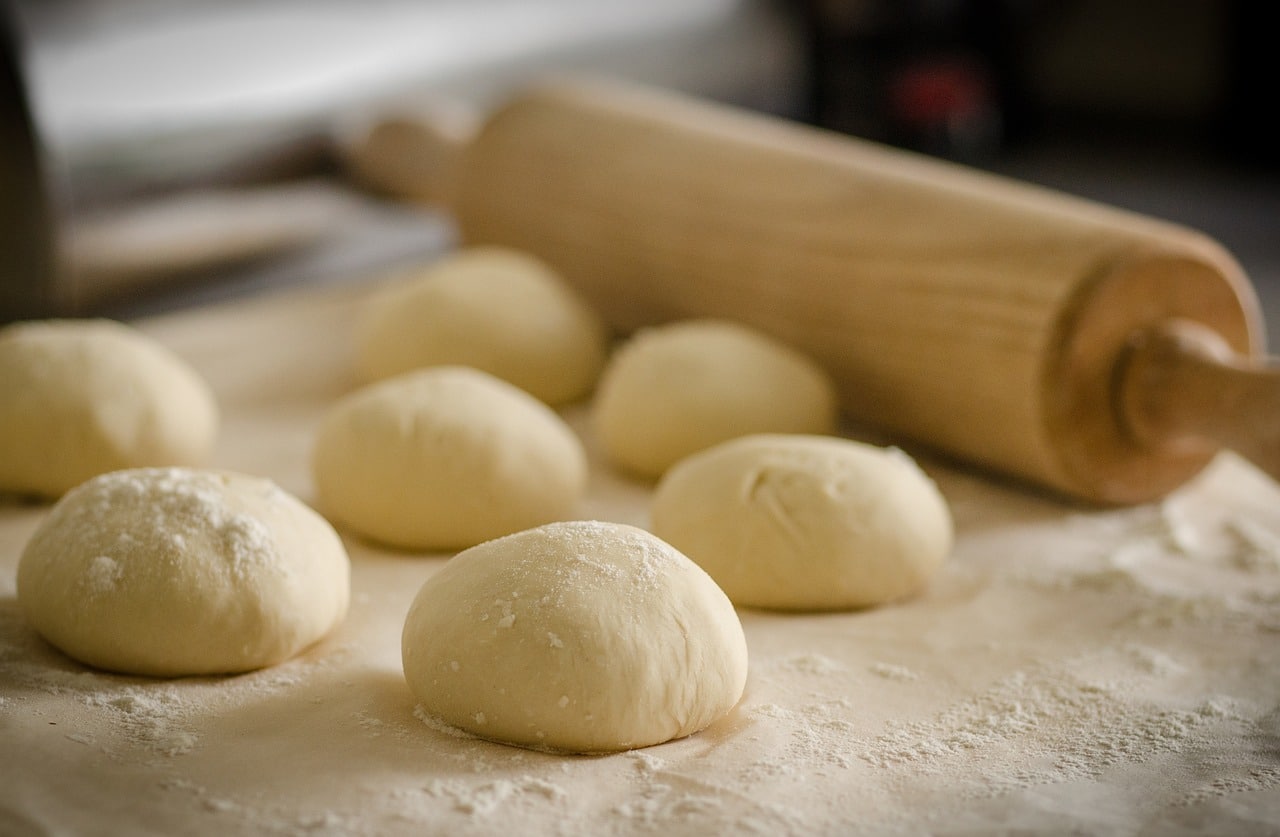
There is something almost magical about pulling a golden, fragrant loaf of white bread from the oven — and the best part is that it comes together from just a handful of everyday ingredients. Whether you are baking your very first loaf or you have made dozens and want to understand the process more deeply, knowing what each ingredient actually does will make you a more confident, capable baker.
White bread is one of the most satisfying things you can make at home. It is soft, fluffy, and full of that fresh-baked aroma that makes your whole kitchen feel cozy — simple, reliable, and perfect for everything from morning toast to your favorite sandwiches. The secret to getting it right every time is not a complicated technique; it is understanding the role of each ingredient you add to the bowl. Once you know why something goes in, you will know exactly what to expect from your dough — and how to fix it if something goes sideways.
Below, you will find a breakdown of all seven ingredients for white bread, what they contribute to your loaf, and a few tips to help you use each one well. If you enjoy baking from scratch, you might also want to explore the ingredients for bread more broadly, or check out these ingredients for pancakes for another easy homemade staple.
All-Purpose Flour
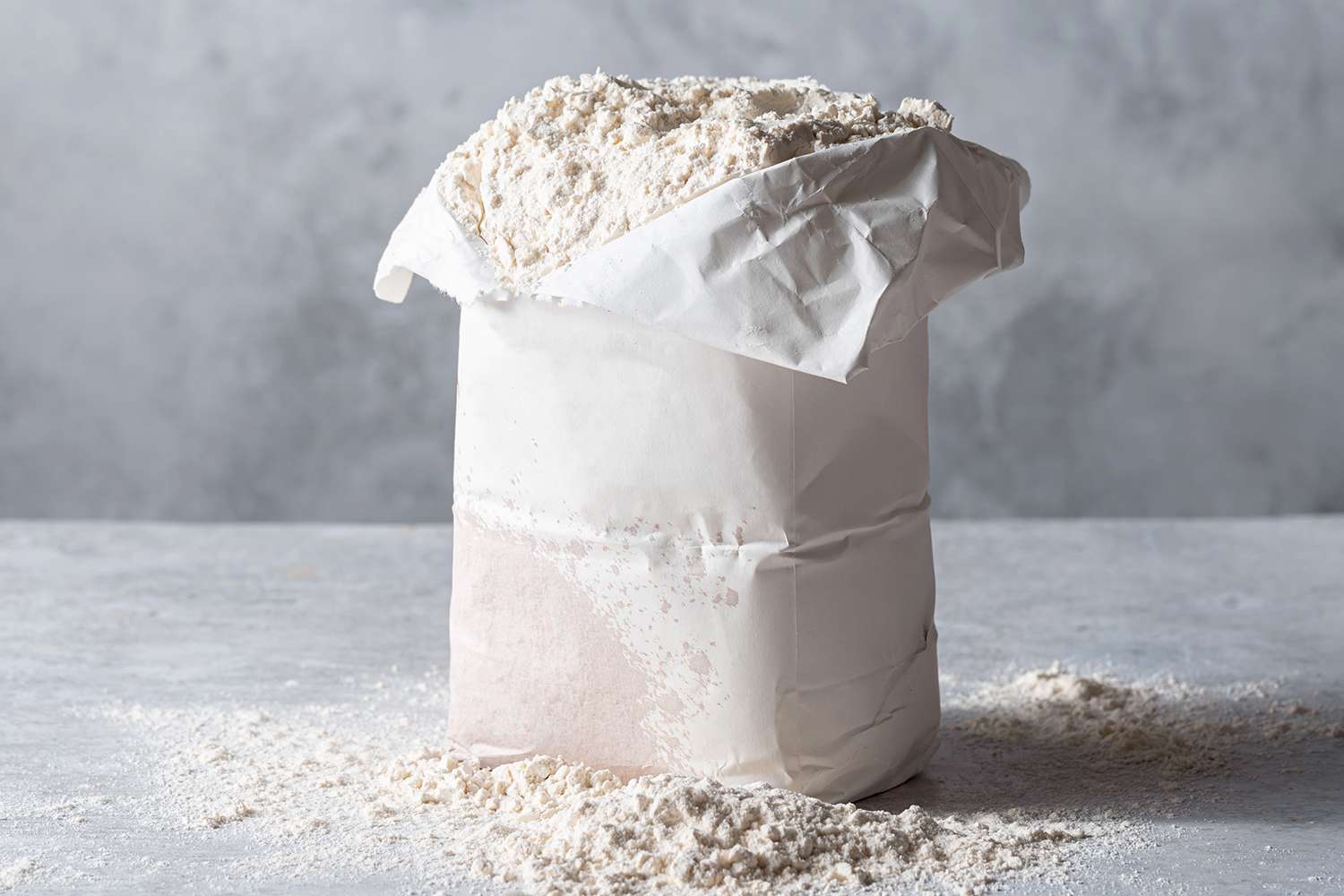
Flour is the foundation of your loaf — without it, there is simply no bread. It serves as the backbone of any bread recipe, providing the essential structure and framework that holds everything together. When flour meets water and is worked into dough, proteins in the flour bond together to form gluten, the stretchy network that gives bread its shape, chew, and ability to trap gas bubbles during rising.
All-purpose flour is the most versatile flour option, made from a combination of hard and soft wheat with a medium protein level of around 11–12%, making it suitable for a wide variety of loaves. That protein balance is what makes it such a reliable everyday choice — it develops enough gluten to give your bread structure without making the crumb overly dense or tough.
Use regular all-purpose flour for a soft and fluffy result. Bread flour works too and gives a slightly chewier texture, but all-purpose keeps it light. Always measure by spooning flour into the cup and leveling it off. Scooping directly from the bag compacts the flour and can throw off your dough consistency, so take a moment to measure carefully every time.
Pro Tip: If you want a chewier loaf with a sturdier crust, swap all-purpose flour for bread flour. You may need to add a touch more water since higher-protein flour absorbs more liquid.
Water

Water does far more in bread dough than simply making it wet. It is the second essential ingredient in bread dough and plays several important functions during the kneading process, rising time, and baking — hydrating the starch molecules and allowing them to form the gluten network that gives bread its structure and texture.
Beyond building gluten, water is also what brings yeast to life. Water allows the yeast to dissolve and penetrate the dough, enabling it to produce gas that causes the dough to rise. It also regulates the rate of yeast fermentation, which gives bakers control over the fermentation process. It even helps dissolve other dry ingredients like salt and sugar, ensuring they are evenly distributed throughout every slice.
Temperature is the most important thing to get right with water. Yeast loves a warm, cozy environment. The water should be 95°F to 105°F (35°C to 40°C) — too hot will kill the yeast, too cold will not activate it. If it feels like a warm bath when you touch it, it is perfect.
Important Note: Avoid using mineral water in your bread dough. The minerals it contains can interfere with yeast fermentation and slow down your rise.
Instant Yeast
Yeast is the ingredient that transforms a dense lump of dough into a light, airy loaf. Yeast is the heart of bread’s rise and flavor. It ferments the natural sugars in the flour, producing carbon dioxide and alcohol, which cause the bread to rise and develop complex flavors. Those carbon dioxide bubbles get trapped in the gluten network, and as they expand during baking, they create the soft, open crumb you love in a good white loaf.
Instant yeast is the easiest option because you can add it straight into the bowl without proofing. If you only have active dry yeast, dissolve it first in warm water with a bit of sugar until it foams. That convenience makes instant yeast a go-to for home bakers — one less step, and the results are consistently reliable.
One of the most important things to check before starting is that your yeast has not expired. If it does not activate and ferment, the bread will not rise properly. Make sure your yeast is fresh — if it has been open for months, it might be too weak to rise properly.
Pro Tip: Store opened yeast in an airtight container in the refrigerator or freezer to extend its shelf life and keep it active for longer.
Sugar

Sugar plays two important roles in white bread: it feeds the yeast and it flavors the loaf. Granulated sugar feeds the yeast and helps it produce gas, which will cause the bread to rise. In other words, sugar is not just about sweetness — it is fuel for fermentation, helping your dough puff up beautifully in the oven.
Beyond the yeast, sugar also contributes to the color and taste of your finished loaf. It helps the crust brown to that gorgeous golden shade and adds just a hint of sweetness to the crumb that makes homemade white bread so much more satisfying than a store-bought slice. You can use honey in place of the granulated sugar to feed the yeast if you prefer a slightly different flavor profile or want to experiment with natural sweeteners.
You have some flexibility with how much sugar you use. A little goes a long way, and even a small amount makes a noticeable difference in how your loaf rises and tastes. If you are curious about baking with other enriched doughs, take a look at these ingredients for red velvet cake to see how sugar works differently in cake batters.
Key Insight: Sugar also slows the staling process slightly, helping your homemade loaf stay soft for a day or two longer than a plain, unsweetened dough would.
Butter
Butter is what gives homemade white bread its rich flavor and tender, pillowy crumb. Butter is what gives this easy white bread recipe its rich flavor and tender crumb. Use unsalted butter so the loaves do not turn out too salty. Unsalted is always the better choice here because it lets you control the total salt level in your dough with precision.
Fats like butter add richness, moisture, and make the bread tender. They do this by coating some of the gluten strands, which shortens them slightly and produces a softer, more delicate bite. The result is a loaf that feels luxurious rather than chewy or tough — the kind of bread that is equally wonderful as toast and as a sandwich base.
How you add butter matters. Do not use hot melted butter. Melt the butter, then let it cool slightly — about 10 minutes. When added to the yeast mixture, it should be less than 105°F, or it could kill the yeast. Taking that small extra step protects all the work your yeast has done and keeps your dough rising the way it should.
You can also use butter to finish your loaf. Brushing the top of a freshly baked loaf with a little melted butter while it is still warm gives it a glossy, soft crust that looks beautiful and tastes even better. For more ideas on how fats and rich ingredients work in baking, browse these most expensive ingredients used in gourmet cooking.
Salt

Salt might seem like a minor player, but leaving it out is one of the most noticeable mistakes you can make in bread baking. Salt shares some functions with sugar in its role in baking. It not only adds flavor to bread, but it also brings out the best in the flavors of its fellow ingredients. A loaf of bread without salt will taste bland.
Salt also does important structural work inside the dough. Salt helps to strengthen the gluten network in bread dough, allowing it to trap more carbon dioxide and give volume to the loaf. A bread dough lacking in salt will be very short and sticky and will result in bread that is dense and doughy. That means salt is not just a seasoning — it is an active participant in building the texture of your loaf.
At the same time, salt keeps fermentation in check. Salt is a very important ingredient in bread making. It is used to enhance the flavor and also to control the fermentation, strengthening the gluten and preventing the dough from rising too much or collapsing during baking. This balancing act between encouraging a good rise and preventing over-fermentation is one of the reasons salt is considered non-negotiable in almost every bread recipe.
Common Mistake: Never add salt directly on top of your yeast before mixing. Salt can draw moisture from yeast cells and weaken them before they even get started. Mix your dry ingredients together first, or add salt and yeast to the bowl separately.
Whole Milk

Whole milk is the ingredient that takes a good white loaf and makes it genuinely great. Milk is used to add flavor. It enriches the dough and gives the bread a creamy color, soft crumb, and a golden crust. The fat and natural sugars (lactose) in milk contribute to a loaf that is noticeably more tender and flavorful than one made with water alone.
Substituting water with milk introduces additional sugar (lactose) and fat. This results in a softer crumb and a more golden crust. Milk also enriches the bread’s flavor and nutritional content. Whole milk in particular delivers the most richness because of its higher fat content, which is why it is the preferred choice for a classic, pillowy white sandwich loaf.
White bread will have a particularly white crumb if milk is included as part of the liquid. That bright, clean interior is one of the hallmarks of a well-made white loaf, and whole milk is a big part of achieving it. Like water, milk should be warmed before it goes into your dough — lukewarm milk keeps the yeast happy and active.
Whole milk is the preferred choice for bread. It helps to keep the bread moist and tender. If you enjoy baking with dairy-forward recipes, you might also love exploring the ingredients for coconut bread for a tropical twist, or the ingredients for raisin bread for a naturally sweet variation. And if you or someone in your household needs to avoid gluten entirely, the ingredients for gluten-free bread offer a helpful starting point for adapting your baking.
Pro Tip: Warm your milk to the same temperature as your water — around 100°F to 110°F — before adding it to the dough. Cold milk straight from the refrigerator can slow yeast activity and lead to a sluggish first rise.
Putting It All Together
Every one of these seven ingredients for white bread has a specific job to do, and they all work together to create something greater than the sum of their parts. Flour builds the structure, water activates and hydrates, yeast provides the lift, sugar feeds the fermentation, butter adds richness and tenderness, salt controls flavor and gluten, and whole milk brings everything together with a softer crumb and a golden crust.
When you understand what each ingredient contributes, you stop guessing and start baking with intention. You will know why your dough feels the way it does, what to adjust if something seems off, and how to get consistent results every single time. The more loaves you bake, the more intuitive it becomes — and there is nothing quite like the confidence that comes from truly knowing your ingredients.
Ready to keep exploring? Check out the full list of bread ingredients for a wider look at what goes into different styles of loaves, browse these foods that are white for more inspiration, or discover how other baked goods come together with the ingredients for macaroni salad and other crowd-pleasing recipes on the site.