14 Ingredients for Potato Bread That Make Every Loaf Soft and Pillowy

November 13, 2026

There is something genuinely magical about pulling a loaf of potato bread from the oven — the golden crust, the pillowy crumb, and that warm, subtle sweetness that makes even a plain slice feel like a treat. If you have ever wondered why homemade potato bread turns out so much softer and more tender than a standard white loaf, the answer lives entirely in the ingredient list.
Each component plays a specific role in building the texture, flavor, and structure that makes potato bread so beloved. Whether you are baking your very first loaf or refining a recipe you have made a dozen times, understanding what goes into the dough — and why — puts you in complete control of the result. Explore all the ingredients for bread that matter most, starting with the star of the show.
Pro Tip: Read through all 14 ingredients before you start baking. Knowing how each one functions helps you make smart substitutions and troubleshoot any issues along the way.
Mashed Potatoes

Mashed potatoes are the defining ingredient in potato bread, and their impact on the finished loaf is hard to overstate. Potatoes are great at holding onto moisture, which makes the loaf extra-soft, and the starches in the potato also help the loaf stay fresh for longer. That combination of softness and extended shelf life is exactly why so many bakers keep coming back to this recipe.
High-starch potatoes like Russets or Idaho varieties are strongly recommended because they break down into a fluffy mash that creates a light, airy crumb. Waxy potatoes like Red Bliss or fingerlings have a low starch content that can create a gummy, heavy dough. Stick with Russets whenever you can.
Let the mashed potatoes cool to room temperature before adding them to the dough to avoid the bread becoming tough. If you are using leftover mashed potatoes from dinner, that works beautifully too — just make sure they are plain and unseasoned so you can control the salt level yourself.
Key Insight: Potato bread offers more than great texture. Potato bread is generally healthier than white bread — thanks to the added mashed potatoes, it offers more fiber, potassium, and Vitamin E than refined wheat bread, though the calorie and carbohydrate counts are similar.
All-Purpose Flour

All-purpose flour is one of the most common flour choices in potato bread recipes, and it brings a balance of structure and tenderness that works well for home bakers. All-purpose flour has the perfect amount of gluten to develop a strong network while remaining tender and soft. That balance is especially important in potato bread, where you want enough structure to hold the loaf’s shape without sacrificing that signature pillowy bite.
All-purpose flour works in potato bread, though the loaf will be slightly denser than one made with bread flour. For many bakers, that slight density is actually desirable — it gives the bread a more substantial, satisfying chew. You can also blend all-purpose and bread flour together to land somewhere in between, which is a popular approach among experienced home bakers.
When measuring all-purpose flour, spoon it gently into your measuring cup and level it off rather than scooping directly from the bag. Scooping packs the flour and can throw off your dough consistency significantly, leading to a loaf that is drier and tougher than intended.
Bread Flour
Bread flour is the go-to choice when you want maximum lift and a light, elastic crumb. Bread flour has more protein than all-purpose flour, which helps with gluten development. That extra protein creates a stronger gluten network, which traps the gas produced by yeast more effectively and results in a taller, airier loaf.
Bread flour is perfect for a light, airy, and elastic crumb. If you love the kind of potato bread that springs back when you press it and holds up beautifully to sandwich fillings without compressing, bread flour is your best bet. Some bakers use half bread flour and half all-purpose, and using half bread flour gives the bread a nice chew while keeping it fluffy.
Store bread flour in an airtight container in a cool, dry place. Because of its higher protein content, it can absorb moisture from the air more readily than all-purpose flour, which can affect how your dough comes together on humid baking days.
Instant Yeast
Instant yeast is one of the most convenient leavening options for potato bread, and it is a favorite among both beginner and experienced bakers. Instant yeast activates faster and does not require proofing. You can add it directly to your dry ingredients without dissolving it in water first, which simplifies the mixing process considerably.
Instant yeast works perfectly in potato bread and has a strong track record of reliable results. Because potato bread dough tends to be stickier and richer than standard white bread dough, having a reliable, fast-acting yeast helps ensure a consistent rise even when the dough feels a little unusual to work with.
Keep instant yeast sealed in an airtight container in the refrigerator or freezer to extend its shelf life. Always check the expiration date before baking — expired yeast is one of the most common reasons a bread loaf fails to rise properly, and it is an easy problem to avoid.
Pro Tip: If your room is too cold, it can prevent dough from rising. Yeast loves a warm, draft-free environment. Try placing your covered dough bowl in an oven with just the light on for a gentle, consistent rise.
Active Dry Yeast
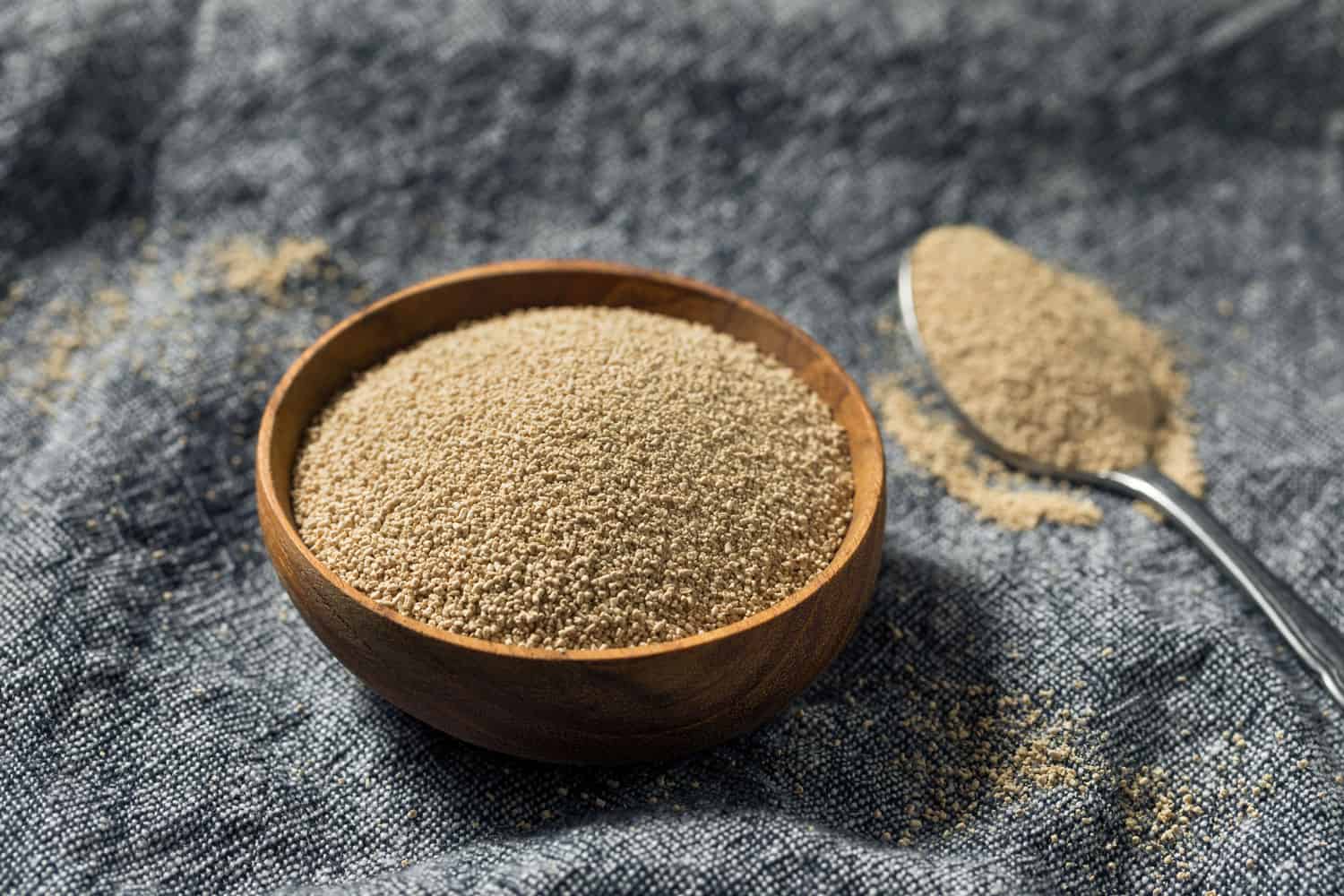
Active dry yeast is the traditional choice for potato bread, and it produces a beautifully risen loaf with a slightly more complex flavor than instant yeast. The key difference is in how you use it. Active dry yeast must be dissolved in warm liquid first and may slightly increase rise times. This step, called proofing, also gives you a chance to confirm that your yeast is alive and active before you invest time in making the dough.
To activate it, whisk the warm water with sugar, sprinkle the active dry yeast over the surface, and let it sit for five to ten minutes until foamy and fragrant. If it does not foam, the yeast is likely dead and should be replaced before you proceed. The liquid temperature matters here — too cold and the yeast will not activate; too hot and you will kill it.
The ideal temperature range for activating active dry yeast is between 110°F and 115°F. Use a kitchen thermometer if you are unsure, especially if you are new to bread baking. Getting this step right is the foundation of a successful loaf, so it is worth taking a moment to check.
Water

Water is essential to potato bread dough — it hydrates the flour, activates the yeast, and helps develop the gluten network that gives the bread its structure. One of the most interesting variations you can use is potato water, the starchy liquid left over from boiling your potatoes. You can use lukewarm water or potato water — water in which potatoes have been boiled — and the amount may vary depending on humidity and season.
Potato water is worth saving whenever you boil potatoes from scratch for this recipe. The dissolved starch adds extra softness and a subtle flavor boost to the finished loaf. Draining the water from your cooked potatoes and saving it to use in the recipe is a great way to deepen the potato flavor throughout the bread.
Water temperature is just as important as the amount you use. Warm water — around 110°F — is ideal for activating yeast and encouraging a good rise. Cold water slows yeast activity, while boiling water will kill it entirely. When in doubt, aim for water that feels comfortably warm to the touch, similar to a warm bath.
Milk

Milk enriches potato bread dough in a way that plain water simply cannot match. The fat and protein in milk tenderize the crumb, contribute to a golden crust, and add a subtle richness that makes each slice taste more satisfying. Buttermilk, as a variation, adds richness and a tangy flavor to the bread dough, but regular whole milk or 2% milk delivers a gentler, classic flavor that works well in most recipes.
Like water, milk should be warmed before adding it to your dough — cold milk can slow yeast activity and result in a sluggish rise. Aim for the same temperature range you would use for water, around 110°F to 115°F. If you forget to warm it ahead of time, a quick 20 to 30 seconds in the microwave usually does the trick.
Milk is also what makes potato bread an enriched dough, meaning it contains fat-based ingredients that slow gluten development slightly and produce a more tender, delicate crumb. Enriched doughs include butter, milk, and eggs in addition to your typical bread ingredients, and that combination is what sets potato bread apart from leaner, chewier artisan loaves. You can also explore other enriched bakes like ingredients for coconut bread for a similarly tender result.
Butter
Butter is one of the most important flavor ingredients in potato bread, and it does double duty as both a taste enhancer and a texture improver. Unsalted butter allows you to control the flavor of the dough while still adding all the buttery goodness. Using unsalted butter is the safest choice because it keeps the salt level in your recipe predictable and consistent.
Thanks to the butter in the dough, the bread smells absolutely amazing as it bakes in the oven. That irresistible aroma is one of the great joys of homemade bread, and butter is largely responsible for it. Beyond fragrance, butter coats the gluten strands in the dough, making them slide past each other more easily and resulting in a crumb that is tender rather than chewy.
For most potato bread recipes, softened room-temperature butter is ideal because it incorporates evenly into the dough without creating pockets of unblended fat. You can mix the butter with the hot potatoes or use softened butter added to the dough directly. Either method works well, so choose whichever fits your workflow best. A light brush of melted butter over the top of the loaf right after baking adds a beautiful sheen to the crust.
Common Mistake: Salted potatoes can lead to overly salted bread. If your mashed potatoes were seasoned, reduce or skip the added salt in your recipe to keep the flavor balanced.
Eggs

Eggs bring structure, richness, and color to potato bread in a way that few other single ingredients can. Enriching the dough with an egg adds moisture and binds the ingredients together for a cohesive, tender crumb. The yolk contributes fat for flavor and that characteristic golden hue, while the white adds protein that helps the loaf hold its shape during baking.
Somehow, the combination of potato, butter, and eggs produces an elusive hint of cheese in the final loaf — a subtle, savory undertone that makes potato bread uniquely satisfying even when eaten plain. This flavor complexity is one of the reasons people who bake potato bread once tend to keep making it.
Use large eggs at room temperature for the best results. Cold eggs can cause the butter in an enriched dough to seize up and clump, which makes it harder to achieve a smooth, evenly mixed dough. If you forgot to take your eggs out of the fridge ahead of time, place them in a bowl of warm water for five to ten minutes before using them. For more egg-forward recipes, check out the ingredients for egg salad to put your freshly baked loaf to good use.
Salt

Salt might seem like a minor player in a bread recipe, but it is absolutely essential to the final product. Salt controls yeast activity, strengthens the gluten network, and — most importantly — brings all the other flavors in the loaf into focus. Without it, even the richest potato bread will taste flat and one-dimensional.
The timing of when you add salt matters in bread baking. When boiling your potatoes, avoid salting the water — salted water plus salted dough equals an overly salted loaf. Similarly, if you are using pre-seasoned leftover mashed potatoes, taste your dough before adding the full amount of salt called for in your recipe.
Salt also plays a structural role by tightening the gluten network, which helps the dough hold its shape during proofing and baking. Too little salt and your loaf may spread rather than rise; too much and it can inhibit yeast activity and slow the rise. Getting the balance right is one of the small details that separates a good loaf from a great one.
Sugar

Sugar in potato bread does more than add sweetness — it feeds the yeast, promotes browning, and contributes to the soft, tender texture that makes this bread so appealing. There is a little bit of sugar in potato bread for flavor and caramelization of the crust, and to give the yeast an easy, readily accessible food supply to get the party started. That combination of functions makes sugar a genuinely multitasking ingredient.
Granulated white sugar is the most common choice and works reliably in most potato bread recipes. The amount used is typically modest — just enough to support the yeast and add a gentle background sweetness without making the loaf taste like a dessert. That subtle sweetness is part of what makes potato bread so versatile, pairing equally well with savory sandwich fillings and sweet spreads like jam or honey butter.
If you prefer a slightly more complex flavor, you can substitute a small portion of the granulated sugar with brown sugar or honey. Just keep in mind that liquid sweeteners like honey will slightly change the hydration of your dough, so you may need to reduce the water slightly to compensate. Speaking of honey, it deserves its own spotlight a little further down this list.
Key Insight: Sugar and salt work together in bread dough. Sugar accelerates yeast activity early in the process, while salt regulates it throughout. Adding both in the right amounts keeps the fermentation process balanced and the rise predictable.
Olive Oil
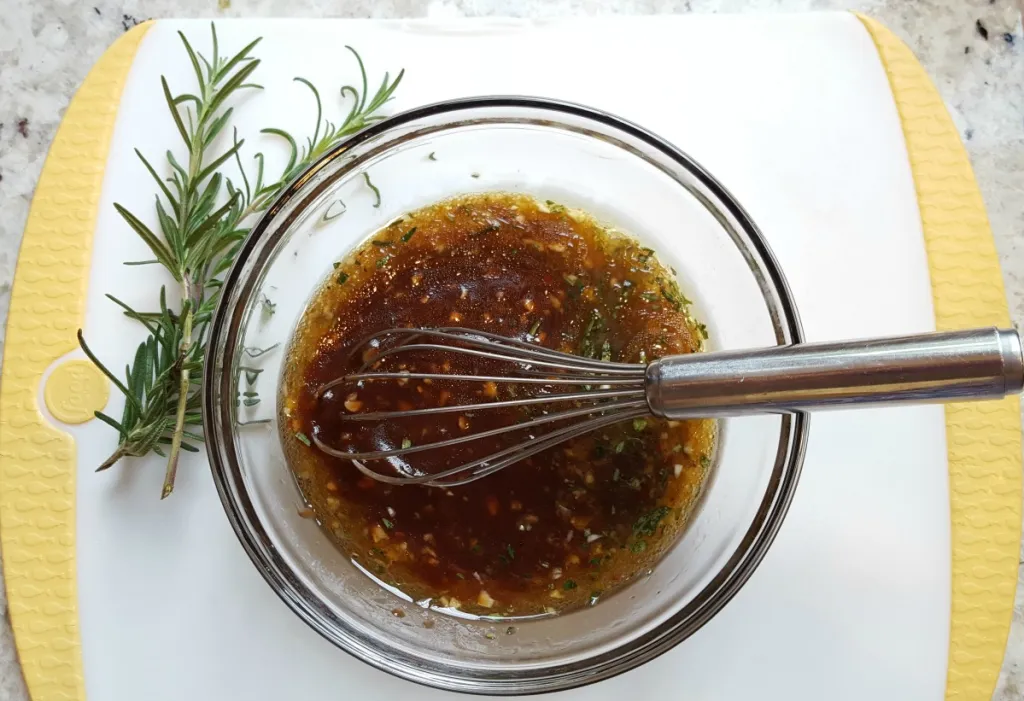
Olive oil is a popular dairy-free alternative to butter in potato bread, and it produces a loaf that is moist, flavorful, and wonderfully tender. Oil-based potato bread recipes tend to be slightly simpler to make because oil incorporates into dough more easily than solid fat, and there is no risk of it seizing up if the dough is too cold.
Some potato bread recipes contain no eggs, milk, or butter, relying on oil as the primary fat source instead. These versions are naturally dairy-free and can even be vegan, making olive oil an excellent choice for bakers who need to accommodate dietary restrictions without sacrificing flavor or texture. If you are interested in other dairy-free baking options, take a look at the ingredients for gluten-free bread for further inspiration.
Extra-virgin olive oil adds a mild, fruity note that complements the earthy flavor of the potatoes beautifully. If you prefer a more neutral flavor, a light olive oil or any neutral vegetable oil works just as well. Add the oil along with water when forming the dough, then transfer to a lightly floured surface and knead for five to seven minutes. The result is a smooth, supple dough with excellent texture.
Potato Flakes
Potato flakes — also known as instant mashed potato flakes — are a convenient and surprisingly effective shortcut ingredient in potato bread. Instant mashed potatoes from a box are pre-cooked and then dried, and because they are dry, the amount of liquid in the recipe can be calibrated perfectly every single time for one successful loaf after another. That consistency is a real advantage, especially for bakers who want reliable results without the variability that comes with fresh potatoes.
Potato flakes absorb liquid and rehydrate during mixing, contributing the same starch and moisture-retaining properties as fresh mashed potatoes. While you can use instant potato flakes, fresh mashed potatoes provide superior moisture retention and a depth of flavor that creates a truly bakery-quality loaf. That said, potato flakes are a perfectly respectable option when time is short or fresh potatoes are not on hand.
When using potato flakes, look for plain, unflavored varieties without added butter, salt, or seasoning packets. Flavored instant potato products can introduce unexpected flavors and excess sodium that throw off the balance of your recipe. Plain potato flakes give you the same textural benefits while letting you stay in full control of the seasoning.
Honey

Honey is a wonderful natural sweetener that brings warmth, depth, and a gentle floral note to potato bread. Unlike granulated sugar, honey is a humectant — meaning it actively attracts and retains moisture — which contributes to an even softer crumb and a loaf that stays fresh a little longer than one made with plain sugar alone.
Honey also feeds the yeast and promotes a beautiful golden-brown crust during baking, similar to the way sugar does. The natural sugars in honey are slightly more complex than those in refined white sugar, which gives the finished loaf a subtly richer flavor that pairs especially well with butter or nut butter spreads. It is a small change that makes a noticeable difference in the overall character of the bread.
When substituting honey for sugar in a potato bread recipe, use a slightly smaller amount since honey is sweeter by volume than granulated sugar, and reduce the other liquid in your recipe slightly to account for honey’s moisture content. Warm the honey briefly if it has crystallized — it will incorporate into the dough much more smoothly. For another recipe that uses honey as a natural flavor enhancer, the ingredients for raisin bread are worth exploring.
Pro Tip: Whether you use sugar or honey, keep in mind that an overnight rise in the fridge is key to exceptional flavor — the longer a batch of dough rises, the better its flavor will be. A slow, cold fermentation lets the natural sugars develop and deepens the overall taste of the loaf.
Putting It All Together
Every ingredient on this list has a job to do, and when they work together, the result is a loaf that is genuinely hard to beat. Homemade potato bread is a soft, fluffy loaf made with mashed potatoes for exceptional moisture and tenderness, and the simple dough comes together easily by hand and bakes up pillowy with minimal effort. Now that you understand what each ingredient contributes, you are equipped to make confident choices about substitutions, ratios, and techniques.
Start with the ingredients you have, trust the process, and do not be discouraged if your first loaf is not perfect. The bread can turn out airy or thicker, darker or lighter in color, and the dough can feel softer or denser — the difference can be caused by moisture level, hand or machine kneading, or quality of ingredients — but no matter what it looks like, it will come out great. Potato bread is a forgiving, rewarding bake that gets better every time you make it.
Once your loaf is out of the oven and cooled, the possibilities are endless. Use it for sandwiches, toast it for breakfast, or simply slice it warm and eat it with butter. Homemade potato bread will last slightly longer than other homemade breads because of the moisture-retaining properties of potato, and it can be stored at room temperature for up to three days. For more baking inspiration, browse the full ingredients tag or explore the ingredients for pancakes for your next weekend morning project.
| Ingredient | Primary Role | Best For |
|---|---|---|
| Mashed Potatoes | Moisture, tenderness, shelf life | All potato bread recipes |
| All-Purpose Flour | Structure with soft crumb | Beginner-friendly loaves |
| Bread Flour | Gluten development, lift | Light, airy, elastic loaves |
| Instant Yeast | Leavening, fast activation | Streamlined baking process |
| Active Dry Yeast | Leavening, traditional flavor | Classic, slow-rise recipes |
| Water | Hydration, gluten development | All recipes; potato water for extra flavor |
| Milk | Richness, tenderness, browning | Enriched, soft sandwich loaves |
| Butter | Flavor, tenderness, aroma | Rich, classic potato bread |
| Eggs | Structure, color, richness | Brioche-style enriched loaves |
| Salt | Flavor balance, gluten strength | Every loaf without exception |
| Sugar | Yeast food, crust browning, sweetness | Soft, slightly sweet sandwich bread |
| Olive Oil | Moisture, tenderness, dairy-free fat | Vegan or dairy-free versions |
| Potato Flakes | Consistent potato flavor and texture | Quick or no-fresh-potato recipes |
| Honey | Natural sweetness, moisture retention | Artisan or naturally sweetened loaves |
Understanding your ingredients is the first step toward baking bread that you are genuinely proud of. If you enjoy exploring what goes into beloved recipes, you might also find the ingredients for jambalaya or the ingredients for macaroni salad just as satisfying to dig into. Happy baking — your best loaf is just ahead of you.