How Much Does It Cost to Build a House in Rock Hill, SC?

October 20, 2026
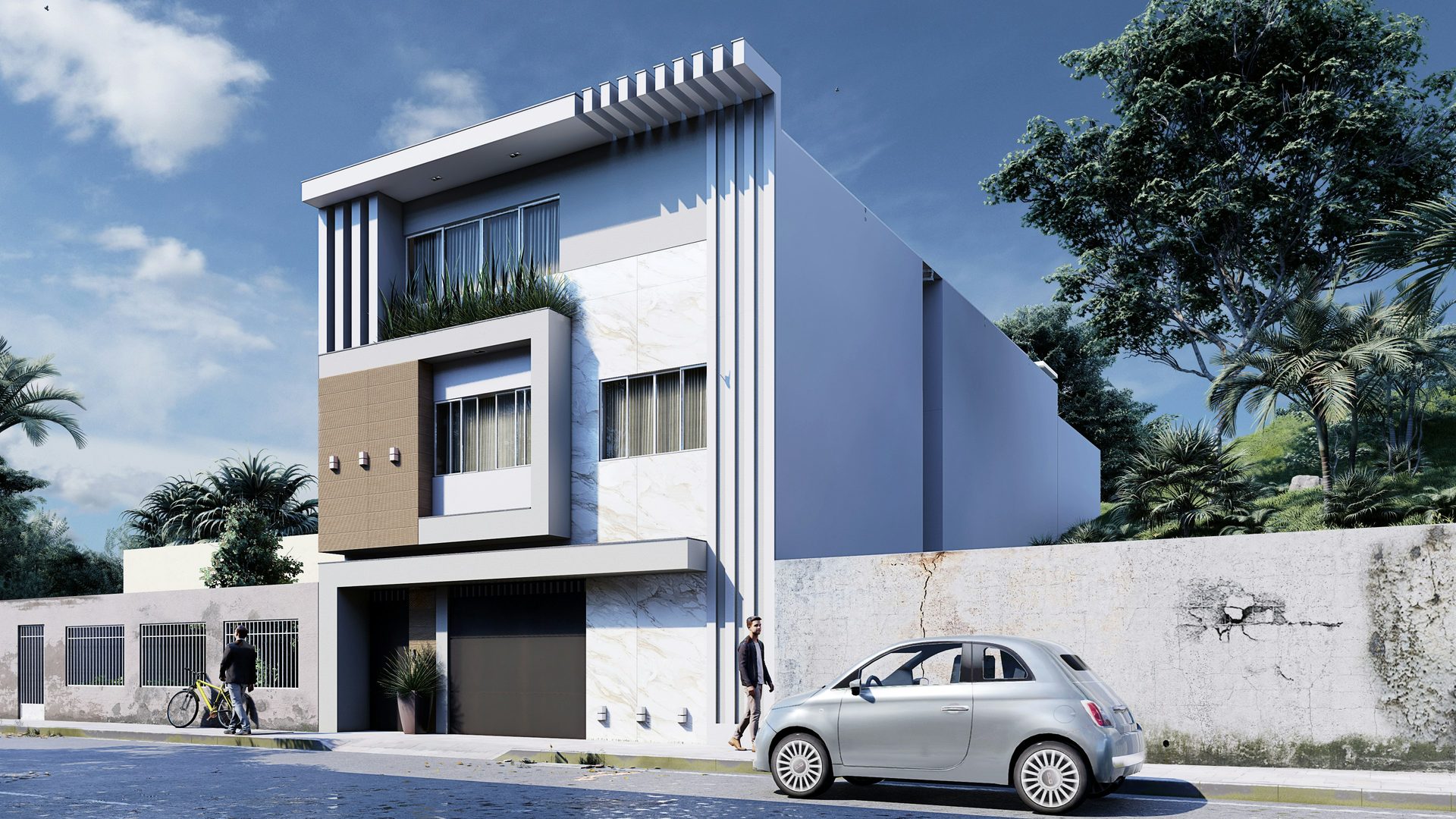
Rock Hill, SC has become one of the most sought-after places to put down roots in the entire Charlotte metro region — and for good reason. Situated in York County just south of the North Carolina border, it offers suburban convenience, strong schools, and a lower cost of living compared to its northern neighbor. But if you’re planning to build rather than buy, you need a realistic picture of what that decision actually costs.
Building a custom home gives you control over every detail, from the floor plan to the finishes. That control comes with a price tag that varies widely depending on lot size, materials, labor, and the complexity of your design. This guide walks you through every major cost category so you can plan your Rock Hill build with confidence.
Average Cost to Build a House in Rock Hill, SC
To understand what it costs to build a house in South Carolina, it helps to look at hard data for 2026. On average, construction costs in the state range from $165 to $325 per square foot. For a standard 2,000-square-foot home, this results in a total build cost — excluding land — of approximately $330,000 to $650,000.
Rock Hill sits in York County, which is part of the greater Charlotte metropolitan area. That suburban demand pushes local costs toward the middle-to-upper end of the statewide range. Building a house in South Carolina costs an average of $245 per square foot, with total project costs ranging from $180 to $310 per square foot depending on location, quality level, and specifications. Rock Hill’s proximity to Charlotte means labor and material costs tend to reflect that metro influence.
The average price to build a house in South Carolina is approximately $301,079. This amount can go beyond $500,000 if you include land costs, excavations, permits, and other expenses. For Rock Hill specifically, budgeting between $350,000 and $600,000 for a mid-range custom home — including land — is a realistic starting point for most buyers.
Key Insight: Rock Hill’s location within the Charlotte metro area means construction costs trend higher than rural South Carolina averages. Always request itemized quotes from at least three licensed contractors before committing to a budget.
Cost to Build a House Per Square Foot in Rock Hill, SC
Per-square-foot pricing is the most useful benchmark when comparing builders and home types. In Rock Hill, your cost per square foot will depend heavily on the finish level you choose — budget, mid-range, or luxury.
| Build Quality | Cost Per Square Foot | Estimated Total (2,000 sq ft) |
|---|---|---|
| Budget / Entry-Level | $165 – $200 | $330,000 – $400,000 |
| Mid-Range / Standard | $200 – $260 | $400,000 – $520,000 |
| High-End / Custom | $260 – $325+ | $520,000 – $650,000+ |
The cost per square foot of building a house in South Carolina ranges from $150.92 for craftsman-style bungalows to $603.60 for high-end plantation-style homes. In Rock Hill, standard new construction typically lands in the $200–$260 range when you factor in contractor fees and current material pricing.
According to the National Association of Home Builders (NAHB) “Cost of Constructing a Home-2024” study, the cost to build a new home averages around $162 per square foot for a 2,647-square-foot home, excluding land and the general contractor’s fee. Including the contractor’s fee typically adds 15% to 25% depending on location and market competitiveness, resulting in an average cost to build of about $195 per square foot. Rock Hill’s metro positioning pushes that figure higher than the national average.
Modular or prefabricated homes offer a lower-cost alternative. Experts estimate the standard expense per square foot of a finished modular house to be built is $120, though several modular home builders charge more because of their stylish finishes, going for as much as $200 per square foot. Overall, experts report that you will save somewhere between 10% to 20% on the entire cost of building a modular home compared to building a stick-built home.
Cost Breakdown: What You’re Actually Paying For in Rock Hill, SC
A new home build is not a single transaction — it’s a cascade of separate costs that stack up quickly. Understanding each category helps you identify where to spend and where to save.
Site Preparation
Site preparation includes surveying, grading, and excavation, and typically adds 3% to 8% to the total project cost. The cost of site preparation is typically independent of construction costs and adds $3.34 to $13.35 per square foot. If your Rock Hill lot has trees, slopes, or poor drainage, expect to land at the higher end of that range.
Foundation
Most Rock Hill homes are built on slab foundations, which are common across the South Carolina Piedmont. Slab construction generally costs less than crawl space or full-basement foundations, though some builders in the area do offer crawl space options for improved moisture management.
Framing and Structure
Framing is typically one of the largest hard-cost line items, consuming roughly 15–20% of the construction budget. Lumber prices have stabilized from their post-pandemic highs but remain elevated compared to pre-2020 levels, which affects every builder in the market.
Mechanical Systems (Plumbing, Electrical, HVAC)
The cost to install sinks, faucets, showers, and PVC pipes throughout a home is between $67.52 and $125 per square foot, plus parts and materials. HVAC systems in South Carolina’s humid climate are a critical investment — undersizing the system to save money upfront typically results in higher energy bills and premature equipment failure.
Interior Finishes
Features like granite countertops and teak wood cabinets in kitchens may cost between $13.86 and $128.65 per square foot. Interior finishes are the most variable cost category in any build — this is where the gap between a $200/sq ft and a $325/sq ft home is most visible.
Professional Fees
Professional fees usually cost between 8% and 15% of a home’s total project cost, with asking prices ranging from $11.82 to $88.68 per square foot. For a 1,846-square-foot home, professional fees cost a minimum of $21,819. This category covers architects, engineers, and permit expeditors.
Permits and Inspections
Indirect costs like permits, land prep, and interiors can exceed $25,000. Permits alone may cost up to $3,000. The Planning and Development Services Department in York County oversees all aspects of land development in the unincorporated areas, including zoning, permitting, and environmental compliance. For properties within Rock Hill city limits, permits are issued through the City of Rock Hill’s planning and development office.
Important Note: All residential construction in Rock Hill must be performed by a properly licensed contractor. Contractors must be licensed through the South Carolina Department of Labor, Licensing, and Regulation (SC LLR). Verify your builder’s license before signing any contract.
Interior Furnishings
For a 3,000 sq ft home, you should budget at least $20,000 for interior furnishings. This is a line item many first-time builders forget until move-in day. Include it in your total budget from the start.
Cost of Land in Rock Hill, SC
Land is often the most unpredictable cost in a Rock Hill build, and York County’s position in the Charlotte metro area means prices are significantly higher than the statewide average.
York County, as part of the Charlotte metro area, sits at a median price of $65,625 per acre, according to 2025 data from Prime Land Buyers. That figure is nearly three times the statewide average. The average price per acre in South Carolina overall is $22,100, and this depends on the size and location of the land. Rock Hill’s land market reflects the premium that comes with Charlotte metro access.
Within Rock Hill itself, residential lot prices vary considerably depending on the subdivision, proximity to amenities, and lot size. Smaller infill lots in established neighborhoods typically start around $40,000–$70,000, while larger parcels on the outskirts of the city can run $80,000–$150,000 or more for a buildable acre.
Before construction begins, you must clear and level the land. This can cost anywhere between $1,500 and $3,000 for a standard residential lot, though heavily wooded or sloped land will cost more to prepare.
Pro Tip: Contact a Rock Hill custom home builder before purchasing land. Rock Hill custom home builders usually accommodate customers who already possess land, but it can also be effective to get a hold of a building contractor while you’re still searching, as they will assist you in obtaining a better concept of the sort of land you’ll prefer to build on.
If you’re comparing land costs across different housing markets, it’s worth noting how Rock Hill stacks up against other metros. Apartment and housing costs in cities like North Carolina and Orlando, Florida reflect similar suburban growth dynamics that drive land values up.
Factors That Affect Building Costs in Rock Hill, SC
No two builds cost the same, and several local and market-level forces will push your Rock Hill project’s final number up or down.
Location Within York County
The cost per square foot is heavily influenced by land value and demand. Coastal areas reflect high desirability, while inland areas benefit from lower land costs. Suburban areas like Summerville and Greenville balance affordability and amenities. In York County, being closer to the Charlotte border or Fort Mill tends to push both land and labor costs higher due to competition from the booming Charlotte market.
Home Size and Design Complexity
The size of the home affects cost per square foot, with smaller homes having a higher cost per square foot than larger homes. An elaborate roofline, open-concept great room, or multi-story layout all add to framing and structural costs. Simple rectangular footprints are the most cost-efficient to build.
Material Selection
Construction material prices can fluctuate due to market demand, supply chain disruptions, and economic factors. Keeping abreast of these trends and exploring cost-effective alternatives can help mitigate expenses. Choosing fiber cement siding over brick, or laminate countertops over quartz, can save tens of thousands of dollars without sacrificing durability.
Labor Availability
Rock Hill’s construction market is competitive, with builders serving both the Charlotte metro and the broader Piedmont region. Skilled subcontractor availability — particularly for electricians, plumbers, and HVAC technicians — can affect both cost and timeline. The average home build takes six to nine months to complete depending on the home, weather, and material delays.
Seasonal Timing
The builders’ market is typically hot in summer when most US constructions take place. Scheduling your project for the fall or spring can save you money by reducing competition for subcontractor time and potentially lowering material lead times.
Contractor Type and Contract Structure
There are two ways that Rock Hill new home builders earn from housing projects: the bidding method and the cost-plus method. Most new home builders use the bidding method, where a builder gets quotations from subcontractors or uses their judgment to arrive at a reasonable cost for the project. Builders typically add their profit together with a contingency fee that is usually 10% of the overall cost.
Understanding how your builder structures their fees is essential. A fixed-price contract gives you cost certainty; a cost-plus contract can work in your favor if you make fewer change orders. You can learn more about how construction costs compare in other high-growth housing markets like Phoenix and Miami, where similar suburban demand dynamics are at play.
Building vs. Buying a House in Rock Hill, SC
Before you commit to a build, it’s worth doing an honest comparison against buying an existing home in Rock Hill. Both paths have meaningful financial and lifestyle trade-offs.
| Factor | Building New | Buying Existing |
|---|---|---|
| Upfront Cost | Higher (construction + land) | Lower (purchase price only) |
| Customization | Full control over design | Limited to renovations |
| Timeline | 9–12 months to move in | 1–2 months to close |
| Immediate Repairs | None (new systems) | Possible (older systems) |
| Energy Efficiency | Modern standards | Varies by age |
| Warranty | Builder warranty included | As-is or home warranty |
In South Carolina, buying an existing home is typically 10–20% less expensive upfront than building new. However, building new offers long-term value through modern energy efficiency — saving 30–50% on utilities — along with no immediate repairs, warranties, and complete customization.
While new homes take 9–12 months to complete, homes for sale in South Carolina close in just 1–2 months, with more listings and lower prices. If speed to occupancy is a priority, buying an existing home is almost always the faster path.
Homes in South Carolina cost a median of $381,900. You can also easily find homes for sale in South Carolina in 1.5 to 2 months. So, buying a turnkey home is not just cheaper but also faster in the current South Carolina housing market.
That said, if you have a specific vision for your home — lot size, layout, energy systems, or location — building new in Rock Hill gives you options that the existing inventory simply cannot match. The premium you pay upfront can pay dividends in lower maintenance costs and higher resale value over a 10–20 year horizon.
For renters weighing their options before committing to a build or purchase, comparing rental markets in cities like Washington, DC, New Jersey, and San Francisco can help put Rock Hill’s housing costs in broader perspective.
How to Save Money When Building a House in Rock Hill, SC
Building a home doesn’t have to mean blowing your budget. With smart planning and the right decisions at each stage, you can meaningfully reduce your total cost without sacrificing quality.
1. Keep the Footprint Simple
Complex rooflines, bump-outs, and irregular shapes dramatically increase framing and roofing costs. A simple rectangular or L-shaped floor plan is the single most effective way to reduce your per-square-foot cost without changing the size of your home.
2. Choose a Stock Plan Over a Fully Custom Design
Architect fees for a fully custom design can run $20,000–$50,000 or more. Although choosing stock plans over a custom design can seem like a rational cost-saving assumption, the financial savings of developing a custom design versus finding a “stock” home plan is essentially a wash — stock plans are created to accommodate a “general” listing of necessities to capture the fancy of a broader audience. That said, purchasing a pre-drawn plan and modifying it to your needs is often faster and cheaper than starting from scratch.
3. Time Your Build Strategically
The builders’ market is typically hot in summer when most US constructions take place. Scheduling the project for the fall or spring can save you money by giving you more leverage in contractor negotiations and potentially faster permit processing when municipal offices are less backlogged.
4. Get Multiple Bids and Understand the Contract
Never accept the first quote you receive. Getting at least three bids from licensed Rock Hill contractors gives you a realistic market range and negotiating leverage. Always obtain multiple detailed quotes from licensed contractors before signing anything.
5. Prioritize Where You Splurge
Spend on items that are expensive to change later — foundation, framing, roofing, windows, and HVAC. Save on items that are easy and affordable to upgrade over time, such as light fixtures, cabinet hardware, and interior paint colors.
6. Consider a Modular or Prefab Build
Modular homes in Rock Hill provide many selections and help you save time and funds compared to conventional construction methods. If customization is a priority but budget is tight, a semi-custom modular home can deliver a high-quality result at 10–20% less than site-built construction.
7. Look Into a Construction-to-Permanent Loan
A construction-to-permanent loan covers land purchases and home-building costs, and is converted to a conventional loan after the construction is complete and you move into the house. This financing structure eliminates the need to refinance after construction, saving on closing costs.
Pro Tip: If you’re also planning other improvements to your property — like adding a greenhouse or outbuilding — bundling those projects with your main build can reduce mobilization costs. See our guide on how much it costs to build a greenhouse for a sense of what ancillary structures add to your budget.
8. Source Materials Locally When Possible
Builders are increasingly prioritizing “Made in USA” labels to ensure compliance with stricter building codes and to take advantage of faster lead times. Working with a builder who has established relationships with local and regional suppliers can reduce both material costs and delivery delays that push projects past their deadlines.
Building a house in Rock Hill, SC is a significant financial commitment — but with the right information, the right builder, and a clear-eyed budget, it’s one of the most rewarding investments you can make in the Palmetto State’s fastest-growing metro corridor. Start with multiple contractor quotes, lock in your land early, and give yourself a 10–15% contingency buffer above your projected total. That cushion is what separates a stressful build from a smooth one.