How Much Does It Cost to Build a House in West Virginia?

October 19, 2026
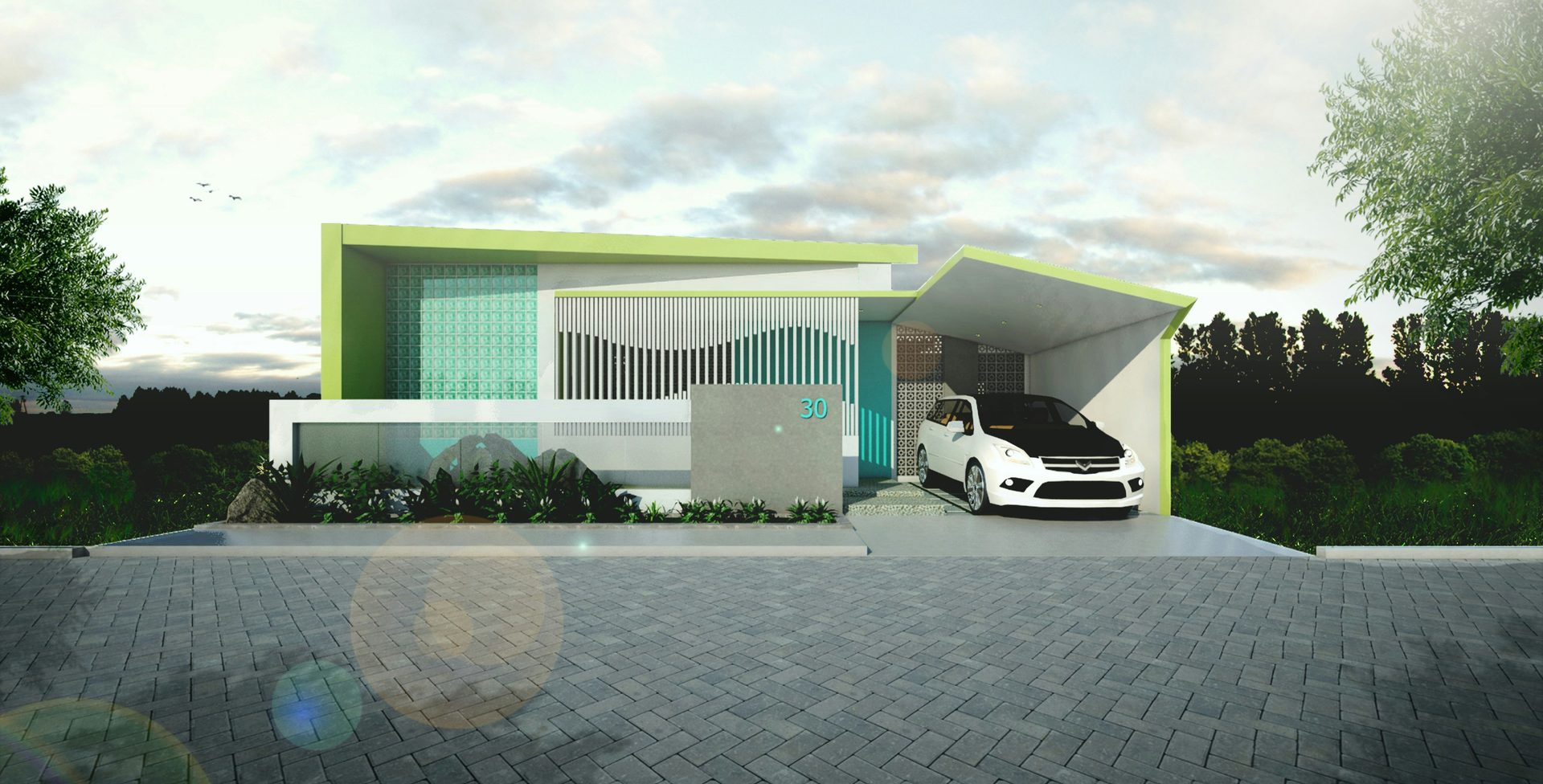
West Virginia’s rugged mountain terrain, affordable land, and lower-than-average cost of living make it one of the more budget-friendly states in the eastern U.S. to plant roots — but building a house here still requires careful financial planning. Whether you’re dreaming of a custom cabin in the Appalachians or a modern home near Morgantown, knowing what to expect before you break ground can save you tens of thousands of dollars.
In this guide, you’ll find a thorough breakdown of what it actually costs to build a house in West Virginia, from per-square-foot rates and land prices to the factors that push budgets up or down — and how new construction compares to simply buying an existing home.
Average Cost to Build a House in West Virginia
The cost to build a house in West Virginia ranges from $90 to $150 per square foot, averaging around $304,383 excluding land. However, if you’re planning a fully custom build, the numbers can climb considerably higher. Building a custom home in West Virginia costs between $150 and $250 per square foot, with total project costs typically ranging from $300,000 to $750,000.
Overall, most homeowners spend between $200,000 and $440,000, excluding land costs, with the final figure varying based on location, property type, labor expenses, and material choices. That’s a wide range, and where you fall within it depends heavily on the decisions you make at every stage of the build.
Key Insight: West Virginia is one of the more affordable states in the eastern U.S. for new construction. For context, neighboring Virginia can cost $140–$300 per square foot for a comparable build, making the Mountain State a compelling option for cost-conscious builders.
House construction in West Virginia typically takes homeowners 9 to 12 months from start to finish. Factor that timeline into your planning — you may need to budget for temporary housing or continue paying rent while your home is being built.
Cost to Build a House Per Square Foot in West Virginia
Per-square-foot costs in West Virginia vary by build type, location, and finish level. Here’s how the numbers break down across different construction grades:
| Build Type | Cost Per Square Foot | Typical Total (2,000 sq ft) |
|---|---|---|
| Standard / Entry-Level | $90 – $120 | $180,000 – $240,000 |
| Mid-Range Custom | $120 – $150 | $240,000 – $300,000 |
| Premium Custom | $150 – $180 | $300,000 – $360,000 |
| Luxury / High-End | $180 – $250+ | $360,000 – $500,000+ |
In Charleston, West Virginia’s capital city, costs range from $120 to $220 per square foot depending on construction grade, with standard-grade builds running $120 to $150 per square foot. In Morgantown, construction costs can run around $150 per square foot — reflective of the higher demand driven by West Virginia University and the surrounding economy.
Larger homes often benefit from economies of scale, potentially reducing per-square-foot costs, though luxury finishes and complex architectural features can push prices toward the higher end of the range. If you’re building a smaller home under 1,500 square feet, expect your per-square-foot rate to be on the higher end of these ranges.
Pro Tip: Rural areas in West Virginia typically offer lower construction costs compared to developments near urban centers like Martinsburg or Charleston, where land prices and municipal requirements can increase your overall investment.
Cost Breakdown: What You’re Actually Paying For in West Virginia
Understanding where your money goes is essential to budgeting accurately. Construction costs in West Virginia generally fall into two categories: hard costs (direct construction) and soft costs (indirect expenses).
Materials are the single largest hard cost. You can expect to spend about $50 per square foot on material costs. Here’s how that breaks down across the major components:
- Framing: Foundation, lumber, and steel beams typically require about $20,000 to $50,000.
- Insulation: Fiberglass, drywall, and foam insulation help regulate interior temperature, costing $1.47 to $1.57 per square foot for installation.
- Windows and Doors: Professional installation runs from $149.60 to $818.13 per door, depending on material and use.
- Flooring: Wood flooring installation in West Virginia ranges between $2.94 and $8.66 per square foot.
- Cabinets and Countertops: Granite countertops and teak wood cabinets can cost between $78.78 and $122.49 per square foot.
- Plumbing Fixtures: Installing sinks, faucets, showers, and PVC pipes costs between $64.28 and $92.56 per hour, plus materials.
Labor is the other major hard cost. Labor costs typically eat up about 30–50% of your total construction budget, averaging around 40%. West Virginia’s labor rates are generally lower than the national average, which is one reason the state remains attractive for new construction.
Beyond direct construction, you’ll also encounter soft costs — the indirect expenses that can easily catch first-time builders off guard:
- Permits: Indirect costs like permits, land prep, and interiors can exceed $25,000, with permits alone potentially costing up to $3,000.
- Architectural and Design Fees: House design and blueprints range from $500 to $5,000 for stock plans and $5,000 to $20,000 for fully custom designs.
- Landscaping and Exterior Finishes: After construction, landscaping and exterior finishes can range from $3,000 to $12,000, depending on your design choices and yard size.
- Interior Furnishings: For a 3,000 sq ft home, you should budget at least $20,000 for interior furnishings.
Important Note: It’s wise to budget for unexpected expenses that may arise during construction. Setting aside an additional 10–20% of your total budget for contingencies can save you from financial strain later on.
Cost of Land in West Virginia
Before a single nail is driven, you need somewhere to build. West Virginia’s land market is more affordable than most eastern states, but costs vary dramatically depending on where you look.
The average price per acre in West Virginia is $44,800, though this depends on the size and location of the land. Rural parcels in less-populated counties can be significantly cheaper, while lots near urban centers command a premium.
Land prices in West Virginia can vary significantly based on location, size, and zoning. You can expect to pay anywhere from $20,000 in rural areas to over $100,000 in more populated regions like Charleston or Morgantown.
Beyond the purchase price, you’ll need to account for site preparation:
- Clearing and leveling: You must clear and level the land before construction, which can cost anywhere between $1,500 and $3,000.
- Surveying: Surveying expenses usually range from $300 to $1,000 to ensure property boundaries are clear.
- Utility connections: The location of your land will dictate how close you are to necessary utility taps. If you need to extend these lines further, be prepared for an additional expense.
Pro Tip: Consider the slope of any land you’re evaluating. Flatland is rare in West Virginia, so seek out what types of homes would sit better on certain slopes — this way, you won’t need to spend a fortune clearing and flattening land.
West Virginia also offers a favorable property tax environment for landowners. The state’s effective property tax rate averages 0.58% of assessed value, among the lowest in the nation, representing approximately $1,160 annually on the median-priced home. That low ongoing tax burden can make owning land and a custom-built home considerably more affordable over time compared to higher-tax states. If you’re comparing housing costs across state lines, it’s also worth reviewing apartment costs in Virginia to understand regional affordability differences.
Factors That Affect Building Costs in West Virginia
No two builds are the same. Several key variables will push your project budget up or down, and understanding them early gives you more control over the final number.
Location within the state is one of the biggest cost drivers. Building costs vary across different cities in West Virginia due to differences in land prices, construction labor costs, and regional market conditions. For example, building a house in Charleston, the state capital, may be more expensive than in smaller cities or rural areas.
Terrain and site conditions are uniquely significant in West Virginia. The mountainous landscape raises concerns about building homes. In more mountainous regions, there is a scarcity of plateaus and large spaces between mountains. Most houses in rural mountain regions are built along rivers and creeks where the land tends to be flatter, or on top of hills where the land is easier to level. Difficult terrain can add thousands to your excavation and foundation costs.
Home size and design complexity directly affect both material and labor costs. Simpler floor plans with fewer angles and standard ceiling heights cost less to build than open-concept designs with vaulted ceilings or complex rooflines. You can control some costs by choosing your materials carefully, as well as the floor plan and architectural features you select — simpler equals less expensive.
Material and supply chain conditions continue to influence project budgets nationally. Material availability continues to fluctuate, which can influence your project’s timeline and bottom line. Supply chain challenges, while improving, still create occasional delays in acquiring certain building materials. Additionally, the construction industry faces an average effective tariff rate of 17.8%, the highest since 1934, meaning lumber, aluminum, steel, and other materials have gotten significantly more expensive.
Labor availability is another pressure point. In 2025, labor shortages in construction are raising costs and increasing overall building expenses across the country, and West Virginia is not immune to this trend.
Permits and local regulations add costs that vary by county. The cost of obtaining a permit is based on the cost of the home or the location of the construction, and the fee is rarely a set amount. West Virginia counties have different permit laws. Check with your specific county office early in the planning process to avoid surprises.
Common Mistake: Underestimating permit and inspection fees. These vary widely by county in West Virginia and can add several thousand dollars to your budget if not accounted for upfront. Always contact your local county office before finalizing your construction budget.
Climate considerations also play a role in material selection and structural requirements. The weather in West Virginia is temperate, with distinct seasons of roughly equal length — humid, warm summers and crisp winters with notable snowfall. Your home will need adequate insulation, weatherproofing, and potentially a more robust roof to handle seasonal snow loads, which adds to baseline construction costs.
Building vs. Buying a House in West Virginia
One of the most important questions you’ll face is whether to build from scratch or purchase an existing home. In West Virginia, that decision has some clear financial dimensions.
As of February 2026, home prices in West Virginia were up 2.4% compared to the prior year, with a median sale price of $241,200, according to Redfin. Compare that to the $200,000–$440,000 range for new construction (excluding land), and buying an existing home can look quite attractive — especially if you don’t need full customization.
| Factor | Building New | Buying Existing |
|---|---|---|
| Typical Cost | $200,000 – $440,000+ (excl. land) | Median ~$241,200 (Feb 2026) |
| Timeline | 9–12 months | 1–2 months to close |
| Customization | Full control | Limited to renovations |
| Condition | Brand new, no repairs | May need updates or repairs |
| Financing | Construction loan required | Standard mortgage |
| Energy Efficiency | Modern standards, customizable | Varies by age of home |
Buying is usually a faster and cheaper option than building. While new homes take 9–12 months to complete, homes for sale in West Virginia close in just 1–2 months, with more listings and lower prices. That said, buying an existing home means accepting someone else’s floor plan, finishes, and potentially deferred maintenance.
Building a house in West Virginia may offer unique advantages in terms of long-term value and customization possibilities. When you build a house, you have control over the materials, labor, and design choices, which can affect the overall cost. A new build also means modern energy efficiency, updated systems, and no immediate repair costs — savings that can add up significantly over time.
Financing is another differentiator. A construction loan provides funds in stages as the construction progresses and typically carries higher interest rates during the construction phase before converting to a permanent mortgage after the house is complete. You can make interest-only payments during the construction phase to keep costs manageable, especially if you’re maintaining another home at the same time.
If you’re weighing your options in nearby markets, it may help to review apartment costs in DC or apartment costs in Ohio to put West Virginia’s housing affordability into a broader regional context.
How to Save Money When Building a House in West Virginia
Building a home doesn’t have to mean blowing your budget. With the right strategies, you can significantly reduce costs without sacrificing quality.
Choose a simpler floor plan. Complex architectural designs with multiple rooflines, custom angles, or elaborate layouts cost more to frame and finish. Sticking with a straightforward rectangular or L-shaped footprint reduces both material waste and labor hours. Simpler floor plans and architectural features translate directly to lower costs.
Build on flatter land. In West Virginia, terrain is one of the most underestimated cost variables. Steeply sloped lots require more excavation, specialized foundations, and longer utility runs. Prioritizing flatter parcels — even if they’re a bit farther from your preferred location — can save you $10,000 or more in site preparation alone.
Get multiple contractor bids. Labor costs vary significantly between contractors, even within the same county. It’s important to work with experienced professionals who are familiar with local building codes and regulations, as they can guide you through the process and ensure your project meets all necessary requirements. Collect at least three bids and check references before signing any contract.
Consider owner-builder status. In West Virginia, homeowners are exempt from the requirement of being a licensed contractor if they work on their own house. If you have construction skills or can manage subcontractors directly, acting as your own general contractor can eliminate the general contractor’s markup — typically 10–20% of total project costs.
Use a construction-to-permanent loan. Single-close construction loans can help you save money on closing costs and avoid the hassle of applying for two separate loans. With this structure, your builder can draw funds during the building process. This keeps financing streamlined and reduces fees.
Plan for contingencies from the start. Setting aside an additional 10–20% of your total budget for contingencies can save you from financial strain if unexpected expenses arise during construction. Builders who don’t budget a contingency fund often find themselves making costly compromises mid-project.
Time your material purchases strategically. Lumber and steel prices fluctuate with market conditions. Working with your builder to lock in material prices early — or purchasing certain materials when prices dip — can reduce your overall spend. Ask your contractor about fixed-price contracts versus cost-plus agreements to understand your exposure to price swings.
Pro Tip: If you’re open to a smaller footprint, building a modest but well-designed home is far more cost-effective per square foot than a large one with basic finishes. A 1,500 sq ft home with quality materials will often feel more livable — and retain value better — than a 2,500 sq ft home built to the minimum standard.
Explore energy-efficient building options. While energy-efficient upgrades like spray foam insulation, high-efficiency HVAC systems, or solar-ready wiring add upfront cost, they reduce monthly utility bills for years to come. Incorporating green building practices and utilizing renewable energy sources can not only reduce ongoing expenses but also contribute to a more sustainable future. In a state with four distinct seasons, energy savings in West Virginia can be substantial.
If you’re also exploring what it costs to add a structure to your property — like an outbuilding or growing space — you might find it useful to review greenhouse construction costs as a comparable reference for smaller-scale builds. For those comparing housing costs across other affordable markets, Louisiana apartment costs and Michigan apartment costs offer useful regional benchmarks.