
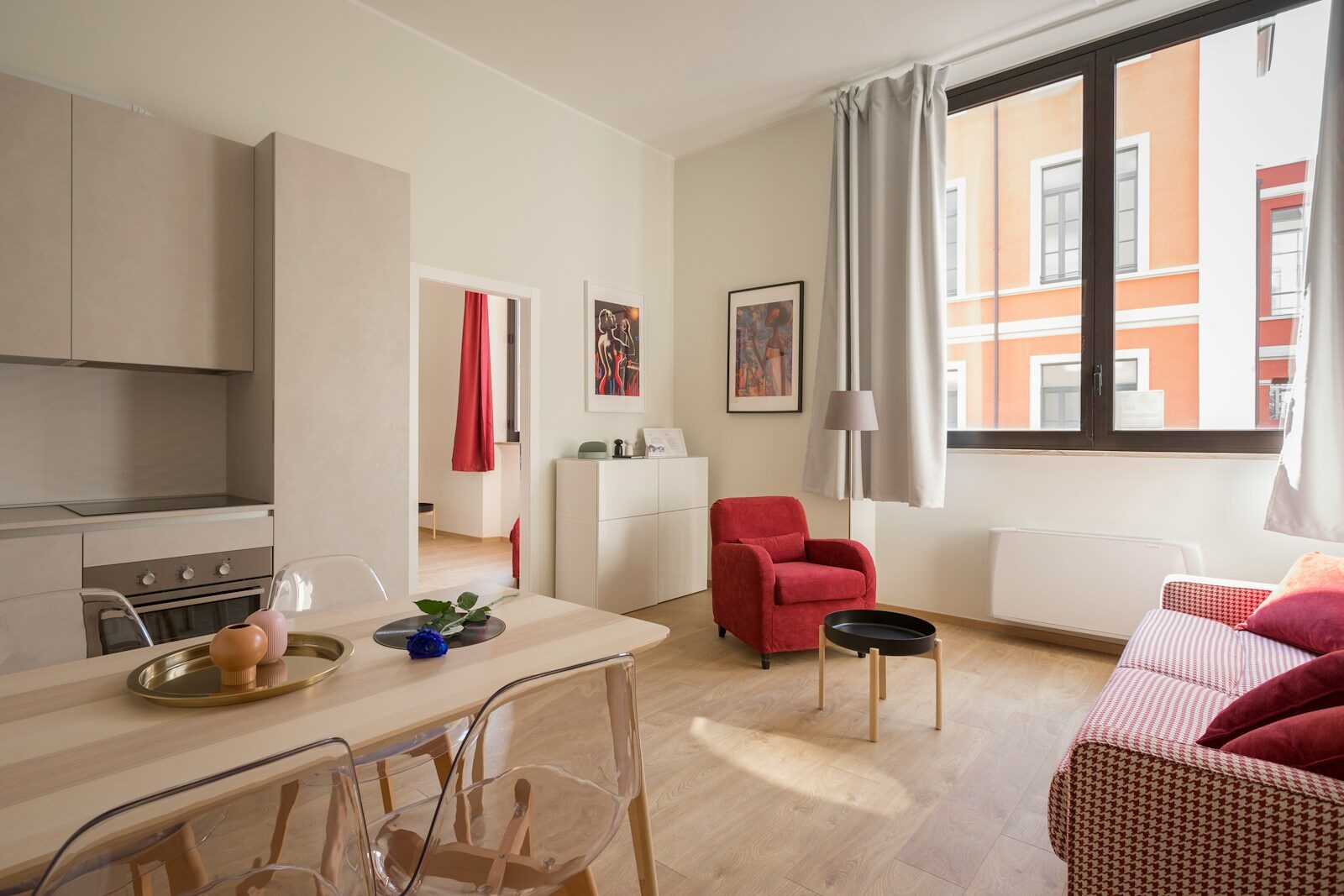
Warsaw has transformed into one of Central Europe’s most dynamic — and expensive — housing markets. Whether you’re relocating for work, studying in the capital, or eyeing a property investment, knowing exactly what apartments cost here can save you from serious financial surprises.
In this guide, you’ll find current rental prices by apartment size, purchase price benchmarks, neighborhood breakdowns, and everything else you need to make a smart housing decision in Warsaw.
Average Rent in Warsaw by Apartment Size
Warsaw consistently ranks as Poland’s most expensive rental market, and the numbers reflect that. The average price of renting an apartment in Warsaw is PLN 6,344 per month, though what you actually pay depends heavily on apartment size and location.
Here’s a breakdown of average monthly rents by apartment type as of early 2026:
| Apartment Type | Average Monthly Rent (PLN) | Approx. USD / EUR |
|---|---|---|
| Studio (0–38 m²) | PLN 2,795–3,200 | ~$800 / €735 |
| 1-Bedroom (city center) | PLN 4,200–4,900 | ~$1,050–$1,225 / €965–€1,130 |
| 1-Bedroom (outside center) | PLN 3,300–3,500 | ~$825–$875 / €760–€810 |
| 2-Bedroom | PLN 4,700–7,000 | ~$1,175–$1,750 / €1,080–€1,610 |
| 3-Bedroom (central) | PLN 7,590 | ~$1,900 / €1,750 |
| 3-Bedroom (outside center) | PLN 5,640–6,865 | ~$1,410–$1,715 / €1,300–€1,580 |
As of early 2026, the average monthly rent for a studio apartment in Warsaw is around PLN 3,200 (approximately $800 or €735), which makes studios the most expensive option per square meter in the city.
The most sought-after category remains two-room apartments, which command average rents of PLN 4,930 in Warsaw. Three-bedroom apartments in central locations reach PLN 7,590 monthly, while similar properties outside the center average PLN 5,640.
Pro Tip: Rent prices listed by landlords typically exclude utilities and building administration fees. Budget an additional PLN 700–1,500 per month for these costs depending on apartment size and building type.
Warsaw rental prices have experienced dramatic growth, with one-bedroom apartments increasing from approximately PLN 2,955 monthly in 2024 to PLN 3,500–4,200 in 2025. Over the five-year period since 2020, rents have surged approximately 47%, rising from roughly PLN 2,300–2,800 monthly for one-bedroom units to current levels exceeding PLN 4,000 in many central locations.
Average Apartment Purchase Price in Warsaw
Buying an apartment in Warsaw requires a significant financial commitment, and prices vary widely depending on whether you’re buying new or resale. Warsaw apartment prices in January 2026 average around 17,000 PLN per square meter citywide, which works out to about $4,670 or €4,040, making the Polish capital significantly more affordable than Western European cities like Berlin or Vienna.
New-build apartments carry a premium of approximately 7% compared to similar resale properties in the same location. This premium exists because new buildings typically offer better energy performance, modern layouts, elevators, parking, and developer warranties, while resale properties often require renovation costs that buyers factor into their lower offers.
Here’s what total purchase prices look like for different apartment sizes on Warsaw’s secondary market:
| Apartment Type | Avg. Price per m² | Typical Total Price (PLN) |
|---|---|---|
| Studio (1-room) | ~18,523 PLN/m² | ~PLN 569,000 |
| 2-Room | ~17,648 PLN/m² | ~PLN 799,000 |
| 3-Room | ~16,576 PLN/m² | ~PLN 975,000 |
| 4-Room | ~16,965 PLN/m² | ~PLN 1,460,000 |
Average prices on Warsaw’s secondary market show that 1-room studios average 18,523 PLN/m² (totaling around PLN 569K), 2-room apartments average 17,648 PLN/m² (around PLN 799K), and 3-room apartments average 16,576 PLN/m² (around PLN 975K).
Don’t forget transaction costs. Mandatory transaction costs include agency fees ranging from 1–3% of the purchase price, notary fees of approximately 0.4–0.5% of purchase price, and a property transfer tax (PCC) of 2% applicable only to secondary market purchases. Registration and title transfer fees cost approximately PLN 260, while legal representation typically ranges from PLN 1,000–3,000. These combined costs usually total 3–6% of the purchase price for secondary market transactions.
Important Note: New-build apartments in Poland are often sold in “developer standard” — meaning the unit is a bare shell you must finish yourself. Factor in renovation costs of PLN 1,000–3,000 per square meter when budgeting for a new build.
Cost of Renting vs. Buying in Warsaw
The rent-vs-buy question in Warsaw doesn’t have a simple answer — it depends on your timeline, financial situation, and goals. Here’s how the two paths compare financially.
For renters, flexibility is the main advantage. You avoid the large upfront costs, ongoing maintenance, and the risk of being locked into a depreciating asset. In the short term, renting is becoming more popular due to the economic situation: people cannot afford to buy property, and some prefer to wait. They’re afraid of an expensive mortgage, so they prefer to rent and see how the situation changes.
For buyers, the long-term numbers are compelling. Capital appreciation has averaged 14.4% over the past year, though this rate is normalizing as the market stabilizes. Long-term property owners (5+ years) typically see annual appreciation of 4–7%, providing solid total returns when combined with rental income.
Poland’s mortgage rates in early 2025 were high (around 7.5% interest) due to earlier central bank rate hikes. However, there were signs of possible rate reductions. Mortgage availability for foreigners is decent if you have documented income, but local banks might lend a lower percentage (sometimes max 70% LTV) to non-residents.
| Factor | Renting | Buying |
|---|---|---|
| Upfront Cost | 1–2 months deposit | 3–6% transaction costs + down payment |
| Monthly Cost (1-bed, central) | PLN 4,200–4,900 | Mortgage + PLN 350–500 utilities |
| Flexibility | High | Low |
| Long-term Appreciation | None | 4–7% annually (historic avg.) |
| Rental Yield (if investing) | N/A | ~6.49% gross in Warsaw |
If you’re planning to stay in Warsaw for fewer than three years, renting typically makes more financial sense given the transaction costs of buying. If you’re planning a longer stay or want to invest, purchasing can deliver strong returns — especially near metro stations or business districts. You can also explore different types of apartments to understand which property format fits your lifestyle and budget best.
Key Insight: Warsaw’s gross rental yields sit at approximately 6.49%, which compares favorably to most Western European markets and makes buy-to-let investment here genuinely attractive for long-term investors.
Cheapest and Most Expensive Neighborhoods in Warsaw
Warsaw is divided into 18 districts, and the price gap between the cheapest and most expensive is dramatic. Warsaw apartments in central districts like Śródmieście can cost over PLN 35,000 per square meter, which is nearly three times what you would pay in outer neighborhoods like Białołęka.
Most Expensive Districts
The most expensive Warsaw neighborhoods include Śródmieście (city center) at 20,000 to 28,000 PLN per square meter ($5,490 to $7,690 or €4,750 to €6,650), followed by premium pockets of Żoliborz and close-in Mokotów in the 18,000 to 22,000 PLN range ($4,950 to $6,040 or €4,280 to €5,230).
- Śródmieście (City Center) — Warsaw’s most prestigious district, home to skyscrapers, cultural landmarks, and the Old Town. Expect to pay a significant premium for location and prestige.
- Wola — Warsaw’s emerging business hub, featuring the Varso Tower and Warsaw Spire. Modern residential complexes here command high prices due to proximity to the financial district.
- Mokotów — A favorite among expats and families, offering upscale apartments, green spaces, and strong transport links. The three Warsaw neighborhoods most popular with expats are Mokotów (including the diplomatic villa area), Wilanów, and central Śródmieście, all offering English-friendly services and turnkey apartments.
- Żoliborz — A charming, quieter district with strong appreciation potential and historically high prices.
Most Affordable Districts
The most affordable Warsaw neighborhoods for apartment buyers in January 2026 include Białołęka, Rembertów, and Wesoła, where typical prices run 12,500 to 15,500 PLN per square meter ($3,430 to $4,260 or €2,970 to €3,680), offering value for those willing to accept longer commutes.
- Białołęka — A rapidly developing northern district with modern housing estates and lower prices. Popular with young families.
- Rembertów and Wesoła — Located in the southeastern part of the city, these districts have the lowest population density and the most affordable prices. These districts are developing and being built with modern residential complexes at affordable prices, gaining new infrastructure. They also have many parks, squares, and forests.
- Targówek and Praga-Południe — Mid-range areas on the eastern bank of the Vistula. The average cost of renting an apartment in Praga-Południe is PLN 4,784 per month, making it noticeably cheaper than central districts.
For renters, you’ll find the cheapest 1-bedroom rents in outer districts like Białołęka and Bemowo, while the highest prices are in Śródmieście, the Rondo Daszyńskiego area of Wola, and upscale parts of Mokotów.
If you’re also considering apartment living in other cities, check out this breakdown of apartment costs in Kathmandu for a useful global comparison.
What Affects Apartment Prices in Warsaw
Several key factors drive the price you’ll pay — whether renting or buying — in Warsaw’s property market.
Location and District
This is the single biggest price driver. Central proximity to business hubs, cultural landmarks, and transport infrastructure commands a steep premium. The cost of renting an apartment in Warsaw depends primarily on the area.
Metro and Transit Access
Properties within walking distance of Warsaw Metro stations or universities often command a rent premium of PLN 400 to 800 per month ($100 to $200 or €90 to €185) over similar units farther from transit. For buyers, proximity to planned metro extensions can significantly boost future appreciation.
New Build vs. Resale
New apartments (especially from reputed developers) in Warsaw come with modern amenities — underground parking, elevators, security — and thus cost more per m² than older flats in communist-era blocks. But older flats might offer larger spaces for a given price.
Apartment Size and Layout
Interestingly, smaller apartments often cost more per square meter than larger ones. It is not at all obvious that the price of a studio apartment in Warsaw will be lower than a flat with a separate bedroom. In Warsaw, there’s high demand for smaller apartments, ideal for people who study there, are undertaking an internship, or starting a job.
Market Demand and Supply Dynamics
The rapid price increases stem from robust demand from international professionals, students, and young Polish workers, combined with limited new supply entering the market.
Utility Efficiency
Heating is typically the most expensive utility for Warsaw apartment owners, particularly in older buildings with less efficient insulation, and can add PLN 200 to 400 or more to monthly bills during the October to April heating season.
Common Mistake: Many renters and buyers focus only on the listed price and overlook ongoing utility costs. In older Warsaw buildings, inefficient heating systems can add hundreds of złoty per month to your actual housing cost.
For more strategies on managing your housing and living costs, these grocery cost-cutting tips can help stretch your budget further when settling into Warsaw life. You might also find useful ideas in this guide on urban living essentials for big-city apartments.
How Warsaw Compares to Other Major Cities
Warsaw is the most expensive city in Poland, but how does it stack up internationally? The answer may surprise you — it’s still a relative bargain compared to most Western European capitals.
Berlin averages €5,000–6,000/m² in central areas, Paris commands €11,000–12,000/m², and Vienna ranges from €6,000–8,000/m² for comparable locations. Warsaw’s central districts at roughly €4,750–6,650/m² sit well below these benchmarks.
Warsaw vs. Polish Cities
Warsaw leads at 17,000–18,000 PLN/m², while Kraków, Gdańsk, and Wrocław offer 10–20% savings with solid rental yields of 5–6.5%.
| City | Avg. Price per m² (PLN) | 1-Bed Rent (City Center) |
|---|---|---|
| Warsaw | 17,000–18,000 | PLN 4,200–4,900/mo |
| Kraków | 15,000–20,000 | PLN 2,100–2,400/mo |
| Wrocław | ~20% cheaper than Warsaw | PLN 1,900–2,300/mo |
| Gdańsk | 15,000–17,500 | PLN 2,200–2,600/mo |
A one-bedroom apartment in Kraków’s city center averages PLN 2,100–2,400 monthly, making it 25–40% cheaper than Warsaw.
Warsaw vs. European Capitals
Warsaw apartment prices remain significantly more affordable than most Western European capitals while approaching levels similar to other Central European cities. Current Warsaw pricing at €2,200–4,200/m² (with city center reaching €5,000/m²) compares favorably to Western European markets.
Among Central European peers, Warsaw shows competitive positioning relative to Prague’s €3,000–4,000/m² city center pricing, making Warsaw slightly cheaper or comparable for prime locations. For rental yields, rental yields in Poland are considered good, averaging between 5.25% to 6.75%, which is higher than many parts of Europe.
Can Foreigners Buy an Apartment in Warsaw?
The short answer is yes — and it’s easier than many people expect, particularly for apartments in multi-story buildings.
While EU, EEA, and Swiss buyers mostly have the same property purchasing rights as Polish citizens, investors from other countries must obtain a special permit from the Polish Ministry of Interior for houses and other buildings that involve land purchases. Apartments are exempt from these requirements, making them the easiest form of property for foreign investors.
Non-EU citizens can often buy apartments in multi-story buildings without permits, as these typically involve shared land ownership rather than direct land purchase. This makes urban apartments in Warsaw, Kraków, or Wrocław popular choices for non-EU investors.
Here’s a quick breakdown of purchase rights by property type:
- Apartments (in residential buildings): No restrictions for most foreigners — EU or non-EU
- Houses (with land): Non-EU citizens need a Ministry of Interior permit (process takes 2–4 months)
- Agricultural land: Extremely restricted for all foreign buyers
- Commercial property: Generally open with standard business registration
You don’t need Polish residency or any type of visa to buy property in Poland. Foreign buyers can purchase Polish real estate as tourists, investors, or visitors without holding any residence permit or long-term visa. The property purchase process is separate from immigration status, meaning you can own property in Poland while living elsewhere. However, owning property doesn’t automatically grant you residency rights in Poland.
On the mortgage side, foreigners can obtain mortgage loans from Polish banks, although they may face different requirements compared to Polish citizens. Polish banks usually provide mortgage loans in the currency in which the borrower earns income, and creditworthiness is assessed carefully.
Pro Tip: If you’re a non-EU buyer and want to purchase a house or property with land in Poland, consider establishing a Polish or EU company to acquire it — corporate ownership faces fewer restrictions than individual non-EU ownership.
From a tax perspective, rental income tax applies at 8.5% for annual rental income up to PLN 100,000, rising to 12.5% above this threshold. These rates are among Europe’s lowest for property investment taxation.
You might also find it helpful to read about apartment-friendly lifestyle choices as you settle into your new Warsaw home.
Tips for Finding an Apartment in Warsaw
Navigating Warsaw’s rental and sales market is manageable if you know where to look and what to watch out for. Here are the most practical steps to take.
1. Use the Right Platforms
Use popular real estate websites such as Otodom, Gratka, OLX, Morizon, or Domiporta. These platforms list thousands of properties across Poland and allow you to filter searches based on location, price, size, and other criteria. Otodom is generally considered the most comprehensive for Warsaw listings.
2. Prioritize Metro-Adjacent Neighborhoods
Apartments near Warsaw Metro stations rent within 18 to 25 days on average, compared to 30+ days for properties without easy transit access. This means high-demand areas move fast — so be ready to act quickly when you find something suitable.
3. Consider Outer Districts for Better Value
If budget is a priority, districts like Praga-Południe, Włochy, Bemowo, and Białołęka offer significantly lower rents while maintaining good transport links. If you’re planning long-term rental in Warsaw related to work or study, look for apartments in districts slightly further from the very center. Districts like Praga-Południe or Włochy have good access to offices and universities and are very green and peaceful.
4. Understand What’s Included in the Rent
Always confirm whether your quoted rent includes utilities, building administration fees (czynsz), and internet. The cost of renting an apartment in Warsaw also depends on whether you rent from a private individual or from a company that provides professional rental services. In the latter case, you’re sure to have a guarantee of fixed costs throughout the duration of the contract.
5. Budget for the Deposit
When renting an apartment, you usually have to pay a deposit. The deposit is refundable. However, in the case of renting from private individuals, you’re at the mercy of the owner and their subjective judgement as to whether there will be any cost of repairs. Renting through a professional management company can offer more security here.
6. Negotiate on Purchase Price
The gap between listing prices and final transaction prices in Warsaw typically runs 6% to 10%, so buyers should factor in negotiation room when budgeting for their apartment purchase. Don’t be afraid to make an offer below the asking price.
7. Work with a Local Agent for Purchases
Poland has a clear legal framework governing property transactions, but it’s essential to be aware of the specific requirements for foreigners. This includes understanding the types of properties you can buy, the necessary documentation, and the importance of due diligence to ensure the property is free of legal issues and outstanding debts.
Key Insight: Warsaw’s rental market moves quickly in high-demand areas. Well-priced apartments near metro lines or universities typically rent within 15–20 days. Have your documents ready — proof of income, ID, and references — before you start your search.
Warsaw’s housing market rewards those who do their homework. Whether you’re renting a studio near Wola’s business district or buying a family apartment in Mokotów, understanding the numbers gives you real negotiating power. Use the data in this guide as your baseline — and remember that prices shift regularly, so always cross-check with current listings on platforms like Otodom before committing.
For broader context on what it costs to live and invest in apartments across different markets, explore our guide on apartment costs in Kathmandu or browse our resources on different apartment types to find the right fit for your needs and budget.