
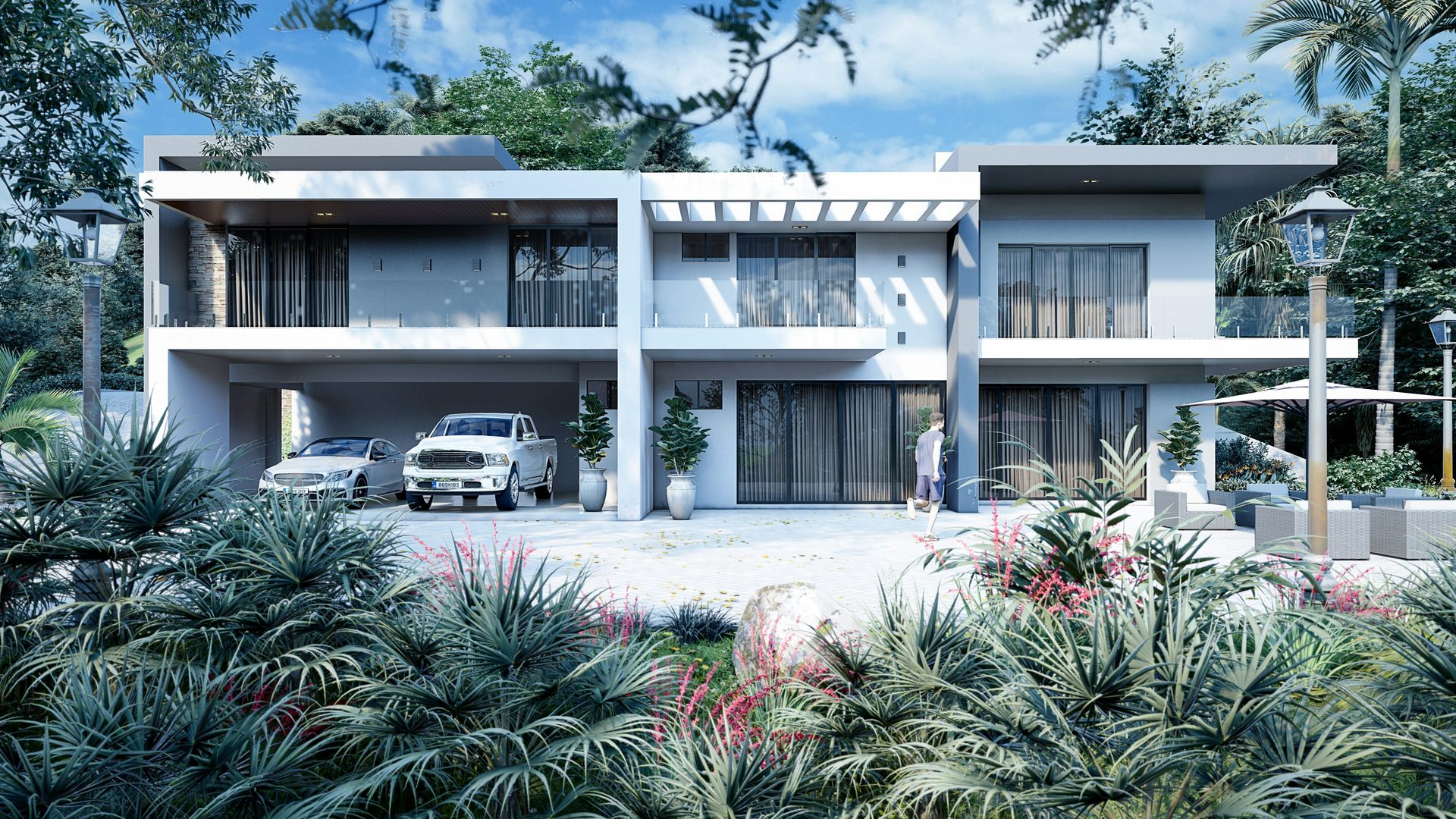
Arkansas is one of the most affordable states in the country to plant roots — and that affordability extends directly to new home construction. The state holds the title of the lowest cost of living in the nation, sitting 13.1% below the national average, thanks in large part to low housing costs. If you’ve been thinking about building instead of buying, you’re working in one of the friendliest markets in the country for doing exactly that.
Still, “affordable” doesn’t mean simple. Your final price tag depends on where in Arkansas you build, what finishes you choose, how complicated your lot is, and which type of builder you hire. This guide walks you through every major cost category so you can plan your budget with confidence and avoid the surprises that catch most first-time builders off guard.
Average Cost to Build a House in Arkansas
The average cost to build a house in Arkansas is $270,000 to $650,000, not including the cost of land or site prep. New home building costs range from $150 to $300+ per square foot, depending on location, house size and design, amount of customization, and the materials, finishes, and fixtures selected.
Where you fall within that range depends heavily on the type of home you pursue. The cost to build a basic, builder-grade home in Arkansas is $150 to $220 per square foot on average, featuring standardized floor plans with quality construction and basic finishes. Building a custom home runs $220 to $300+ per square foot, allowing for personalized designs, premium materials and fixtures, and specialized features.
At the luxury end of the spectrum, costs climb even further. Luxury builds — including architectural features, imported materials, luxury appliances, smart home systems, and meticulous craftsmanship — typically run $300 to $350+ per square foot.
Key Insight: Arkansas ranks among the least expensive states to build in nationally. According to Home-Cost.com, Arkansas averages $156 per square foot including general contractor fees, placing it among the three cheapest states for residential construction.
Building a house in Arkansas takes 4 to 10 months from groundbreaking to completion, not including the design and permitting phase. Construction timelines depend on the home size and complexity, weather conditions, material availability, and whether you choose a builder-grade or custom design.
Costs also shift by city. It typically costs more to build in cities and sought-after towns, so you’re likely to spend more to build a house in Little Rock, Fayetteville, or Jonesboro than in a more rural area. In Northwest Arkansas specifically, the average cost per square foot to build a custom home typically ranges from $130 to $250 as of 2025.
Cost to Build a House Per Square Foot in Arkansas
Square footage is the fastest way to ballpark your total construction budget, but the per-square-foot number means very little without context. Here’s how costs break down across home sizes and finish levels based on the most recent data available.
| Home Size | Builder-Grade ($150–$220/sq ft) | Mid-Range Custom ($220–$300/sq ft) | Luxury ($300–$350+/sq ft) |
|---|---|---|---|
| 1,200 sq ft | $180,000–$264,000 | $264,000–$360,000 | $360,000–$420,000+ |
| 1,800 sq ft | $270,000–$396,000 | $396,000–$540,000 | $540,000–$630,000+ |
| 2,000 sq ft | $300,000–$440,000 | $440,000–$600,000 | $600,000–$700,000+ |
| 2,500 sq ft | $375,000–$550,000 | $550,000–$750,000 | $750,000–$875,000+ |
| 3,000 sq ft | $450,000–$660,000 | $660,000–$900,000 | $900,000–$1,050,000+ |
All figures above exclude land and site preparation. The wide range exists because no two builds are the same — especially when you factor in materials, design style, land prep, and structural complexity. Building in the Ozarks is very different from building in Conway or East Little Rock.
Pro Tip: If you want to keep costs toward the lower end of the range, craftsman-style bungalows are one of the most affordable home types in Arkansas, with simple wood-framed designs keeping construction costs low — typically starting around $115 per square foot, or about $230,000 for a 2,000-square-foot home.
You should also know that the size of the home affects cost per square foot, with smaller homes having a higher cost per square foot than larger homes. A 1,200-square-foot home will cost more per square foot to build than a 2,500-square-foot home at the same finish level, because fixed costs like foundation work and utility hookups are spread across fewer square feet.
Cost Breakdown: What You’re Actually Paying For in Arkansas
A per-square-foot number only tells part of the story. Understanding where your money goes — category by category — helps you make smarter decisions about where to splurge and where to pull back.
Material costs make up about 50% to 60% of the total construction budget, while labor makes up the rest. Here’s how the major line items break down:
Site Preparation: Site preparation costs in Arkansas range from $5,000 to $25,000+, depending on terrain, soil conditions, and vegetation. The state’s varied geography can present challenges, from rocky Ozark soils requiring specialized excavation to delta clay that may need soil amendments for proper drainage. Arkansas’s wooded landscape often requires tree clearing, which adds to site preparation costs.
Foundation: A new foundation costs $25,000 to $70,000, with most Arkansas homes built on concrete slab or crawl space foundations. The state’s clay soils, particularly in central and eastern regions, require careful foundation design to prevent movement and cracking. Basement foundations are less common in Arkansas due to the high water table in many areas.
Framing: House framing costs $35,000 to $70,000 on average. Storm-resistant framing techniques are increasingly popular in Arkansas, with many builders incorporating hurricane ties, reinforced connections, and and impact-resistant materials. Framing typically accounts for the largest single portion of your build — roughly 30% of total cost.
Roofing: Roofing costs $10,000 to $25,000+, depending on the home size and roofing material. Asphalt shingles remain the most popular choice due to their cost-effectiveness and ability to handle the state’s weather variations. Metal roofing is gaining popularity in Arkansas for its durability against hail damage and ability to shed heavy snow loads during occasional winter storms.
Exterior Finishes: Siding costs $12,000 to $45,000. Vinyl siding remains popular for its low maintenance requirements and resistance to insects and moisture. Fiber cement siding is increasingly common due to its durability and resistance to weather extremes, including high humidity, temperature fluctuations, and occasional severe weather.
Plumbing, Electrical, and HVAC: The installation of essential systems — plumbing, electrical, and HVAC — is where a significant portion of the cost goes, generally accounting for 20–25% of the cost per square foot. Plumbing, electrical, and HVAC systems can cost between $26 and $60 per square foot.
Interior Finishes: The cost of flooring installation in Arkansas ranges between $7 and $10 per square foot. Features like granite countertops and teak wood cabinets in kitchens may cost between $100 and $500 per square foot. The cost to install sinks, faucets, showers, and PVC pipes throughout a home is between $2,000 and $17,500.
Utilities: Getting utilities to the site costs $9,000 to $34,500+, depending on location and existing infrastructure. Rural properties that require well drilling, septic system installation, or electrical line extensions will sit at the higher end of that range.
Permits: Building permit fees are relatively cheap in Arkansas. A safe number to consider is somewhere between $800 to $1,800 for all the fees required for constructing your home.
Professional Fees: Architect and designer fees add another layer to your budget. For most Arkansas homes, these fees range between 4% and 10% of the project cost, depending on complexity.
Important Note: Many builders give only a square-foot estimate, while others leave out details like land preparation, permitting, or utility hookups. Always ask for an itemized quote that covers every cost category before signing a contract.
Cost of Land in Arkansas
Land is one of the most variable costs in any Arkansas build — and it’s almost always quoted separately from construction. Land prices in Arkansas vary considerably based on location and proximity to major cities. Rural properties cost $2,000 to $8,000 per acre on average, while residential lots in established neighborhoods range from $25,000 to $150,000. Premium lots in upscale areas like Bentonville, Fayetteville, or Little Rock suburbs can exceed $200,000.
In Little Rock specifically, the capital has a selection of smaller plots. You can find a 6,000-square-foot lot for less than $5,000, with prices going as low as $1,500 for a plot of similar size located in the city’s outskirts. In Northwest Arkansas, land prices under one acre can range from $10,000 to over $275,000, depending on proximity to cities like Bentonville, Fayetteville, Rogers, and Springdale.
Beyond the purchase price, you’ll need to budget for land preparation. You must clear and level the land before construction, which can cost anywhere between $1,500 and $3,000 for straightforward lots. Wooded, sloped, or otherwise complex terrain will push that number significantly higher.
| Land Type | Typical Cost Range |
|---|---|
| Rural acreage | $2,000–$8,000 per acre |
| Suburban residential lot | $25,000–$150,000 |
| Urban/premium lot (Bentonville, Fayetteville, Little Rock suburbs) | $150,000–$200,000+ |
| Small urban lot (Little Rock) | $1,500–$5,000 (6,000 sq ft) |
| Land clearing and grading | $1,500–$3,000 (basic); $5,000–$25,000+ (complex terrain) |
If you’re building in a rural area, factor in the cost of connecting to utilities. Getting utilities to the site costs $9,000 to $34,500+, depending on location and existing infrastructure. Urban and suburban areas have established utility networks, while rural properties may require well drilling, septic system installation, and electrical line extensions.
Thinking about renting while you plan your build? You can explore apartment costs in Louisiana or apartment costs in Oklahoma for comparison if you’re weighing nearby states as well.
Factors That Affect Building Costs in Arkansas
Two identical floor plans can carry very different price tags depending on a handful of key variables. Understanding these factors before you break ground helps you budget realistically and make smarter trade-offs.
Location Within Arkansas
Little Rock brings higher land and permit fees but access to amenities. Bryant and Benton offer family-friendly, affordable lots with strong school districts. Conway carries a college-town vibe with more competitive lot pricing. Sherwood and North Little Rock sit close to the city with more budget flexibility. Maumelle features a master-planned community with premium options. Your choice of location affects not only building costs but also long-term value and resale potential.
Home Design and Complexity
Custom kitchen footprints or oversized pantries add cabinetry and plumbing costs. Your finish choices have one of the biggest impacts on price. Simple, rectangular floor plans cost less to build than designs with multiple angles, bump-outs, or intricate rooflines. Every deviation from a standard layout adds labor hours and material waste.
Material Selections
Selections such as flooring, countertops, cabinetry, windows, doors, and fixtures all influence both material and labor costs. Standard-grade options generally keep pricing more predictable, while higher-end or specialty materials can increase the total cost due to higher product prices and more complex installation.
Labor Costs
Arkansas labor rates are more affordable than states like Texas, Florida, or Colorado, but highly skilled trades — custom carpentry, tilework, specialty finishes — will still increase your overall investment. Demand for skilled trades in fast-growing markets like Northwest Arkansas has pushed labor costs higher in recent years.
Site Conditions
Site preparation typically includes clearing trees, grading, excavation for the foundation, and addressing drainage needs. Flat, cleared lots usually require less work, while sloped, wooded, or uneven properties often involve additional labor and equipment. Site conditions are one of the biggest variables early in the process.
Climate and Weather Resilience
Arkansas has a relatively humid climate and gets significantly more rain than other parts of the United States. The state has hot and humid summers but shorter winters than northern states. Much of the state is prone to floods and tornadoes. You may want to talk with your builder about home designs and materials that are more resistant to flooding and tornadoes. These upgrades add upfront cost but can reduce insurance premiums and long-term repair bills.
Common Mistake: Underestimating contingency costs. A contingency fund covers unexpected expenses like changes in materials, delays, or site complications such as poor soil conditions or the need for additional drainage. Typically, this contingency is about $6.50 to $25 per square foot, depending on the scale and complexity of the build. Budget at least 10–15% above your base estimate for unexpected costs.
Building vs. Buying a House in Arkansas
The build-versus-buy question doesn’t have a universal answer in Arkansas — it depends on your timeline, budget flexibility, and what you want out of your home.
In most cases, it is cheaper to buy a house than build one in Arkansas, but it depends on the home size and design, the location, and current housing market conditions. According to the most recent real estate market data, the median sale price for single-family homes in Arkansas ranges from $240,000 to $280,000, depending on the time of year. For context, the median home price in Arkansas in November 2025 was $268,800, which is 3.5% higher than the prior year, according to Redfin’s monthly housing data.
When you compare those figures to the cost to build — $270,000 to $650,000+ before land — buying an existing home often wins on sticker price alone. But the comparison is more nuanced than that.
| Factor | Building | Buying |
|---|---|---|
| Upfront cost | Higher (construction + land) | Lower (existing inventory) |
| Customization | Full control over layout and finishes | Limited to what’s available |
| Move-in timeline | 4–14 months after groundbreaking | 30–60 days after closing |
| Maintenance costs | Minimal in first 10–15 years | Can be significant on older homes |
| Energy efficiency | Built to current standards | Varies by age of home |
| Unexpected repairs | Rare (new systems and materials) | Common on homes 20+ years old |
New homes are built to be sustainable from the start. Options like solar panels, energy-efficient HVAC systems, and smart home technologies can reduce the cost of long-term maintenance. That ongoing savings matters when you’re comparing a new build to a 30-year-old home that may need a new roof, HVAC system, or updated electrical panel within years of purchase.
In Arkansas, where land costs are considerably less expensive than urban areas, constructing your own house can be financially feasible. There is plenty of land to choose from. That’s a meaningful advantage compared to high-cost coastal markets where land alone can exceed the total cost of building in Arkansas.
If you’re weighing housing options in other markets, you might also find it helpful to compare apartment costs in Miami or apartment costs in Washington, D.C. to understand how Arkansas stacks up against higher-cost metros.
Pro Tip: If you’re buying an existing home, spend the extra $400–$600 for specialized inspections (sewer scope, chimney, structural). These could save you $10,000+ in surprise repairs. Budget 1–2% of purchase price annually for maintenance on homes over 20 years old — that’s $4,000–$8,000 per year on a $400,000 home.
How to Save Money When Building a House in Arkansas
A new build doesn’t have to blow your budget. Several strategic decisions made early in the process can meaningfully reduce your total cost without sacrificing quality.
Choose a Simple Floor Plan
Complex shapes, multiple rooflines, and irregular angles all add labor and material costs. A rectangular or L-shaped footprint is the most cost-efficient to frame, roof, and finish. Sticking to a single-story layout, open floor plan, and standard-grade finishes is one of the most reliable ways to keep costs down on a budget build.
Build Up, Not Out
Adding a second story costs 10–30% less per square foot than expanding horizontally, because you’re using the same foundation footprint. If you need square footage, going vertical is almost always more economical than spreading out.
Use Stock Plans Instead of Custom Designs
Choosing stock plans over custom designs saves 10–25% on architectural fees, and your builder will be more familiar with the costs and timeline. Many builders in Arkansas offer semi-custom options that let you personalize a proven floor plan without the full cost of a custom design.
Be Strategic About Your Finishes
Focus on deciding where premium materials add long-term value and where practical, well-built options perform just as well. This keeps costs aligned with priorities without sacrificing quality or durability. Splurge on durable items like roofing and HVAC systems; save on decorative elements you can upgrade later.
Choose Your Lot Carefully
A flat, cleared lot with existing utility access will cost significantly less to prepare than a wooded, sloped, or remote parcel. Plan for site preparation costs early, especially if the lot is sloped, wooded, or undeveloped. Spending more on a better-situated lot upfront often saves money in the long run.
Look Into Builder Incentives
According to Fortune’s analysis of builder strategies, 61% of builders in 2025 offer sales incentives including mortgage rate buydowns. A 2-point temporary buydown could save you $400–$600 monthly in the first few years. In a competitive market, builders are often willing to negotiate on upgrades, closing costs, or financing terms.
Work With a Local Builder
A realistic budget, honest communication, and working with experienced local builders are the keys to avoiding the budget “black hole” many homeowners fear. When you plan smart, you end up with a house within your budget that’s built to last in Arkansas’ unique climate and market. Local builders also have established relationships with subcontractors and suppliers, which can translate into better pricing and faster timelines.
Explore Financing Options Early
Closing costs in Arkansas average 2% to 5% of the purchase price of a home. In some cases, your builder will cover those costs, but you should be prepared to pay them. Getting pre-approved for a construction loan before you start shopping for land or builders puts you in a stronger negotiating position and helps you set a realistic total budget from day one.
If you’re also exploring alternative housing or want to understand how building a small structure compares to a full home, take a look at the cost to build a greenhouse for a useful reference point on smaller-scale construction costs. And if you’re still deciding between building and renting while you save, check out what apartments cost in Idaho or apartments cost in North Carolina for additional regional context.
Building a house in Arkansas is one of the most financially accessible paths to homeownership in the country. With the right lot, a well-chosen builder, and a clear-eyed budget that accounts for every line item — land, site prep, permits, materials, labor, and contingency — you can end up with a home built exactly to your specifications for a price that still makes sense.