What to Serve with Hungarian Stuffed Cabbage: 5 Classic Pairings

November 27, 2026
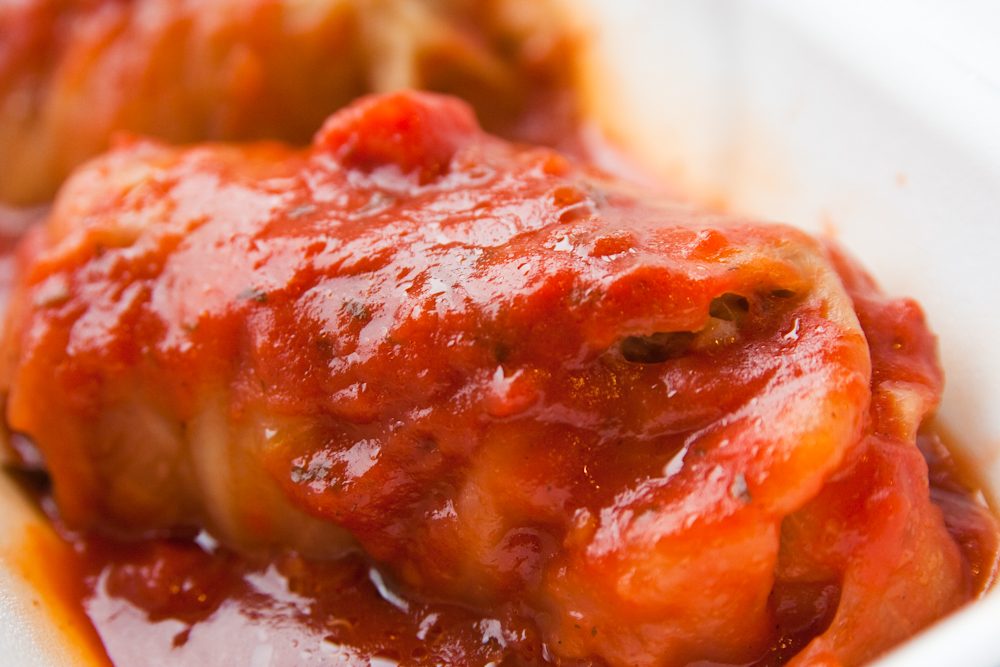
If you have ever made a pot of töltött káposzta, you already know the dish doesn’t need much dressing up — but it does need the right company on the table. Figuring out what to serve with Hungarian stuffed cabbage comes down to balancing its rich, paprika-laced sauce and hearty filling with sides that either soak it up, cool it down, or add a little brightness. Hungarian home cooks have been solving this exact problem for generations, and their answers are refreshingly simple.
Stuffed cabbage has long been treated as more than dinner in Hungary — it shows up at holiday tables and family gatherings as a dish tied to hospitality and tradition, a hearty emblem of hospitality carrying the weight of memory, tradition, and comfort. That context matters when you’re planning sides, because the classic pairings aren’t random. They’re the result of centuries of Hungarian cooks figuring out exactly what this dish needs.
Below are the five sides you’ll see on an actual Hungarian table alongside stuffed cabbage, plus tips for making each one work with your menu.
1. Crusty Bread
Crusty bread earns its spot on the table for one practical reason: stuffed cabbage produces a lot of flavorful sauce, and you need something to catch it. A thick-crusted loaf, sliced into rounds, works better here than a soft sandwich roll because it holds up to being dragged through broth without falling apart.
This pairing is not a modern add-on. According to Wikipedia’s entry on Hungarian cuisine , sour cream and bread are considered an almost mandatory accompaniment to töltött káposzta. Rye and sourdough both work well if you want something with a little tang of their own to match the sauce.
If you’re building a full menu around saucy, paprika-forward mains, the same bread-on-the-side logic applies to other dishes — our guide to what to serve with chicken piccata covers similar starchy pairings for a dish with its own rich pan sauce. For stuffed cabbage specifically, keep the bread warm and sliced thick so guests can tear off pieces easily throughout the meal.
Pro Tip: Warm the bread in a low oven for 10 minutes before serving. A slightly crisp crust holds together better when it meets a bowl of sauce than bread served at room temperature.
2. Sour Cream
Sour cream isn’t a garnish here — it’s closer to a required condiment. The cool, tangy dairy cuts through the richness of the pork filling and the paprika-tomato sauce, and it’s the one topping you’ll find on nearly every version of this dish across Hungary’s regions.
Budapest Cooking Class notes that these rolls are typically cooked with sauerkraut and served with sour cream, which tells you how central the pairing is to the dish’s identity rather than an optional add-on. A generous dollop on top of each portion, stirred in at the table rather than during cooking, keeps the texture creamy instead of curdled.
If you like the way dairy tempers a savory, paprika-heavy dish, you’ll find the same principle at work in our piece on what makes a food savory, and in creamy pairings like those discussed in what to serve with alfredo. Full-fat sour cream holds up best to the heat of the dish; low-fat versions tend to separate when they hit a hot sauce.
3. Sauerkraut
Sauerkraut does double duty in a lot of Hungarian stuffed cabbage recipes — it’s often layered into the pot during cooking, then served again on the side for extra tang. That second serving is what you’re after here: a cold or room-temperature scoop that adds crunch and acidity against the soft, slow-cooked rolls.
Offbeat Budapest explains that a bed of sauerkraut and a generous dollop of sour cream set the local Hungarian version apart from other regional cabbage roll traditions. In other words, sauerkraut isn’t an afterthought — it’s one of the two things that makes this dish recognizably Hungarian rather than Polish or Romanian.
A quick note on moderation: both sauerkraut and the cured, smoked meats often used in the filling run high in sodium. If you’re watching salt intake for health reasons, our overview of foods to eat and avoid with coronary heart disease is worth a look before building out a full-sized portion.
Important Note: This article is for general meal-planning purposes and is not medical advice. Talk to your doctor or a registered dietitian about sodium limits if you have a heart condition.
For a lighter version, rinse store-bought sauerkraut briefly under cold water before serving — it mellows the sourness without losing the crunch.
4. Pickled Peppers
Pickled peppers bring a different kind of acidity to the table than sauerkraut does — sharper, a little sweeter, and with a bit of heat if you reach for hot wax peppers instead of mild cherry peppers. Hungarian pantries are stocked with both, and either one works as a palate-cleansing bite between forkfuls of the rich main dish.
This isn’t a random pairing choice. Preserved, soured vegetables have a long practical history in Hungarian cooking: Wikipedia notes that sauerkraut and soured peppers were traditionally consumed in winter and often served as the main source of vitamin C through the cold months. Serving pickled peppers alongside stuffed cabbage, a dish that’s traditionally a winter staple itself, follows that same seasonal logic even today.
A small dish of mixed pickled peppers set at the center of the table lets guests help themselves between bites, which works especially well if you’re also serving other stuffed or fried dishes — the same tangy-side logic applies in our guide to what to serve with meat empanadas, where pickled vegetables play a similar cutting role.
| Pepper Type | Flavor Profile | Best Paired With |
|---|---|---|
| Hungarian Wax Pepper | Mild to medium heat, slightly sweet | Pork-heavy filling |
| Cherry Peppers | Sweet, tangy, low heat | Beef-blend filling |
| Banana Peppers | Mild, vinegary | Lighter, rice-forward filling |
5. Hungarian Mushroom Soup
Starting the meal with soup rather than piling everything onto one plate is a genuinely practical move with a dish as heavy as stuffed cabbage, and Hungarian mushroom soup is the classic choice. It’s a creamy, paprika-dusted soup built from mushrooms, onions, and a sour-cream-finished broth — light enough not to compete with the main course but warm enough to set the tone for a cold-weather dinner.
The soup goes by a different name in its home country: according to Julia’s Album , it’s known as gombaleves in Hungary, and there isn’t one “official” recipe — it’s a family-by-family dish. That flexibility means you can lean sweeter with paprika or sharper with extra dill depending on what your own stuffed cabbage leans toward.
Belly Full traces its roots to rustic, hearty peasant cooking where mushrooms were plentiful and affordable, which explains why it pairs so naturally with another peasant-table classic like stuffed cabbage — both dishes grew out of making the most of what was on hand. If you want a lighter starter option for other saucy mains too, our rundown on what to serve with chicken parmesan covers a few soup-and-salad combinations that follow the same idea.
Pro Tip: Serve the mushroom soup in smaller cups rather than full bowls if it’s going before stuffed cabbage. You want guests to arrive at the main course hungry, not full.
Bringing the Menu Together
You don’t need all five of these sides at once — most Hungarian households pick two or three depending on the occasion. A weeknight dinner might just mean crusty bread and a dollop of sour cream, while a holiday table is more likely to bring out the sauerkraut, pickled peppers, and a soup course too.
What matters most is covering the three jobs these sides do: something starchy to soak up sauce, something cool and tangy to cut the richness, and optionally something warm to start the meal. Once you’ve got those bases covered, the rest comes down to what your family already likes. If you’re planning a sweeter finish after all that paprika and sour cream, our ideas for what to serve with angel food cake make for an easy, light dessert that won’t weigh down a meal that’s already substantial.
Stuffed cabbage rewards patience, both in the cooking and in the planning that goes around it. Pick your sides, warm the bread, and let the pot do the rest.