Traditional English Clothing for Men: 18 Garments That Define British Style

November 17, 2026
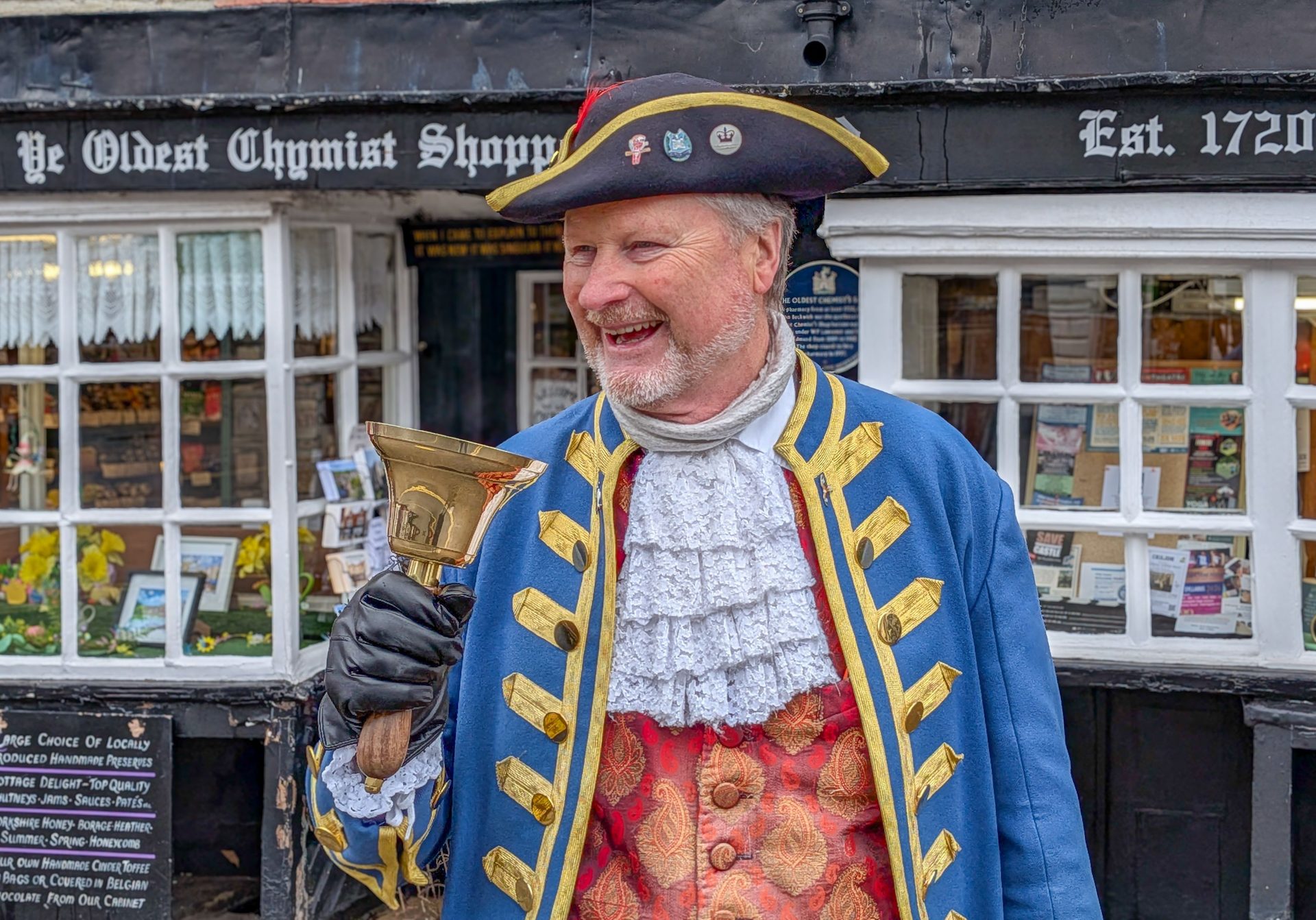
Traditional English clothing for men did not start on a runway. It started in wet fields, shooting estates, and gentlemen’s clubs, where fabric had to survive a Yorkshire downpour before it ever had to look good. British country clothing , as it is often called, has its roots in the traditional rural attire of the United Kingdom and is heavily influenced by country sports such as equestrian pursuits, shooting, or fishing. Centuries later, those same working garments became the backbone of English formal and country style.
Every culture builds a wardrobe from its own climate and class history, from traditional German clothing to the layered formality of traditional Japanese clothing. England’s version is a patchwork of farm necessity, aristocratic sport, and Savile Row precision. This piece walks through 18 garments, from the tweed jacket to the Wellington boot, that still define the look today.
1. Tweed Jacket
The tweed jacket is arguably the single most recognizable piece of traditional English clothing for men, and it did not begin as elegant wear at all. Originally relatively plain and extremely utilitarian, tweed began to develop certain patterns and colors inspired by the earthy landscapes of the Scottish Highlands and Lowlands, according to the Gentleman’s Gazette tweed guide . It was built for crofters and farmhands, not for drawing rooms.
The fabric’s leap into fashionable society is usually credited to one aristocrat. Henry A. Davidsen notes that credit generally goes to Lady Dunmore, the Countess of Dunmore, who in the 1840s began promoting cloth woven on her late husband’s Harris estate to her circle in London, and within a generation the cloth had a market well beyond the islands. From there, the fabric became the uniform of British country pursuits such as shooting, fox hunting, golf, and cycling, with the now-rare Norfolk jacket also made from tweed.
Pro Tip: Brush a tweed jacket with a soft clothes brush after wear rather than washing it. Tweed is naturally weather-resistant, and over-washing strips the lanolin that gives it structure.
2. Three-Piece Suit
A three-piece suit adds a waistcoat to the standard jacket-and-trousers combination, and in British tailoring that extra layer is not decorative — it is structural. Gentleman’s Gazette explains that structuring is also reflected in skillful layering, often with a waistcoat, and you will be more likely to see a three-piece suit or an “odd” unmatching vest in British dress compared with other national styles.
This layered approach rewards coordination rather than matching everything exactly. A solid jacket might sit over a patterned waistcoat with a plain tie, or the reverse. The same logic of deliberate, built-up formality shows up across traditional menswear styling more broadly, where structure often signals occasion as much as fabric does.
3. Waistcoat
On its own, the waistcoat is one of the most flexible pieces in the traditional English wardrobe — dressy enough for a three-piece suit, casual enough to wear over a tattersall shirt with tweed trousers. The same skillful layering that British tailoring is known for relies on the waistcoat as its connecting piece, bridging a jacket and shirt that might otherwise sit awkwardly together.
Waistcoats also travel well outside formal tailoring. Shooting waistcoats in heavy wool or tweed, often with a game pocket on the back, are built for the field rather than the office. The same instinct for a fitted, sleeveless middle layer appears in other national dress traditions too, including the embroidered vests found in traditional Pakistani clothing.
4. Morning Coat
The morning coat is the most formal piece on this list and the one modern wearers are least likely to own outright — it is almost always hired for the occasion. Wikipedia’s entry on formal wear notes that traditional formal headgear for men is the top hat, the usual companion piece to a morning coat at weddings and race meetings such as Royal Ascot.
Important Note: A morning coat is daytime formal wear only. Black tie and white tie occasions call for a dinner jacket or tailcoat instead, never a morning coat.
The cut is distinctive: a single-breasted front that curves away into tails at the back, worn with matching waistcoat and striped trousers. Westwood Hart describes this level of British formality as one where structured suits project authority and sophistication, and the morning coat is that philosophy taken to its logical extreme. Colonial-era formal dress codes also shaped menswear well beyond Britain, including elements still visible in traditional Indian clothing worn at formal functions today.
5. Bowler Hat
The bowler hat is the City gent’s hat, though it began life in the countryside. London hatters are generally credited with designing a hard, low-crowned hat in the mid-19th century for a gamekeeper who needed headwear sturdy enough to survive low branches on horseback — unlike the taller, more easily knocked top hat.
By the early 20th century the bowler had migrated from the estate to the office, becoming shorthand for the London clerk and the city banker alike. It has mostly disappeared from everyday wear now, but it remains a fixture at certain ceremonial and ceremonial-adjacent events, and it still turns up in period dramas set anywhere between 1880 and 1960.
6. Flat Cap
The flat cap is the flat opposite of the bowler in every social sense. Made from wool, tweed, or corduroy with a small stiff peak, it was the everyday headwear of farm labourers and mill workers across northern England, cheap to make and practical in wind and rain.
It has since climbed several social rungs without losing its working roots. Landed gentry wear flat caps on shoots alongside their tweed jackets, and the same shape shows up in golf, cycling, and casual city wear. Few pieces on this list carry such a clear line from working-class necessity to countrywide wardrobe staple.
7. Trilby
The trilby is often confused with the fedora, but the two sit differently: a trilby has a shorter brim, snapped down at the front and slightly turned up at the back, with a noticeably narrower profile overall. It takes its name from an 1894 stage adaptation of George du Maurier’s novel, in which the hat style first became a recognisable prop.
| Hat | Typical Material | Social Register | Common Setting |
|---|---|---|---|
| Bowler hat | Hard felt | Formal, city | Office wear, ceremonial dress |
| Flat cap | Wool, tweed, corduroy | Casual, working-class origin | Countryside, golf, cycling |
| Trilby | Soft felt | Smart-casual | Races, tailored casualwear |
Each hat marks a different rung of traditional English dress, and a wardrobe built around any one of the three signals something different about where its wearer is headed.
8. Wax Jacket
The wax jacket is one of the few genuinely all-weather pieces on this list, and it has barely changed in design since it was developed for sailors and farmers needing waterproofing that did not rely on rubber. James Meade lists it among the essentials, noting that from moleskin trousers and waxed jackets to woollen jumpers and the iconic Tattersall check shirt, these staples of British traditional fashion continue to hold their place in the modern wardrobe.
Caring for a wax jacket is straightforward but easy to neglect:
- Brush off dried mud and debris rather than machine washing the jacket.
- Reapply wax dressing once or twice a year, more often in heavy field use.
- Warm the jacket slightly with a hairdryer before waxing so the dressing absorbs evenly.
- Store it hanging rather than folded, to stop the wax cracking at the creases.
9. Trench Coat
The trench coat is traditional English clothing with a military service record. Paul Brown England lists it alongside the other defining outerwear pieces, noting that a practical guide to traditional British clothing for men covers Oxford shirts, chinos, trench coats, harringtons, and the outfits that define classic English style. Developed from officers’ field coats used in the trenches of the First World War, it carried over the belted waist, storm flaps, and deep collar that were originally functional rather than decorative.
Its long run as a civilian wardrobe staple owes a lot to film and fashion houses adopting it after the war, and it has since become one of the few British garments to cross over fully into traditional American clothing and beyond, worn as readily on New York streets as London ones.
10. Harrington Jacket
The Harrington jacket is shorter, more casual, and considerably younger than most entries on this list, but it belongs here because it crystallises a very particular English look: understated, practical, and built to layer. Guides to traditional British clothing routinely group it with trench coats as one of the core outerwear shapes that define the wardrobe.
Its name comes from a character on the American television series Peyton Place, but the jacket itself — a lightweight, waist-length blouson with a tartan lining and fishtail hem — was popularised in England by Baracuta’s G9 model from the 1930s onward. Mod and skinhead subcultures later adopted it, cementing its place as a cross-class, cross-generation staple.
11. Corduroy Jacket
Corduroy jackets sit at the casual end of English tailoring, built for weekends rather than boardrooms. Paul Brown England singles it out directly, describing the corduroy jacket for an autumn weekend as one of the four pieces of outerwear that cover almost every situation in a traditional British wardrobe.
The ribbed cotton fabric has a working-class history similar to moleskin and tweed, originally chosen for its durability on farms and in factories before it moved into leisurewear. Earth-toned corduroy in rust, olive, or mustard pairs naturally with the same tweed, wool, and brogue combinations that define the rest of this list.
12. Tattersall Shirt
A Tattersall shirt is instantly recognisable by its small, evenly spaced check pattern, usually in two contrasting colours over a cream or white base. The name comes from Tattersall’s, the London horse market, where the pattern was reportedly first used on horse blankets before it moved onto men’s shirting.
It is a country shirt through and through, built to sit comfortably under a tweed jacket or wool jumper without clashing with a patterned tie or waistcoat. Where a plain Oxford shirt reads as neutral, a tattersall shirt adds just enough pattern to feel deliberately countryside rather than accidentally plain.
13. Moleskin Trousers
Despite the name, moleskin trousers have nothing to do with actual mole fur — the fabric is a dense, brushed cotton twill prized for its durability and soft, suede-like finish. Moleskin trousers are listed alongside waxed jackets, woollen jumpers, and the Tattersall check shirt as one of the core staples of British country dress.
Traditionally made in muted shades like stone, olive, and a distinctive burnt orange, moleskin trousers were built for shooting and farm work where ordinary cotton would tear or soak through. The fabric’s density means it holds its shape and resists wind in a way lighter trousers cannot match.
14. Cable Knit Jumper
The cable knit jumper’s twisting rope pattern was originally a practical choice rather than a decorative one. Fishing communities across the British Isles and Ireland knitted dense wool jumpers with raised cable patterns that trapped extra air for warmth and shed water more effectively than a flat knit.
Over time, the cable knit moved from fishing villages into general country and casual wear, worn under tweed jackets or gilets on cold mornings. Its chunky texture and deep, practical warmth have kept it in constant rotation through every revival of British country style over the past century.
15. Gilet
The gilet — a sleeveless, often quilted or wool-lined body warmer — solves a specific problem: keeping the torso warm without restricting arm movement during fieldwork, shooting, or riding. It layers easily over a shirt and under a wax jacket, or on its own over a cable knit jumper on milder days.
Like much of the rest of this wardrobe, the gilet draws on traditions and materials from across the British Isles rather than England alone, with wool, tweed, and quilted nylon versions all common depending on the season and activity. Its practicality has kept it in steady use long after more decorative outerwear fell out of everyday rotation.
16. Cricket Whites
Cricket whites are among the most visually distinct pieces of traditional English clothing for men, built around the practical need to stay cool during long matches played entirely in daylight. The all-white kit — shirt, jumper, trousers, and often a sweater with club-colour trim — has been standard since cricket’s Victorian codification, when white reflected heat better than darker fabrics and showed grass stains less dramatically than one might expect.
The look has barely changed at the amateur and club level even as professional limited-overs cricket shifted to coloured kits. The sport itself spread across the former British Empire, which is why cricket culture and its dress code remain just as central to traditional Australian clothing and sporting identity as they are in England.
17. Brogues
Brogues are defined by their perforated decoration, a pattern of small punched holes across the toe cap and sides that started as something far more practical than ornamental. Scottish and Irish farmers originally wore a crude ancestor of the brogue with holes designed to let water drain out of the shoe after crossing wet moorland.
Key Insight: The holes on a brogue are purely decorative today, but they exist because the original shoe needed somewhere for water to escape — proof that a lot of English menswear detail started as function, not fashion.
By the 20th century, brogues had moved firmly into town wear. British Culture, Customs and Traditions notes that classic Scottish formal dress still pairs a kilt with shirt, waistcoat and tweed jacket, stockings with garter flashes, brogue shoes and a sporran, showing how far the shoe travelled from its boggy origins. English style guides agree on their staying power: one menswear guide still recommends classic brogue shoes as a core piece of a modern British-inspired outfit.
18. Wellington Boots
Wellington boots take their name from the first Duke of Wellington, who had his bootmaker adapt the traditional Hessian boot into a shorter, closer-fitting leather boot suited to both riding and the drawing room. Once rubber production became commercially viable in the 19th century, the design shifted to the waterproof material now standard, and the Wellington boot became farm and garden equipment rather than cavalry footwear.
Today it is the default footwear anywhere English weather meets English mud. The Modest Man places them firmly within the country style canon, describing an approach built on tweed blazers, wellies, hunting attire, riding boots, and earth tones as the backbone of the look.
Pro Tip: Fit matters more than style with Wellington boots — a boot that is too narrow at the calf is the most common complaint, so check calf width before focusing on tread or colour.
Traditional English clothing for men is really a record of climate, class, and sport layered on top of each other over several centuries, which is why a tweed jacket and a pair of brogues can trace back to completely different corners of British life and still look like they belong together. The same is true elsewhere: Albanian national dress varies so sharply by region that a highland wool costume and a Mirdita embroidered garment barely look related, yet both count as regional Albanian garments within one national tradition. Readers curious how other cultures solved the same problem of dressing for work, weather, and status might compare this list with traditional Chinese clothing, where climate and dynasty shaped the wardrobe just as sharply as farm life and formality shaped England’s.