
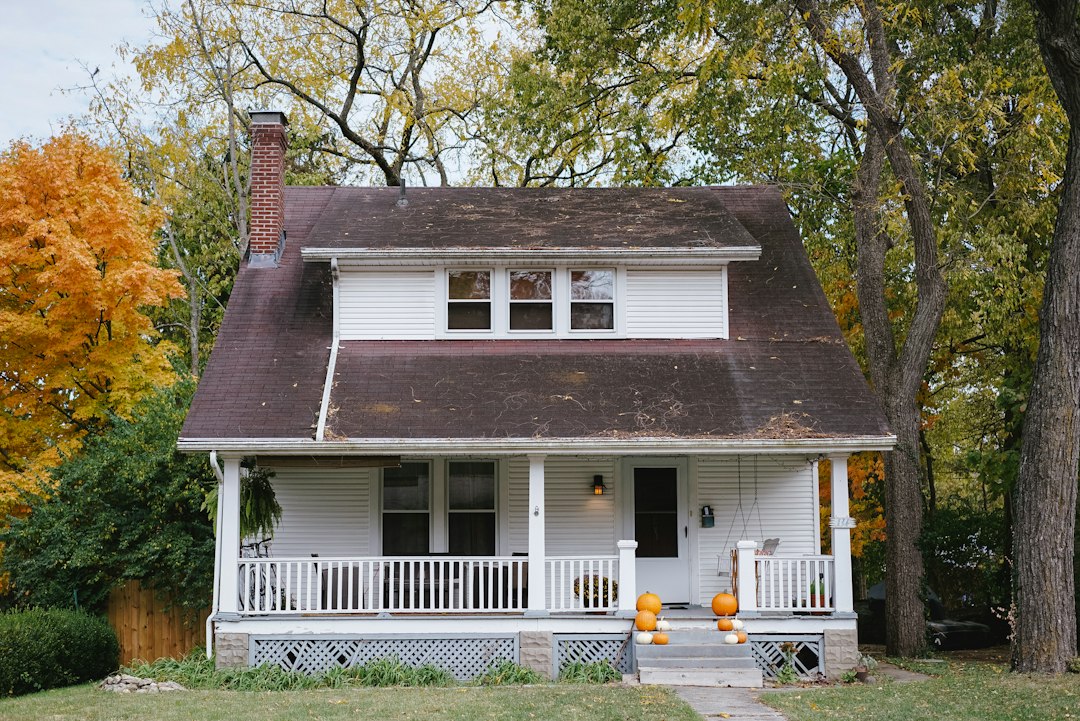
Kentucky is one of the more affordable states in the country when it comes to home construction — but “affordable” still means a six-figure investment with dozens of moving parts. Whether you’re drawn to a rural lot in the Bluegrass countryside or a suburban neighborhood outside Louisville, understanding the full picture of what you’ll spend helps you plan with confidence and avoid costly surprises.
This guide walks you through every major expense involved in building a house in Kentucky, from raw land costs and per-square-foot construction rates to the factors that push your budget up or down — and whether building even makes financial sense compared to buying an existing home.
Average Cost to Build a House in Kentucky
The price per square foot to build a house in Kentucky averages $80 to $220, which would be $200,000 to $550,000 for a 2,500-square-foot house. That’s a wide range, and where your project lands within it depends heavily on your location, the complexity of your design, and the finishes you choose.
The average price to build a house in Kentucky is $200,000, but this amount can go beyond $400,000 if you increase the square footage and include land costs, excavations, permits, and other expenses. These figures exclude the cost of land, which adds another significant line item to your budget.
Kentucky’s home construction costs are lower than the national average because of the state’s affordable land and lower labor costs. For context, according to HomeAdvisor’s 2025 data, the national average to build a home is $323,026, with costs typically ranging from $138,937 to $531,294, excluding land.
Key Insight: Kentucky ranks among the least expensive states for home construction. According to NewHomeSource, citing GoBankingRates data, the state places 13th on the list of most affordable states to build in, with an estimated hourly labor cost of $15.97.
Building a house in Louisville, Lexington, or Bowling Green — the three largest cities in the commonwealth — typically costs more than building a house in a rural area because land and labor are more expensive in urban locations. If your budget is tight, rural Kentucky offers meaningful savings, though the tradeoffs in infrastructure and commute time are worth factoring in.
Cost to Build a House Per Square Foot in Kentucky
On average, homeowners spend $80 to $140 per square foot for a standard home, while custom builds can range in price from $200 to $550 per square foot. The type of construction you choose — production home versus fully custom — is the single biggest driver of where you fall in that range.
Here is a breakdown of typical per-square-foot costs by home tier in Kentucky:
| Home Type | Cost Per Sq Ft | Example: 2,000 Sq Ft Home |
|---|---|---|
| Basic / Entry-Level | $80 – $100 | $160,000 – $200,000 |
| Standard / Mid-Range | $100 – $150 | $200,000 – $300,000 |
| High-End / Semi-Custom | $150 – $220 | $300,000 – $440,000 |
| Fully Custom / Luxury | $200 – $550+ | $400,000 – $1,100,000+ |
In Lexington, basic home building costs range from $90 to $200 per square foot. More specifically, value-conscious homes cost $90 to $130 per square foot, mid-range homes cost $130 to $160 per square foot, and high-end homes cost $160 to $200 per square foot.
Kentucky’s new construction market offers homes ranging from affordable properties in Fairdale at around $60.95 per square foot to semi-luxury homes in Cadiz at $254.38 per square foot. The median price is $289,900, with a median square footage of 1,600.5 and a median cost per square foot of $190.75. These figures are based on a Zillow dataset analysis as of August 2025.
Pro Tip: Production homes built within planned communities are generally less costly than custom homes because builders buy materials in bulk and use standardized floor plans. If full customization isn’t a priority, a production home can save you tens of thousands of dollars.
Cost Breakdown: What You’re Actually Paying For in Kentucky
Your total construction cost is made up of two broad categories: hard costs (the physical structure) and soft costs (everything surrounding it). Understanding both helps you build a realistic budget from day one.
Typically, the materials to build a house in Kentucky represent about 50 percent of the total cost, and labor costs represent about 30 percent to 60 percent. That leaves a meaningful portion for soft costs like permits, design fees, and site preparation.
Materials
You can expect to spend about $50 per square foot on material costs. Framing materials — including foundation, lumber, and steel beams — will require about $20,000 to $50,000. Other major material expenses include:
- Windows and doors: $142 to $737 per unit, depending on material and installation complexity
- Wood flooring installation: $5.90 to $8.20 per square foot
- Cabinets and countertops: $50 to $100 per box for features like granite countertops and teak cabinetry
- Exterior elements like windows, doors, and siding: $40,000 to $60,000; interior finishes (flooring, cabinets, lighting): $50,000 or more, depending on customization
Labor
The cost to install sinks, faucets, showers, and PVC pipes throughout a home is between $60 and $69 per hour plus materials. Framing labor runs $7 to $16 per square foot. A general contractor typically charges 10% to 20% of the total cost of construction.
Permits and Design Fees
The total permit fee for building a new single-family home in Lexington is around $800 to $1,000 for a 2,500-square-foot home. Design fees add considerably more: architectural services in Kentucky usually cost 8% to 15% of the construction cost, and professional interior designers in the state charge 10% to 17% of the total construction cost.
Site Preparation
Land clearing can cost between $1,500 and $5,000. The price often includes a soil test ($800 to $1,200) and land excavation and grading ($1,500 to $5,300). You will also need to hire a land surveyor, who charges between $400 and $700.
Contingency Budget
After calculating all costs, add a contingency amount — typically 10% to 15% — for unexpected expenses. This ensures you have enough funds to cover any changes or surprises that arise during construction.
Important Note: Construction loan interest is a real cost that many first-time builders overlook. If you need financing, factor in the interest charges that accrue during the build period before your loan converts to a traditional mortgage.
Cost of Land in Kentucky
Land is your first major purchase, and its cost varies dramatically depending on where in Kentucky you want to build.
The average price per acre in Kentucky is $21,400, though this depends on the size and location of the land. That statewide average, however, masks a wide spread between rural and urban markets.
Land costs vary significantly — from $10,000 per acre in rural Glasgow to $100,000 per acre in urban Louisville. In Lexington, the picture is similarly variable: Zillow land listings in Lexington show an average of $333,000, roughly $22 per square foot. The cheapest lot available costs $150,000 for a 15,770-square-foot parcel, while the most expensive costs $550,000 for an 18,730-square-foot lot.
Once you own the land, you’re not done spending on it. You must clear and level the land before construction begins, which can cost anywhere between $1,500 and $3,000 for straightforward sites. Site preparation in hilly or rocky terrain can quickly eat up the savings gained on the land price, so always get a site assessment before finalizing your lot purchase.
If you’re comparing Kentucky land costs to what you’d pay in other states, the Bluegrass State remains competitively priced. Kentucky’s housing market continues to serve as a standout example of affordability. The state’s median listing price of $304,296 in 2024 is well below the national average, and a median income of $62,837 ensures many households still qualify for a wide selection of homes.
Pro Tip: Rural lots in western Kentucky and the Appalachian foothills in the east can be significantly cheaper than urban parcels. However, factor in the cost of running utilities to the site and the potential for higher specialized labor costs if crews must travel long distances to reach you.
Factors That Affect Building Costs in Kentucky
No two builds are identical, and several variables can push your final number well above or below the averages. Knowing these factors in advance lets you make smarter trade-offs.
Location Within the State
The cost of building a home varies across Kentucky, largely due to differences in land prices, labor rates, and material availability. If you’re building in a smaller town or rural area, costs may be even lower due to cheaper land and labor rates. Expect to pay more in urban areas because of higher demand for contractors and materials.
Home Size and Design Complexity
The size and design of your home are fundamental factors in determining construction costs. Larger homes generally require more materials and labor, driving up the overall expense. Homes with complex rooflines, multiple corners, or irregular footprints cost more to frame and finish than simple rectangular layouts.
Foundation Type
Whether you choose a concrete slab, crawl space, or full basement significantly affects your budget. The foundation is a significant cost, and whether you opt for a slab or a full basement will impact the price, as will the soil conditions. Foundation costs average $13.34 per square foot, though adding a basement will increase the price.
Material Choices
High-end materials like stone siding ($35 to $50 per sq. ft.) or custom hardwood flooring significantly increase costs. Smart home technology, custom-built cabinetry, and premium appliances also add to the price.
Electrical and Mechanical Systems
Electrical and wiring ranges from $20,000 to $30,000, while installing a plumbing system may cost anywhere between $7,000 and $15,000. With the rise of smart home technology and EV charging requirements, electrical budgets are increasing, often landing between $10,000 and $20,000 for a modern residential build.
Weather Resilience Requirements
Extreme heat, flooding, and tornadoes are common in Kentucky depending on your location. The choices you make for your home may help it be more resilient to some of these issues. Building in a flood zone or tornado-prone area may require additional structural investments and will likely affect your insurance costs.
Timeline and Labor Availability
It typically takes about seven months to build a house in Kentucky. However, if there are shortages of materials or labor in the area, that could increase the time it takes to build your new home. Longer timelines mean higher construction loan interest costs, so delays have a real financial impact.
If you’re also exploring other types of structures, you can compare greenhouse building costs to understand how construction expenses differ by project type.
Building vs. Buying a House in Kentucky
One of the most important questions you’ll face is whether building from scratch actually makes financial sense compared to buying an existing home in Kentucky.
The average price to build a house in Kentucky is $200,000, and this amount can go beyond $400,000 if you increase the square footage and include land costs, excavations, permits, and other expenses. Compare that to the resale market: homes in Kentucky cost a median of $265,200.
On a pure cost basis, buying often wins in Kentucky. While new homes take 9 to 12 months to complete, homes for sale in Kentucky close in just 1 to 2 months, with more listings and lower prices. That speed advantage matters if you’re paying rent or a mortgage on another property while you wait for your build to finish.
The national picture adds further context. According to U.S. Census Bureau and National Association of REALTORS data from Q2 2025, the median price for a new single-family home was $410,800, while existing homes sold for $429,400 — an $18,600 difference, with the existing home costing more. This marks the largest historical gap where existing home prices exceeded new construction.
| Factor | Building | Buying |
|---|---|---|
| Average Cost (Kentucky) | $200,000 – $400,000+ | ~$265,200 median |
| Timeline | 7 – 12 months | 1 – 2 months to close |
| Customization | Full control | Limited without renovation |
| Condition | Brand new, under warranty | Varies; may need repairs |
| Financing Complexity | Construction loan required | Standard mortgage |
| Insurance Cost | Higher (new build) | Varies by home age |
Building does offer advantages that a price comparison alone doesn’t capture. Building your own home offers customization and the potential for lower long-term expenses through energy efficiency and fewer immediate repair needs. Builders have adapted to affordability challenges by constructing smaller homes on smaller lots and offering significant incentives. A May 2025 National Association of Home Builders report shows 61% of builders using sales incentives like mortgage rate buydowns, which can reduce your effective mortgage rate by 1 to 2 percentage points, saving hundreds per month.
Homeowner’s insurance in Kentucky is higher than the national average, while property taxes are lower in Kentucky than in many other states. Specifically, homeowner’s insurance for a $300,000 home in Kentucky costs an average of $2,862 per year, which is 24 percent above the national average of $2,305. The average property tax rate is 0.83 percent in Kentucky, compared to the 1.07 percent national average.
If you’re weighing your housing options more broadly, it helps to understand rental costs in nearby markets. You can explore what apartments cost in Kentucky to see how renting stacks up while you save for a build or purchase. Comparing other regional markets — like apartment costs in Ohio or apartment costs in Louisiana — can also put Kentucky’s affordability in perspective.
Common Mistake: Many first-time builders compare only the construction cost to the purchase price of an existing home, forgetting to add land, permits, site prep, design fees, and construction loan interest to the build side of the ledger. Always compare total all-in costs, not just the base construction number.
How to Save Money When Building a House in Kentucky
Building a home doesn’t have to mean spending at the top of the range. With the right decisions made early, you can bring costs down meaningfully without sacrificing quality.
Choose a Production Home Over a Full Custom Build
A production home is built within a planned community or a cluster of homes on land the builder or developer owns. Generally, production homes are less costly than custom homes. If you can work within a builder’s existing floor plans, you’ll save significantly on architectural fees and design time.
Keep the Floor Plan Simple
Complex layouts with multiple angles, bump-outs, and irregular rooflines cost more to frame and finish. A simple rectangular footprint with a straightforward roofline reduces both material waste and labor hours. As real Kentucky builders have noted, avoiding unnecessary corners is one of the most effective ways to control costs per square foot.
Lock in Material Prices Early
When you choose a builder, you may be able to reduce the total cost with specific choices of materials or products. Your builder may also be able to save money by buying some items in bulk. Locking in quotes before prices shift protects your budget from supply-chain volatility.
Build in a Rural or Suburban Area
If you’re building in a smaller town or rural area, costs may be even lower due to cheaper land and labor rates. Even moving 20 to 30 miles outside a major city like Louisville or Lexington can yield significant savings on your lot purchase.
Invest in Energy Efficiency From the Start
Investing in energy-efficient design and appliances reduces long-term operating costs. Features like spray foam insulation, high-efficiency HVAC systems, and Energy Star windows add upfront cost but pay back through lower utility bills over time — often within a few years.
Explore Financing Programs
Construction loans in 2025 carry interest rates of 5.2% to 7.5%. Lenders familiar with Kentucky’s market can offer tailored options, especially for urban or lakefront builds. FHA or VA loans may be available for eligible buyers, particularly near military bases like Oak Grove.
There are several down payment assistance programs available to first-time and low-income buyers throughout the state of Kentucky. These programs provide eligible homebuyers with a grant or second mortgage to help cover closing costs or a down payment.
Budget a Contingency and Stick to It
Set aside 10% to 15% of your total budget as a contingency fund before breaking ground. Change orders and unexpected site conditions are the norm in new construction, not the exception. Having that buffer means a surprise doesn’t derail your entire project.
Get Multiple Contractor Bids
Seek guidance from local architects and contractors who understand the unique aspects of building in Kentucky. Getting at least three competitive bids for major scopes of work — framing, HVAC, electrical, plumbing — gives you real market pricing and negotiating leverage.
If you’re comparing housing costs across different cities and states as part of your broader financial planning, resources like Michigan apartment costs, North Carolina apartment costs, and Phoenix apartment costs can help you benchmark what you’d spend on housing elsewhere — and confirm whether building in Kentucky is the right financial move for your situation.
Building a house in Kentucky is a significant undertaking, but the state’s relatively low land costs, affordable labor rates, and below-average property taxes make it one of the more financially accessible places in the country to do it. The key is going in with a complete picture of all costs — not just the per-square-foot construction number — and building a budget that accounts for land, permits, design fees, site prep, and a healthy contingency reserve.